huffpost Press
We Watched The New Series About JFK Jr. And Carolyn Bessette’s Romance And … YIKES
Images
1 / 10

2 / 10
3 / 10
4 / 10
5 / 10

6 / 10

7 / 10
8 / 10

9 / 10

10 / 10
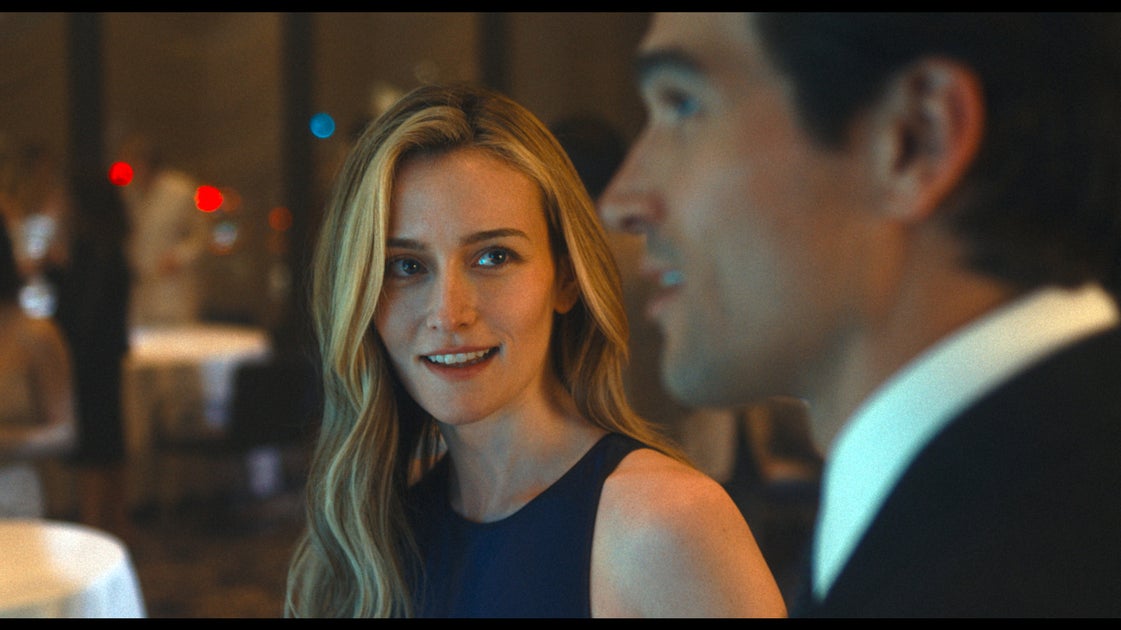
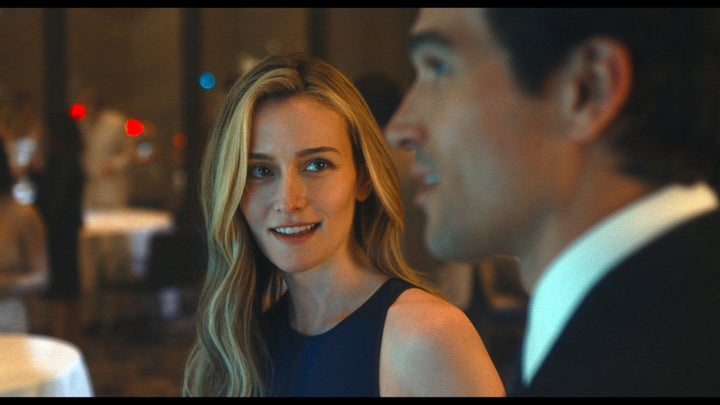
“Love Story: John F. Kennedy Jr. and Carolyn Bessette” chronicles Bessette’s path from a private citizen working in the publicity department at Calvin Klein to the enigmatic wife of a former president’s son.

“She knows if she marries him, that will be her defining characteristic. It will be like she never existed before she met him,” a colleague says about Carolyn Bessette (Sarah Pidgeon) in FX’s new limited series.

The nine-episode series, part of an anthology by writer-director Ryan Murphy, uses the Kennedy allure that transformed Bessette into an instant celebrity to attract viewers. However, even though the show attempts to explore the inner workings of the high-profile ’90s couple via fictionalized events and dramatized scenes, it adds nothing new to the public narrative.

The first episode begins on July 16, 1999, when the tragic love story ends. The two board a small plane with Carolyn’s sister, Lauren (Sydney Lemmon), to head to Martha’s Vineyard, but they never make it. Five days later, the wreckage was discovered eight miles off the coast, and their bodies were retrieved.

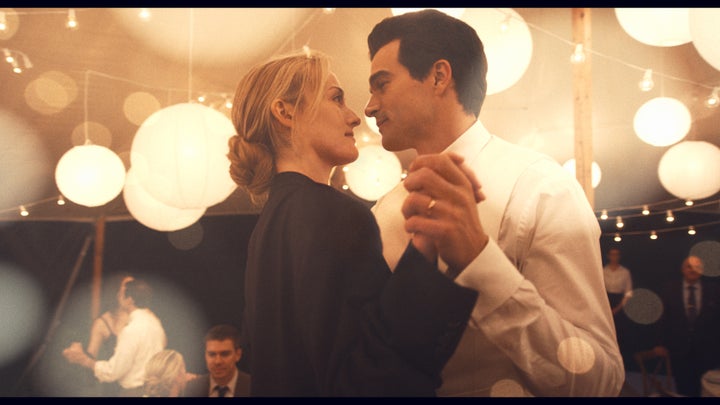
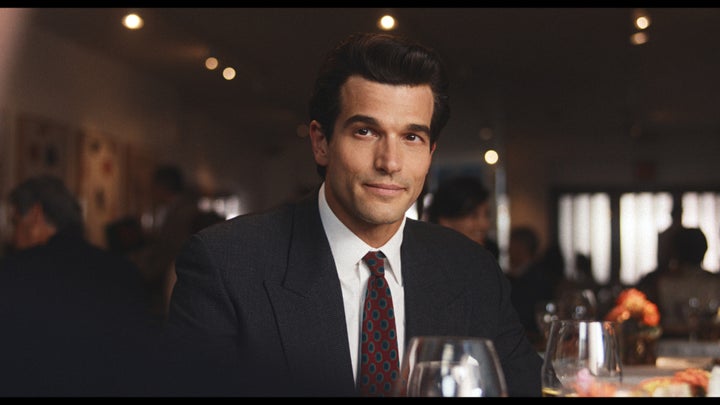
After beginning with the flight that will result in their untimely deaths, the show rewinds to Carolyn and John’s (Paul Anthony Kelly) lives before they met. She is working with VIP clients at Calvin Klein, and he has just failed the bar exam. Over the next eight episodes, the show progresses through the major moments of their relationship: meeting via Calvin Klein (Alessandro Nivola), dating, separating, reconnecting, getting engaged, hosting a secret wedding, and struggling with the pressures of marriage and the paparazzi.

This straightforward trajectory is its pitfall. The show feels like watching a summarized relationship timeline you’d read online as opposed to the organic progression of a romance that you’re watching unfold.

The series, based on Elizabeth Beller’s book, “Once Upon a Time: The Captivating Life of Carolyn Bessette-Kennedy,” clearly aims for the opposite. It wants to show how complex a figure Carolyn was and how the complicated love between the two unraveled under the pressure of the paparazzi and the expectation of being a Kennedy. Instead, it relies too much on the trappings that made Carolyn and John famous, including her style and his family.

In one of my favorite moments of Murphy’s 2010s show “Glee,” Rachel Berry (Lea Michele) says that a rival Glee club isn’t worth worrying about because they aren’t talented. Instead, the club is “all smoke and mirrors.”

“It’s called hairography,” Rachel explains.

“Hairography” is an apt description of “Love Story.” This is partly because Pidgeon’s long blonde hair is regularly tossed in scenes to convey Carolyn’s allure, and partly because the show’s high-quality production relies on a carefully curated combination of wardrobe, sets, and styling to lend the story authenticity.

However, the effect of Carolyn and John’s hyper-glossy world is that, as the series progresses, it all begins to feel like a distraction that’s as surface-level as the tabloid photos of the couple that flooded newspapers and magazines in the ’90s.

For a pair whose relationship was so well-covered in the press, the events and pressures that led to their relationship and made the relationship unravel are clear, but the show’s exploration of why they fell in love and how that unraveling happened is pure conjecture, and the guesswork just isn’t that novel.

So what even is the point of the “Love Story” anthology?

Personally, the most interesting opportunity in reexamining famous modern couples is the way such stories act as lenses that help us see our own love stories more clearly. Here, I was drawn to the tension that exists between choosing a person and choosing the life that comes with them.

At one point in the show, Carolyn says that she chose John “in spite of his life.” Her sister-in-law, Caroline (Grace Gummer), responds, “Then I really don’t know what to tell you.” Neither does the show. It highlights how the marriage changes Carolyn’s reality, but it doesn’t do enough to explore why the viewer should care.

The same applies to the marriage itself. One persistent theme of the story is Carolyn’s distrust of romantic relationships, which stems from her parents’ divorce. At one point in their courtship, she tells John, “Everything ends.”

To which he replies, “Not us.”

Because the show focuses on John’s infatuation with Carolyn, there isn’t enough space spent on what differentiates this relationship from the other women he’s dated, or why Carolyn is willing to trust and make the personal sacrifices that a life with him necessitates.

These problems are a loss for the show because the potential to explore them is there.

This is also why — even though it is well-produced and may be interesting to those drawn to stories about the Kennedy family’s cultural legacy — this limited series feels recycled and as irrelevant as paparazzi photos from three decades ago.

The first three episodes of ‘Love Story: John F. Kennedy Jr. and Carolyn Bessette’ are currently available for streaming on Hulu, and one new episode will air each subsequent Thursday on FX at 9 p.m. ET/PT and on Hulu the next day.

By entering your email and clicking Sign Up, you're agreeing to let us send you customized marketing messages about us and our advertising partners. You are also agreeing to our Terms of Service and Privacy Policy.