yahoo Press
Convicted squatter released from jail, promptly returns to $2.3M Maryland home — now neighbors fear violence
Images
1 / 4
2 / 4

3 / 4

4 / 4
Neighbors in one of Washington, D.C.'s wealthiest suburbs have spent the better part of a year watching what many describe as a surreal nightmare unfold right outside their front doors — and now millions of Americans are watching too.

A video report from Fox Baltimore's Spotlight on Maryland (1) documenting the saga has racked up over two million views on Facebook alone, drawing thousands of comments from viewers largely outraged at what they see as a broken system.

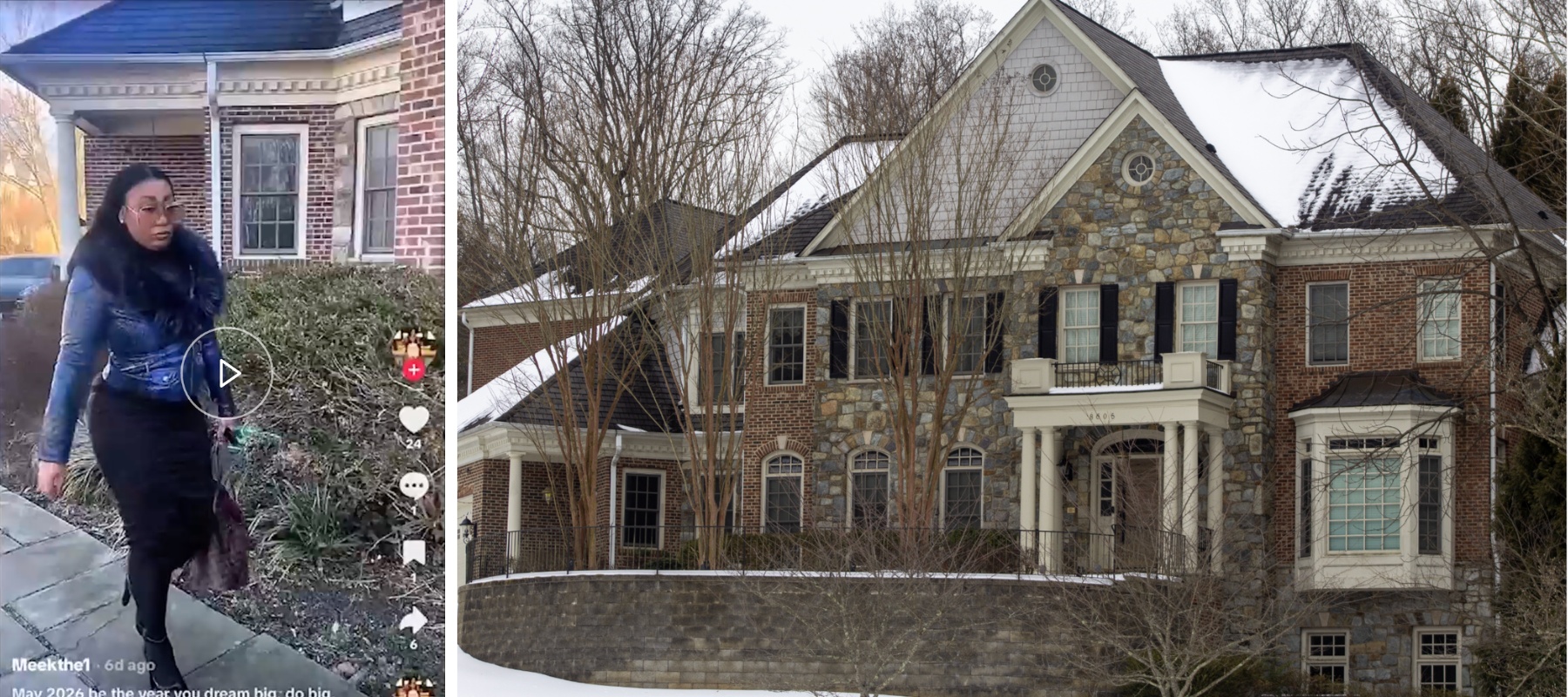
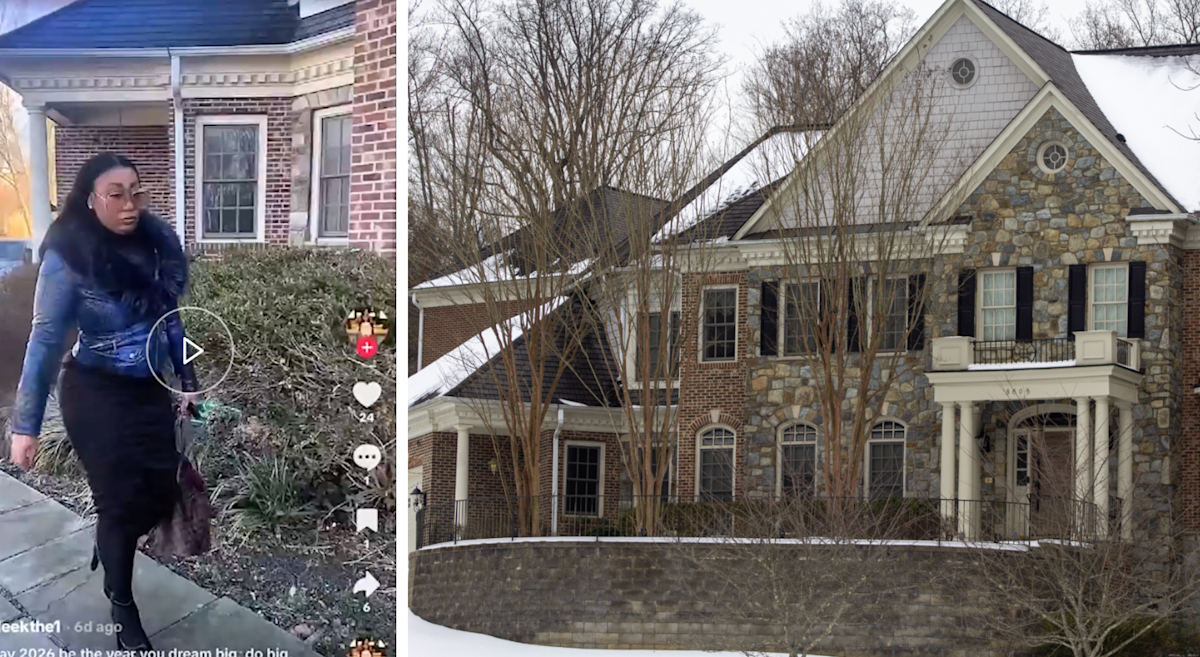
At the center of the controversy is Tamieka Goode, a self-described "pro-se litigation coach," and her partner, Corey Pollard. The couple allegedly moved into a bank-owned, 7,500-square-foot home on Burning Tree Lane in Bethesda, Maryland last summer without permission from anyone who actually owns it. The property, which is tied to Citigroup through a foreclosure, is valued at approximately $2.3 million.

The two were ultimately convicted of trespassing and breaking and entering, among other charges, and sentenced to 90 days in jail. During the proceedings, Judge John C. Moffett told Goode she had "some demented thoughts to justify" squatting. Despite all this, Goode managed to return to the property after posting a $5,000 cash appeal bond. Within hours of her release, security camera footage showed a woman matching Goode's description strolling across the icy driveway of the Bethesda mansion, wearing an outfit similar to the one she'd worn outside the courthouse.

Dave Ramsey warns nearly 50% of Americans are making 1 big Social Security mistake — here’s what it is and 3 simple steps to fix it ASAP

Thanks to Jeff Bezos, you can now become a landlord for as little as $100 — and no, you don't have to deal with tenants or fix freezers. Here's how

I’m approaching retirement with no savings. Should I panic? Here are 6 easy ways to catch up (and fast)

Months earlier, Ian Chen, a 19-year-old college student who lives with his parents next door, noticed what appeared to be a forced entry into the vacant property. He called Montgomery County police.

According to Chen, their response was underwhelming. Officers knocked on the door, got no answer, and left. When Chen pressed the issue, a spokesperson for the Montgomery County Police Department told reporters that, because the occupants had been in the home for more than 30 days, they had "gained residency status," meaning their removal would have to be handled through the courts, not by law enforcement.

So Chen took matters into his own hands. In July 2025, he filed private criminal charges against Goode and Pollard for trespassing and fourth-degree burglary. What followed was nine months of delays, missed court dates, and legal maneuvering that left the neighborhood on edge.

"I was pretty scared," Chen told Spotlight on Maryland. "All of us in our neighborhood were. We have a lot of elderly folks who were afraid to even go to sleep at night."

The story took its most dramatic turn on February 11, when authorities finally moved to clear the property. After Spotlight on Maryland reported that Goode had returned to the mansion following her brief jail stint, activity intensified.

Just before 9:30 p.m. on a Tuesday night, Goode and associates were spotted moving items out of the mansion when multiple Montgomery County sheriff's deputies arrived. Goode was taken into custody and transported to the detention center before midnight.

Through the overnight hours, moving trucks came and went from the property. By Wednesday morning, nearly a dozen deputies, a crew of laborers, and a vacant-property security company had converged on the home. Workers removed hundreds of personal items that had been left behind, including sofas, a piano, a Pac-Man arcade machine, and a movie popcorn maker.

"We're going to put everything out if you're saying it's not supposed to be here," a sheriff's deputy told the property's bank representative.

Read More: The average net worth of Americans is a surprising $620,654. But it almost means nothing. Here’s the number that counts (and how to make it skyrocket)

Goode's case is dramatic, but it is far from unique. Squatting incidents have been on the rise nationwide, fueled in part by a surge of viral social media content that has brought the issue into the spotlight — and, some argue, has provided a playbook for would-be squatters.

A 2024 report from the Pacific Legal Foundation documented a significant increase in squatting incidents across several states (2). Data compiled by property management firm Showdigs, citing Pew Research and the Urban Institute, shows a 22 percent increase in reported squatting cases in 2024, with the average eviction timeline stretching 3 to 6 months and costing property owners between $8,000 and $15,000 in legal fees and lost rent (3). In Georgia, squatting court cases jumped from three in 2017 to 198 in 2023, according to Moneywise's prior reporting — though that data covered only 25 of the state's 159 counties.

The problem has prompted a wave of legislative action. Florida Governor Ron DeSantis signed HB 621 on March 27, 2024, which allows property owners to file a sworn affidavit and request that sheriffs remove unauthorized occupants — provided the individual is not a current or former tenant in a legal dispute (4). Georgia followed with legislation that criminalizes squatting and allows removal within days if occupants can't produce proof of legal residency. New York, Alabama, Kentucky, Illinois, and Texas have all recently passed or advanced similar measures (5).

Maryland, notably, has not. Delegate Teresa Woorman, a Montgomery County Democrat, told reporters she was unsure whether squatting should even be criminal, a comment that frustrated Chen and his neighbors (6). The Bethesda case, however, may be changing the political calculus. Chen has vowed to press for reforms in Annapolis.

"The squatting is ending today, but the road of holding each and every individual accountable for their actions is only just beginning," Chen said following the eviction. "It will end at the state capital in Annapolis, where I will ask the legislature and Governor Moore to change the laws so it can never happen to a community again."

According to a LendingTree analysis of Census Bureau data, roughly 5.6 million housing units across the 50 largest U.S. metro areas were vacant as of 2023 — though the vast majority are rental vacancies, seasonal homes, or properties under renovation. Foreclosures account for roughly 1% or less of vacant units in most major metros (7). Still, homes that do fall into foreclosure and sit empty can become targets for the kind of unauthorized occupation that kept this Bethesda neighborhood up at night for nearly a year.

If you're worried about losing your home, or know someone who is, the most important thing you can do is act early. Lenders have far more flexibility to work with borrowers who come forward before missing a payment than those who wait until they're months behind.

Forbearance may be an option if you're dealing with a temporary hardship like a job loss, medical emergency, or unexpected expense. Your servicer may agree to reduce or suspend your payments for a set period. You'll need to repay the missed amounts later, but it can provide some breathing room while you stabilize. Under federal rules, servicers are required to review you for loss mitigation options before proceeding with foreclosure.

A loan modification can permanently restructure the terms of your mortgage — extending the loan term, lowering the interest rate, or rolling missed payments into the remaining balance. Fannie Mae and Freddie Mac's Flex Modification program, for example, targets a 20 percent reduction in principal and interest payments for eligible borrowers (8). If you have an FHA, VA, or USDA loan, additional specialized options may be available.

Free housing counseling is available through the U.S. Department of Housing and Urban Development, which maintains a network of approved counseling agencies that can help you understand your options, communicate with your lender, and develop a plan. You can reach one by calling the Homeowners Hope Hotline at (888) 995-HOPE or by visiting HUD's website (9). Be cautious of any company that charges fees for foreclosure prevention help — that money is almost always better spent on your mortgage.

Know your rights. Except in very specific circumstances, servicers cannot begin foreclosure proceedings until you are more than 120 days past due on your loan. If you've submitted a complete loss mitigation application, your servicer must review it before moving forward. And in many states, you have the right to reinstate your loan — meaning you can halt the foreclosure process by paying the overdue amount in a lump sum, even after proceedings have started.

If keeping your home isn't realistic, selling before a foreclosure goes through is almost always better for your finances and your credit. If you owe more than the home is worth, a "short sale" — where the lender agrees to accept less than the full balance — may be an option. It's not ideal, but it's considerably less damaging than a completed foreclosure, which can remain on your credit report for seven years and make it extremely difficult to qualify for future loans (10).

Robert Kiyosaki says this 1 asset will surge 400% in a year — and he begs investors not to miss its ‘explosion’

Mega-rich Americans are ditching stocks and hoarding historic highs of cash. Here’s where their wealth’s going instead

Vanguard reveals what could be coming for U.S. stocks, and it’s raising alarm bells for retirees. Here’s why and how to protect yourself https://moneywise.com/mega-rich-americans-are-ditching-stocks-and-hoarding-historic-highs-of-cash-heres-where-their-wealths-going-instead

Starting with just $10, everyday investors can now buy into his $1B private real estate fund. Here's how to get started in minutes

Join 200,000+ readers and get Moneywise’s best stories and exclusive interviews first — clear insights curated and delivered weekly. Subscribe now.

—

We rely only on vetted sources and credible third-party reporting. For details, see our editorial ethics and guidelines.

Fox Baltimore (1); Pacific Legal Foundation (2); Showdigs (3); State of Florida (4); Bill Track 50 (5); Fox Baltimore (6); LendingTree (7); Fannie Mae (8); HUD.gov (9); Consumer Financial Protection Bureau (10)

This article provides information only and should not be construed as advice. It is provided without warranty of any kind.