yahoo Press
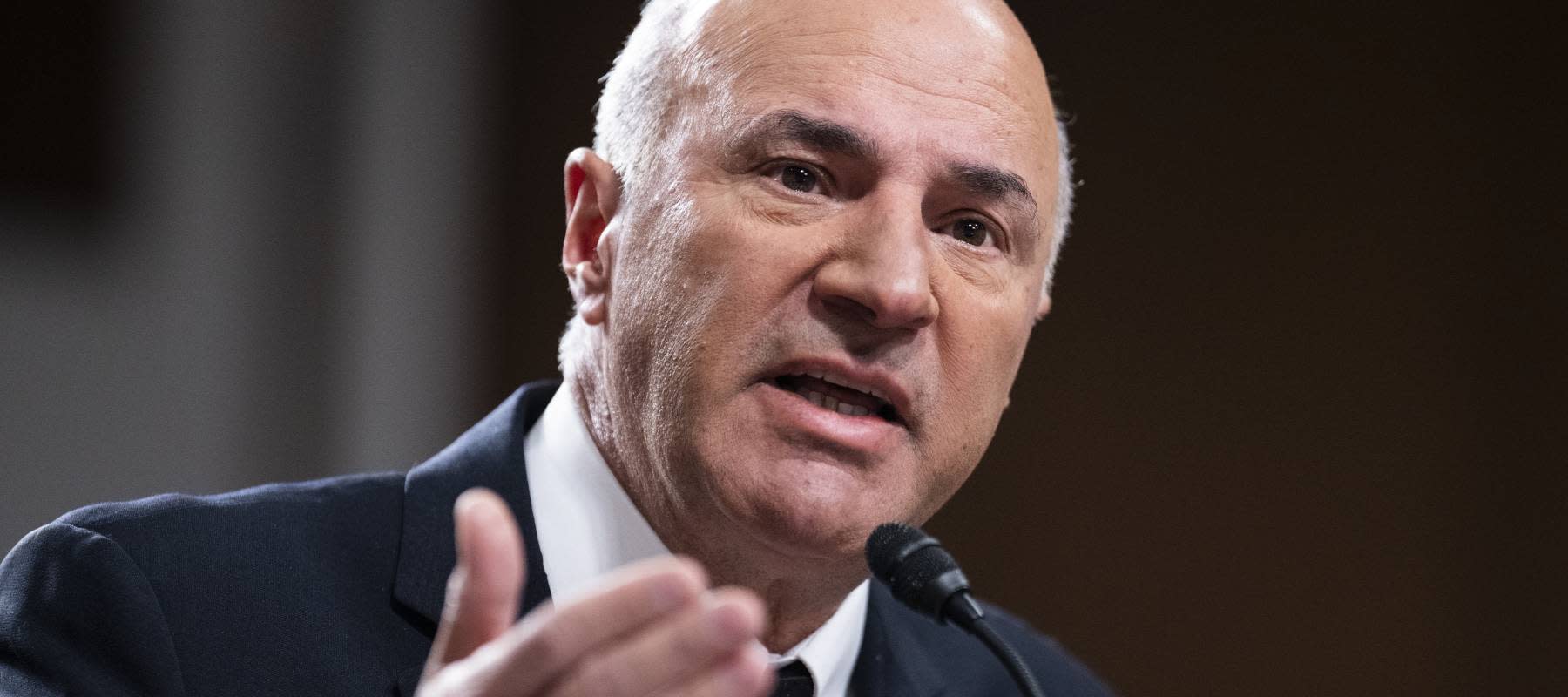
Kevin O’Leary reveals the worst part about being a rich guy (and how he deals with the problem). How to handle wealth
Images
1 / 4

2 / 4

3 / 4

4 / 4
Tremendous wealth can unlock many benefits, including freedom, economic mobility and peace of mind. But it also delivers something far less attractive: persistent requests for money from family.

In an interview on the Fifth Column with Michael Moynihan, multimillionaire Kevin O’Leary was blunt (1). One of the “worst parts about being a rich guy,” he said, was “your own family hitting on you for money.”

Dave Ramsey warns nearly 50% of Americans are making 1 big Social Security mistake — here’s what it is and 3 simple steps to fix it ASAP

Thanks to Jeff Bezos, you can now become a landlord for as little as $100 — and no, you don't have to deal with tenants or fix freezers. Here's how

I’m approaching retirement with no savings. Should I panic? Here are 6 easy ways to catch up (and fast)

O’Leary admitted that the issue wasn’t easy to tackle and he made several early missteps while handling such requests from family members before eventually finding “a path to success.” Now he has a clear rule for anyone who asks for money: It’s a one-time-only gift. The cash is offered with a firm understanding that all future requests will be turned down.

It’s simple, brutal and, at least according to O’Leary, highly effective.

And the problem isn’t limited to famous TV celebrities.

Across the income spectrum, many ordinary people face uncomfortable requests for financial assistance from their closest friends and family. Here’s why borrowing or lending to your peers can often be a mistake and what you can do to tackle such requests.

You don’t need to be fabulously wealthy for your friends and family to consider asking you for money. According to a JG Wentworth survey, roughly 53% of people have lent money to a loved one (2).

Perhaps the most common form of this financial arrangement is between a parent and their adult child. A whopping 75% of parents have offered some financial support to their adult children, according to the AARP (3).

In many cases, these financial agreements can disrupt the relationship’s natural dynamics.

For instance, 35% of parents said financially supporting their adult children causes emotional distress. Similarly, 46.6% of those who borrowed or lent money to friends and family said it led to “serious arguments or conflicts,” and 48.1% even considered taking legal action.

Simply put, a written contract or verbal agreement may not be enough to capture all the nuances of a financial agreement between loved ones. If you’re thinking about lending money to your cousin or asking your grandmother to co-own a property with you, it may be best to re-consider.

And if you’re struggling to set clear boundaries with a persistent loved one, O’Leary’s one-time gift rule isn’t the only way you can tackle the issue.

Read More: The average net worth of Americans is a surprising $620,654. But it almost means nothing. Here’s the number that counts (and how to make it skyrocket)

Turning down money requests can be tricky, especially if the request is earnest and raised by someone very close to you. Accepting the request to loan without any strings attached could enable their behavior, while turning them down too harshly could damage the relationship.

To strike the right balance, personal finance expert Ramit Sethi offers some advice (4).

His first suggestion is to get a deeper understanding of your own finances and future financial needs. If you don’t have a tightly monitored budget, it’s easy to lend money beyond your means. Once you have a better grasp on your numbers, you can see how much you can afford to give your friends and family; Nothing requires you to lend the entire sum if it means stretching yourself too thin.

Place a strict limit on your generosity, based on your personal finances. You could replicate Kevin O’Leary’s one-time-only policy, or suggest a fixed dollar or annual cap on how much you can give.

Giving financial gifts, without the expectation of payback, may be healthier.

But if you must offer a loan, make sure you clearly communicate all the terms and expectations. Have a written document to record the terms of the agreement so that there are no misunderstandings later.

For any requests that make you uncomfortable or lay beyond your boundaries, Sethi suggests saying ‘no’ firmly. Practice better ways to openly communicate your reluctance with friends and family so that they fully understand why you’re refusing their request.

Finally, consider non-monetary means of support. Instead of offering a loan, you could offer unpaid support (perhaps for childcare), assistance with budgeting, introductions for new jobs or business opportunities and referrals for debt management or financial advisory firms.

Setting these financial boundaries isn’t about withholding help, but about ensuring your own stability while supporting others in sustainable ways.

Robert Kiyosaki says this 1 asset will surge 400% in a year — and he begs investors not to miss its ‘explosion’

Mega-rich Americans are ditching stocks and hoarding historic highs of cash. Here’s where their wealth’s going instead

Vanguard reveals what could be coming for U.S. stocks, and it’s raising alarm bells for retirees. Here’s why and how to protect yourself

Starting with just $10, everyday investors can now buy into his $1B private real estate fund. Here's how to get started in minutes

Join 250,000+ readers and get Moneywise’s best stories and exclusive interviews first — clear insights curated and delivered weekly. Subscribe now.

We rely only on vetted sources and credible third-party reporting. For details, see our editorial ethics and guidelines.

The Fifth Column - A Podcast (1); JG Wentworth (2); AARP (3); I Will Teach You To Be Rich (4)

This article provides information only and should not be construed as advice. It is provided without warranty of any kind.