yahoo Press
Trump administration slams New York Fed study that says US consumers bear the cost of tariffs
Images
1 / 6

2 / 6

3 / 6

4 / 6

5 / 6
6 / 6
The Trump administration is disputing a new paper from the New York Federal Reserve asserting that US consumers and businesses are bearing the bulk of the higher costs from tariffs imposed last year.

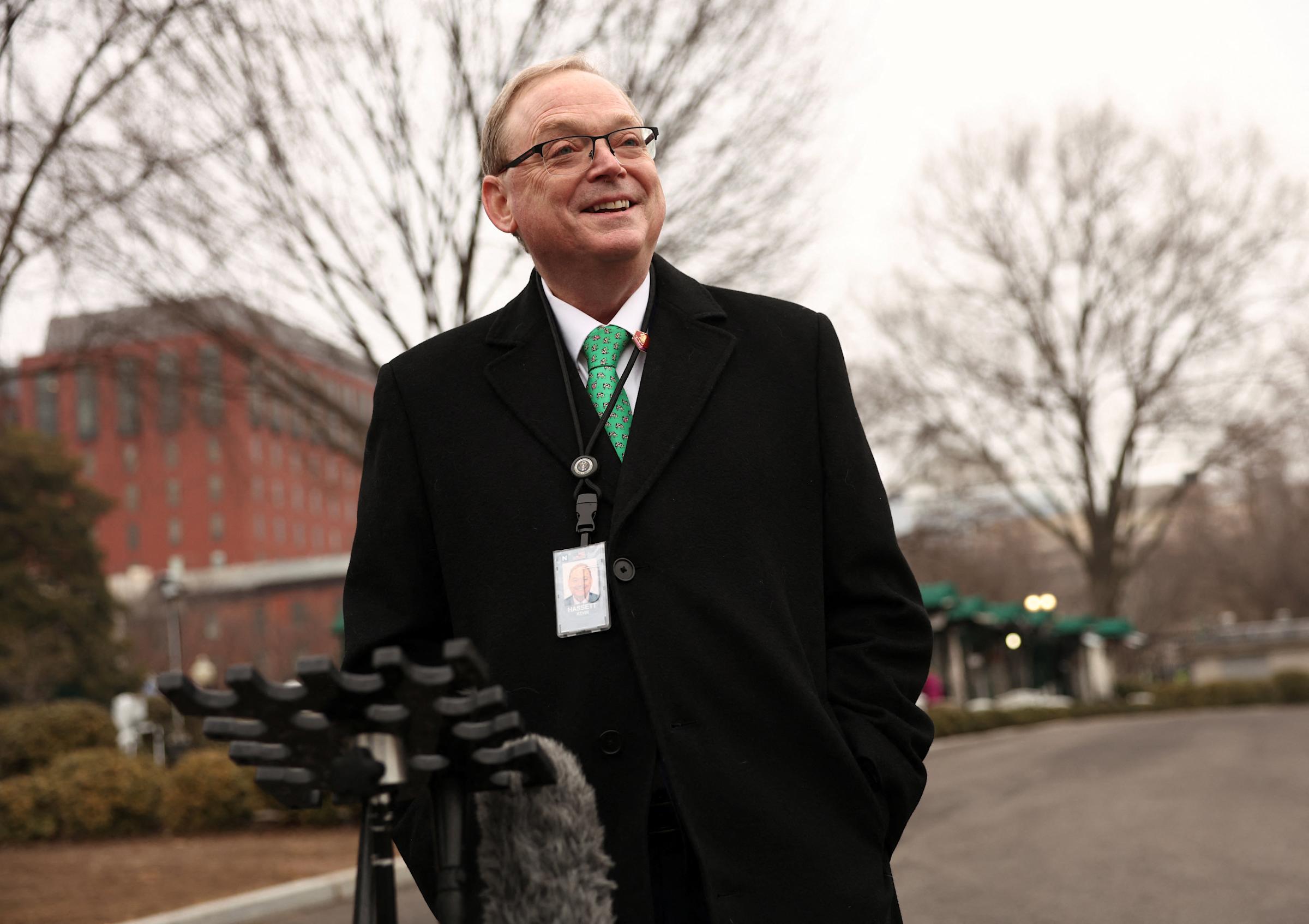
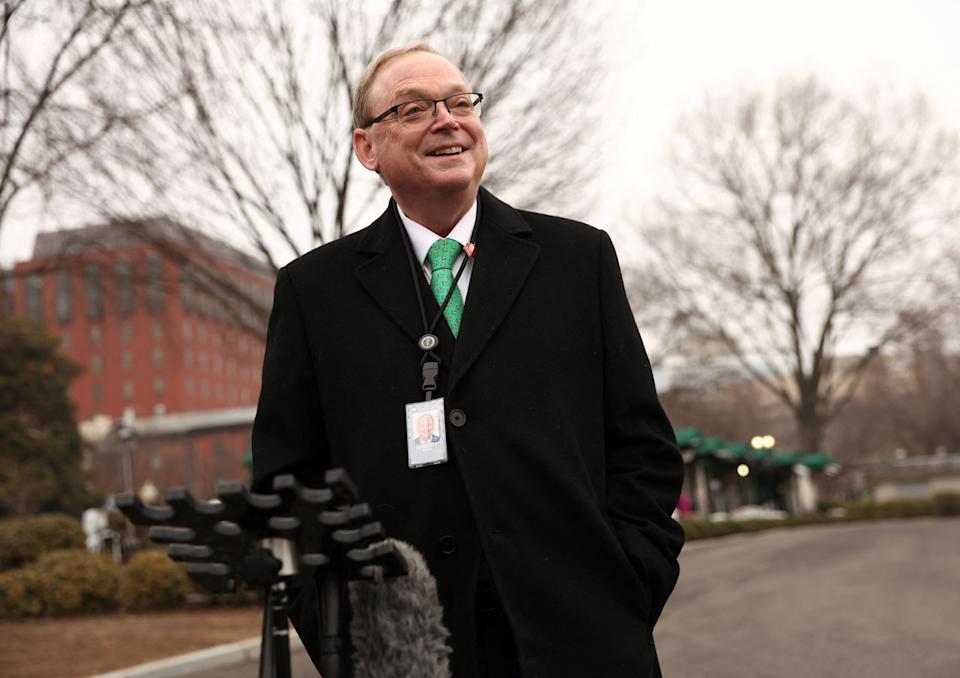
"The paper is an embarrassment," National Economic Council Director Kevin Hassett told CNBC on Wednesday. "I think it's the worst paper I've ever seen in the history of the Federal Reserve System. The people associated with this paper should presumably be disciplined, because what they've done is they've put out a conclusion, which has created a lot of news that's highly partisan, based on analysis that wouldn't be accepted in a first-semester econ class."

Authors Mary Amiti, head of labor and product markets at the New York Fed's Research and Statistics Group, along with research analyst Chris Flanagan and research economist Sebastian Heise, analyzed the tariffs instituted last year and found that 94% were borne by the US in the first eight months of 2025. Just 6% of those costs were absorbed by foreign exporters.

The analysis covered 12-month changes from January 2024 through November 2025 (the most recent available data). The analysis also noted how the pass-through of costs changed over the course of 2025. For instance, by November, the pass-through of costs borne in the US had declined to 86%.

Read more: The latest news and updates on Trump's tariffs

The authors said their results show that a 10% tariff led to only a 0.6 percentage-point decline in foreign export prices. But they also found that the tariff pass-through into import prices declined later last year, as more exporters bore the costs of tariffs. In November, a 10% tariff was associated with a 1.4% decline in foreign export prices, though still an 86% pass-through to US import prices.

The authors said the higher import prices caused firms to reorganize their supply chains.

"In sum, U.S. firms and consumers continue to bear the bulk of the economic burden of the high tariffs imposed in 2025," the authors wrote.

Read more: What Trump's tariffs mean for the economy and your wallet

Hassett maintains that tariffs affect a multitude of price factors, including supply and demand, which shift around consumer and producer surpluses.

"They’re basically only looking at changes in prices," Hassett said.

He pointed to other metrics, such as lower inflation and higher wages, which suggest consumers are better off.

"Incomes are up way more than the cost of living, and that's the real wage gain that this silly Fed study neglects to mention," Hassett said.

In an interview on Tuesday with CNBC, US Trade Representative Jamieson Greer insisted that tariffs are not regressive but acknowledged that US consumers pay them.

"Most consumption in America is done by the wealthiest people, so the idea that it's somehow regressive is just wrong," Greer said.

On Thursday, Minneapolis Fed president Neel Kashkari said he viewed Hassett's criticism as "just another step to try to compromise the Fed's independence."

"Over the last year, we've seen multiple attempts to try to compromise the Fed's independence, including in December when the Department of Justice served a subpoena to the Board of Governors over some building expenses," he said. "It's really about monetary policy that we are doing our very best to make the best assessment of the economy based on data and analysis."

Jennifer Schonberger is a veteran financial journalist covering markets, the economy, and investing. At Yahoo Finance she covers the Federal Reserve, Congress, the White House, the Treasury, the SEC, the economy, cryptocurrencies, and the intersection of Washington policy with finance. Follow her on X @Jenniferisms and on Instagram.

Click here for the latest economic news and indicators to help inform your investing decisions

Read the latest financial and business news from Yahoo Finance