yahoo Press
Why Bausch + Lomb's CEO is tying paychecks to AI literacy
Images
1 / 6

2 / 6

3 / 6

4 / 6

5 / 6
6 / 6
Learn AI or risk losing that bonus — that is the blunt mandate of Bausch + Lomb (BLCO) CEO Brent Saunders.

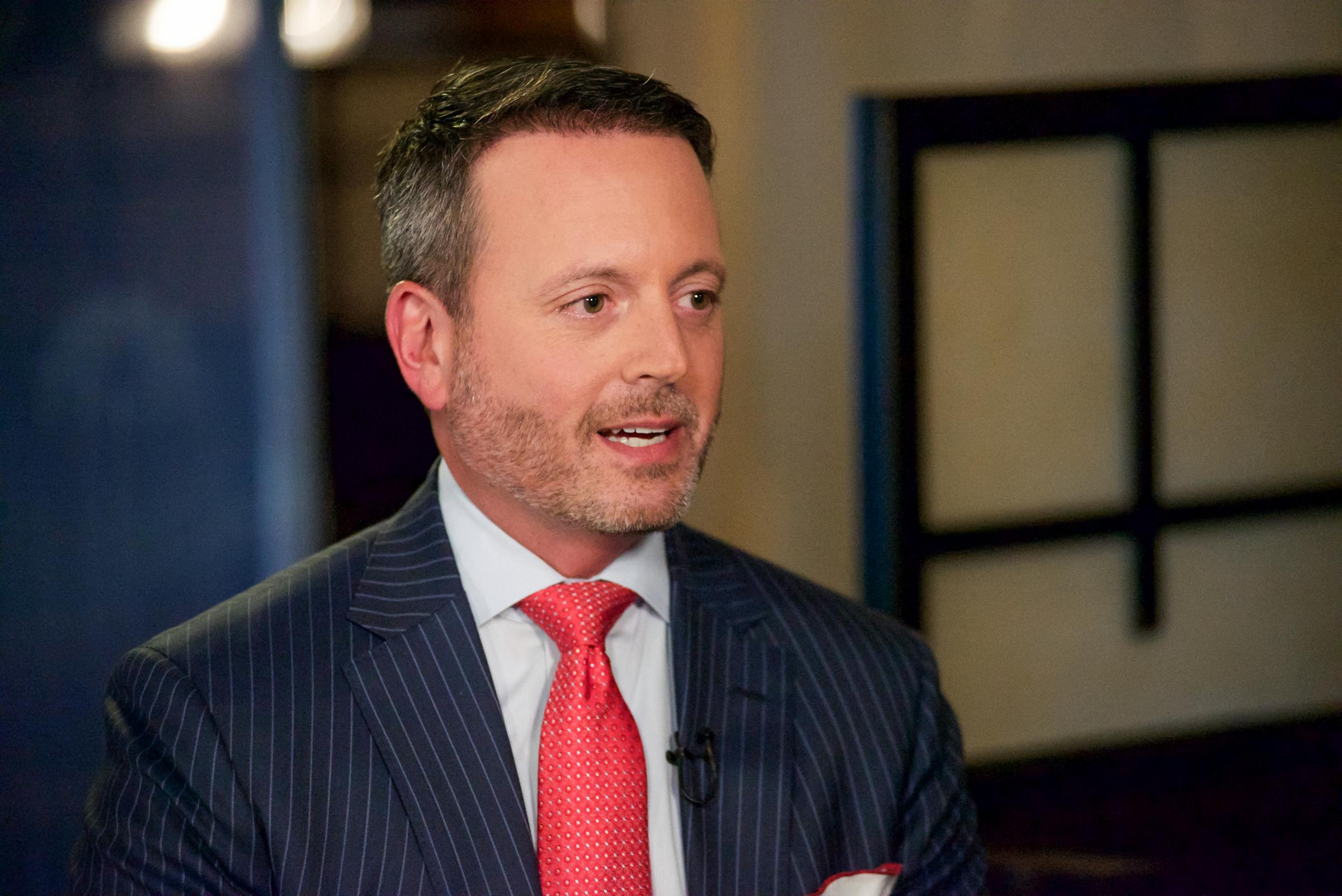
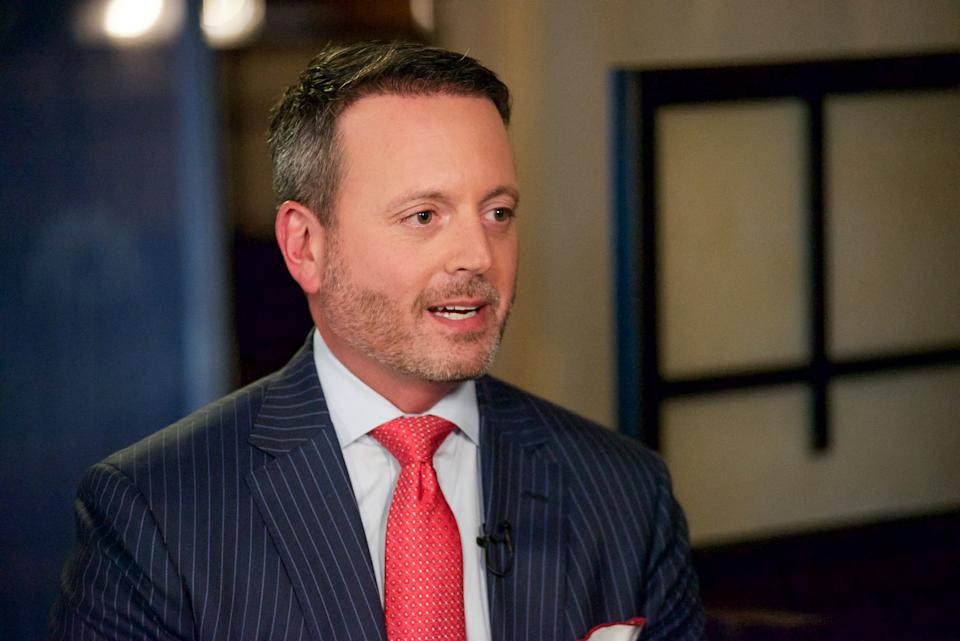
"We have a responsibility as employers, as leaders, to equip our colleagues with all the tools necessary to thrive in an AI environment," Saunders told Yahoo Finance's Opening Bid, noting that the company is curating specific Coursera tracks by job type.

The CEO added that the AI training prerequisite is mandatory as the company aims to ensure "we invest in our colleagues to not only upskill them, but also learn how to apply it."

The eye-care giant's shares slipped 2% following the company's fourth quarter results. The stock has risen 6% over the past year, underperforming the S&P 500's (^GSPC) 13% rise and remaining a show-me stock for the Street.

The company reported Q4 revenue of $1.4 billion, up 10% year over year and beating forecasts of $1.38 billion, according to Bloomberg data. Adjusted EPS notched $0.32, missing consensus estimates of $0.36. Full-year revenue came in at $5.1 billion.

The outlook remains cautious. For 2026, the company has guided revenue between $5.375 billion and $5.475 billion.

The modest guidance is why the move to tie AI literacy to paychecks adds a potential efficiency upside that the Street has yet to price in. If the "bottom-up" ideas Saunders expects end up materializing, it could streamline a legacy business.

For a company like Bausch + Lomb, which is still navigating a significant debt load and finding its footing after its 2022 spin-off from Bausch Health, there is little room for execution risks. For investors, questions remain as to whether this is a genuine attempt to modernize a 170-year-old company or simply a case of AI-washing to keep the stock relevant.

Saunders argues it is the former, comparing the current moment to the dawn of the internet or the mobile phone. "AI is probably one of the most consequential technologies of our lifetime," he said, adding that he believes AI "has the potential to be even more profound."

In Bausch + Lomb's case, by tying bonuses to education, Saunders is essentially legislating the end of resistance. In a piece he penned for Fortune, Saunders wrote that if employees fail to join the digital classroom, they simply won't be eligible for their bonuses. He also noted that employees risk becoming "irrelevant" should they fall short of implementing AI in their career pursuits.

However, investors should be closely watching the "net price" of this initiative. Saunders mentioned that by the end of the year, the goal is to talk more about "affordable medicines for every patient." If AI lowers the R&D or administrative costs required to bring those products to market, the strategy is a win.

But if it results in a workforce that is simply better at writing emails while the 2026 revenue target remains modest, the AI bonus mandate will be seen as a distraction from the fundamental task of debt reduction and market share growth in the premium vision care space.

Francisco Velasquez is a Reporter at Yahoo Finance. Follow him on LinkedIn, X, and Instagram. Story tips? Email him at francisco.velasquez@yahooinc.com.

Click here for the latest stock market news and in-depth analysis, including events that move stocks

Read the latest financial and business news from Yahoo Finance