buzzfeed Press
Mark Your Calendars Now, 'Cause These 7 Celestial Events Are Worth Taking Off Work For
Images
1 / 13
2 / 13

3 / 13

4 / 13
5 / 13
6 / 13
7 / 13
8 / 13
9 / 13
10 / 13
11 / 13
12 / 13

13 / 13
Stop stressing, start stargazing. These are the seven must-see space moments of 2026 that double as much-needed mental health breaks.

Fragrance guru by day, horror enthusiast by night.

Post approved and edited by BuzzFeed Community Team

This is a rare alignment where six planets — Mercury, Venus, Jupiter, Saturn, Uranus, and Neptune — cluster in the same section of the sky.

How to See: Look toward the western horizon shortly after sunset. Venus and Jupiter will be the brightest stars in the show, while you'll need binoculars or a telescope to spot the shy ones like Neptune.

The Mental Health Excuse: If six entire planets can take the time to align their schedules, you can certainly align yours to include a nap. Use this "parade" as a reason to march straight away from your inbox.

Self-Care Idea: "Internal Alignment" Day. Spend the day doing things that make you feel centered, whether that's a guided meditation, color-coding your bookshelf, or finally deleting those 4,000 unread promotional emails.

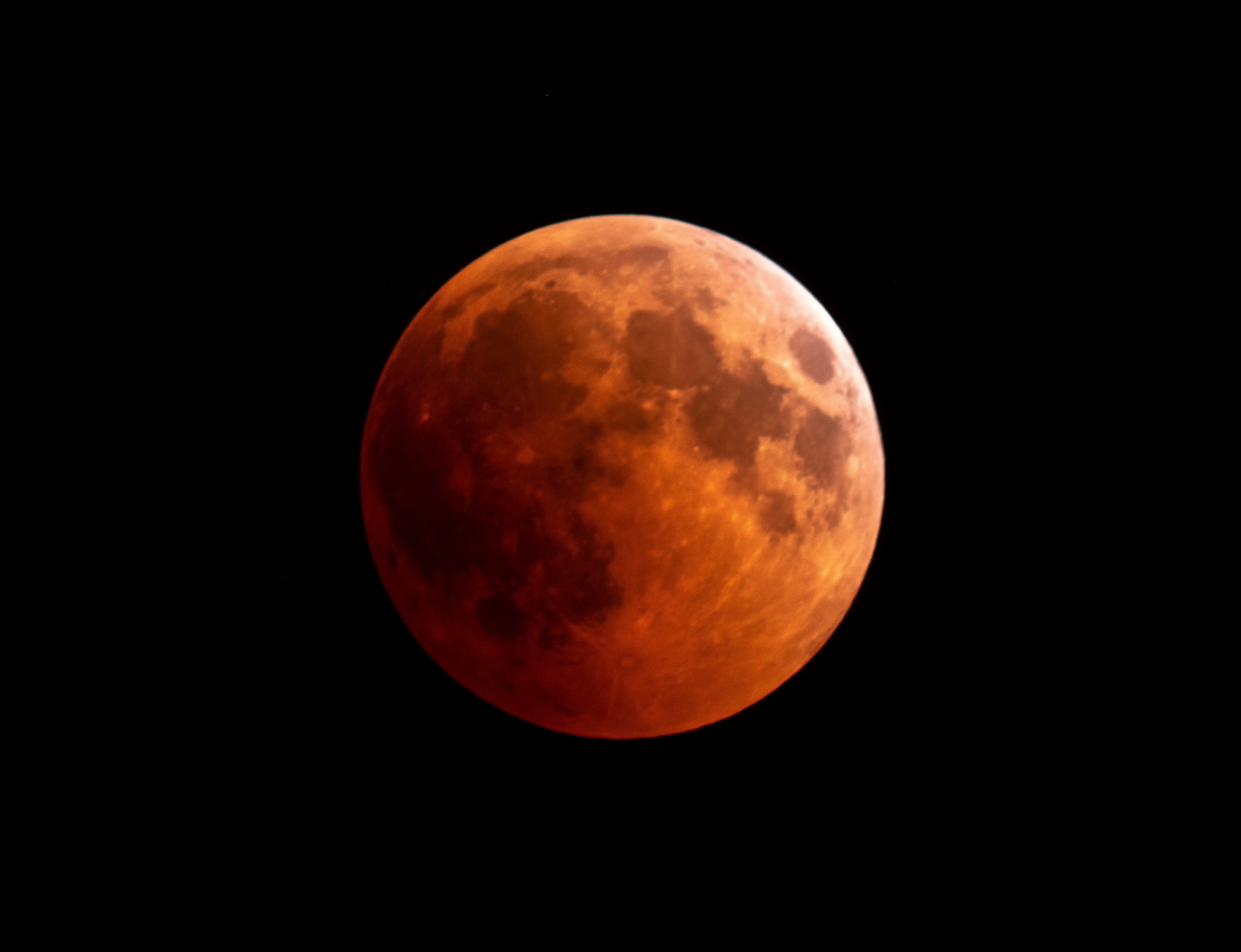
The Earth will pass directly between the sun and the moon, casting a deep, rusty red shadow over the lunar surface.

How to See: This will be visible across most of the Americas, Eastern Asia, and Australia. Unlike a solar eclipse, you can look at this with the naked eye!

The Mental Health Excuse: The moon is literally going into "Do Not Disturb" mode by hiding in the Earth's shadow. It's the ultimate celestial "incognito mode."

Self-Care Idea: Shadow work and spa time. Take a long bath or shower with red bath bombs or hibiscus tea to match the moon's hue. It's a great day for journaling or reflecting on aspects of your life you've been overshadowing.

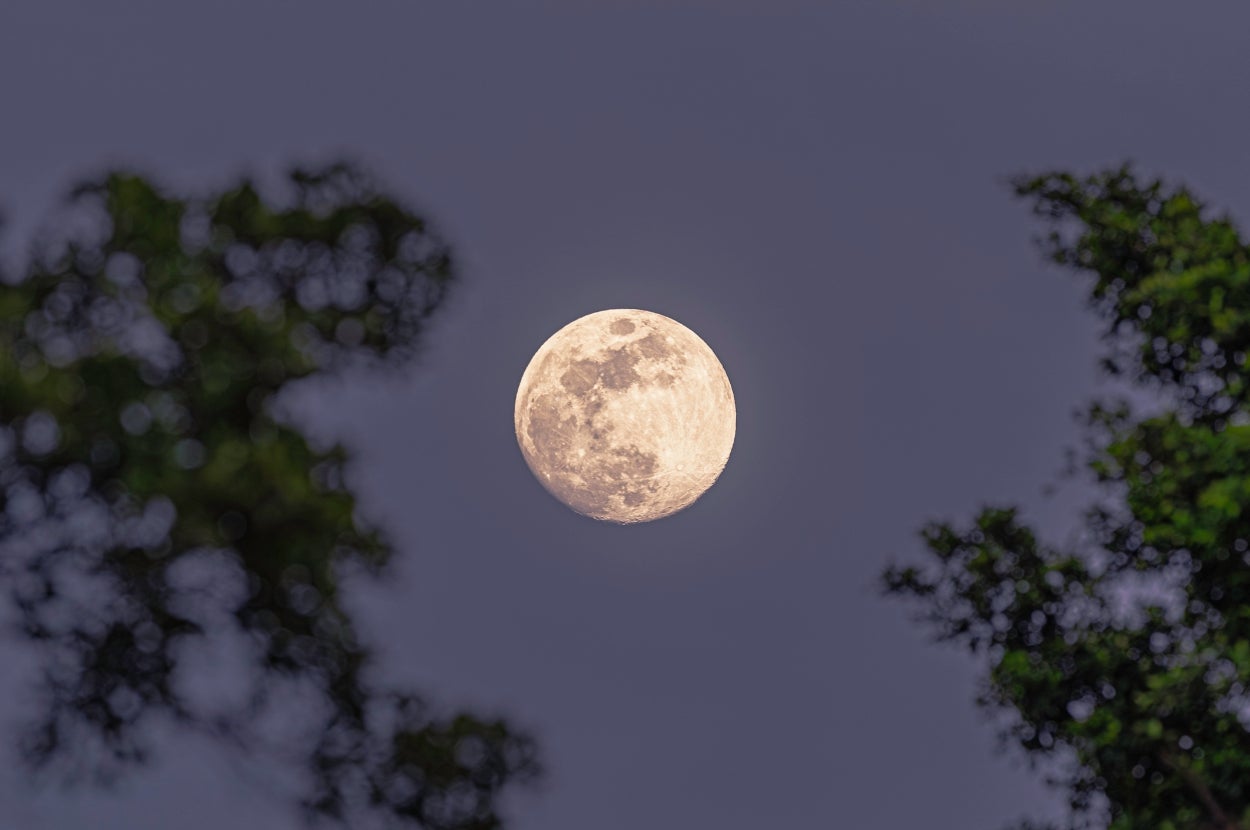
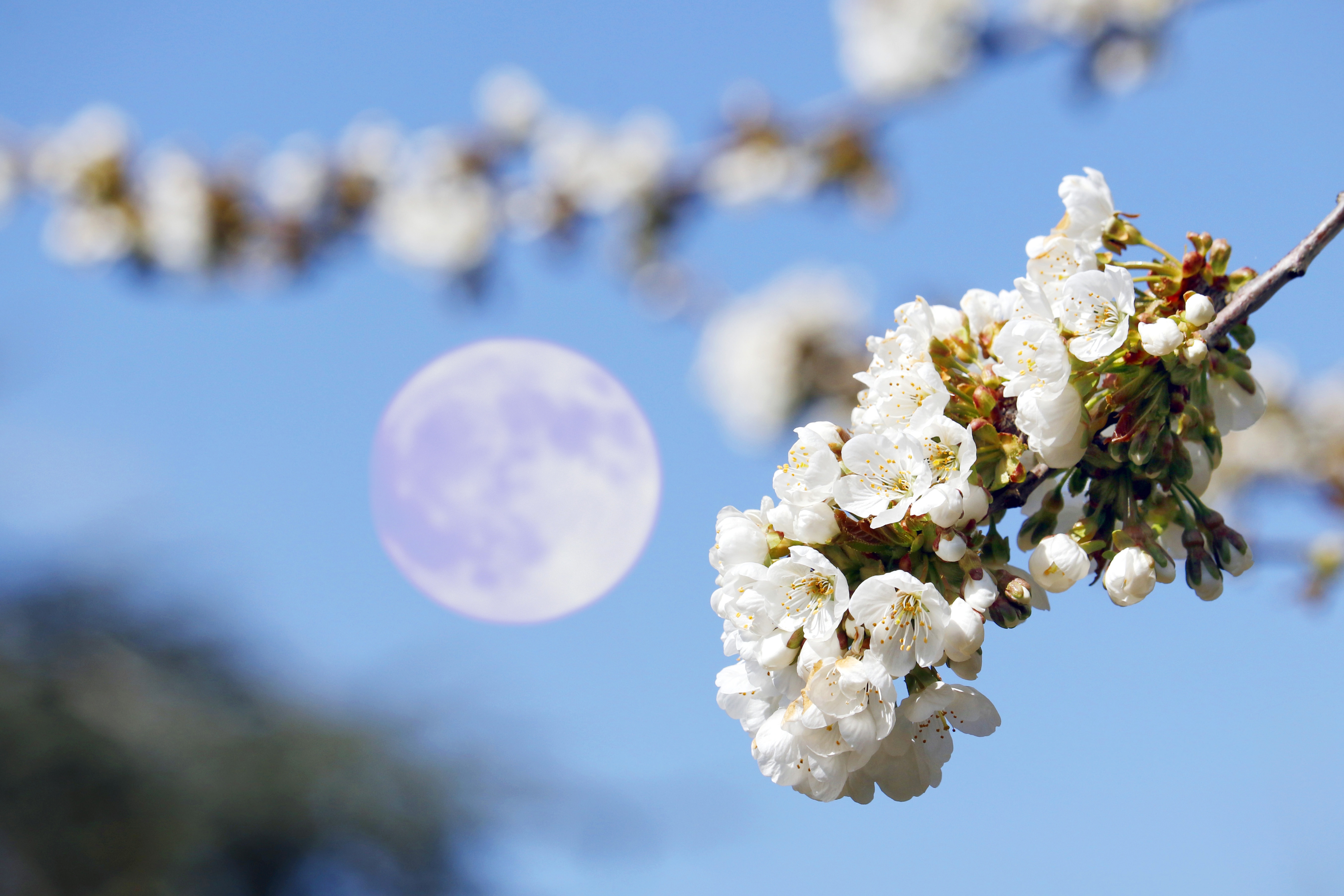
This is the second full moon in a single calendar month (the "blue" moon). It's also a micromoon, meaning it's at its farthest point from Earth, making it look slightly smaller than usual.

How to See: Look up anywhere with a clear sky! It won't actually be blue, but it will be a crisp, tiny-looking pearl in the night sky.

The Mental Health Excuse: Since this happens "once in a blue moon," it's the perfect time to do that one self-care thing you always promise to do but never actually do.

Self-Care Idea: The "rare treat" day. Go to that expensive bakery, buy the fancy face mask, or spend three hours playing a video game. It's a rare moon; you deserve a rare indulgence.

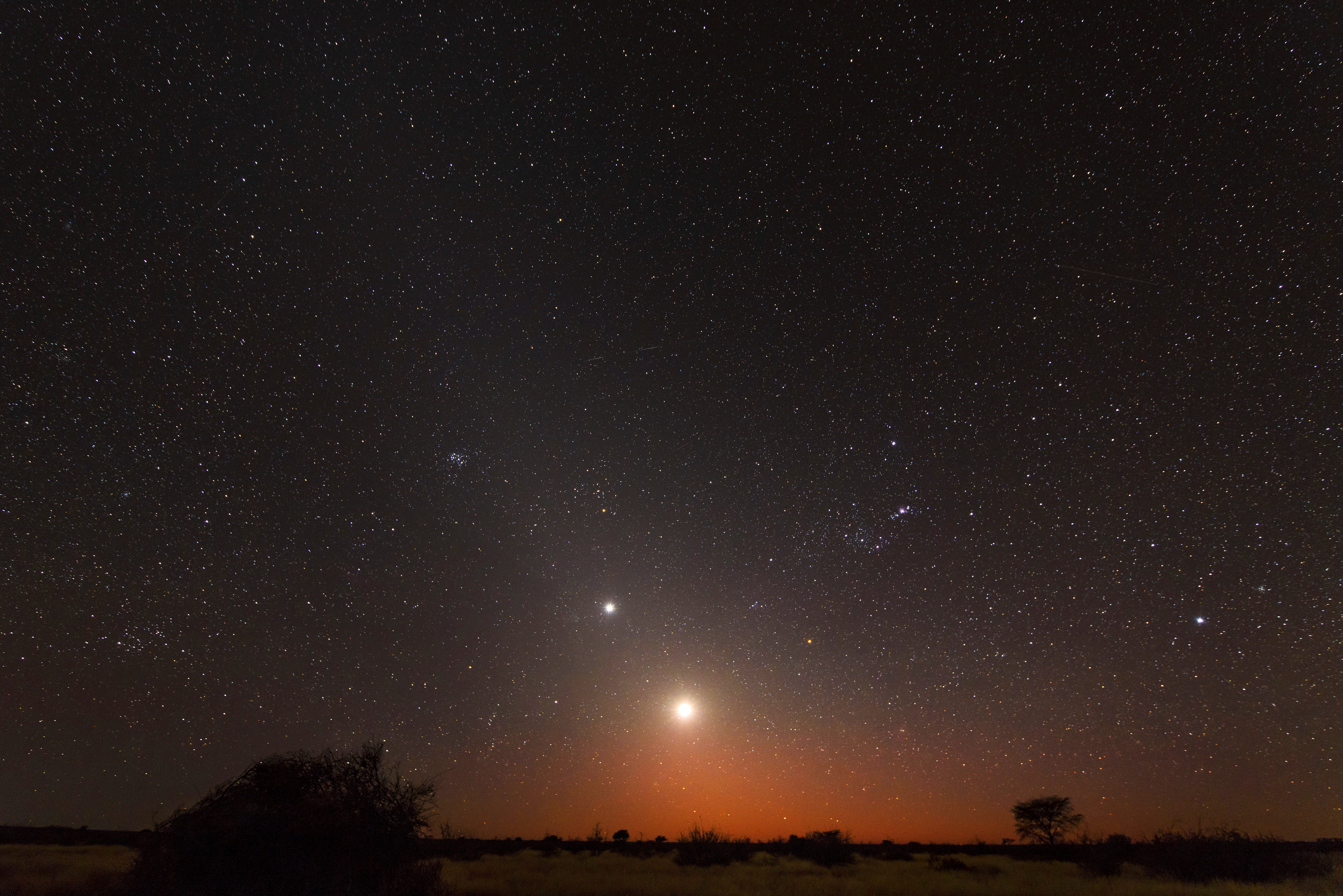
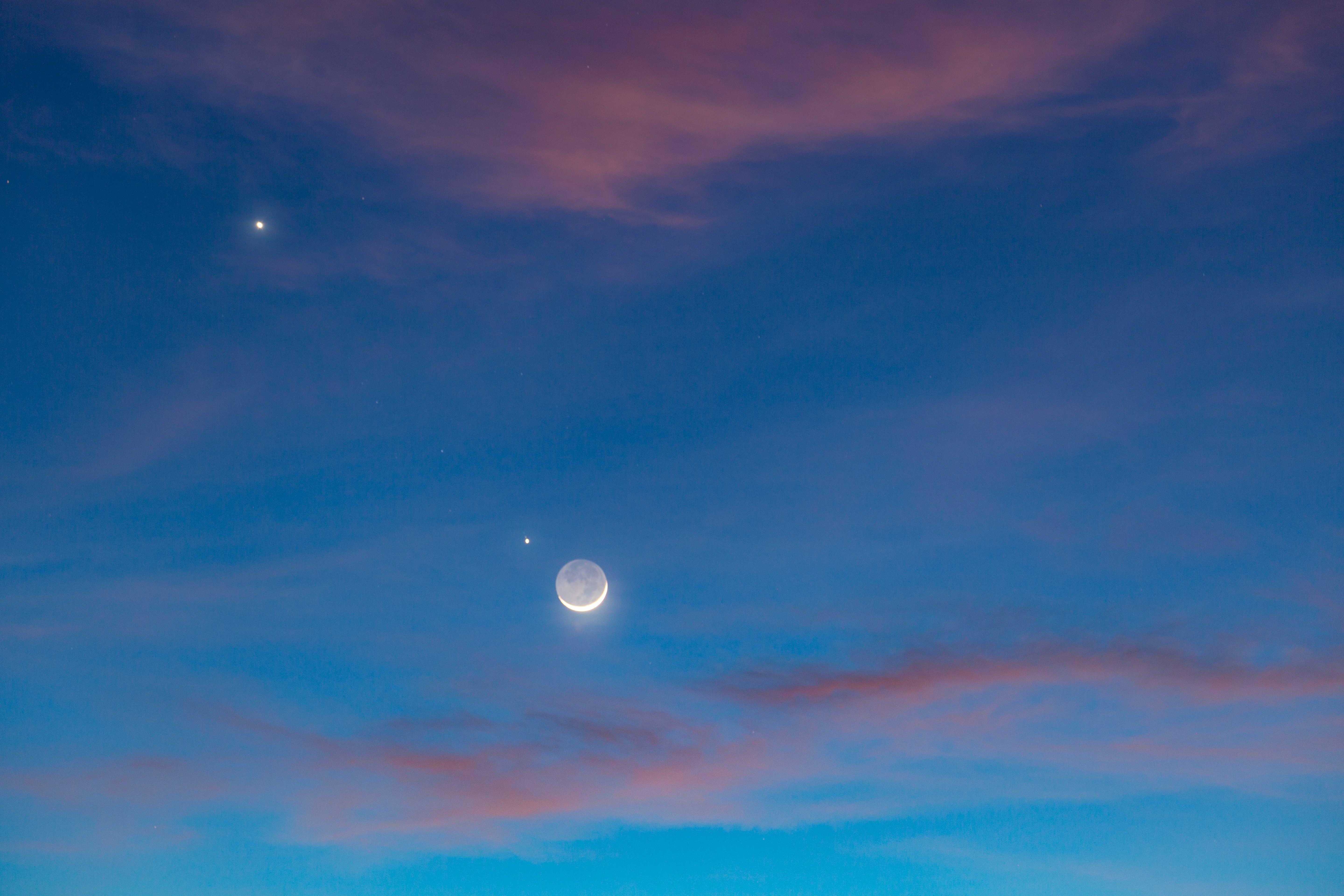
The two brightest planets in our sky will appear to almost touch, creating a "double planet" effect in the evening twilight.

How to See: Look west-northwest about 45 minutes after sunset. They'll be so close you might think you're seeing a UFO (you aren't, it's just cosmic chemistry).

The Mental Health Excuse: Even these two planets of the solar system need a buddy system. This is your excuse to take a "friendship mental health day."

Self-Care Idea: Connection over consumption. Put the phone on silent and go for a walk with your best friend or a sibling. Grab a coffee and talk about everything except work.

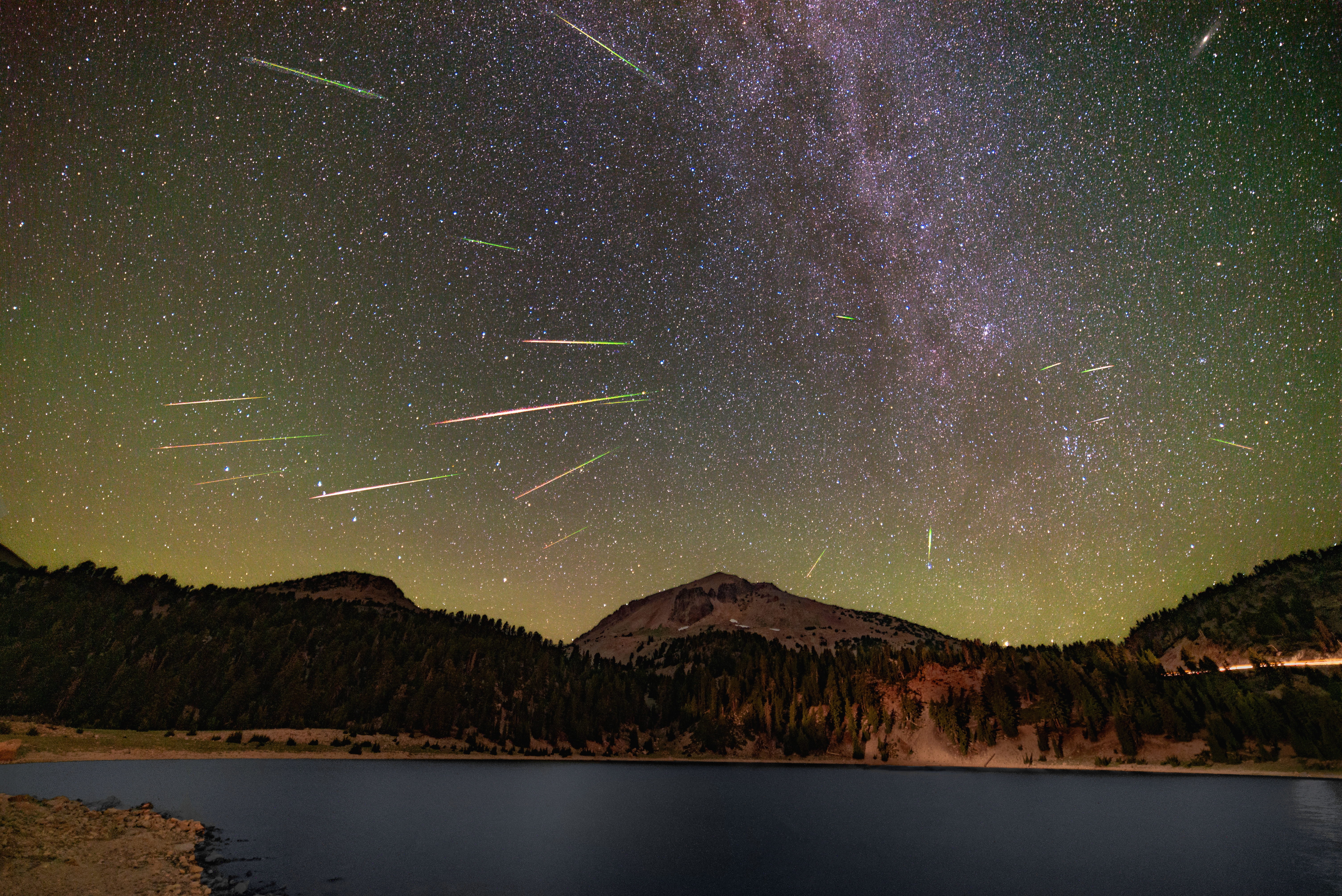
Often called the "Old Faithful" of meteor showers, the Perseids can produce up to 100 "shooting stars" per hour. 2026 is a great year for it because of the new moon on August 12.

How to See: Get away from city lights, lie on a blanket, and look up after midnight.

The Mental Health Excuse: You need to be well-rested to catch the "fireballs." You can't be expected to work when there's literally debris from Comet Swift-Tuttle raining down on the atmosphere.

Self-Care Idea: Midnight picnic. Pack a bag of snacks and a heavy blanket, then drive to a dark park or field. Lying flat on your back and realizing how small we are is the best way to shrink your "to-do list" anxiety.

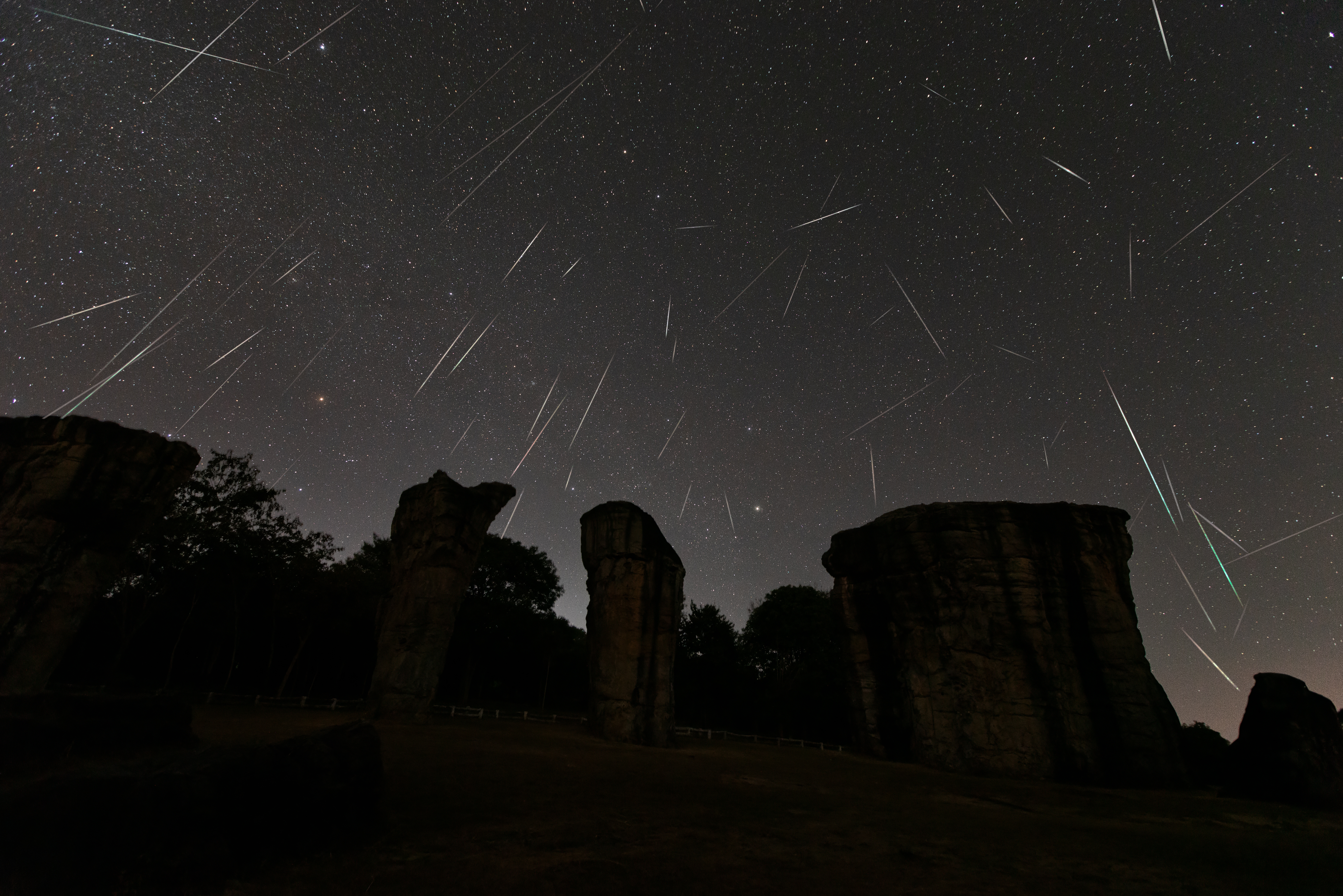
Known for being bright and often colorful, the Geminids are the most reliable shower of the winter.

How to See: These start appearing earlier in the evening (around 9:00 or 10:00 p.m.), so you don't have to be a total night owl to see them.

The Mental Health Excuse: It's mid-December. The "holiday scaries" are real. The Geminids are nature's glitter; use them as an excuse to stop the holiday hustle for 24 hours.

Self-Care Idea: The "cozycore" day. Stay in your pajamas all day. Weighted blankets, hot cocoa with extra marshmallows, and watching the meteors from a window (or a quick porch trip) is the vibe.

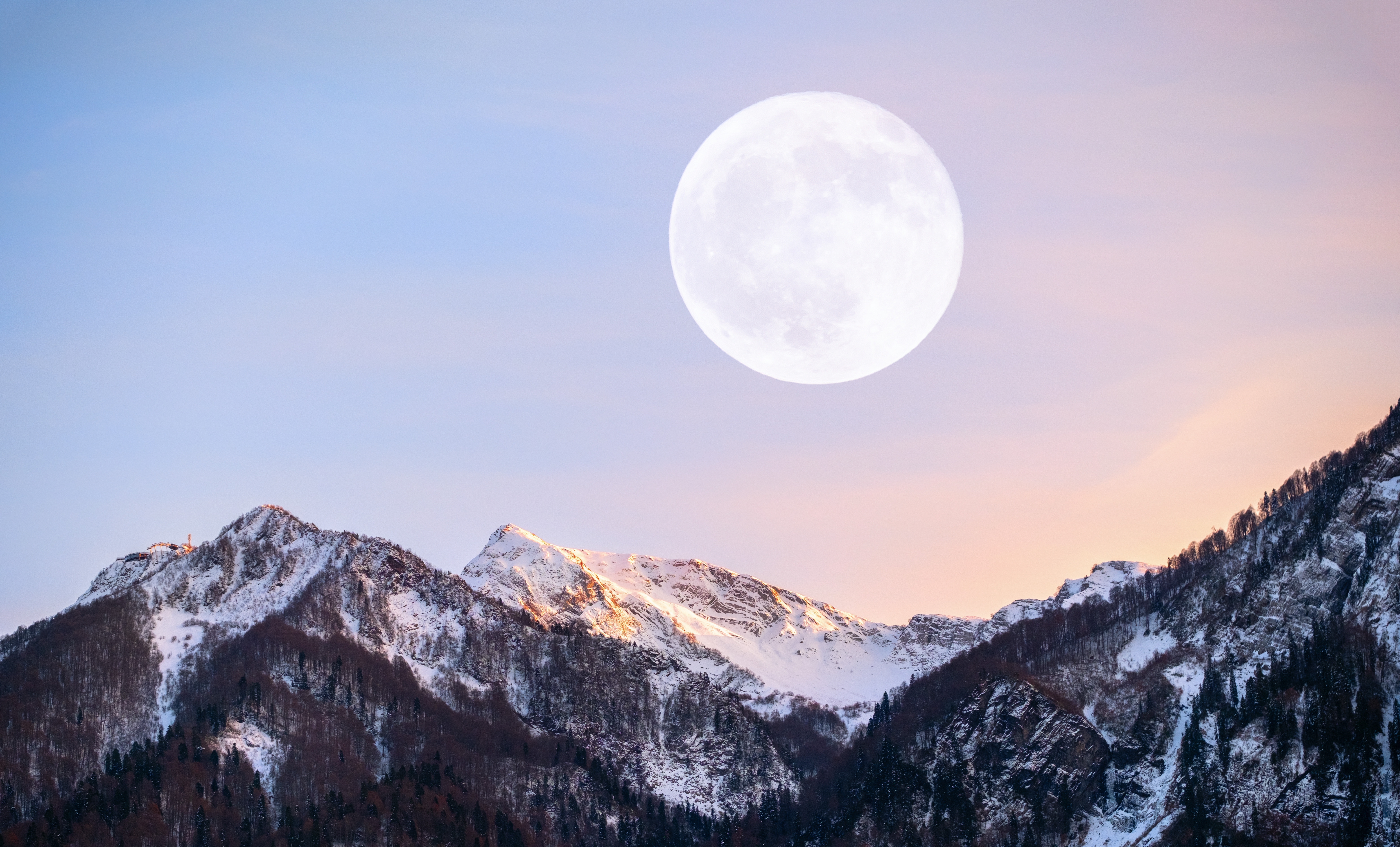
The year ends with a bang — a full moon that occurs when the moon is at its closest point to Earth (perigee). It will look roughly 14% larger and 30% brighter than the micromoon in May.

How to See: It will be impossible to miss. It will rise in the east as the sun sets in the west.

The Mental Health Excuse: It's a supermoon on Christmas Eve. The main character energy is off the charts. If you need to skip the stressful family party or take a breather from the social pressure, blame the moon's gravity.

Self-Care Idea: The Great Reflection. Take a "super" walk under the moonlight. Use the extra brightness to reflect on your biggest wins of 2026 before the new year hits.

Want to get your very own quizzes and posts featured on BuzzFeed’s homepage and app?