yahoo Press
ICE Agent Stopped for DUI Asks Deputy: 'Are You Haitian?'—Then Things Got Worse
Images
1 / 12
2 / 12

3 / 12

4 / 12
5 / 12
6 / 12

7 / 12

8 / 12

9 / 12

10 / 12

11 / 12

12 / 12
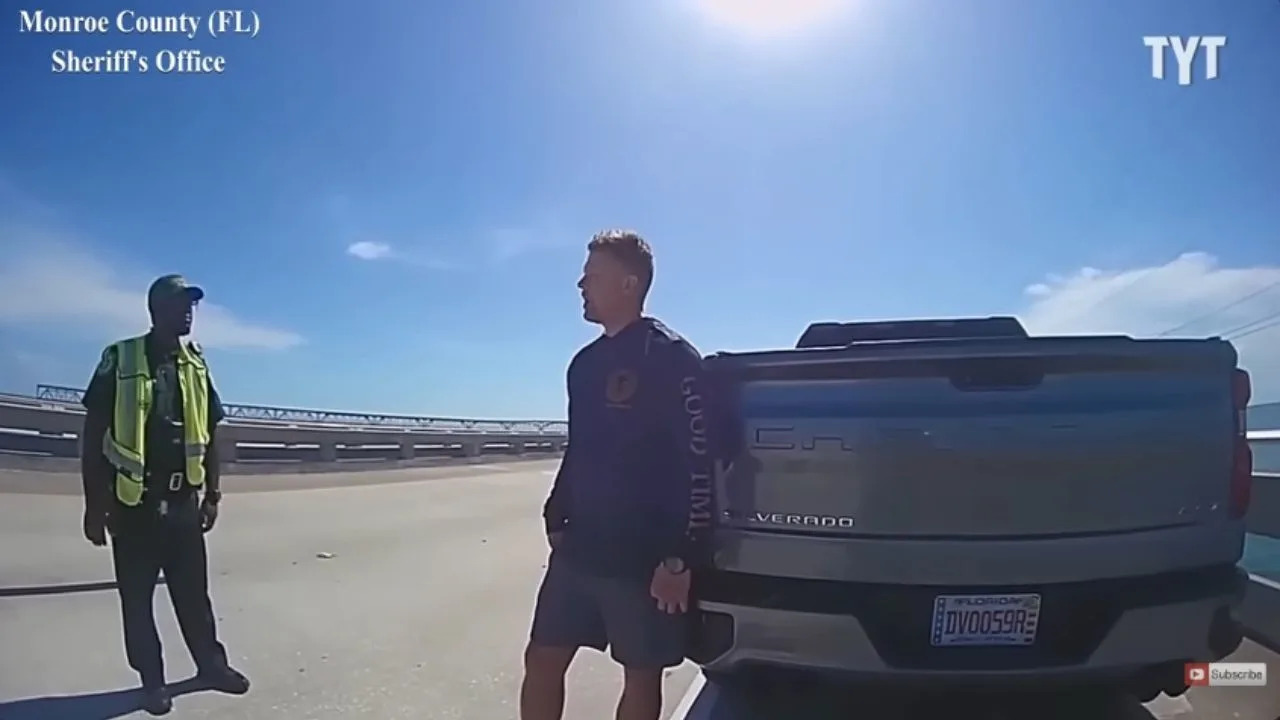
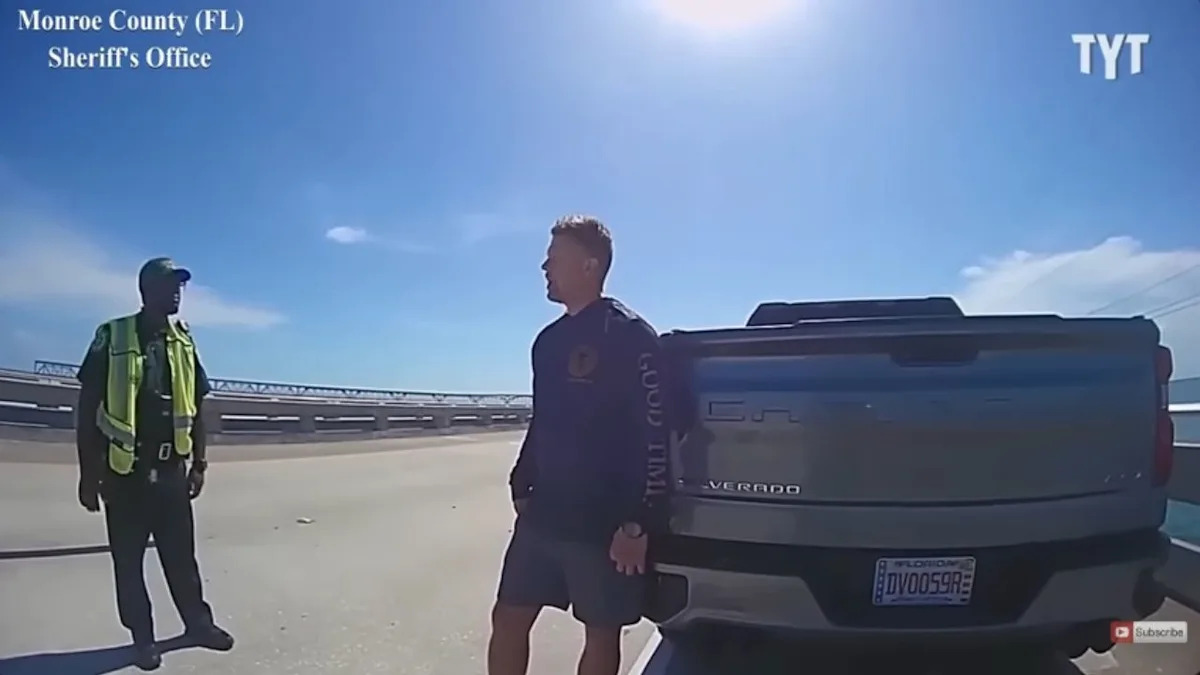
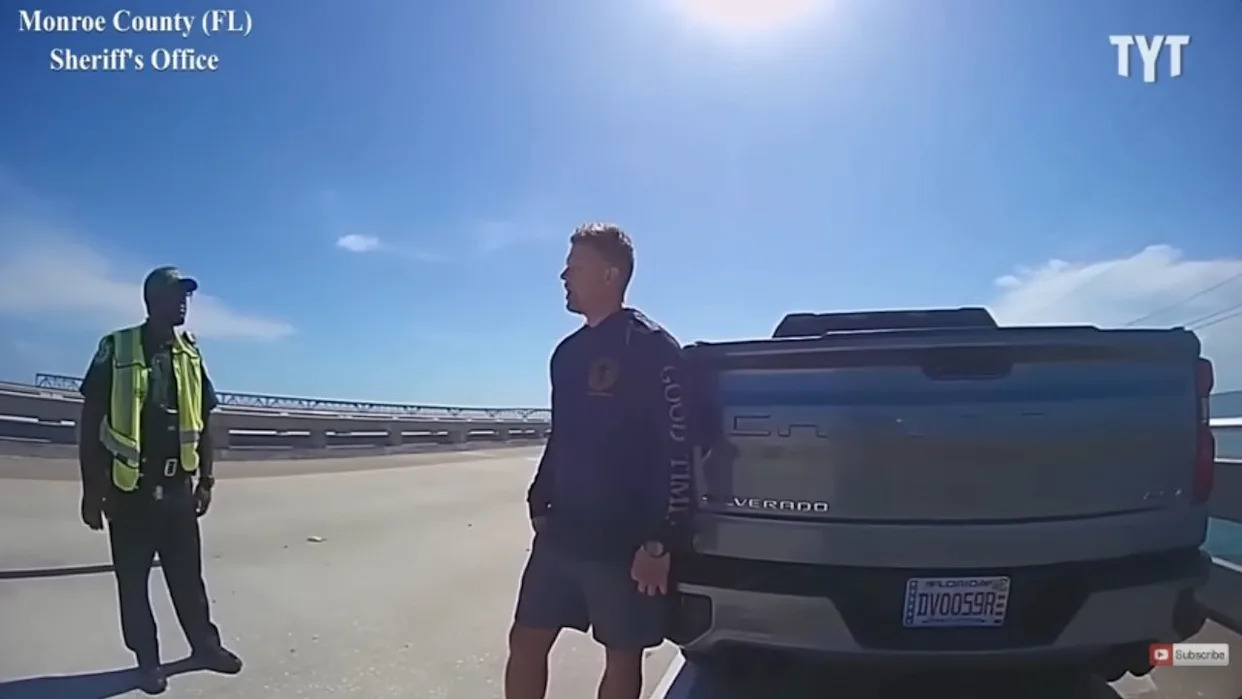
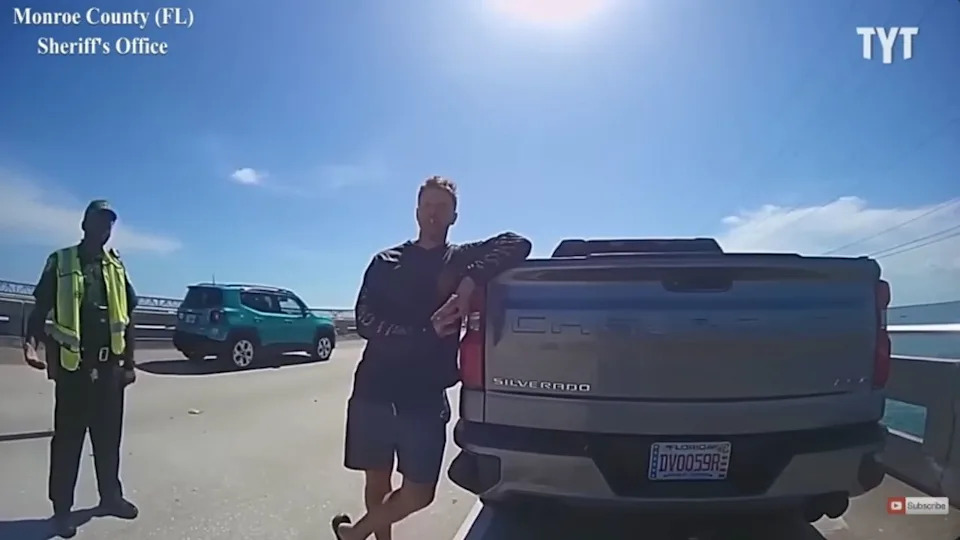
In a scene that feels ripped from a procedural drama, U.S. Immigration and Customs Enforcement agent Scott Thomas Deiseroth, 42, was pulled off a Florida Keys highway in August 2025 after deputies say he was driving erratically on the Seven Mile Bridge with his two young sons in the truck — and body-camera footage reveals a confrontation that spiraled from a simple DUI stop into a forceful arrest and a viral controversy.

Deputies from the Monroe County Sheriff’s Office were dispatched around 3:24 p.m. on August 13 after multiple calls reported a pickup weaving between lanes, crossing into oncoming traffic, and nearly causing collisions on U.S. Highway 1 near Bahia Honda.

When deputies caught up to the truck near Mile Marker 36.5, they immediately noticed a strong smell of alcohol and two children, ages 7 and 9, in the back seat.

The encounter was already tense from the first words captured on bodycam. Deiseroth identified himself as an ICE agent based in Miami, insisting he was trying to get home with his boys and that his federal status mattered in how the deputies should treat him. When asked for his Department of Homeland Security credentials, he didn’t have them on hand.

Things escalated when deputies asked him to perform standardized field sobriety exercises. In the footage, Deiseroth repeatedly challenges the stop, asking “Are you Haitian?” about one of the deputies — a moment that has since become the focal point of national attention on race, privilege, and bias.

Deputies insist that nationality has no bearing on the stop being conducted, but Deiseroth presses the question several times, appearing to imply that the deputy’s background should influence how the situation is handled.

The video shows Deiseroth struggling with basic coordination tasks like walking in a straight line and reciting numbers. At one point he flails and stumbles, prompting deputies to question how much he has been drinking.

He claims “about four drinks,” but cannot clearly describe what he drank, and his speech and motor skills appear impaired.

When deputies move to place him under arrest for DUI and child endangerment — a charge bolstered by the presence of his children in the vehicle — Deiseroth resists, at times refusing to step toward the patrol car and shouting at them.

He expresses fear of losing custody of his kids, saying he is in the middle of a divorce, and continues to rail against the officers even while being handcuffed.

After the arrest, his children were handed over to their mother, and the Florida Department of Children and Families was notified, as required in cases involving potential child endangerment. Deiseroth was booked into the Monroe County Jail on misdemeanor charges of driving under the influence and resisting without violence.

The case drew national headlines not just for the surreal body-cam footage, but for the questions it raised about accountability and privilege when a federal law enforcement officer becomes the suspect.

A spokesperson for ICE reportedly said that all employees are held to the agency’s highest standards, and that the matter would be addressed appropriately after investigation. At the time the footage was released, Deiseroth remained on administrative leave pending the outcome of that review.

In late 2025, Deiseroth pleaded no contest to the DUI charge. On October 30, he was sentenced to one year of probation and had his driver’s license revoked for the same period.

Prosecutors declined to pursue child neglect and resisting arrest charges. That decision elicited sharp criticism from some legal observers and social commentators. But that’s not all.

By early 2026, Deiseroth’s defense team filed a motion asking a judge to end his probation early, noting that he had complied with all conditions and had participated voluntarily in substance-abuse treatment through Veterans Affairs programs. A ruling on that motion had not been issued as of mid-January.


Meanwhile, the body-cam clip continues to circulate widely, igniting debate about how law enforcement is held to account and becoming another chapter in broader discussions about ICE conduct, racial profiling, and public trust in policing agencies.

Editorial Note: Video playback may be limited or restricted on certain platforms. If you are unable to watch the video here, please visit our main website and search for the article’s title, where full playback will be available.

Sources: WPEC, NBC 6 South Florida, Florida Keys Weekly Newspapers

Read More

These are the Best Cars to Buy in 2026, According to Consumer Reports

Sorta Forgotten Gems: Do You Remember These Incredible Cars From the 1960s?