buzzfeed Press
I’ve Competed In The Olympics. Here’s What The Cameras Never Show You.
Images
1 / 20
2 / 20

3 / 20

4 / 20
5 / 20
6 / 20
7 / 20
8 / 20
9 / 20
10 / 20
11 / 20
12 / 20
13 / 20
14 / 20
15 / 20
16 / 20
17 / 20
18 / 20
19 / 20
20 / 20
I have lived in the Olympic Village. I have traded pins with rivals, whispered good luck to competitors, and gone to bed earlier than I ever have in my life...

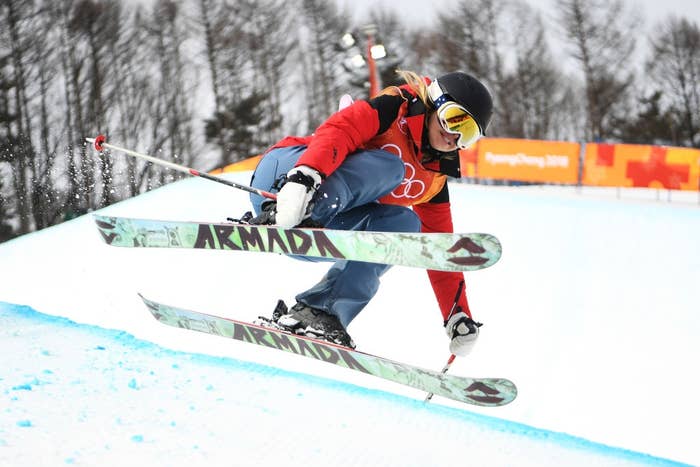
2018 Winter Olympian & Stand-Up Comedian.

From the outside, the Olympics look like a highlight reel, surrounded by flags, fireworks, and podiums. From the inside, it feels more like a temporary city full of exhausted, hopeful, extremely focused humans all trying to get one moment right.

Qualification for the Olympics generally takes 4 years (an Olympic quad) at a minimum, and most athletes go through several Olympic quads before qualifying. While athletes are focusing on performing their best at the Olympics and on representing their country, even being at the Games to begin with feels like a victory, and that feeling resonates throughout the village. This feeling is quite different than the Olympic qualifying competitions leading up to the Games, where the pressure is real.

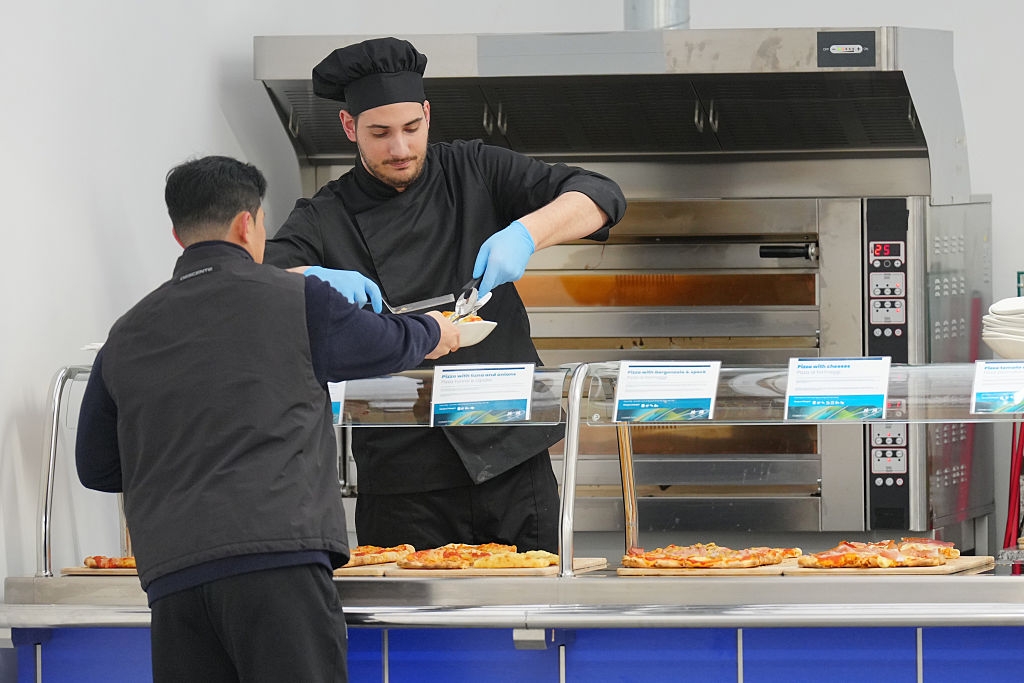
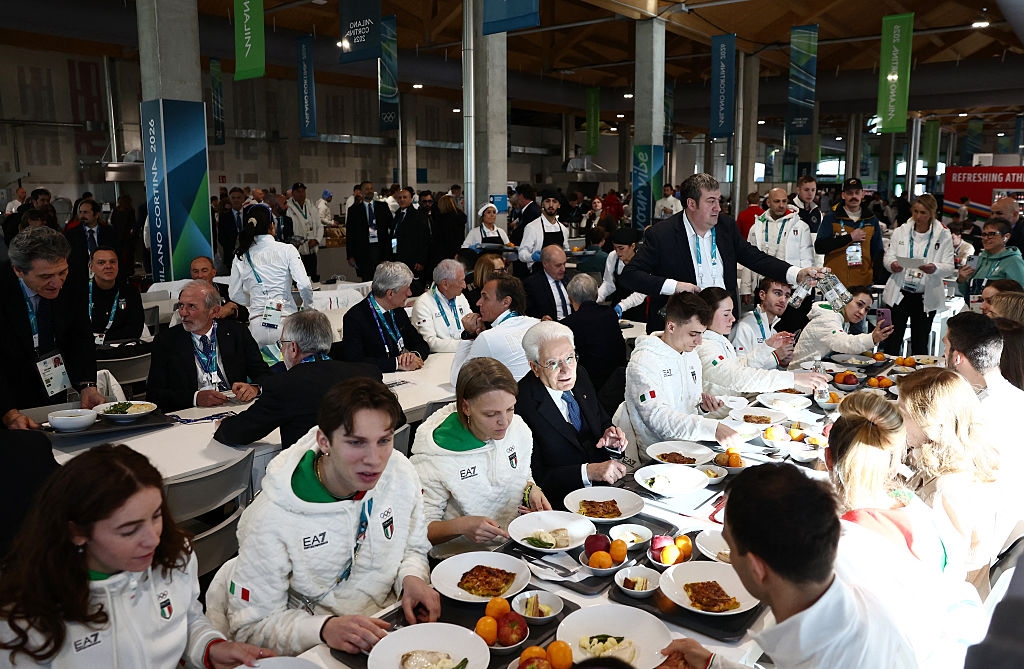
With 24-hour access to dozens of food stations from around the world, the dining hall becomes the unofficial headquarters of the Games. It’s where everyone gathers: medal favorites, first-timers, coaches, country officials, all carrying trays of pasta and other foods.

Most athletes live in their country jackets, so it’s easy to plan a day like: “Breakfast with Team Italy?” or “Lunch with Team Japan?” The flags make the whole place feel like a moving map.

Unless someone is hours away from competing, nearly everyone is open to conversation. It’s a surprisingly warm environment. I’ve had some of the most genuine, cross-cultural conversations of my life while waiting for an omelet.

I honestly wish the rest of the world functioned like the Olympic dining hall: different countries, same room, sharing food and stories.

When I walked past another athlete in the Olympic Village, I could usually tell whether their event is days, hours, or already over.

If it’s days away, they’re relaxed: laughing, lingering in the dining hall, moving easily.If they’re about to compete, they’re quieter. Focused. Internal. Conserving energy.And if they’ve just finished, there’s a visible release: relief, joy, or just stillness.

The cameras show the performance. I see the before and after.

People imagine the Olympic Village as cutthroat or chaotic. My experience was the opposite. It feels open, curious, and surprisingly supportive.

After the media storm around me in 2018, I braced myself to come back to the dining hall. Instead, friends and rivals from skeleton, bobsled, and skiing checked in on me. Athletes from other sports and countries that I had never met before also introduced themselves, asked about my training, traded pins, and treated me like any other competitor. That meant more than people probably realize.

For a few weeks, it honestly felt like the world was working the way it should: different flags, same respect.

I had a freestyle ski coach who said the environment amongst competitors leading up to the Games is like a big basketball team. We train together, are inspired by each other, learn and support each other, but on game day, everyone wants to win.

I’ve noticed this in both freestyle skiing and skeleton. From the outside, it looks like we’re enemies. On paper, we are. We’re fighting for the same spots, the same medals, and more.

But in the Village, that edge softens. We understand what it took for each of us to get there: the early mornings, the injuries, the doubt. That shared experience creates respect, even on the most competitive day.

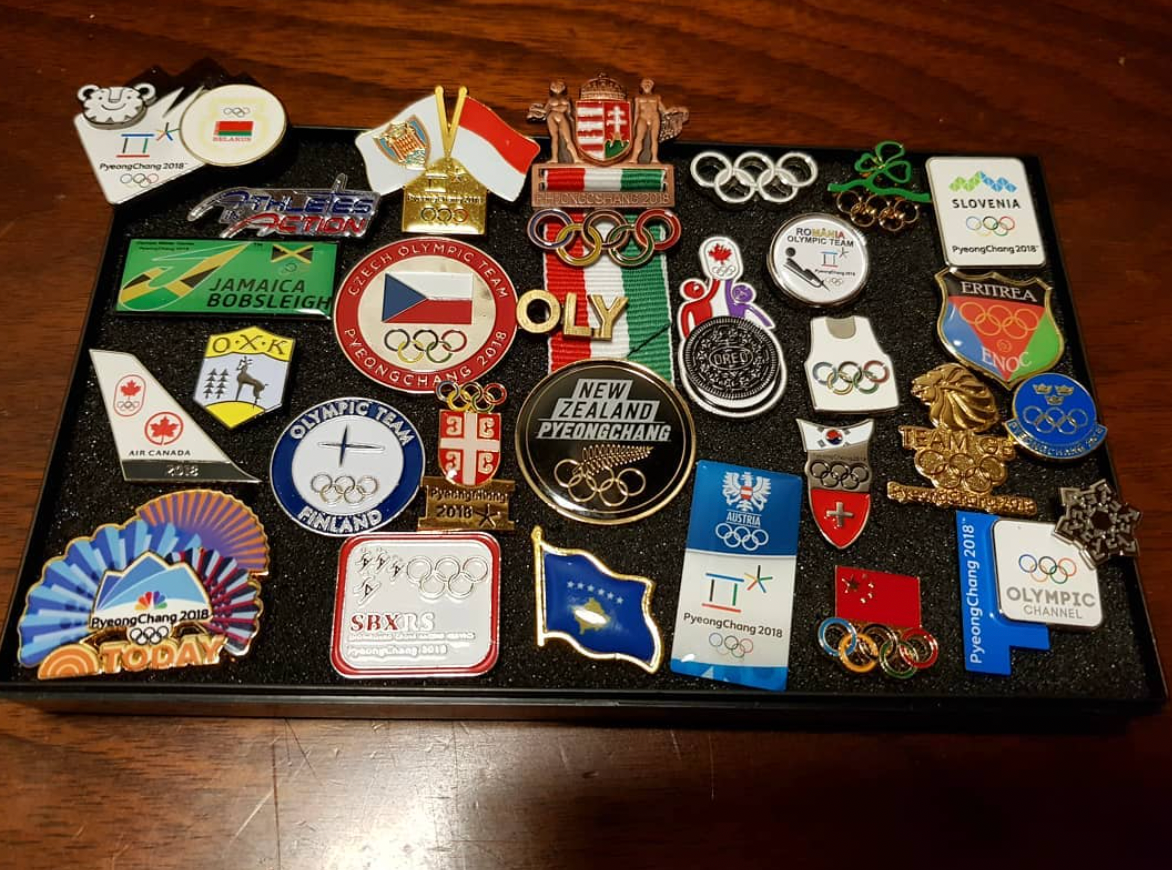
Before arriving at the Olympics, I was given pins by my country’s Olympic Committee to trade. Pin trading is one of the easiest and most genuine ways to meet athletes from around the world. It feels like a tiny cultural exchange in the palm of your hand.

Some athletes, especially those who have been to multiple Games, design and bring their own custom pins. Those are always the most sought after.

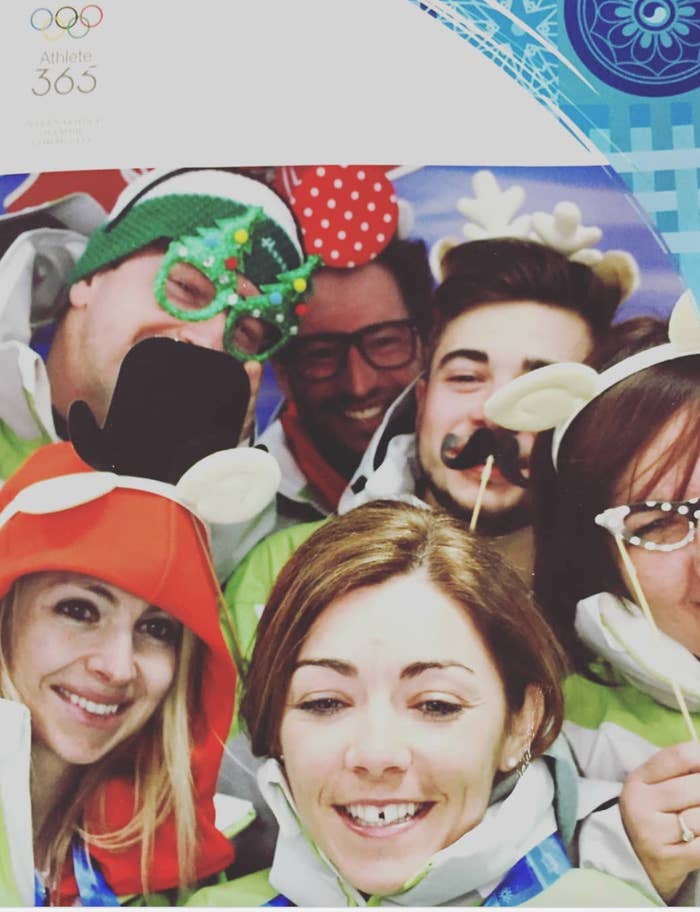
The best time to trade is right before the Opening Ceremony march. We often wait for hours in line, but that downtime becomes part of the experience. Everyone is in full national gear, excited and slightly overwhelmed, and suddenly, you are swapping pins with someone from a country you may have never even visited.

It turns waiting into something memorable.

You can see my 2018 PyeongChang Olympic pin collection above.

Before the Games, the world feels huge. Different continents. Different languages. Different training centers scattered across the globe.

Then you get to the Olympic Village, and suddenly it feels small. You run into someone you met at a competition years ago. You recognize a face from a training run halfway across the globe. World-famous athletes are sitting across from you at dinner.

I’ve experienced this in freestyle skiing and again in skeleton; completely different sports, but somehow overlapping communities. The Olympic movement is massive, yet it keeps circling back to familiar faces.

For a few weeks, the entire world’s elite athletes are basically living in the same neighborhood.

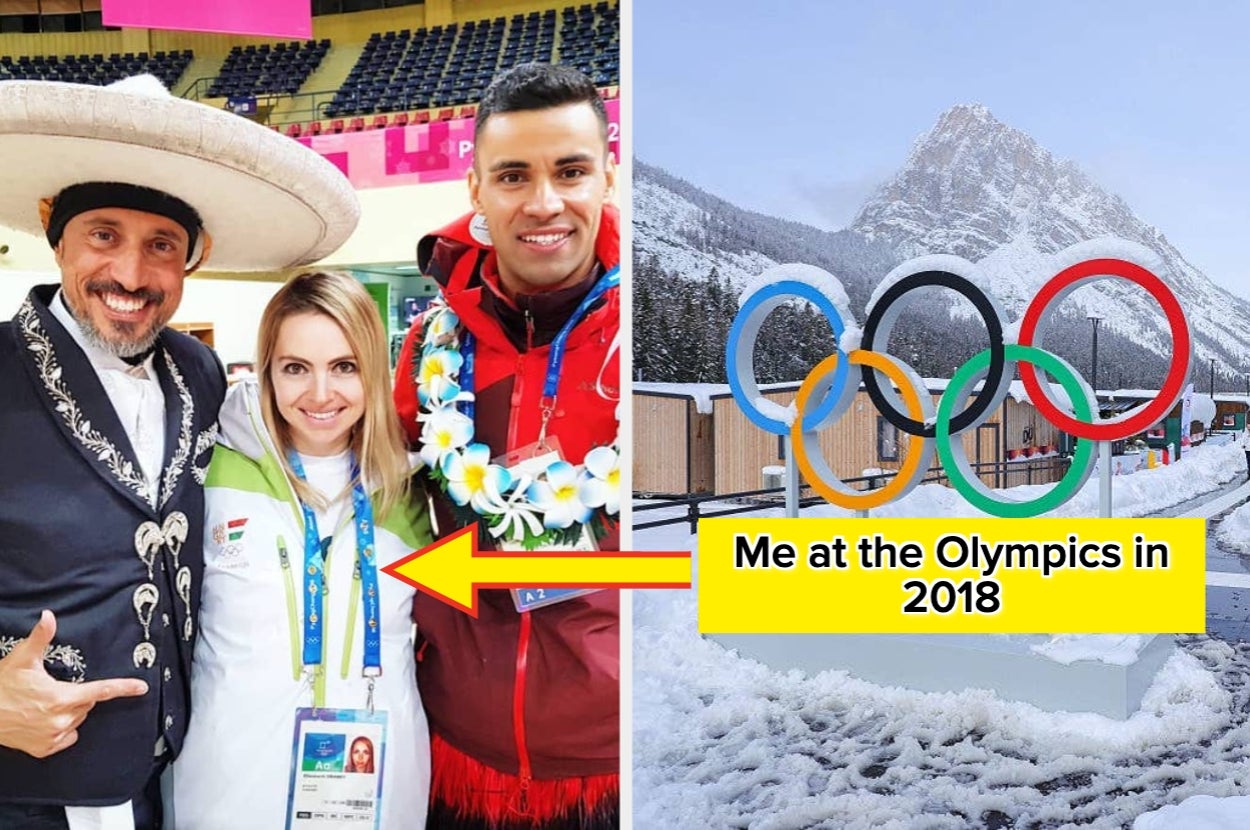
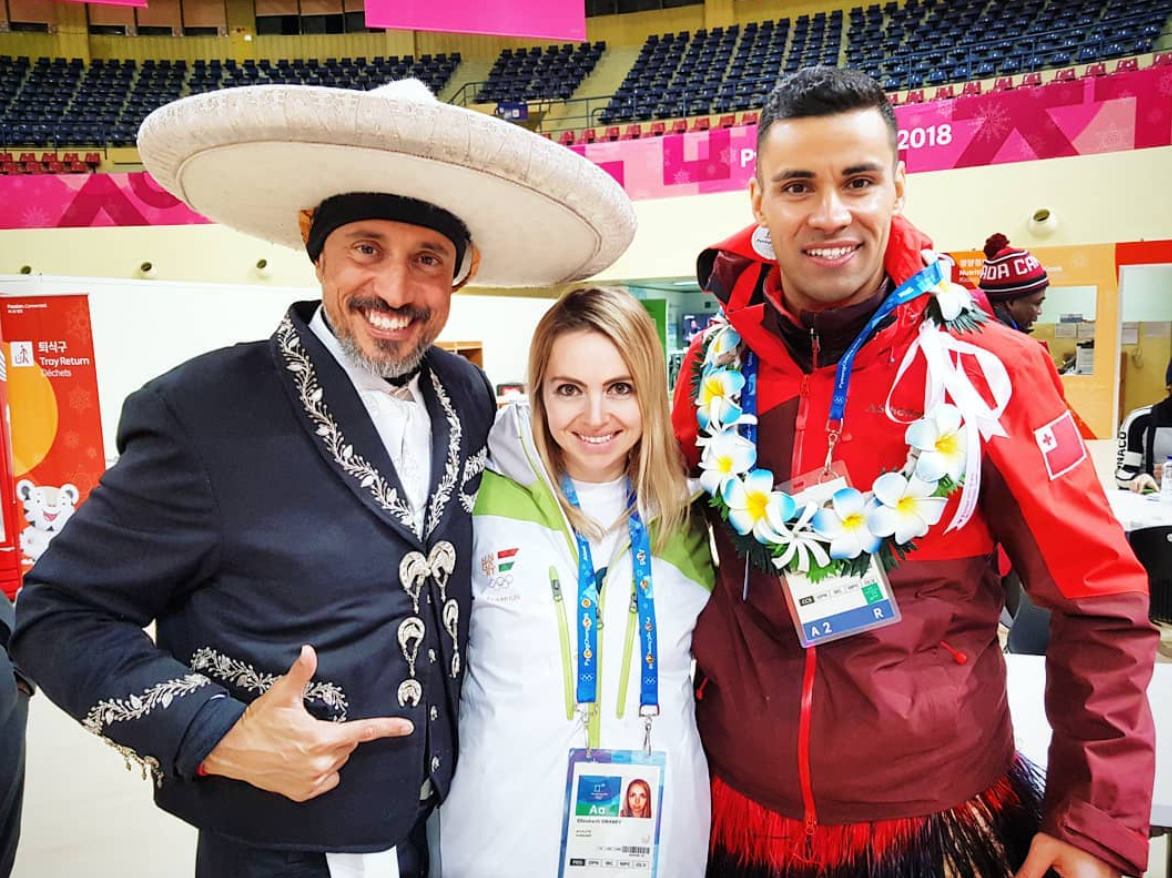
It makes everything feel closer: the competition, the stakes, and the shared experience of being there. Here I am with cross-country skiers Pita Tofua from Tonga and German Madrazo from Mexico.

It doesn’t just take an athlete to make it to the Olympics; it takes coaches, teammates, track workers, ski resort staff, strength trainers, and the people who believe in you on the days you don’t believe in yourself.

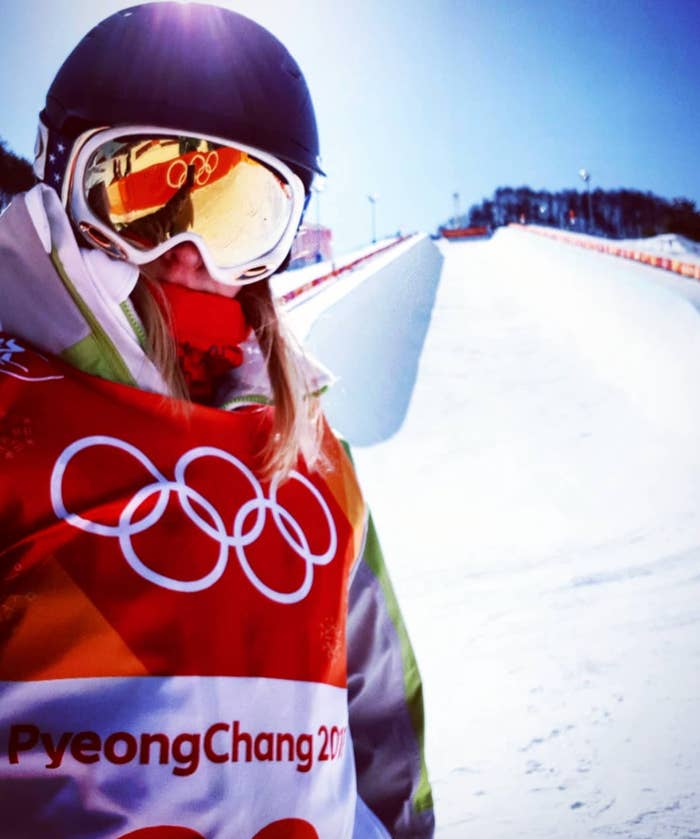
I think about the sliding track crews who prep the ice before sunrise, the resort workers who build the halfpipe in freezing wind, and the teammates who push you in training even when they’re competing for the same spot. Their impact is all over that start line.

The cameras focus on one athlete. I see an entire ecosystem.

I want to be a great performer, and I want athletes around me to do their best so we can all elevate the sport together and inspire others. When the level rises for everyone, the competition becomes stronger, performances improve, and the impact reaches far beyond one start line or one result.

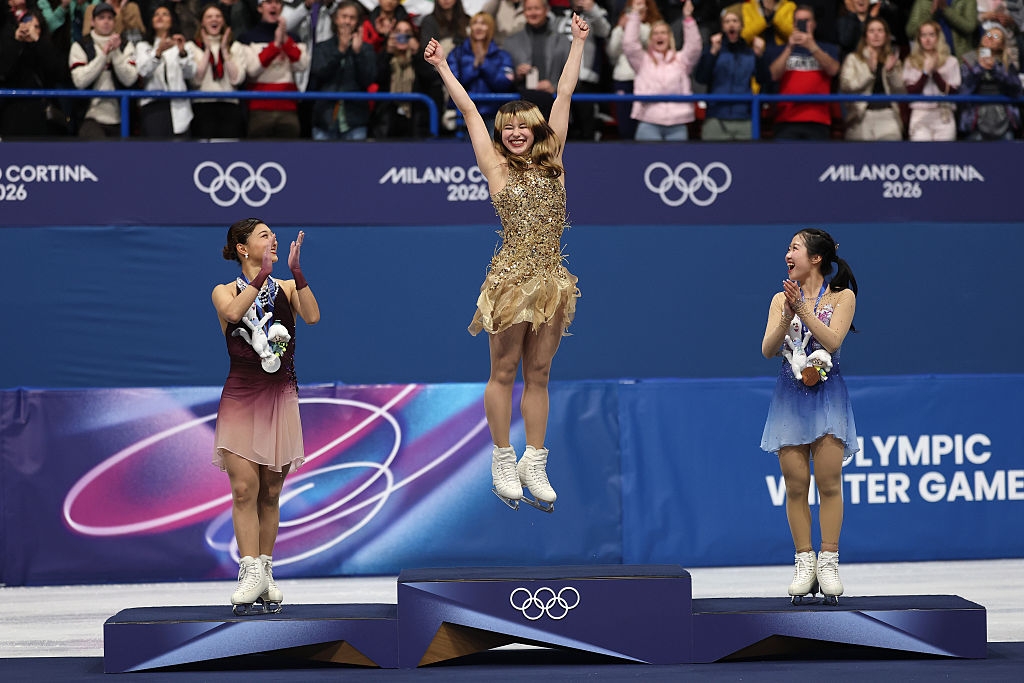
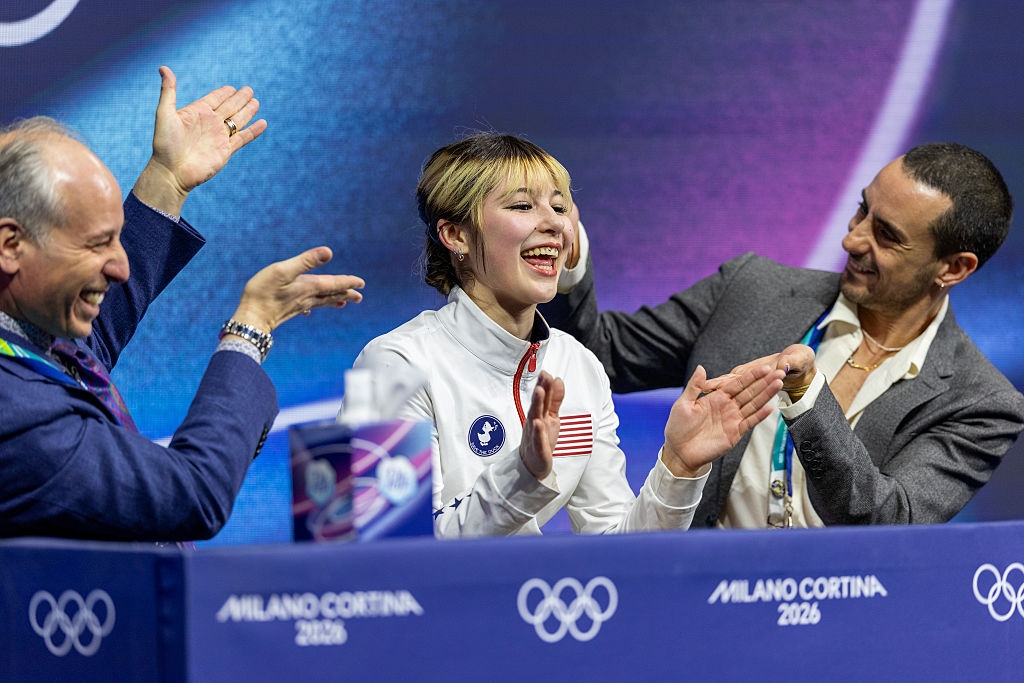
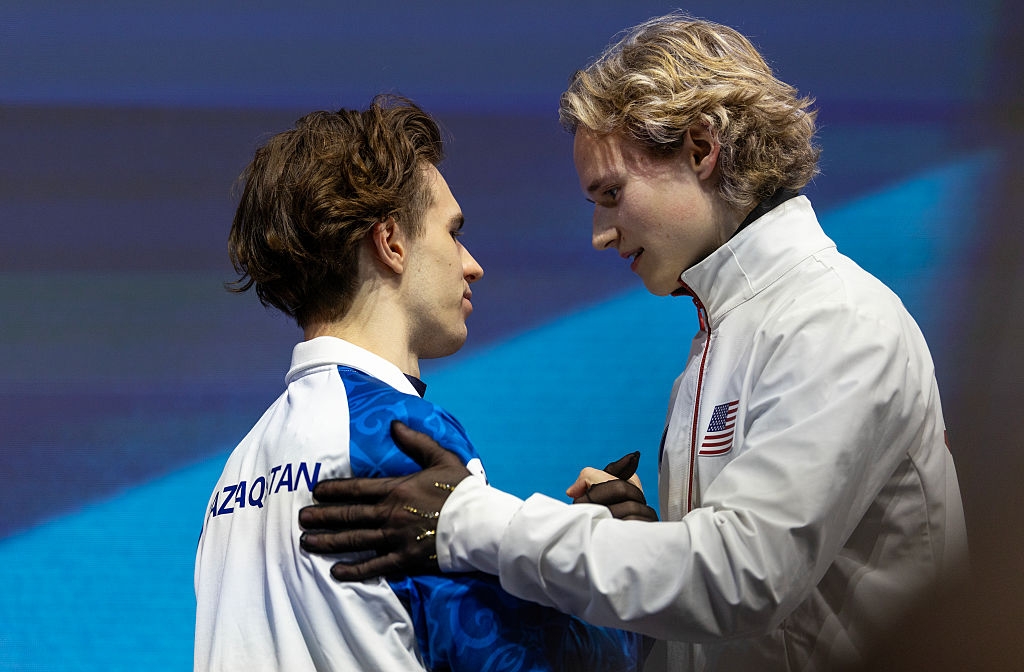
One thing people rarely see is how much athletes genuinely cheer for each other. I have watched medalists turn immediately to hug the very people they just edged out. I have seen gold medal winners embrace bronze medalists before the scores even fully sink in. In men’s and women’s figure skating this year, some of the most powerful moments were not the jumps or the landings, but the hugs right after.

From the outside, it looks like rivalry. From the inside, it feels like shared understanding. We all know what it took to get there. We all know how fragile that moment is.

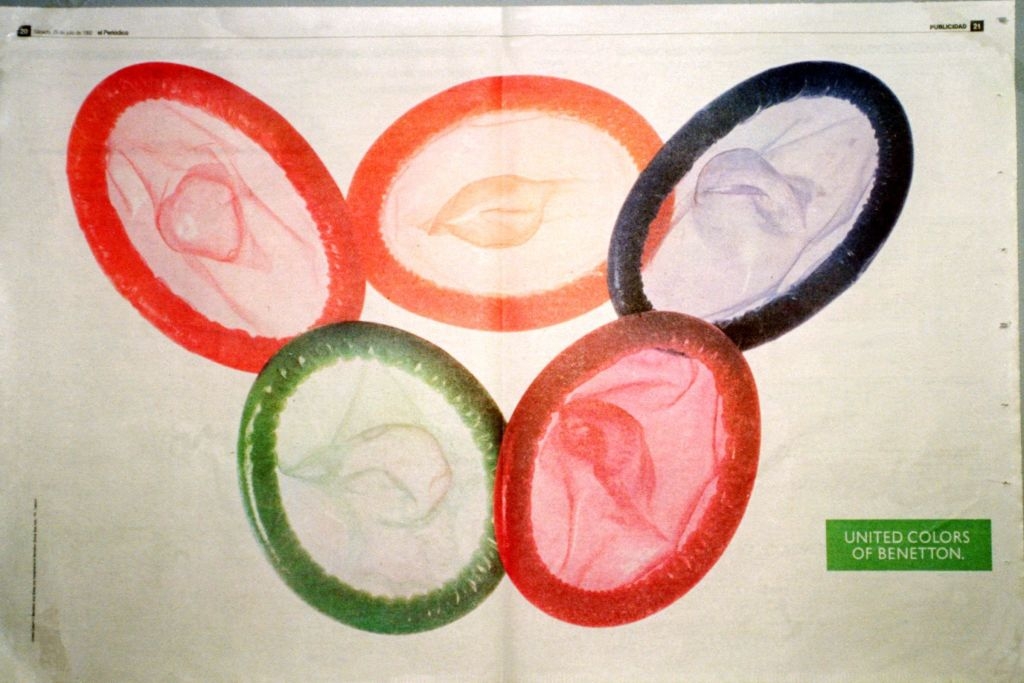
If you’ve ever fallen down the Olympic condom rabbit hole, you know the numbers alone sound wild. I actually wrote an entire piece all about this, where I traced everything from 10,000 condoms in the late ’80s to Rio’s record-breaking 450,000.

As someone who lived in the Village at the 2018 Winter Olympics, I can confirm the condoms were there and plentiful. So were early call times, roommates, recovery protocols, and a lot of layers of winter gear. The tradition is real, but so is the focus. The distribution numbers make headlines. The discipline does not.

The history is fascinating. The reality is far less scandalous and far more responsible.

The Olympics look glamorous. The path there often is not.

From the outside, it can look like every Olympian is fully sponsored and financially set. I can tell you that is not true for most of us.

When I train, I am not just thinking about performance. I am thinking about coaching fees, travel costs, equipment, physio, entry fees, and how to make the next season possible. In sports like freestyle skiing and skeleton, everything adds up quickly. A sled is expensive. Ice time is expensive. Flights are expensive.

The Olympics look polished on television. What people do not see are the spreadsheets, the side projects, the conversations about how to afford one more World Cup.

I compete because I love it and because I believe in what it represents. Financial reality is part of the journey.

When the Olympics end, there is no dramatic fade-out. There is no slow-motion closing ceremony for your personal storyline. There is just a flight home.

For years, everything has been built toward one moment. Schedules revolve around it. Decisions revolve around it. Conversations revolve around it. And then suddenly, it is over.

I remember the quiet afterward: the bags packed, the Olympic Village slowly emptying out. One day, you are living in a temporary city with the best athletes in the world; the next day, you are back in normal life, answering emails, back at work or in school.

Win or lose, there is a strange emotional shift. The adrenaline fades. The structure disappears. You have to ask yourself what comes next.

For me, it was not a clean ending. I kept training. I switched sports. I kept chasing the feeling of lining up again. The Games might be over, but the journey rarely is.

The transition is not glamorous. It is human. It is reflective. And it is where much of the growth happens.

It becomes part of you, whether you expect it to or not.

I competed in the Olympics once, and somehow that word follows me everywhere.

It is not something I walk around announcing. It just shows up. In introductions. In bios. In conversations where someone else brings it up before I do.

Being an Olympian did not solve my life or answer all my questions. The Games ended. The credential expired. I still had to figure out what came next.

But it did give me something unexpected. It connected me to other Olympians in a quiet, immediate way. There is a deep understanding there. We know what it took. The years. The pressure. The strange mix of relief and intensity. You do not have to explain it to each other.

It is not about medals or headlines. It is about having shared something rare and difficult.

Life keeps going. But that shared experience stays.