buzzfeed Press
I Am A School Shooting Survivor. The Violence From ICE Is Triggering My Trauma In Ways I Never Expected.
Images
1 / 6
2 / 6

3 / 6
4 / 6
5 / 6
6 / 6
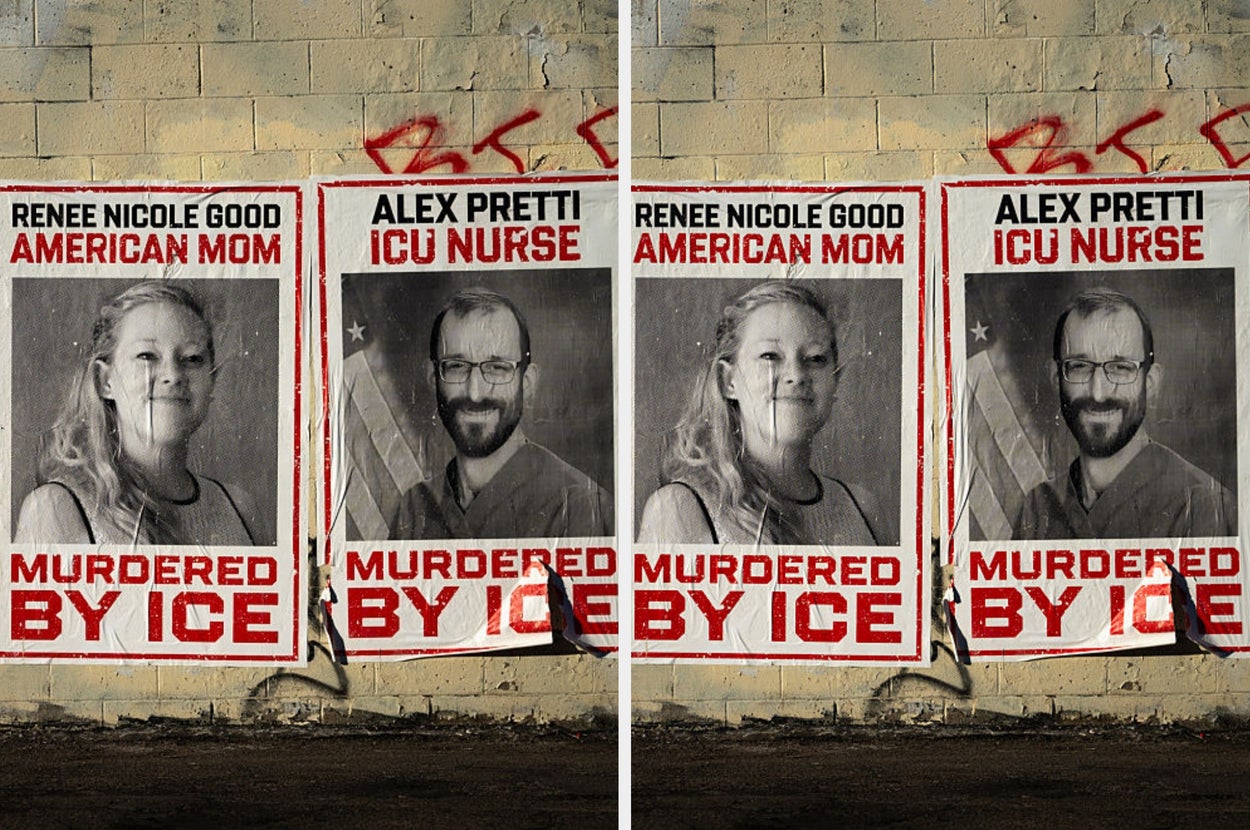
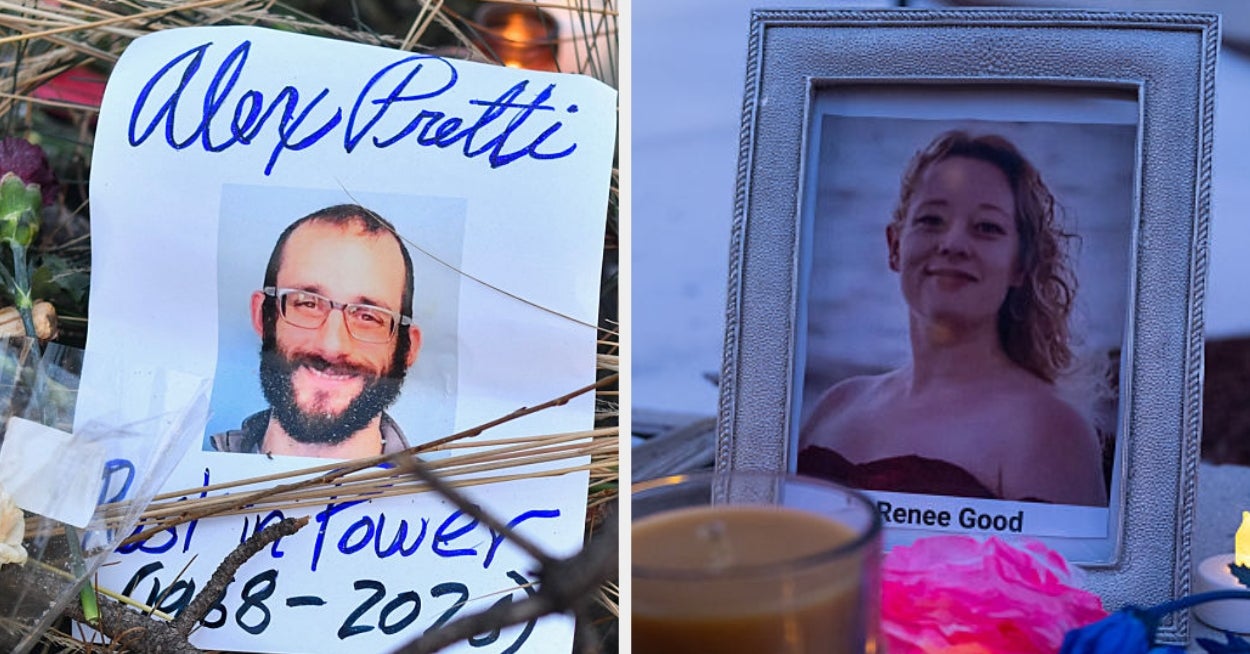
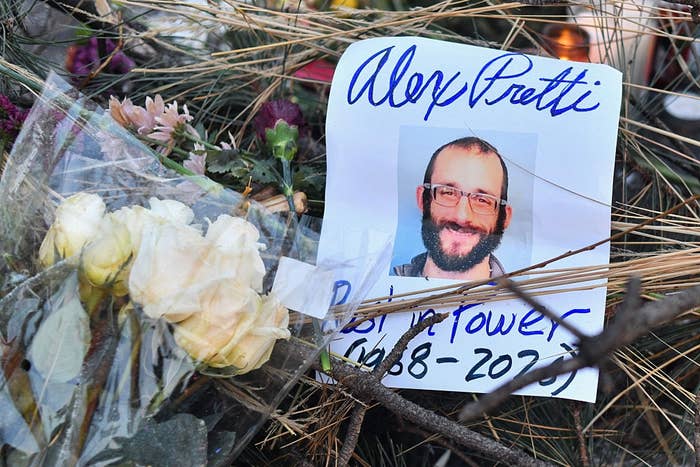
"It was the screaming in the video of Alex Pretti’s murder that keeled me over nauseous when it first came across my X feed..."

I got “lucky” in the sense that at the last second, I had decided to go straight upstairs to class instead of hopping in the breakfast kiosk line or running to give my economics teacher something before I forgot. Both of those decisions would’ve put me right in the epicenter, but ultimately, I was upstairs when the shooting started. I was spared seeing the shooter or his victims. I was spared having to run. What I was not spared was hearing the screaming of my peers as our world was knocked off its axis by the business end of a gun.

In the last almost eight years since the shooting at my high school, I’ve come to liken having gun violence trauma to walking around with an open wound in your chest. You can do things to sew the wound up. Therapy, mindfulness exercises, and support groups. But the stitches always pop. Every time a major shooting hits the news, Uncle Sam is there with a seam ripper to undo the thread.

While living in DC over the summer for an internship, a barrage of police sirens went past my apartment late at night. Absently, I thought that it reminded me of the amount of police sirens we’d heard roaring to our school that morning. I decided in the moment to just go back to sleep instead of picking up my phone to confirm my assumptions. In the morning, I would find out the sirens I’d heard had been rushing to the shooting at the Capital Jewish Museum.

The wound always reopens. You do the things you’re supposed to do to stitch it up, but it’s only temporary. It can only ever be temporary, in this place.

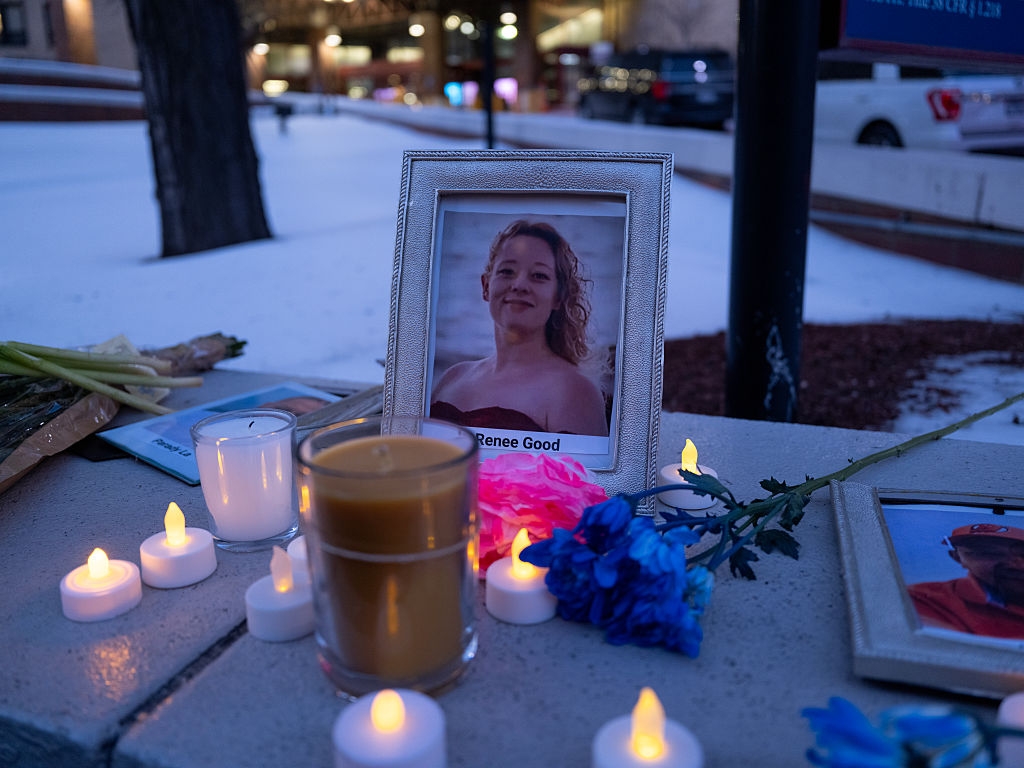
The sounds are the same. What it does to your nervous system to be a bystander to death, is the same. The triggers the bystanders to Renee and Alex’s shootings will have aren’t all that different from mine. They, too, will flinch at the popping sounds of a motorcycle revving up or a door slamming too loud. They, too, will trace every millisecond of that day wondering how every innocuous decision that led up to that moment could’ve changed the outcome, for better or for worse. A year from now as the anniversary creeps in, their body will keep the score with dreams in which it happens over, and over, and over again.

Almost two months after the shooting at my high school, the shooting at Santa Fe High School in Texas happened. I remember that day almost vividly as I remember our shooting. That night, I wound up falling asleep on the couch in my living room, hysterical and asking no one in particular why what happened to us wasn’t enough to end this. Later in my conversations with friends from Parkland, I realized that the shooting at my high school — one of the first after theirs — had given them similar feelings. One of the deepest pains of being affected by gun violence in America is that it’s endlessly cyclical. With very little movement on breaking the pattern, the loop continues.

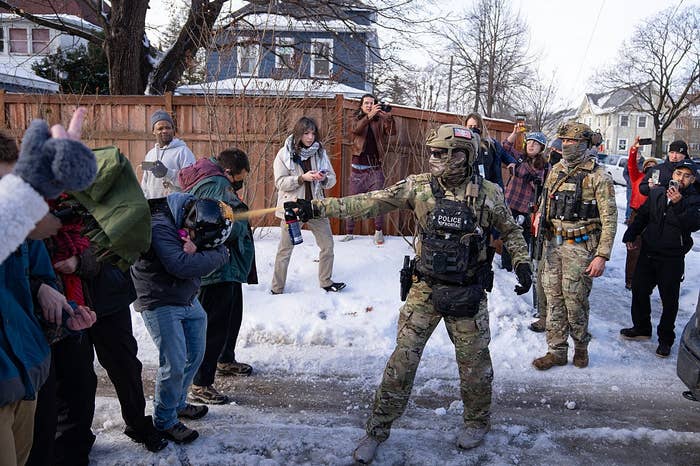
Another tragic reality of experiencing gun violence is that it doesn’t have an enlightening effect. I won’t pretend that it gave me all the answers about what to do, about gun violence in schools or about shootings carried out by federal agents. When you enter policy discussions as someone with lived experience, the pushback that what happened to you doesn’t make you an expert is immediate. And to the surprise of the people who reach for that gotcha moment, it’s not even a sentiment I disagree with.

Selfishly, I wish it did bestow a unique knowledge onto us, only because maybe then it would be worth something. But, we live in a reality where that’s not the case. The shooting at my high school didn’t make me a policy expert, or an oracle with an enlightened sense of exactly how to fix a problem that has been ingrained in our country’s culture since the beginning. What I do know, especially in the wake of Renee and Alex’s deaths, is that nothing is done by doing nothing. If we can write policy that enables violence, we can write policy that prevents it.

Mollie Davis is a writer and third year law student currently residing in Omaha, Nebraska. Upon graduating in the spring, Mollie hopes to practice law in Nebraska while pursuing military history/national security academia. Mollie is also a proud alumna of the Howard A. Kaiman ‘Nuremberg to The Hague’ program, where law students study international criminal law through the lens of the Holocaust.

Do you have a personal story you’d like to see published on BuzzFeed? Send us a pitch at essay-pitch@buzzfeed.com.