buzzfeed Press
The "Survivor 50" Cast Revealed How Their Past Seasons Shaped Their Historic Return
Images
1 / 20
2 / 20

3 / 20

4 / 20

5 / 20

6 / 20
7 / 20
8 / 20
9 / 20
10 / 20

11 / 20
12 / 20
13 / 20

14 / 20
15 / 20
16 / 20
17 / 20
18 / 20
19 / 20
20 / 20
Straight from the red carpet, the "Survivor 50" cast reveals the lessons from past gameplay that shaped their approach to this milestone season.

I’m a pop-culture writer covering everything from TV and movies, to music, Broadway, books, and games.

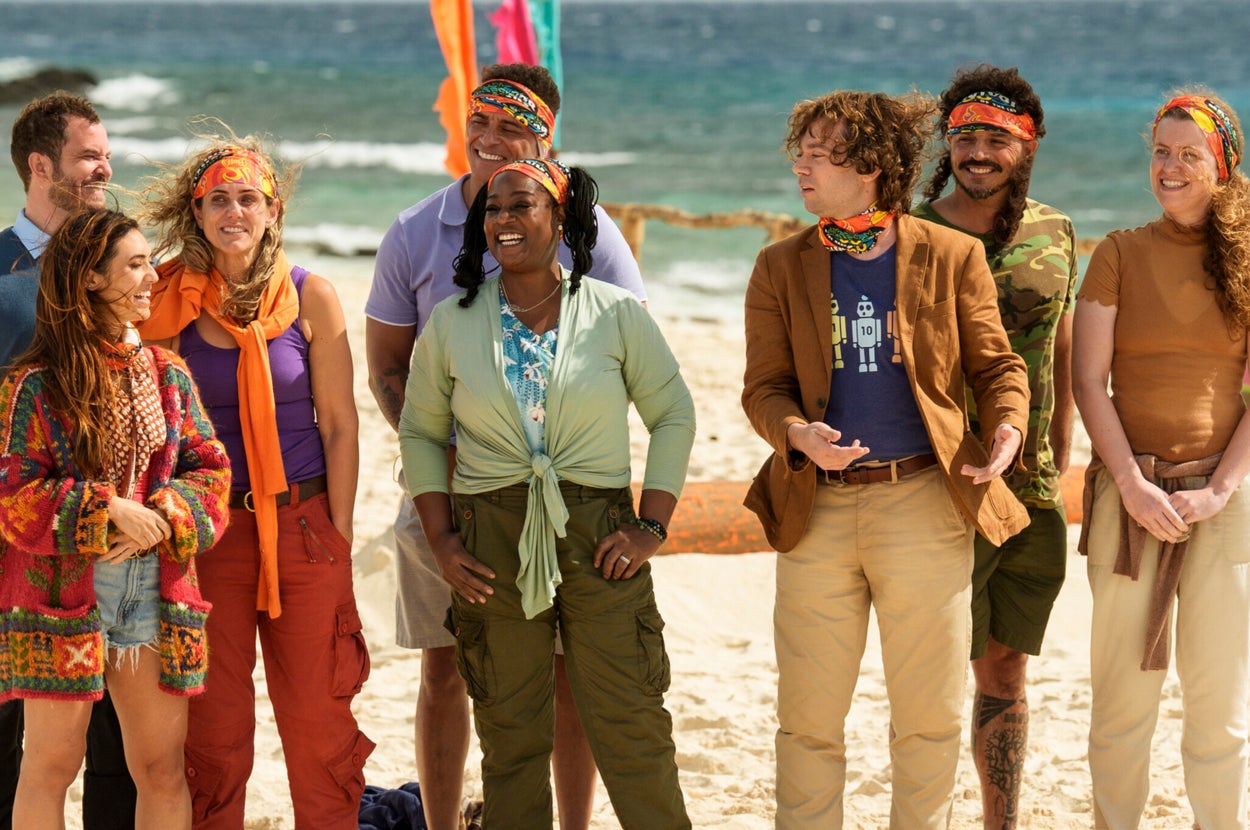
After 49 seasons of blindsides and backstabs, but also heartfelt and genuine moments, Season 50 is the most high-stakes yet. All 24 cast members are returning from past games — some seeking redemption, some seeking revenge, and others looking to further cement their legacy as the greatest to ever play.

As a longtime fan, it was an incredible experience to interview the Survivor 50 cast on the red carpet and hear all about their epic return.

Note: These responses have been edited for length and clarity.

Savannah: In 49, I really started to understand how important the social game is. I might not place as much value on the social game, but other people do. So going into 50, I thought, "I have to remember everybody's name, everybody's mom's name, dad's name, and all that."

BuzzFeed: Did Rizo and Sophi give you advice going into 50?

Savannah: They really tried to boost my confidence going into 50. I was honestly a little insecure and scared going into it. They were both so encouraging, and they were telling me, "Sav, you've already won this game once. Just go and have fun with it."

Rizo: I think I learned to always believe in myself. In Survivor 49, there were times I was thinking in every tribal council, "There's no way this is going to work. There's no way I can get the person I want out AND keep my idol." It kept happening, and that's because of the work I put in.

So, going into 50, I didn't want any imposter syndrome. I didn't want to ask myself, "Do I deserve to be with the legends?" I wanted myself to know that I'm here for a reason.

Kyle: I think I was able to win 48 because I had relationships with everyone. Fundamentally, in order to be a good Survivor player, you have to first build a foundation with everyone around you. On top of that, I think you need to have fun and not take yourself too seriously. If they like you, they're not going to vote you out.

Kamilla: I had a very slow start socially on 48. I just couldn't do the small talk, and that was rough. So I learned that for 50 — fake the small talk, and then everything will be okay.

Joe: A lesson I learned is: Don’t just answer the questions with what you want to say to the jury. Tell them what they want to hear, even if you don't fully agree.

BuzzFeed: Is there any advice from fellow alumni that stuck with you?

Joe: Eva gave me the advice to "just be you," and that's exactly what I intend to do.

Genevieve: I learned a lot from Survivor 47 — I was so scared and in my head. I was able to focus on a lot of game elements and strategies, but I missed so many human moments by being focused on my own struggle. One of the things I wanted to do better in 50 was to be more cognizant of how other people are feeling, and if they are struggling.

Charlie: Something I learned on my season was about jury management and how the jury really comes to their decision in the end. That was something I definitely thought about coming on 50 — you can learn a lot from losing!

Tiffany: The most important thing I learned from my season is to focus on the day in front of you. If you think two, three, four steps down the line, you tend to lose sight of what's happening right there on the beach.

I feel like that's how I got blindsided. I wasn't paying attention to what was happening today, I was thinking about the next day — and the next day never came for me!

Q: Play that dang idol! If you get one, you'd best play it because guess what — I'm not going home twice with an idol in my pocket!

Dee: I learned to be comfortable in who I am and not to let the world tell me otherwise. The first time you're on TV, it's hard to ignore what the outside world is saying about your gameplay. But, once you're in the game, only you can do what's best for you.

Emily: Do I just pick one lesson? There are so many! I think I came into 45 very anxious and with the wrong mentality. I was making snap judgments on people and leaving very little room for things to change. I think that's what led me to implode very quickly on my Lulu tribe.

I didn't leave room for people's opinions and perspectives, and for my own to grow and change over time. Coming into 50, I was really trying to remind myself of that every step of the way. Just because that's how I feel right now doesn't mean that's how it will be forever. My perspective can and will change.

Jonathan: In my season, on 42, I wasn't perceived as well as I thought I was. One of the hardest parts of Survivor is watching it back and critiquing yourself — but I had to do it. I had to come to the conclusion that my strategy could use some work, and I needed to work on being perceived in a light that is more who I am.

Boston Rob really helped train me. I struck up a friendship with a legend. His family loved 42, and I met them while my season was airing.

Rick: Edge of Extinction was such a unique season, where I got voted out fourth and had to win my way back in. I learned you can't play it safe. I was so mad at myself for going out easy. When I won my way back in, I knew that wasn't going to happen again.

Knowing that going into 50 was huge — it might be the reason you go home, but be ready to play hard.

Aubry: In my past seasons, I've had the gift of going all the way to the end, and also getting blindsided, so I've seen all different parts of the game. You realize that nothing in Survivor is ever as good or as bad as it seems. It's more about being resilient and what you do the next day.

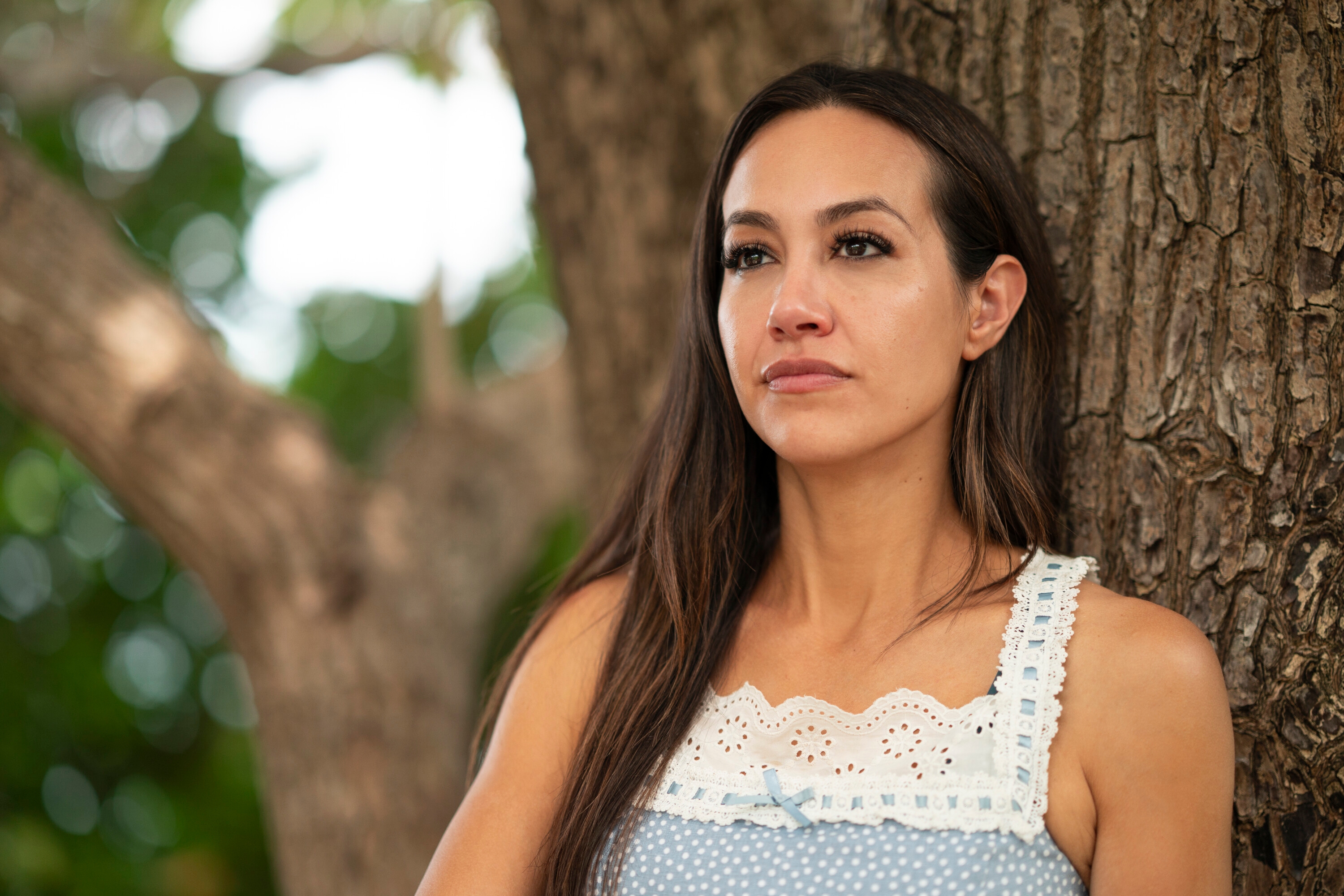
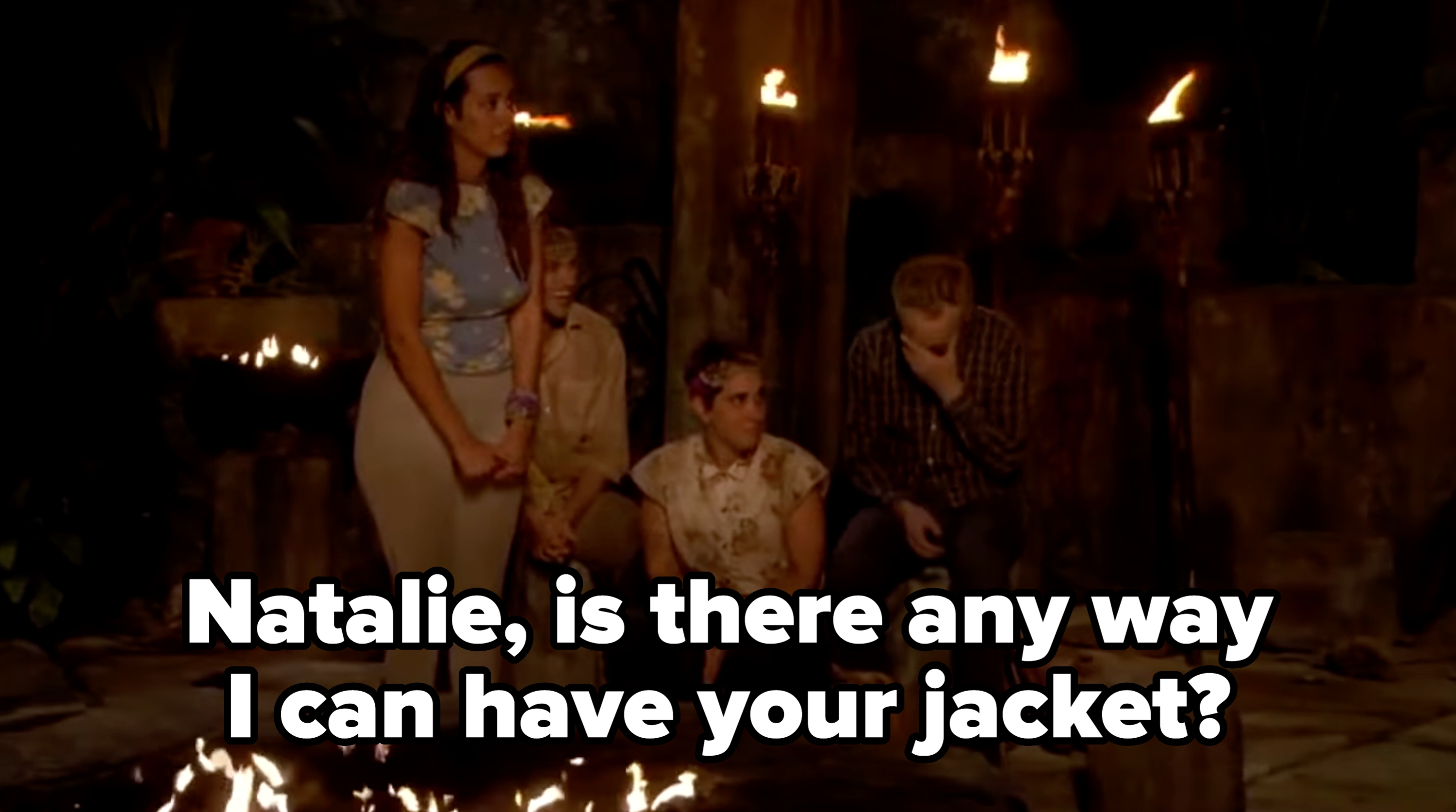
Angelina: My biggest lesson was not to beg for someone else's jacket! Come prepared! I thought, "If I ever go back there again, I need to bring my own everything."

BuzzFeed: Did you bring a jacket for 50?

Christian: There are so many things I love about Survivor — winning challenges, building relationships — and they are all important for the game. What coheres these things into a strategy is narrative; it's the story. People are framing their own experiences as a story, and that influences how they think, act, and who they treat as a hero or a villain.

If you view the game as a war of stories, narrative warfare, you'll have a wholly different opinion on how to go about it. That's what I wanted to bring into this season: to keep stories in mind.

Cirie: Something I've learned in my past experiences of playing Survivor is to never underestimate yourself. I always counted myself out; I always said, "These are things I can't do. These are things out of my realm."

But then, once I accomplish something, I'd always say, "That wasn't too bad!" I'm my own worst critic, and I learned to stop doing that.

Ozzy: When I played Survivor in prior seasons, I used my strengths in a way that left my weaknesses open to exploitation. I wasn't as well-rounded a player as I wanted to be. With that in mind, going into 50, I really wanted to play a much more social game than ever before.

Stephenie: A lesson I learned was jury management. I got to the final two in Survivor: Guatemala, and I didn't win because I pissed way too many people off. Think before you speak!

Colby: As I've gotten older and watched those seasons back, I know how important it is to go into the game with a positive mindset and a positive attitude. The reason that's so important is because of the social dynamic. You've got to play a strong social game now.

There's a quote that Michael J. Fox said: "With gratitude, optimism is sustainable." The way to keep a positive attitude throughout the game is to remain in a state of gratitude. I was able to do that, and I had more fun playing this time than ever before.

Jenna: In the very first Survivor, nobody really knew what it was. So, I changed my game a lot coming back to Survivor: All-Stars. I was more adaptable and more strategic.

It's been 22 years jumping from All-Stars to Survivor 50, and I have this beautiful life. Instead of playing from desperation, I'm playing from a very stable position.

BuzzFeed: What advice would you give the Survivor 50 contestants, especially Savannah and Rizo?

Sophi: Even though I think their original games did really well for them, and they did a great job, they just need to stay open-minded going into 50. Trust their gut, trust their instinct, be adaptable.

They're playing with old-school players and people who have played different styles of gameplay for different lengths of time, even in different countries. Staying open-minded is important, and being able to work with anybody, but not everybody.

BuzzFeed: What is the one quality you think makes the best Survivor player?

Sandra: Someone that is very social and adaptable. You really do have to roll with the punches. If no one likes you and no one cares about you, no one is going to come and let you know what you're missing out on. I think being social is by far more important than being strategic or even being physical.

BuzzFeed: What advice would you give the Survivor 50 contestants?

Sandra: Be fluid. Pay attention. If you're not in the conversation, they're talking about you. Don't be taking a nap when everyone's in the water, because guess who they're plotting against?

Survivor 50 airs Wednesdays at 8 p.m. ET/PT on CBS and will be available to stream on Paramount+.