yahoo Press
Scientists Went Looking For an Extinct Fish in South Africa —They Found a Species New to Science
Images
1 / 12
2 / 12

3 / 12

4 / 12

5 / 12

6 / 12
7 / 12
8 / 12
9 / 12

10 / 12

11 / 12

12 / 12
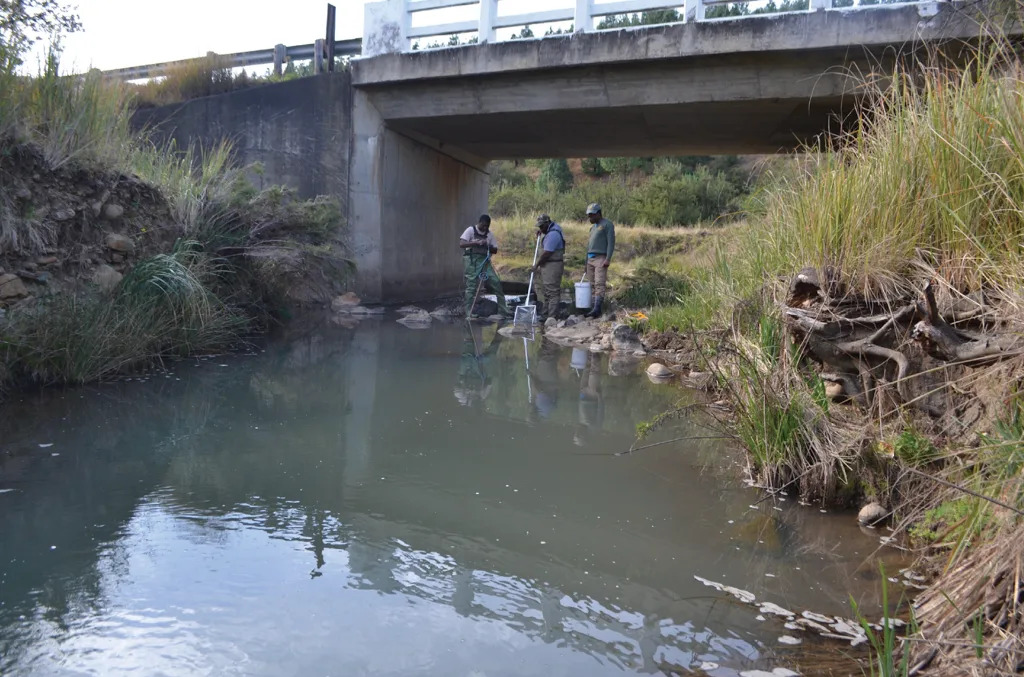
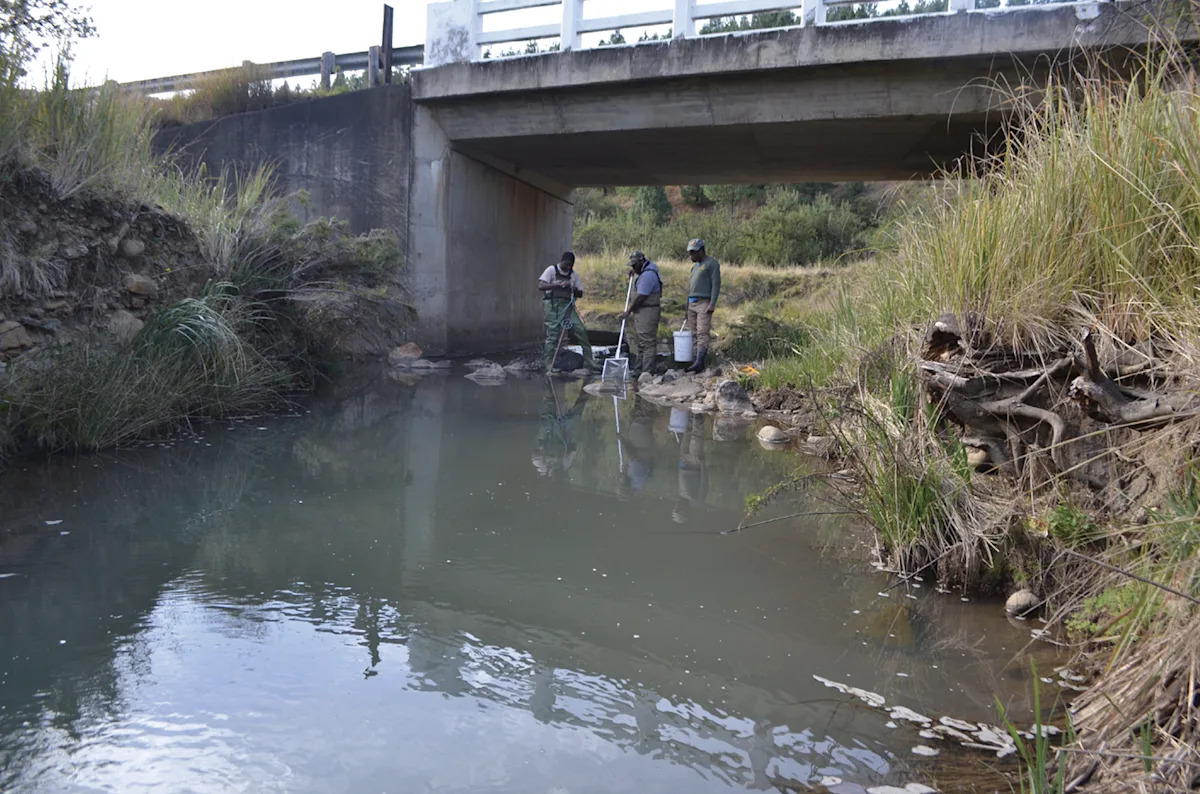
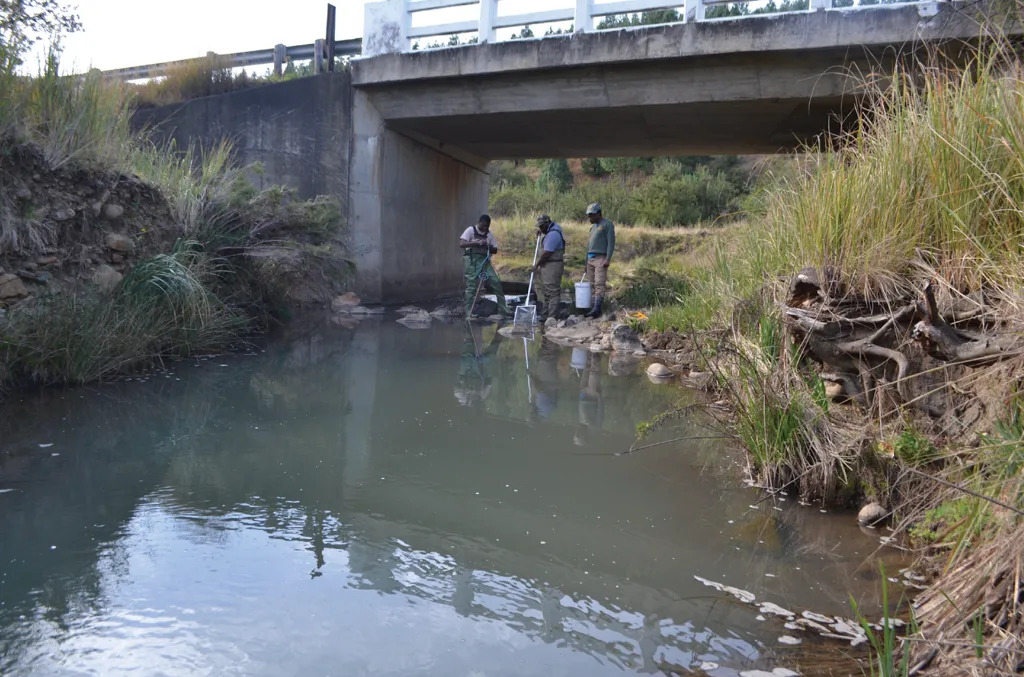
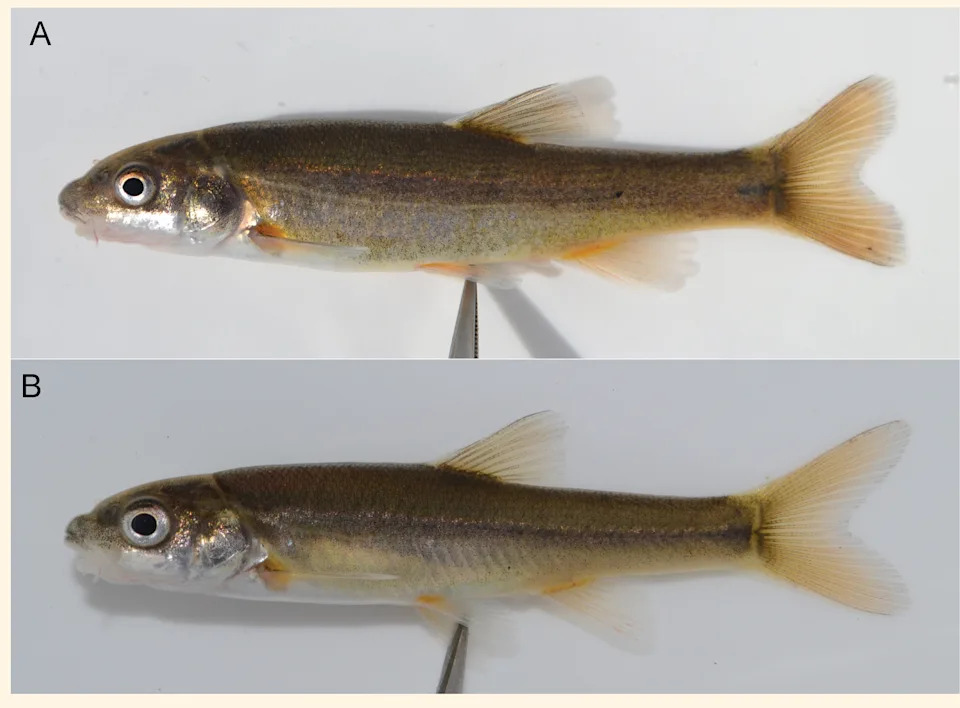
A research team traveled to South Africa’s Umzimkhulu River in 2017 with a specific mission: find surviving pockets of the Maluti redfin minnow, a species declared extinct after introduced trout wiped it out through predation and competition. They pulled a dozen minnows from the water that looked like the lost species. But years of analysis revealed something no one expected — the fish belonged to a species never before documented by science.

The dozen minnows triggered what the researchers described as a “long-standing debate” over the fishes’ identity. The answer came in a study published January 2 in the peer-reviewed journal Zoosystematics and Evolution, which confirmed the catch was a new species altogether:

Pseudobarbus kubhekai, now commonly called the Umzimkhulu redfin minnow.

Punch the Monkey Was Once Abandoned. Now the Internet Loves Him

The research team — which included Fatah Zarei, Xiluva Mathebula and Albert Chakona — used DNA analysis, physical examination and detailed comparison with related species to crack the case. They found at least 6% genetic divergence between the mystery fish and its closest relatives. That gap, combined with differences in scale pattern, coloring and skeleton, made the case for a distinct species. The 6% figure means these fish aren’t a quirky variant of something already cataloged. They sit on their own branch of the evolutionary tree.

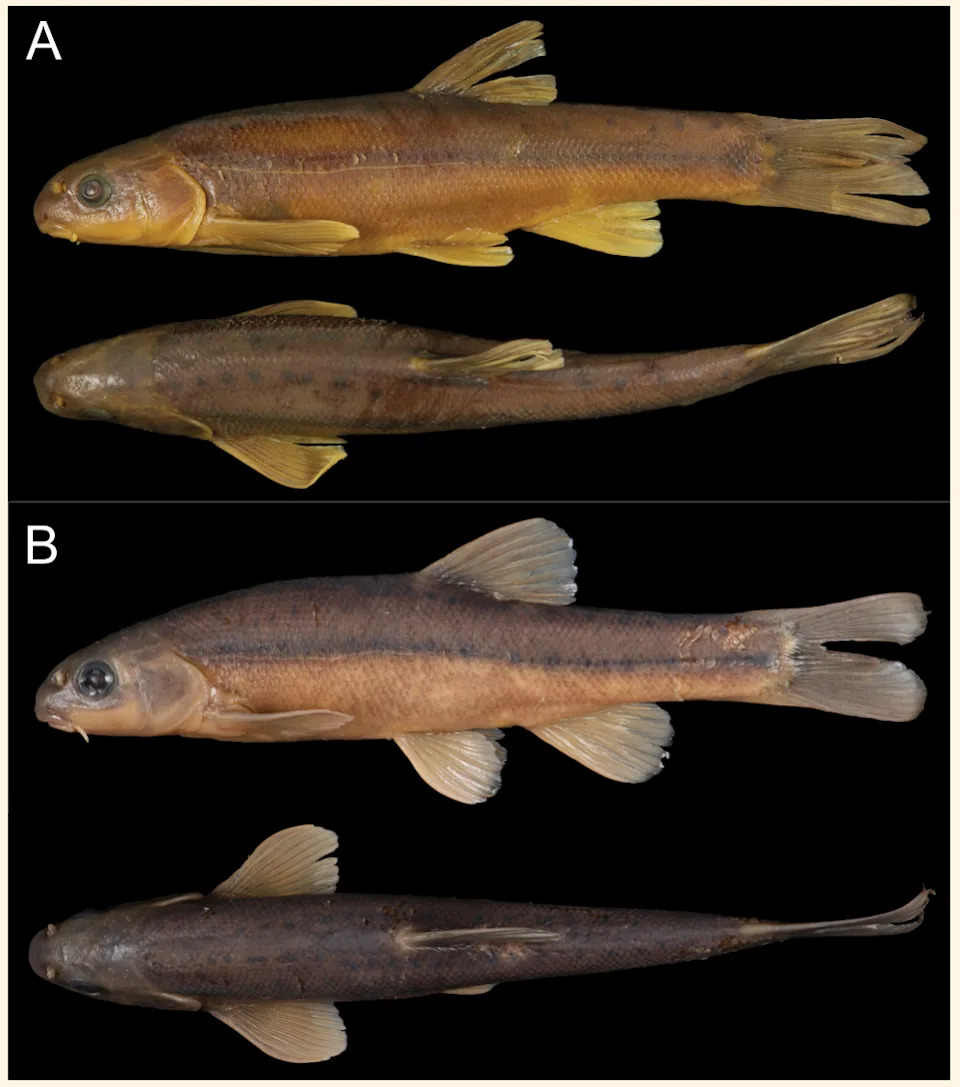
Umzimkhulu redfin minnows can grow to more than 3 inches long, according to the study. The study describes them as having “large” heads with “blunt” snouts, “large” eyes and “sickle-shaped” mouths. Their “moderately elongate” bodies are covered “with numerous” small bumps.

The coloring stands out: an “olive-brown” base with “bright orange-red” spots near the fins. For a river minnow living in shallow, rocky streams, they’re unexpectedly vivid.

Much of the species’ biology and lifestyle remains unknown, according to the researchers. The fish live in the Umzimkhulu River, and that’s about where current knowledge drops off.

The species name kubhekai honors Skhumbuzo Kubheka, a wildlife researcher who helped discover the fish “through extensive sampling efforts,” according to the study. The common name ties directly to the Umzimkhulu River in eastern South Africa, approximately 400 miles southeast of Johannesburg.

So far, that river is the only known location where the species has been found.

Researchers described the Umzimkhulu redfin minnow as “a critically endangered species” in the same study that announced its existence. The team withheld the fish’s exact location “due to conservation sensitivities,” according to the study, and urged conservationists and government officials to take action to protect the species from extinction.

That’s a detail worth sitting with: a species formally introduced to science and immediately flagged as at risk of disappearing.

New Jellyfish Galaxy Discovered With Star-Forming ‘Tentacles’

The researchers who found it had gone to the Umzimkhulu River looking for a different fish that had already been lost. The Maluti redfin minnow had been abundant in a nearby area during the early 1900s before introduced trout drove it to extinction. The team had hoped populations might have survived undetected.

They didn’t find survivors of the old species. They found something entirely new, living in the same ecosystem that had already claimed one species of redfin minnow.

The Umzimkhulu redfin minnow shows that the catalog of life on Earth still has gaps. Researchers set out with one hypothesis and stumbled onto a species hiding in plain sight, one that had likely been swimming in those rocky streams for generations without being formally identified.

The discovery sits at the intersection of two patterns worth watching: the ongoing identification of new species in under-surveyed freshwater habitats, and the race to protect those species before they vanish. The researchers’ decision to keep the exact location confidential speaks to how precarious the situation is for small, range-limited fish like this one.

The full study was published in the peer-reviewed journal Zoosystematics and Evolution and includes the morphological details, genetic analysis and taxonomic rationale behind the classification.

A dozen small, large-headed fish caught in a South African river in 2017 turned out to be something the world had never seen. Now the question is whether they’ll survive long enough for us to learn what else we don’t know about them.

Krill Oil vs. Fish Oil: Which Omega-3 Supplement Is Right for You?

This Woman Turned Yoga and Rescue Pigs Into a Joy-Filled Healing Experience for Anxious Hearts

Punch the Monkey Was Abandoned and Bullied—Then an IKEA Toy Changed Everything