yahoo Press
Daylight saving time returns Sunday. For millions, it will be the last time the clocks change
Images
1 / 11
2 / 11

3 / 11

4 / 11

5 / 11

6 / 11
7 / 11

8 / 11

9 / 11

10 / 11

11 / 11
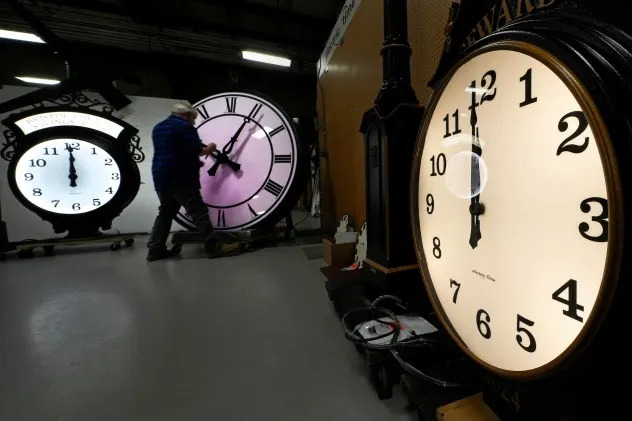
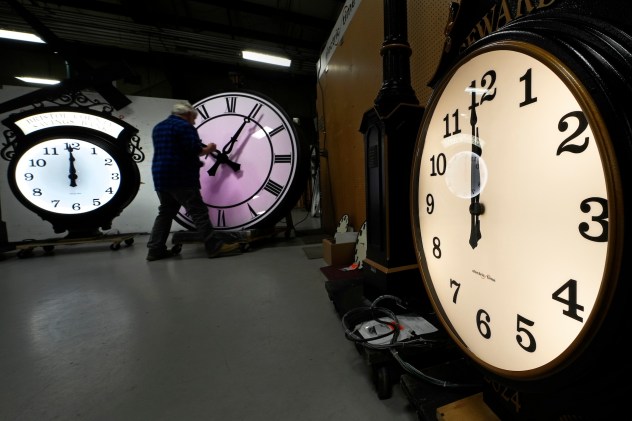
Daylight saving time begins Sunday, March 8, when clocks across most of the United States "spring forward" one hour at 2 a.m. local time.

The twice-a-year clock change has long sparked debate: Should the U.S. keep switching between standard time and daylight saving time or pick one to be year-round? This year, one part of North America is making a permanent move.

British Columbia adopts new law ending time change

For people living in British Columbia, Sunday will be the last time clocks change. The Canadian province is adopting daylight saving time year-round, ending the twice-yearly switch.

"Eliminating twice-yearly time changes reduces disruptions for families, simplifies scheduling and provides an extra hour of evening light during the winter months," officials said on the province's website.

The move follows a survey that found 93% of residents supported staying on daylight saving time year-round.

British Columbia will join Saskatchewan, the only other Canadian province that does not follow the practice of changing clocks twice a year.

US Daylight Act of 2026 would shift clocks by 30 minutes

In the United States, multiple proposals have been introduced in recent years to alter or eliminate the clock change, as federal action is needed to change time nationwide.

On Feb. 4, the "Daylight Act of 2026" was introduced in the House of Representatives. The bill would permanently shift clocks by 30 minutes, aiming to split the difference between standard time and daylight saving time. The legislation has not been brought up for a vote in the House.

The Sunshine Protection Act is another proposal that would make daylight saving time permanent year-round. Like the Daylight Act of 2026, it has not become law. Any change would need to pass the House and Senate before it could be sent to the president to be signed.

The clock is not the only thing you should change

In addition to changing clocks, this time of year is a useful reminder to handle a few quick household tasks:

•Reverse ceiling fans: This can help keep a home cooler as warmer weather builds through spring.•Replace smoke detector batteries: The "Change Your Clocks, Change Your Batteries" campaign is meant to ensure detectors work when they're needed most.•Replace air filters: Filters in furnaces and heat pumps can be dirty after running all winter, especially in homes with pets.•Restock an emergency kit: Severe weather season ramps up in spring, so it's a good time to replace used supplies.