Press
Sudanese army retakes Bara, secures el-Obeid in North Kordofan
Images
1 / 7
2 / 7
3 / 7
4 / 7

5 / 7

6 / 7

7 / 7
Source tells Al Jazeera that army destroyed 32 RSF combat vehicles, killed dozens of RSF fighters in clashes, drone attacks.

Share

Save

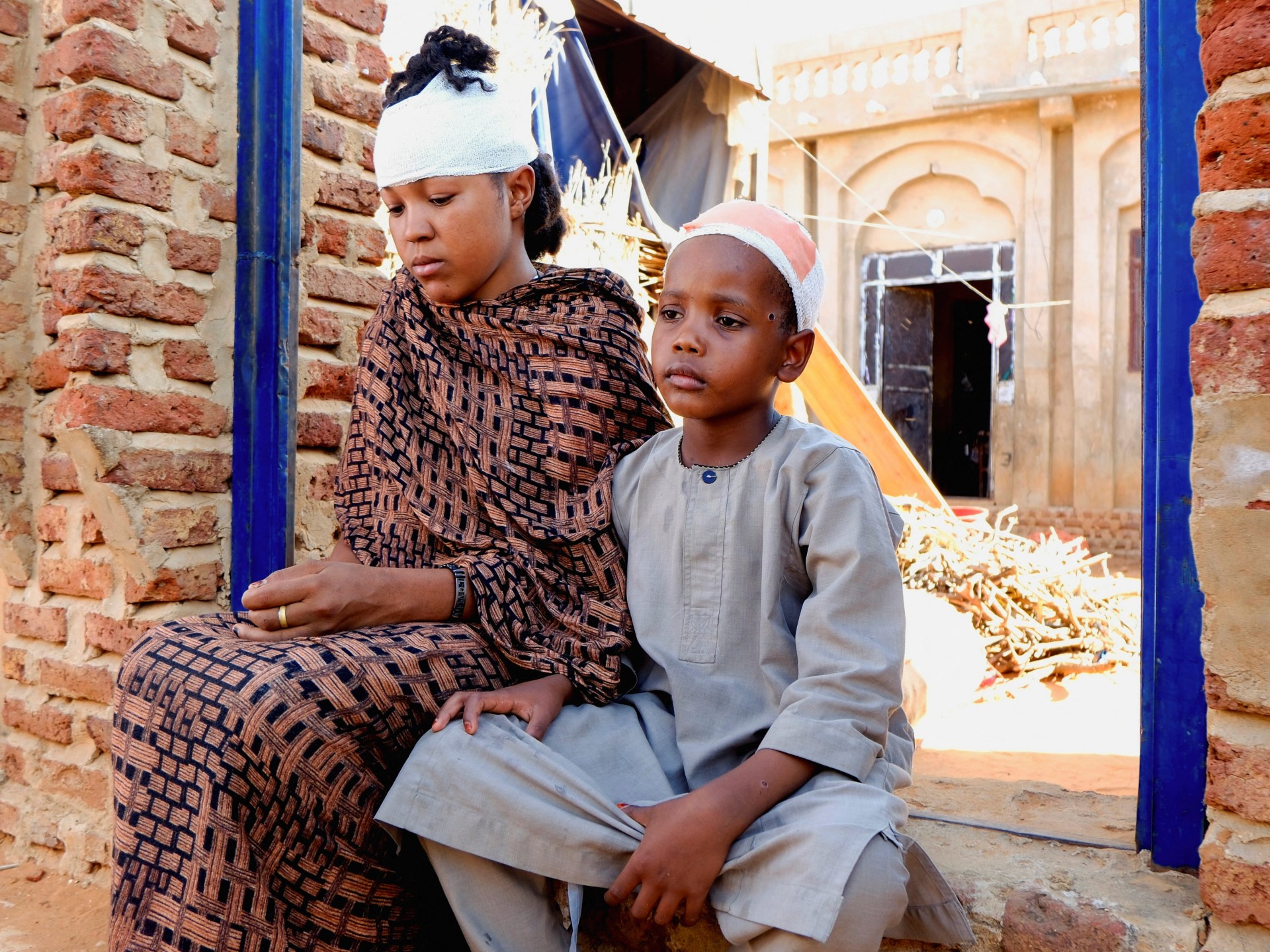
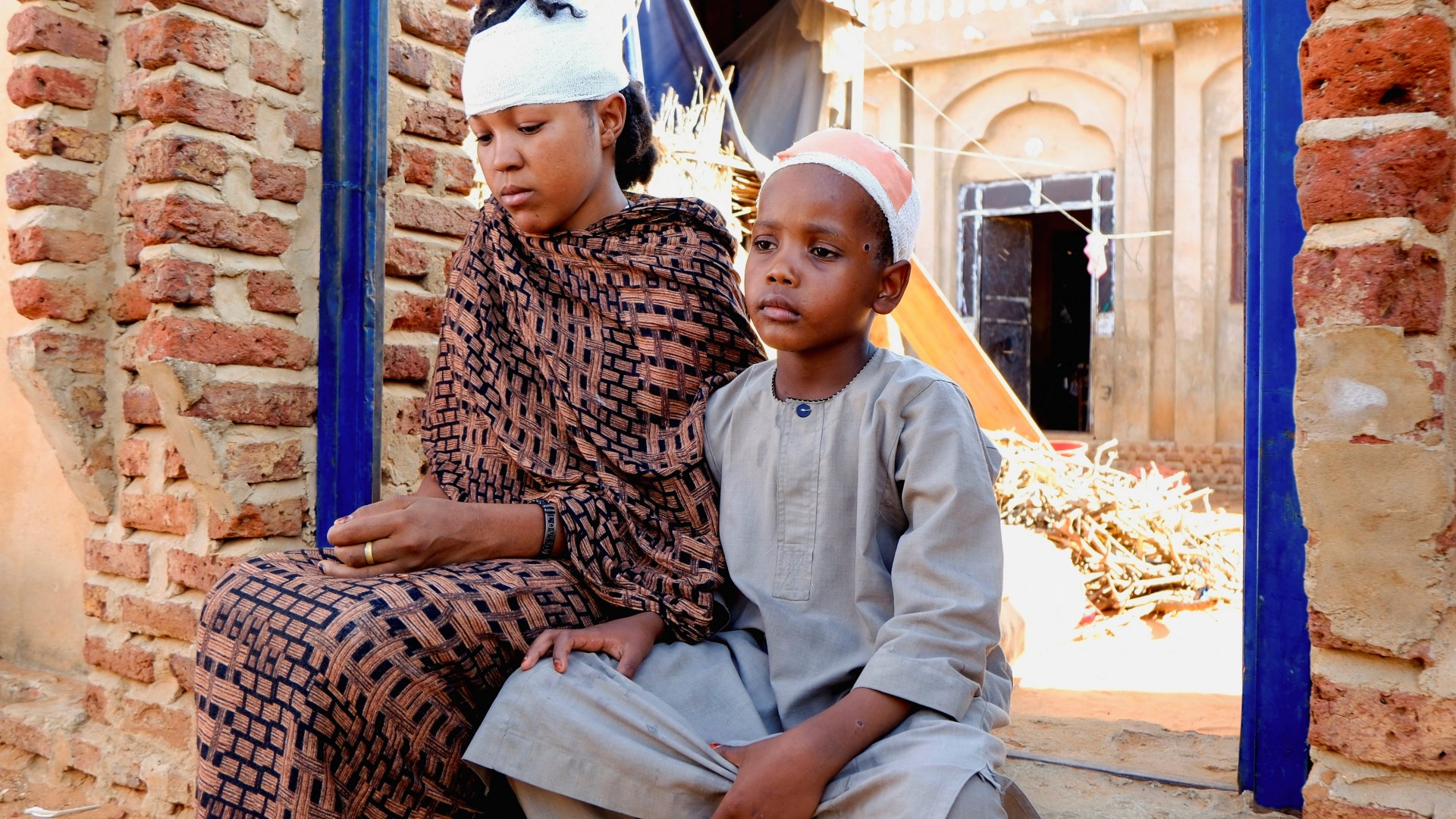
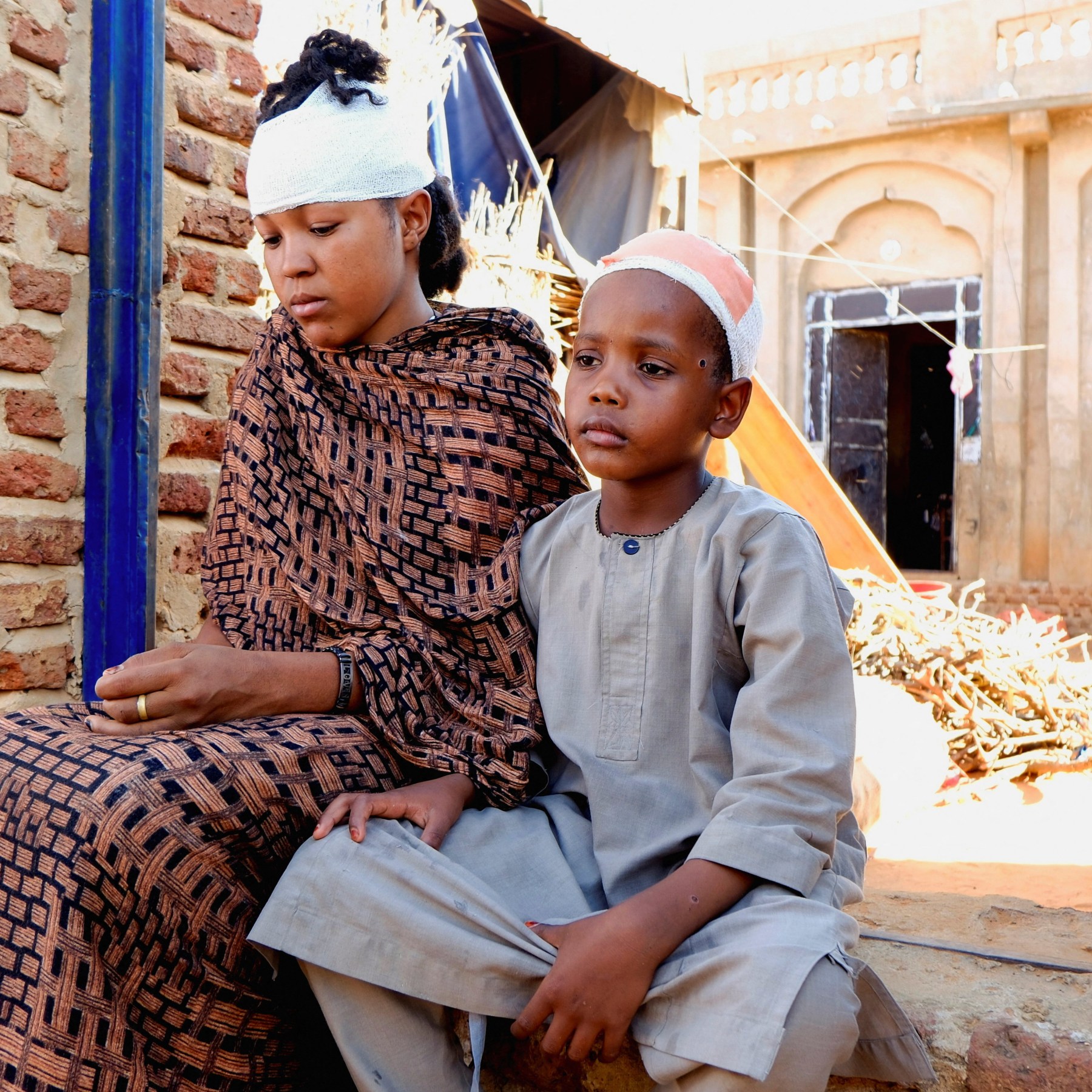
The government-aligned Sudanese Armed Forces (SAF) have announced they have retaken the city of Bara, the second-largest city in North Kordofan state in the west of the war-torn country, following a military operation they said resulted in expelling the Rapid Support Forces (RSF) from the city and inflicting losses in lives and military equipment.

A senior Sudanese army source told Al Jazeera that the air force carried out intensive air attacks in the early hours of Thursday morning against RSF deployment positions inside Bara.

They noted that the raids hit military vehicles and troop concentrations, killing a number of them and destroying heavy combat vehicles.

The source added that the air attacks were followed by a surprise ground assault carried out by army forces from their positions north of el-Obeid, the capital of North Kordofan state – specifically from the town of al-Dankoj – before the troops advanced towards the city and took control of its main entrances.

The source that during the operation, the attacking forces managed to destroy 32 RSF combat vehicles and seize 10 others in good condition, in addition to killing dozens of fighters in direct clashes and drone attacks.

After the RSF was pushed out of the capital, Khartoum, in March 2025, the paramilitary group shifted its campaign to the Kordofan region and the city of el-Fasher in North Darfur, which had been the army’s last bastion in the vast Darfur region until it fell to the RSF in October.

Following the capture of el-Fasher, accounts surfaced accusing the group of mass killings, rape, abductions and widespread looting, prompting the International Criminal Court (ICC) to open a formal probe into alleged “war crimes” by both parties to the conflict.

A recent United Nations report said the paramilitary Rapid Support Forces’ (RSF) atrocities in el-Fasher bore all the hallmarks of genocide.

While the world focuses on the United Sates-Israel war on Iran and its reverberations with Tehran’s retaliatory strikes across the Middle East, the brutal civil war in Sudan is nearly three years long now.

Thousands of people have been killed, and millions have been displaced in a war that has created what the UN describes as the world’s largest displacement and hunger crisis.

According to the latest figures from the World Food Programme, at least 21.2 million people, or 41 percent of the population, are facing high levels of acute food shortages, while 12 million people have been “forced from their homes by the conflict”.