yahoo Press
Archaeologists Unearthed a 400-Year-Old Letter. It Confirmed the Existence of a Legendary King.
Images
1 / 10
2 / 10

3 / 10

4 / 10

5 / 10

6 / 10
7 / 10

8 / 10

9 / 10

10 / 10
Here’s what you’ll learn when you read this story:

An archaeological layer in Africa contained over 20 scraps of paper dated to the 16th or 17th centuries, including an order from King Qashqash.

It was thought that the king may have only been a legend, but the paper is concrete evidence that the Nubian ruler was real.

The king’s order is an example of a routine exercise of authority, decreeing the trade of an ewe for textiles.

This story is a collaboration with Biography.com.

Until recently, Nubian King Qashqash was only known to historians from a few scattered references, leaving it unclear whether he was an authentic historical figure or a fictional invention. Now, a tiny, age-beaten shred of 500-year-old paper found in northern Sudan has made it clear that Qashqash was entirely real.

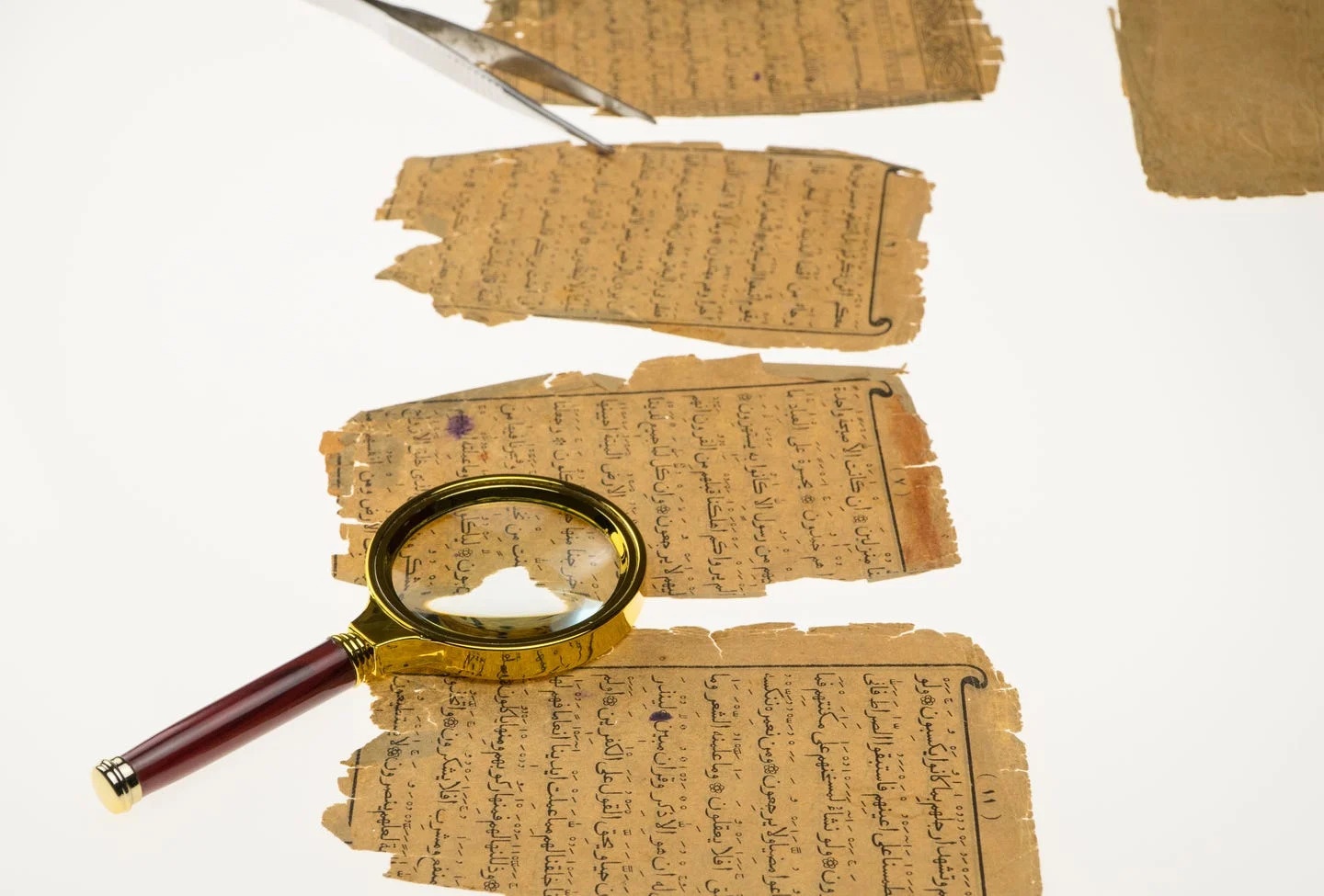
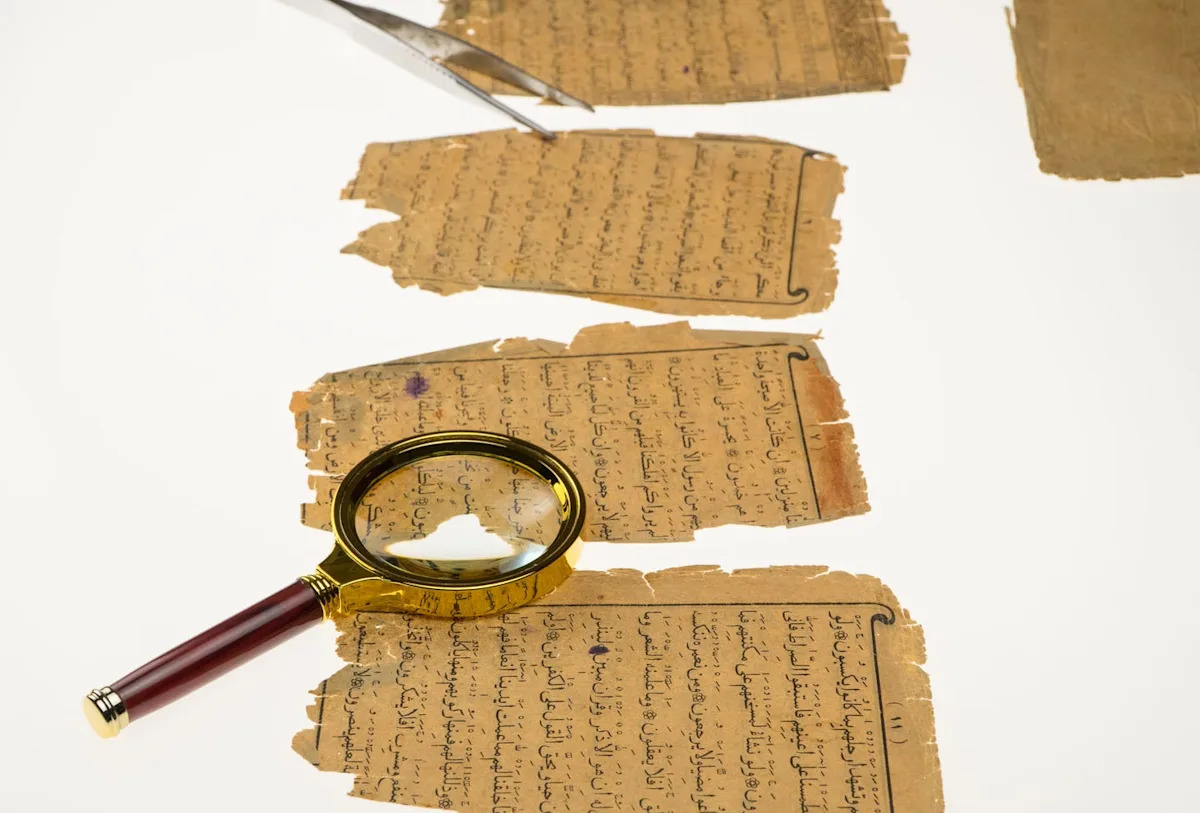
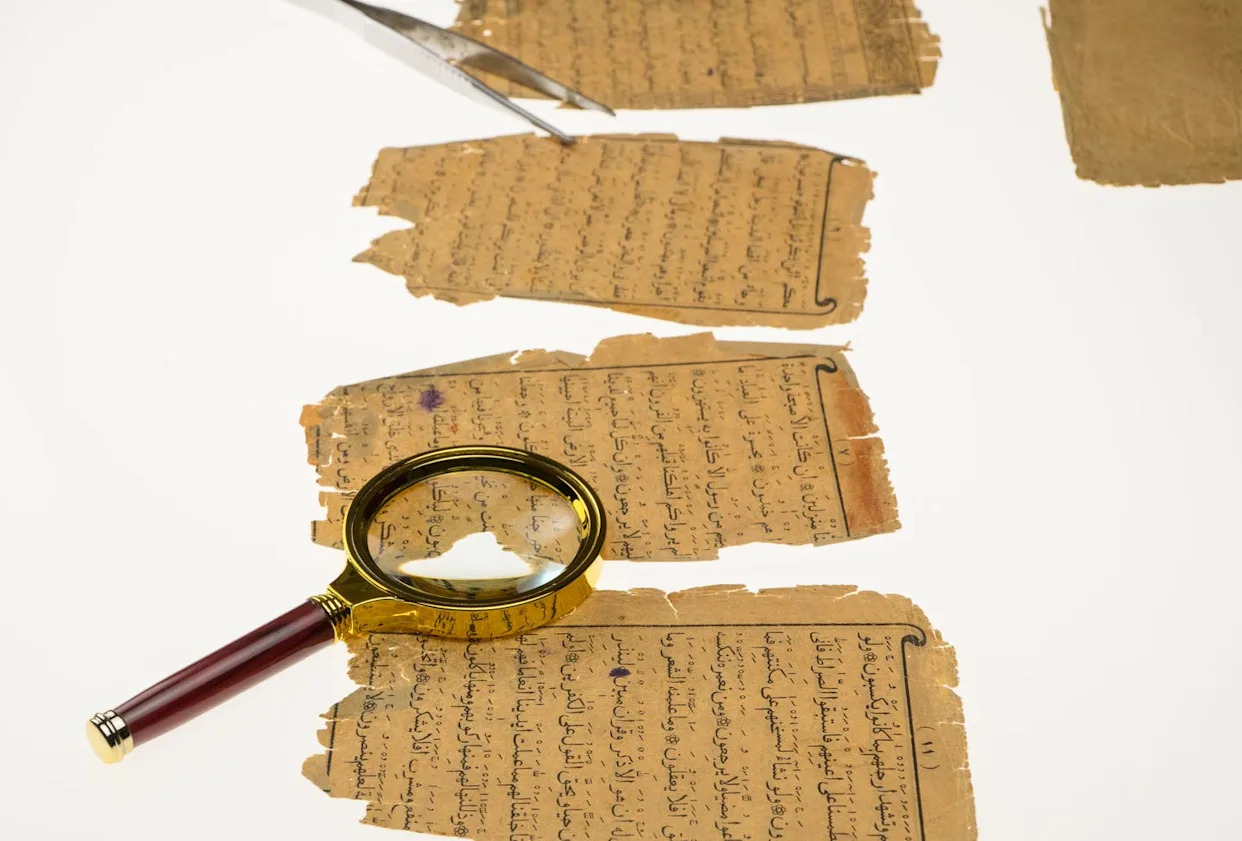
Archaeologists excavating ruins of the ancient city of Old Dongola, the former capital of the Christian kingdom of Makuria in Nubia, discovered roughly two dozen scraps of 500-year-old paper. One of those scraps—measuring a scant 4 by 3.5 inches—offers an administrative edict from King Qashqash to a subordinate, turning a king known only by word-of-mouth legend and hagiographic texts written long after his reign into a real ruling figure.

The find was the focus of a study published in Azania: Archaeological Research in Africa, which combined “numismatic evidence, radiocarbon dating, and written sources [to investigate] rulership, social interactions, and Arabization in Dongola during the Funj period,” according to the authors. The study highlights the fresh historical evidence for the pre-colonial ruler of Dongola, of which the newly-discovered written order is the centerpiece. Found in the ruins of a structure that was once the residence of a high-status leader, the Arabic document is not exceptional in and of itself, as it simply commanded the exchange of textiles and livestock. What makes it extraordinary is that it was issued in the name King Qashqash.

The document reveals that the pre-colonial ruler’s involvement in governance and micropolitics extended to everyday work. “The documentary sources uncovered at Old Dongola, including the king’s order, provide invaluable insights into the network of connections in Dongola before the colonial era,” the authors wrote. “This evidence presents a unique opportunity to explore the linguistic transformations and cultural interactions that have shaped Nubia over time.”

The Kingdom of Makuria thrived during the medieval period, leaving a great deal of evidence for archaeologists and historians to study, but the traces of Makurian history grow dim after the 14th century, when decline set in. Oral traditions concerning this time still exist, but the scarcity of empirical evidence from the 16th and 17th centuries left scholars to wonder if King Qashqash was only the stuff of legend.

The paper containing the order was undated, but nearby coins and radiocarbon dating of organic matter found in the same archaeological layer helped determine its age. “Although the archaeological context suggests a later date, internal analysis and comparisons with other sources indicate that it most likely dates to the late 16th or early 17th century,” they wrote, noting that the document could have been written and kept for some time before being discarded in the rubbish layer where it was found.

Located near the eastern bank of the Nile, building A.1, known as the House of the Mekk, provides the archaeological context for these lost relics of Nubian history. Located in what was once a citadel, archaeologists believe the transparent size and complexity of the home shows it was owned by a ruler. Along with the more than 20 letters, notes, and legal records found during excavation, the team also uncovered a luxurious assortment of textiles, jewelry, and leather shoes, as well as a dagger handle crafted from ivory or rhino horn, and musket balls.

But the star of the show is the order from King Qashqash. Its text indicates that it was written by Hamad the scribe and sent from the king to Khidr, likely a member of his staff. The order instructs Khidr to oversee the receipt of three textile units from Muhammad al-Arab in exchange for an ewe and her offspring. That ewe comes from Abd al-Jabir, which Khidr needed to go get.

“The king’s order we have discussed here represents a rare instance in which a figure previously confined to the domain of hagiographic literature and oral traditions can be situated within a verifiable historical framework supported by tangible archaeological evidence,” the authors wrote.

The flip side of the paper has additional text, although damage to the paper makes it difficult to discern. It likely mentioned something about cotton or head coverings.

Experts believe the trade of an ewe for textiles was more than a simple economic exchange. It was also a social one, establishing relationships and providing Qashqash with cultural cachet in the form of sought-after fabrics.

You Might Also Like

20 Cars That Were Massively Improved by a Redesign

Going on Vacation? These Appliances Need to Be Unplugged Before You Leave the House

Roborock Reigns Supreme for Robot Vacuums, but We Also Loved These Other Models