yahoo Press
A ‘Ghost’ Great White Shark Sighting Revives a Major Mediterranean Mystery
Images
1 / 12
2 / 12

3 / 12

4 / 12

5 / 12

6 / 12
7 / 12
8 / 12
9 / 12

10 / 12

11 / 12

12 / 12
The post A ‘Ghost’ Great White Shark Sighting Revives a Major Mediterranean Mystery appeared first on A-Z Animals.

Globally, the great white shark population is classed as Vulnerable, but the Mediterranean subpopulation is Critically Endangered.

A juvenile was accidentally caught in Spanish Mediterranean waters in April 2023.

Following this, a study collating sightings and reports found that great whites may be travelling through these waters following Atlantic bluefin tuna.

If the populations of Atlantic bluefin tuna in Spanish waters could be protected, the sharks are more likely to survive.

The Mediterranean great white shark population is hiding! These charismatic yet elusive creatures have been giving scientists the runaround for some time. However, the accidental capture of a juvenile in April 2023 off the eastern coast of Spain re-ignited speculation about the Mediterranean range of great whites. Now, a new study has found that there are sporadic records of these big fish turning up in Spanish waters. They may even be reproducing in the region.

Great white sharks (Carcharodon carcharias) are one of the ocean’s most misunderstood apex predators. They are also in trouble. The global population is classified as Vulnerable by the IUCN. Populations are decreasing due to fishing bycatch and beach protection programs that target the species. Another problem they face is their slow reproduction. Some experts claim that females cannot start to breed until they are 30 years of age. Even then, they only give birth every two or three years. This makes populations very vulnerable to decline.

There are nine recognized spatial unit populations in our oceans, and the Mediterranean population is one of them.

The precise size of the Mediterranean Sea white shark subpopulation is not known, and these fish are very elusive. Some would say mysterious! However, it is thought that they live throughout the Mediterranean Sea, albeit in very low numbers. The most common locations for sightings are in the Strait of Sicily and the Adriatic Sea. More recently, there have also been sightings in the Aegean Sea. Interestingly, this population is genetically distinct from the Atlantic subpopulation. Their genetic isolation makes them even more vulnerable to extinction.

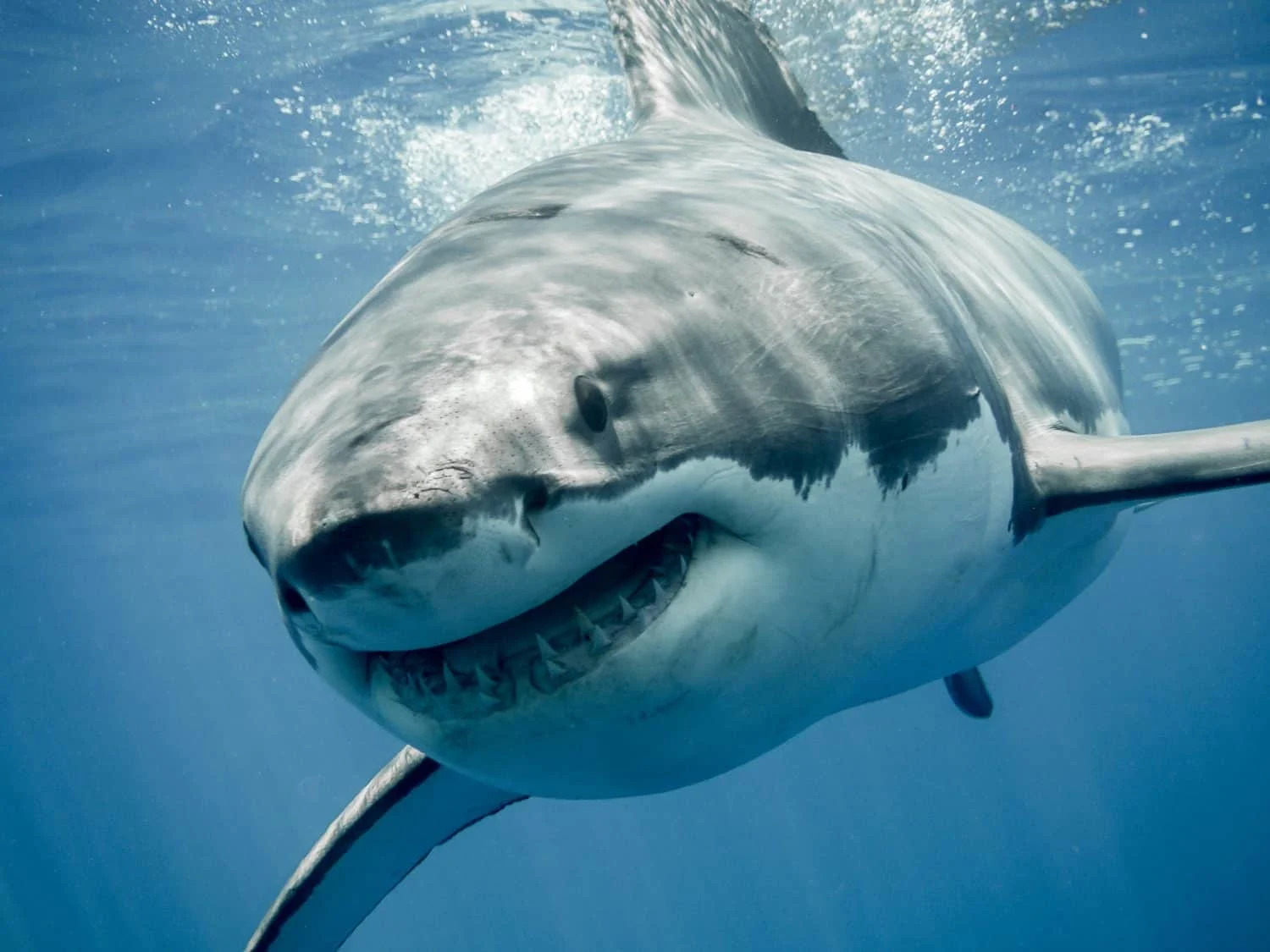
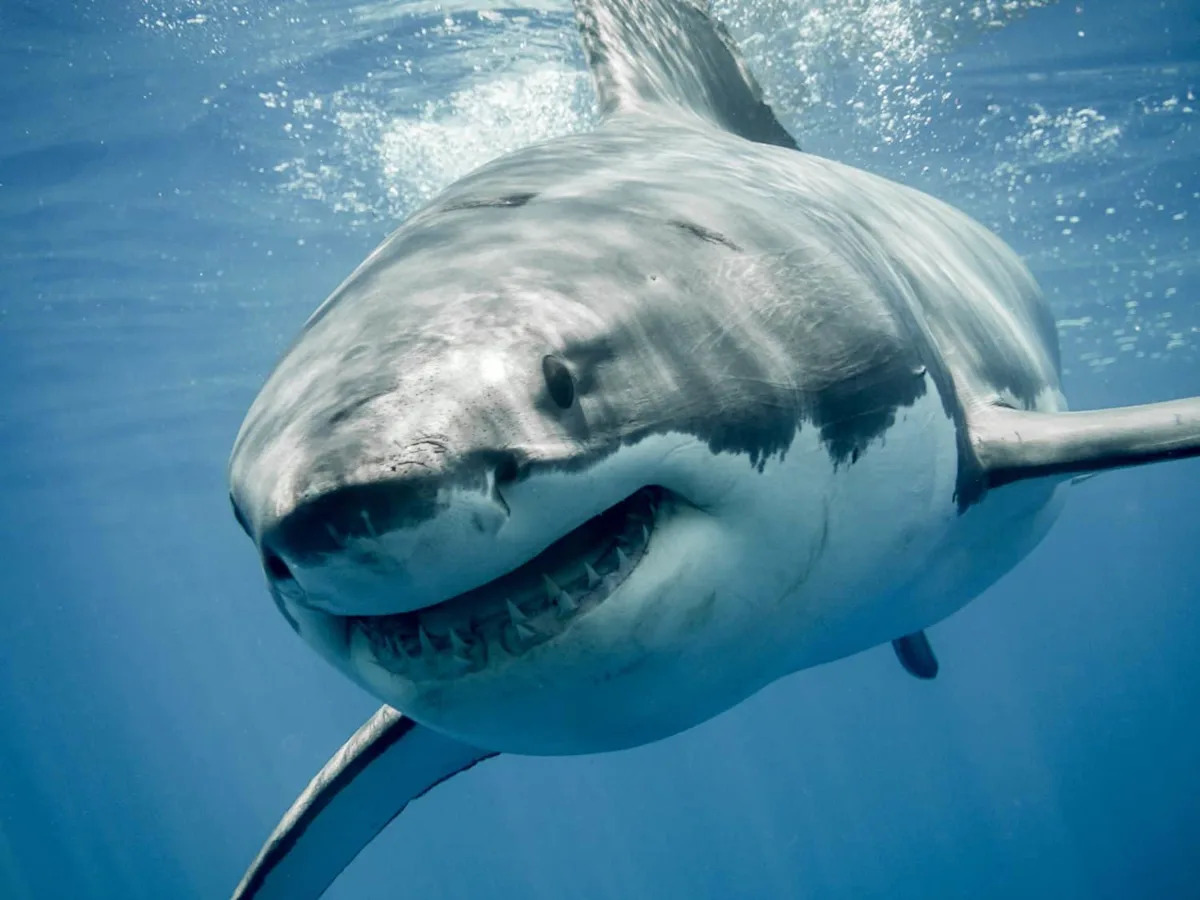
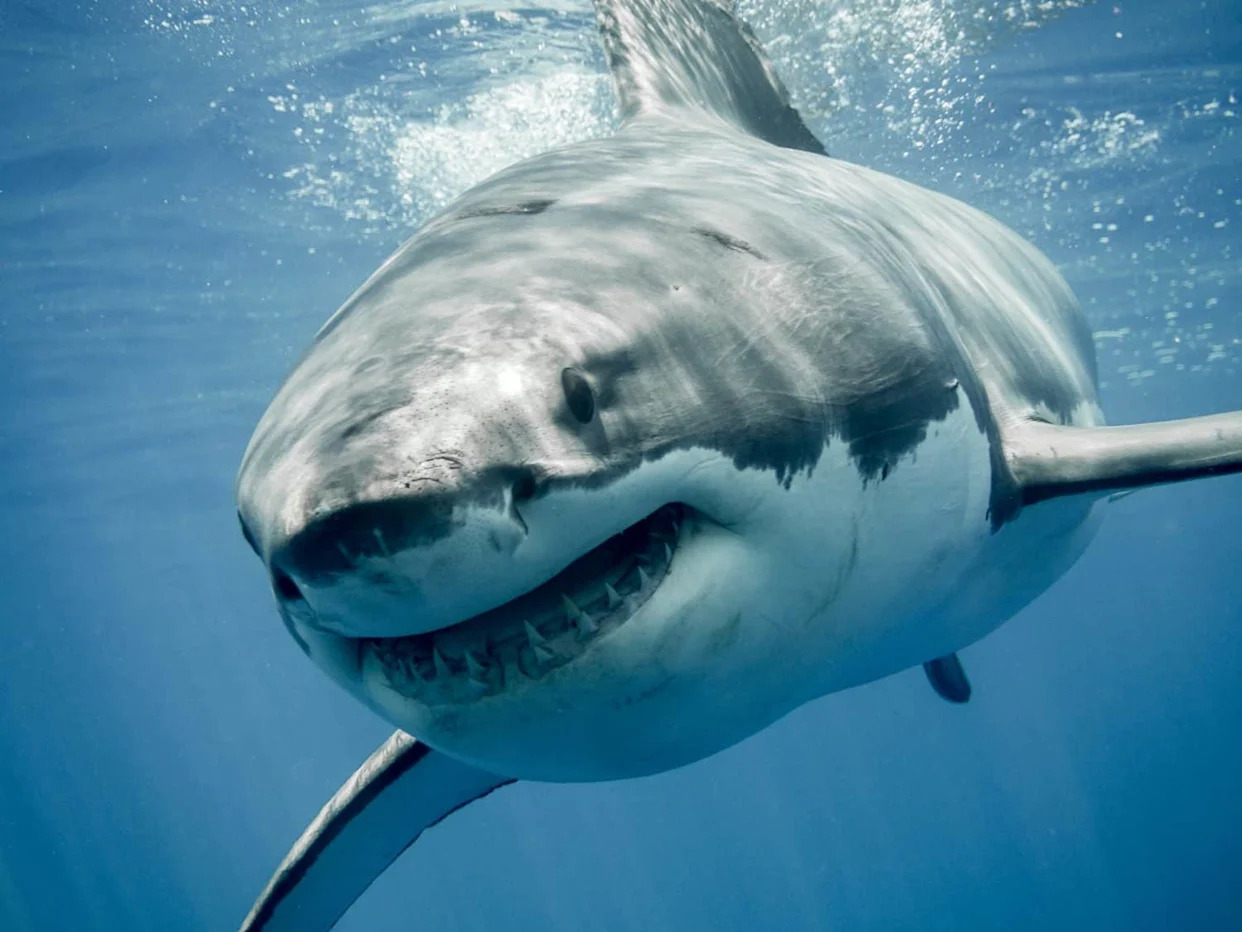
Mediterranean great white sharks are critically endangered.

©Aquabluedreams/Shutterstock.com

Therefore, the Mediterranean white shark population is assessed regionally as Critically Endangered due to their slow life history (the time they take to reproduce). Subpopulation decline is due to ongoing fishing pressure. Other pressures are the negative reputation and consequent ongoing persecution of the species, together with the lack of effective management measures. Experts suggest that the Mediterranean Sea subpopulation has declined by at least 80 percent over a three-generation period. That equates to 69 years.

Reports of great whites in Spanish Mediterranean waters are very rare. The shark caught in 2023 was young; it measured 6.9 feet and weighed around 187 pounds. This prompted a study of previous sightings and reports dating back to 1862. It included reports of predation evidence, such as attacks on loggerhead turtles.

The study uncovered a total of 62 documented occurrences in Spanish waters. The data indicated a focus around the Balearic Islands. One of the more shocking historical reports was of a “marrajo” (a vernacular term that probably meant a great white shark) severing a bather’s leg at San Andrés beach, west of Málaga city, on 27 July 1862.

Taken together, the various reports provide encouraging evidence of the presence of white sharks in Spanish Mediterranean waters. They are there, but they are very elusive!  There is also some evidence that there are more reports during spring and summer, which may suggest that the sharks are using Spanish waters as a transient corridor as they follow the Atlantic bluefin tuna, which they feed on.

Recent reports indicate that there may be a great white shark breeding ground in the northeast Aegean Sea, extending from Edremit Bay to the north of Gokceada. Also, small numbers of young sharks are reported in the Sicilian Channel.

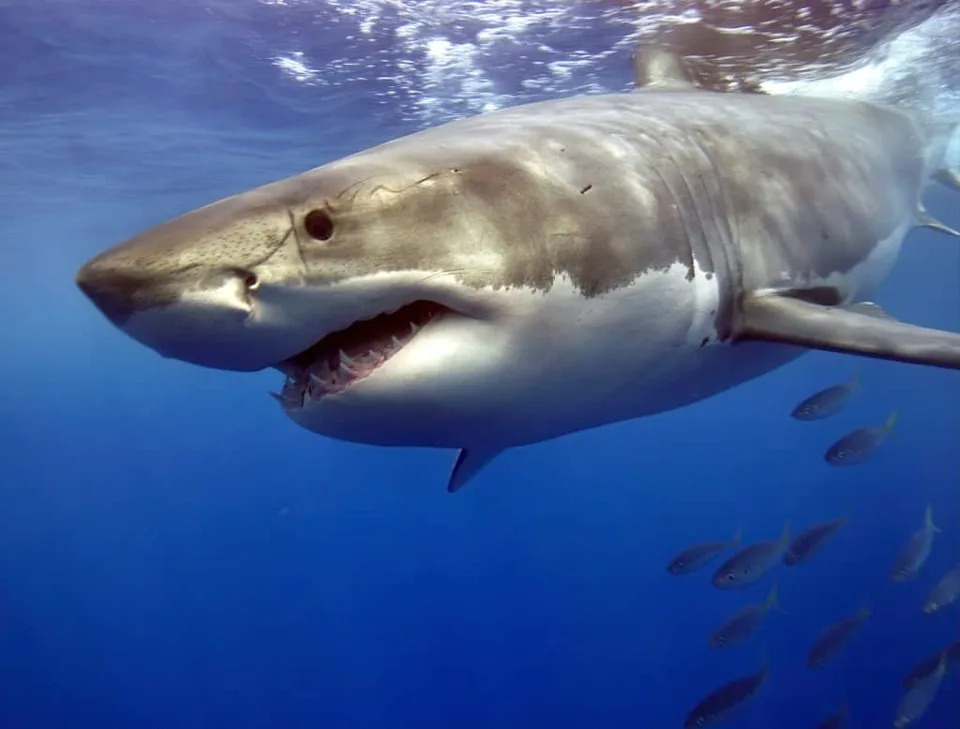
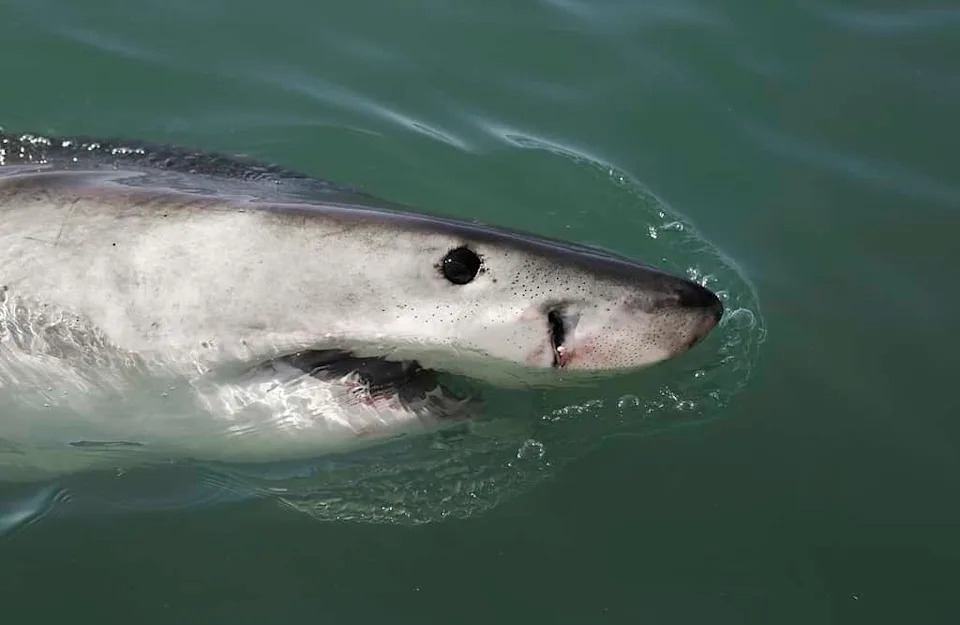
The sighting of a juvenile great white shark in Spanish Mediterranean waters is exciting.

©iStock.com/pkphotoscom

Importantly, the juvenile caught off the coast of Spain raises the tantalizing question of where it came from. Was it born in one of the central Mediterranean nurseries and migrated to Spanish waters? Was it born just off the Spanish coast? If the latter were true, it would be a significant event in Mediterranean shark conservation.

We know that the fortunes of the great white shark are deeply connected with the availability of Atlantic bluefin tuna in the Mediterranean Sea. Nowhere is this more obvious than in the Marmaric and Bosphoric waters in the northernmost extension of the Mediterranean ecosystem. Here, the drastic decline and eventual absence of Atlantic bluefin tuna coincided with a similar decline and absence of great white sharks.

Therefore, if the populations of Atlantic bluefin tuna in Spanish waters could be protected, the sharks will likely survive. These new confirmed sightings of great white sharks in the area strengthen the argument for regional conservation groups to make them a priority. Concerted action is needed to protect this iconic predator of the seas.

The post A ‘Ghost’ Great White Shark Sighting Revives a Major Mediterranean Mystery appeared first on A-Z Animals.