Press
Experts answer your questions on Kent meningitis outbreak
Images
1 / 5

2 / 5
3 / 5
4 / 5
5 / 5
A meningitis outbreak in Kent has been linked to a strain against which the majority of teenagers are not protected.

A university student, 21, and a school pupil, 18,  are confirmed to have died in the outbreak, and 11 others are in hospital.

The majority of young people born before 2015 have not been vaccinated for meningitis B unless they had it jab privately. Hundreds of people are being urged to get antibiotics to stem the spread of infection.

Health experts Dr Ellie Cannon, a GP, Dr Tom Nutt, chief executive of charity Meningitis Now, and the BBC's health editor Hugh Pym have been answering your questions on the outbreak.

Here's a selection of their responses.

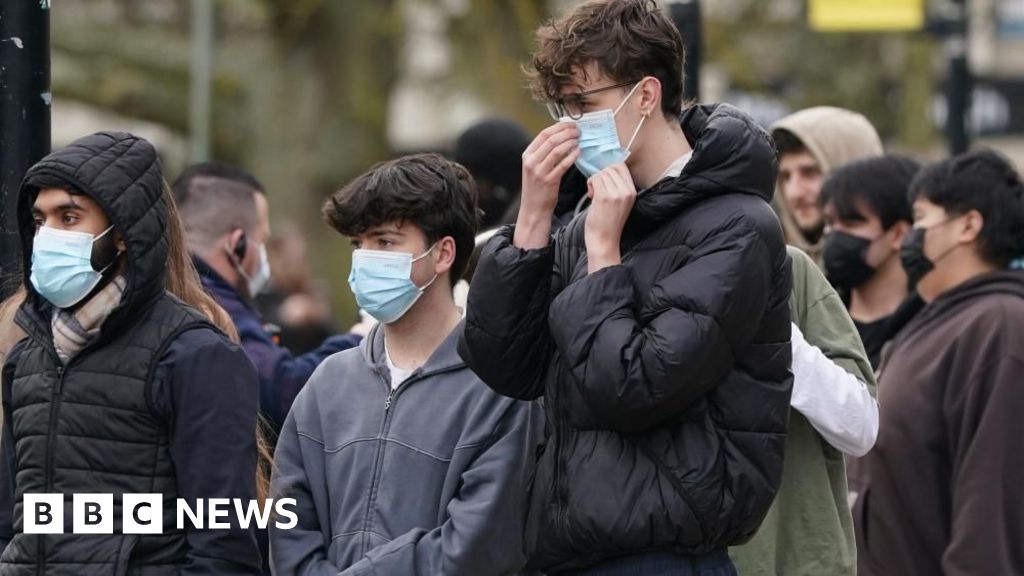
The infection can be spread through "close personal contact", Hugh Pym explained.

This could happen in crowded environments or close living arrangements.

He also said the infection can be spread by people who are not presenting with symptoms.

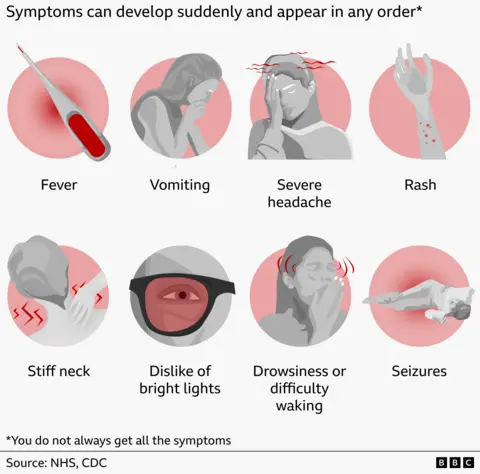
While it is not as infectious as illnesses like flu or Covid, it can take a turn for the worse "really quickly", he added.

The Meningitis B vaccine was introduced for babies born on or after 1 July 2015.

That means it is "very possible" teenagers now will not have received it "because that was not on the schedule when those young adults were babies," Dr Ellie Cannon explained.

However, some young people may have opted to get the vaccine privately, she said.

Another vaccine, the MenACWY, protects against four strains of meningococcal bacteria and is offered to teenagers at school when they are around 13 or 14 years old. However, it does not protect against meningitis B.

The "concern right now" is therefore about young adults not having had the meningitis B vaccines and this is what parents should be checking, Cannon said.

Dr Tom Nutt said meningitis can cause "devastation when it strikes" and that around one in 10 people infected by bacterial meningitis will die.

He added that it was not unusual for people to die within 24 hours or less.

There is something "particularly nasty about this disease", which causes "untold pain" to families, Nutt said.

Nutt said there was a "tragic randomness" and unpredictability to meningitis outbreaks.

"There's a necessary vigilance that's required all the time," he said.

As meningitis is so fast-acting, it is important that if anyone feels unwell they should tell their flatmates or neighbours, so they can keep an eye on them, Nutt said.