yahoo Press
Why One Analyst Thinks LLY Is Worth $850 While the Rest of Wall Street Targets $1,216
Images
1 / 4
2 / 4

3 / 4

4 / 4
Eli Lilly (LLY) faces a downgrade to Reduce from HSBC analyst Rajesh Kumar, who cut his price target from $1,070 to $850, citing overestimated obesity drug market size ($80B-$120B by 2032 versus current expectations of $150B+) and accelerating price competition, with Mounjaro and Zepbound generating 60% of Q4 2025 revenue ($11.67B of $19.29B total).

HSBC believes GLP-1 pricing pressure will intensify as volume carries revenue growth, with U.S. prices already down high single digits in Q3 2025 despite 62% volume growth, while oral candidate orforglipron launch expectations may be inflated.

A recent study identified one single habit that doubled Americans’ retirement savings and moved retirement from dream, to reality. Read more here.

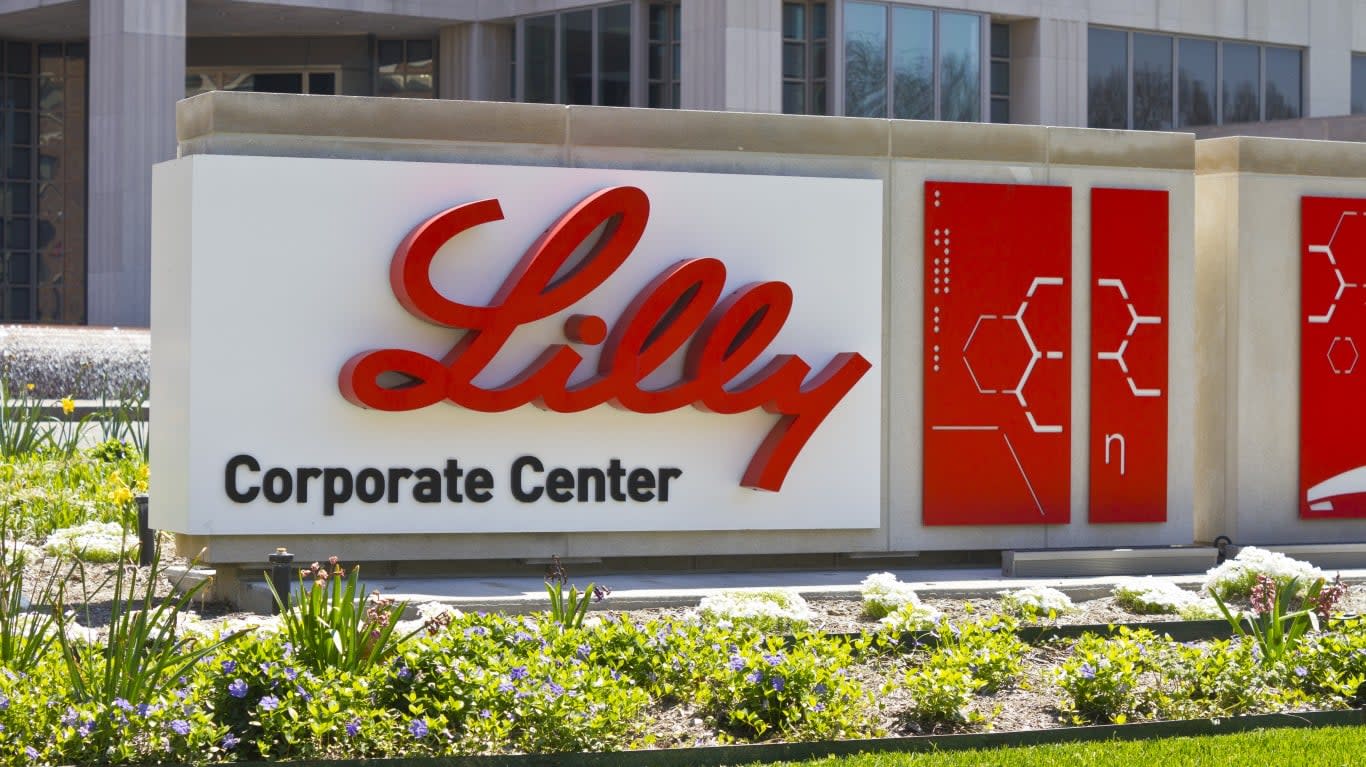
Eli Lilly (NYSE:LLY) shares have pulled back sharply, falling  9% over the past month, and 13% year-to-date. Most Wall Street analysts remain constructive, with a consensus price target of $1,216.93 and 24 buy-equivalent ratings versus just 1 strong sell. Now, HSBC analyst Rajesh Kumar is stepping against that tide, downgrading LLY to Reduce with a price target of $850, a significant discount to where shares currently trade. But can LLY realistically reach $850 by end of 2026?

Kumar cut his target from $1,070 to $850, arguing that the obesity drug market's total addressable market is being overstated by investors. HSBC believes the obesity market will reach $80 billion to $120 billion by 2032, well below the $150 billion-plus figure embedded in current expectations. The firm also warns that price competition in the GLP-1 space is likely to be significant, and that Lilly's 2026 obesity price cuts represent a meaningful headwind even as management's guidance implies continued high-volume growth.

Read: Data Shows One Habit Doubles American’s Savings And Boosts Retirement

Most Americans drastically underestimate how much they need to retire and overestimate how prepared they are. But data shows that people with one habit have more than double the savings of those who don’t.

Oral GLP-1 Expectations May Be Too High: HSBC believes launch expectations for Lilly's oral GLP-1 candidate, orforglipron, are elevated, and that compliance and persistence with oral anti-obesity medications could disappoint. While an oral pill could expand access, converting that into durable revenue is a different challenge.

Pricing Pressure Is Accelerating: Lilly's own filings confirm volume is carrying the revenue load while prices fall. U.S. prices declined by high single digits in Q3 2025, with 10% lower realized prices partially offsetting a 62% volume increase. That dynamic is unlikely to reverse.

Concentration Risk in Two Products: Mounjaro and Zepbound together generated $11.67 billion of Lilly's $19.29 billion in Q4 2025 revenue, representing over 60% of the quarter's total. Any demand softness or pricing concession in either drug flows directly to the bottom line.

At $850 per share against approximately 893 million shares outstanding, HSBC's target implies a market cap well below where Lilly trades today. For the bear case to play out: orforglipron's launch would need to underwhelm, GLP-1 pricing would need to deteriorate faster than volume compensates, and investor sentiment around the obesity market's long-term size would need to reset lower. The stock would also need to de-rate from its current 43x trailing P/E.

The primary risk to HSBC's thesis is that Lilly continues to execute: Q4 2025 revenue of $19.29 billion beat estimates by 7.33%, and 2026 guidance calls for $80 billion to $83 billion in revenue. How the obesity drug market evolves in the coming quarters will be a key factor in whether HSBC's thesis or the broader Wall Street consensus proves more accurate.

Most Americans drastically underestimate how much they need to retire and overestimate how prepared they are. But data shows that people with one habit have more than double the savings of those who don’t.

And no, it’s got nothing to do with increasing your income, savings, clipping coupons, or even cutting back on your lifestyle. It’s much more straightforward (and powerful) than any of that. Frankly, it’s shocking more people don’t adopt the habit given how easy it is.