yahoo Press
Lululemon adds Chip Bergh to board as North America revenue declines
Images
1 / 4
2 / 4

3 / 4

4 / 4
This story was originally published on Retail Dive. To receive daily news and insights, subscribe to our free daily Retail Dive newsletter.

Still on the hunt for a new CEO, Lululemon reported Q4 sales were essentially flat year over year, or up 6% excluding the extra week in 2024. Comps grew 3% in the quarter. Meanwhile, for 2025 revenue grew 5% overall and comps increased 2%.

Trends were worse in North America, with net revenue decreasing 4% in Q4 and 1% for the full year, as comps declined by low-single-digits in the region over both periods. It was the first year of U.S. revenue declines, according to Guggenheim analysts.

Interim co-CEO and CFO Meghan Frank said on a call with analysts that the CEO search was ongoing and the company was “meeting with highly qualified candidates.” The retailer also announced Tuesday that former Levi’s CEO Chip Bergh would join the board, with long-time director David Mussafer retiring.

Lululemon founder Chip Wilson, who has been on an aggressive campaign against the company, notched what William Blair analysts called “a key acquiescence” from Lululemon in the naming of a new board member.

In response, Wilson quickly took to his favored method of putting out press releases about Lululemon’s decisions, calling Mussafer’s retirement “another step of welcome change.” At the same time, he took issue with Bergh’s appointment, saying it was “underwhelming,” that the companies Bergh worked for had underperformed their peers and that the board did not discuss it with him or allow him to meet with Bergh first.

"I want to be clear that while yesterday's announcement is a step in the right direction, glaring governance deficiencies remain,” Wilson said in a Wednesday press release. “The Board still includes three directors tied to the private equity firm led by Mr. Mussafer, a firm that does not even have a disclosed ownership stake in lululemon. I am prepared to continue the effort for as long as necessary to effectuate the quantum of change required to return lululemon to its premium position."

Wilson has been battling Lululemon since the departure of CEO Calvin McDonald and took particular aim at the composition of the board. He has nominated his own board nominees and argued that Lululemon lacks creative leadership.

Laurent Vasilescu, a senior analyst with BNP Paribas Equity Research, pointed out that Bergh has deep expertise with turnarounds, something Lululemon could also be looking for in its next CEO.

Though Wilson continues to express dissatisfaction with Lululemon’s leadership, William Blair analysts led by Sharon Zackfia pointed out that the strategy Lululemon outlined — specifically a focus on returning to full-price selling and improving the assortment — directly relates to Wilson’s “high-visibility criticisms.”

The retailer is already seeing improvements in full-price selling and expects growth in that metric in Q2 and into the second half of the year, according to Frank. Lululemon is also reducing some SKUs, cutting back on markdowns and rebalancing inventory to achieve that goal in North America.

“We know we must improve our performance in North America while continuing our momentum internationally,” Frank said. “We have already taken decisive actions to position the business for sustainable growth.”

On the earnings call Tuesday, Frank outlined a three-pronged strategy that covers product creation, product activation and enterprise enablement. Under the product creation bucket, Lululemon is focused on “raising the bar” on product design, producing consistent innovation, improving product quality and accelerating speed to market.

“When looking at our overall product assortment, you'll see it continue to evolve based on the strategic vision of our creative team,” Frank said. “A few specific examples of what you can expect going forward include updates on some of our key lounge and lifestyle franchises, fewer logos, a more focused and coordinated color palette and a more edited assortment of our smaller accessories.”

With spring merchandise that is currently hitting its stores, Lululemon’s new style penetration in North America is now 35%, interim co-CEO and Chief Commercial Officer André Maestrini told analysts, and the company is seeing encouraging results from some of its new drops. Still, Lululemon lost a point of market share in activewear in Q4, though it maintained share in the overall apparel market, according to Frank.

"The company’s biggest weakness is on the merchandising side. Its lack of compelling product and continued missteps have hurt brand trust while undermining its premium positioning,” Emarketer analyst Rachel Wolff said in emailed comments. “While lululemon claims to be bullish about the momentum it’s seen in Q1 thus far, the retailer has a lot of work to do to reclaim its cachet."

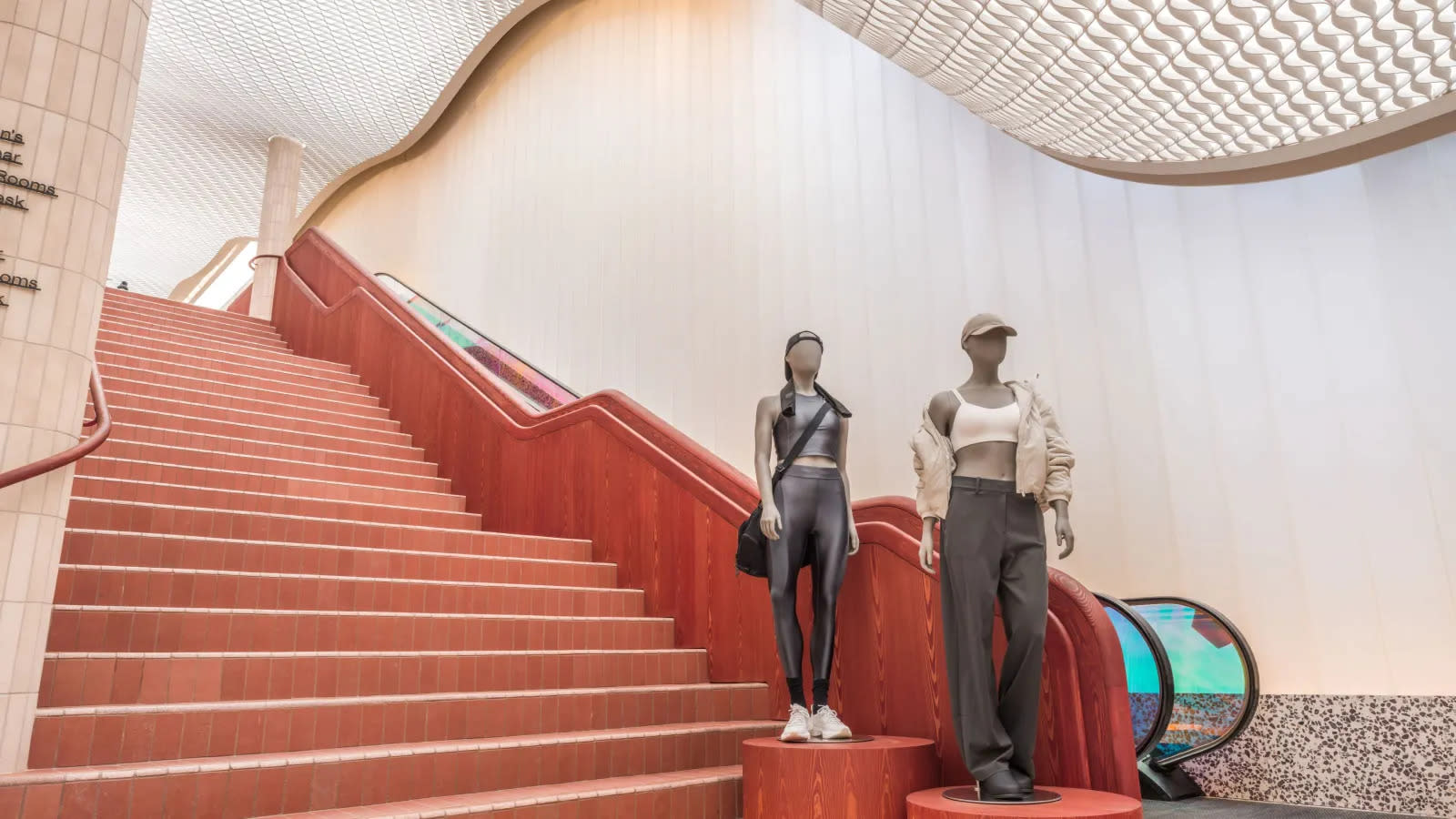
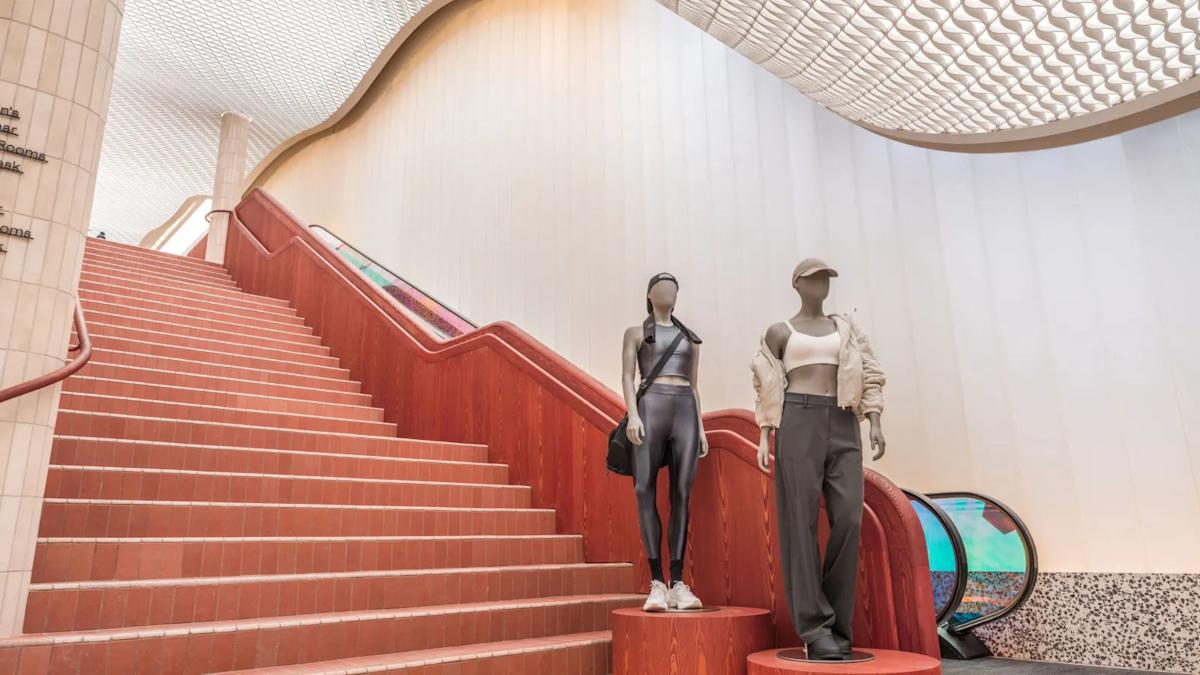
And merchandising is far from the only thing Lululemon is looking to improve. Also changing is Lululemon’s store format. The retailer is approaching its physical footprint with an emphasis on localization, as well as activity-based merchandising that groups products by categories like run, train and yoga. A new location that opened in SoHo in November is representative of these changes, which also feature less product density and “elevated presentation” to showcase new styles, Maestrini said.

Given the customer response, Lululemon plans to add those updates to additional stores in North America this year. The retailer is planning for net revenue in 2026 to grow 2% to 4% overall.

Recommended Reading

Walmart Marketplace expands into musical instruments