yahoo Press
Snail-mailing her résumé helped this 25-year-old get noticed and land a job she didn’t even apply for. Here’s how
Images
1 / 4
2 / 4

3 / 4

4 / 4
Applying for a job in 2026 typically means polishing your résumé, tailoring a cover letter and uploading it to an online portal with little to no idea whether a human will ever see it.

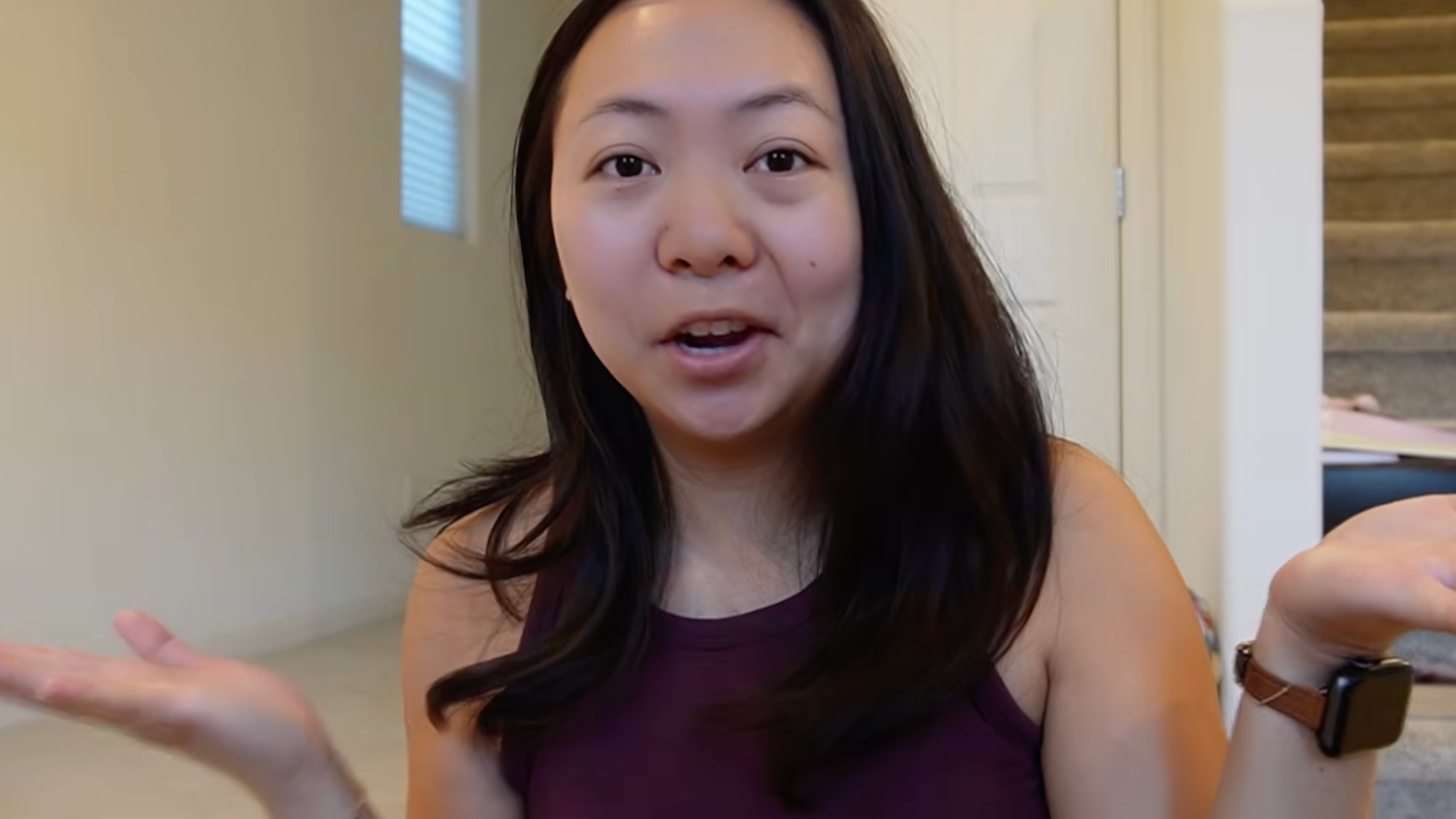
For Camille K. Manaois, that approach led mostly to silence.

After months of submitting applications, following up with recruiters and even paying for a LinkedIn premium account, the 25-year-old social media professional decided to try something that felt radical in the digital age.

Thanks to Jeff Bezos, you can now become a landlord for as little as $100 — and no, you don't have to deal with tenants or fix freezers. Here's how

This 20-year-old lotto winner refused $1M in cash and chose $1,000/week for life. Now she’s getting slammed for it. Which option would you pick?

Dave Ramsey warns nearly 50% of Americans are making 1 big Social Security mistake — here’s what it is and the simple steps to fix it ASAP

Manaois did something her grandparents might do, snail-mailing her résumé to six potential employers (1).

“It’s not like an email that will just land in the spam folder,” she told CNBC Make It. “You receive mail on your desk and you’re like, ‘Well I’m going to open it; it’s addressed to me.’”

Here’s how her unconventional strategy paid off.

To make her application even harder to ignore, she included a letter of recommendation from a colleague and a brief note for whoever might open the envelope.

“Some applicants rely on algorithms,” she wrote. “I’d rather rely on a more reliable route: your desk. Thank you for your time in reading my materials.”

Manaois admits “it felt really cringy and kind of embarrassing” to take such a direct route, particularly as a member of the Gen Z cohort.

It also struck one millennial hiring manager who saw her package as highly unusual.

“I’m 44 and I wouldn’t think about putting something in the mail,” Kristin Whittemore told CNBC Make It.

Manaois’ daring strategy reflects her generation’s challenge standing out in an increasingly saturated hiring market.

As of February 2026, unemployment among 16-24 year-olds stood at 9.5% — more than double the national average of 4.4%, according to the Federal Reserve,

Meanwhile, what counts as “entry-level” work is shifting. The career site The Interview Guys analyzed 2,000 LinkedIn job postings and found that more than a third of so-called ‘entry-level’ jobs required at least a few years’ prior experience (2).

Read More: 5 essential money moves to make once you’ve saved $50,000

Read More: Young millionaires are ditching stocks. Why older Americans should take note

Meanwhile, feeling ghosted by recruiters is increasingly common when 45% of HR professionals admit posting “ghost jobs” or listings that are not tied to an immediate hiring need (3).

For Manaois, mailing in her résumé felt less like a gimmick and more like a way to reclaim some control.

It worked. Four companies got back to her by email, even if they all turned her down.

In fact, one of those four firms — a sports betting company — was so impressed that they submitted her application to a communications agency in the same building: Carma Connected.

The vice-president of Carma Connected’s Las Vegas office was none other than Kristin Whittemore, the 44-year-old who wouldn’t dream of putting her résumé in the mail. Manaois’ bold move won Whittemore over, and she hired her.

“For someone as young as her to think about putting something in the mail was just wild, so it got all of our attention,” Whittemore recalled.

For many job seekers today, the challenge isn’t just finding roles to apply for, it’s making sure their application is seen.

Lindsay Mustain, a former Amazon recruiter turned career strategist, told CNBC Make It that recruiters are “buried by a sea of sameness,” as AI-generated résumés and high application volumes make it harder for candidates to distinguish themselves and harder for hiring teams to review every submission closely.

They’re literally swamped.

Mustain says candidates should focus on doing whatever they can to get their materials “in front of a human.”

That doesn’t mean everyone needs to start mailing out their résumés like Manaois.

Maintaining an active presence on platforms like LinkedIn, for example, can help candidates showcase their interests, personality and recent work in ways a traditional résumé can’t. Recruiters often review profiles and activity when evaluating applicants.

Small gestures can also be important. Sending a thank-you note after an interview whether digitally or even by post can reinforce professionalism and signal genuine interest in the role.

Career advisors add that one of the simplest ways to stand out is by asking better questions. Research from Harvard Business School found that people who ask follow-up questions during conversations tend to be better liked and learn more from the interaction (4).

In job interviews or networking conversations, that can signal curiosity, strong listening skills and emotional intelligence, qualities that may help candidates leave a stronger impression than those who simply answer questions and move on.

In the end, Manaois’ approach didn’t just help her get noticed, it helped change how one hiring manager thought about evaluating candidates.

Whittemore says the agency may not have offered Manaois an interview if she had applied through traditional channels, since she didn’t come from the hospitality-focused industries.

But her creativity signaled something harder to teach: initiative.

“I can teach industry,” Whittemore says. But “I can’t teach what she just did; that comes from within.”

In a hiring system shaped by automation and checklists, Manaois’s story shows how initiative and a willingness to be noticed can still open doors that algorithms might have closed.

Robert Kiyosaki begs investors not to miss this ‘explosion’ — says this 1 asset will surge 400% in a year

Turning 50 with $0 saved for retirement? Most people don’t realize they’re actually just entering their prime earning decade. Here are 6 ways to catch up fast

Vanguard reveals what could be coming for U.S. stocks, and it’s raising alarm bells for retirees. Here’s why and how to protect yourself

Here’s how I’m keeping my $2M nest egg safe at 71 — and making sure my grandkids inherit every penny

Join 250,000+ readers and get Moneywise’s best stories and exclusive interviews first — clear insights curated and delivered weekly. Subscribe now.

We rely only on vetted sources and credible third-party reporting. For details, see our editorial ethics and guidelines.

CNBC Make It (1); The Interview Guys (2); Live Career (3); Harvard Business School (4)

This article provides information only and should not be construed as advice. It is provided without warranty of any kind.