yahoo Press
Wolves Are Stealing Cougar Kills in Yellowstone — And the Big Cats Are Quietly Changing Their Hunting Strategy
Images
1 / 16
2 / 16

3 / 16

4 / 16

5 / 16

6 / 16
7 / 16
8 / 16
9 / 16
10 / 16
11 / 16
12 / 16
13 / 16

14 / 16

15 / 16

16 / 16
The post Wolves Are Stealing Cougar Kills in Yellowstone — And the Big Cats Are Quietly Changing Their Hunting Strategy appeared first on A-Z Animals.

Cougars have shifted their prey selection to reduce interactions with gray wolves in Yellowstone National Park.

Gray wolves have killed cougars over their prey within the last decade in Yellowstone.

Gray wolves have an advantage over cougars because they hunt in packs rather than solo, as cougars do.

The shift in prey selection has allowed cougars and gray wolves to coexist in Yellowstone.

Gray wolves and cougars are not only iconic to the Yellowstone National Park landscape, but they also play important roles in the overall health of the ecosystem. With both being apex predators, there is competition for food sources. As a result, wolves are stealing cougars’ kills in Yellowstone. To combat this, the big cats have quietly been changing their hunting strategy. In doing so, interactions between the two species have decreased, suggesting that wolves and cougars can coexist, at least for now, within the national park.

Wolves and cougars are the apex predators of their environments. When the two inhabit the same ecosystems, questions arise about whether the prey available can sustain both populations. As it turns out, both species can thrive, but one will have to make concessions for this to happen.

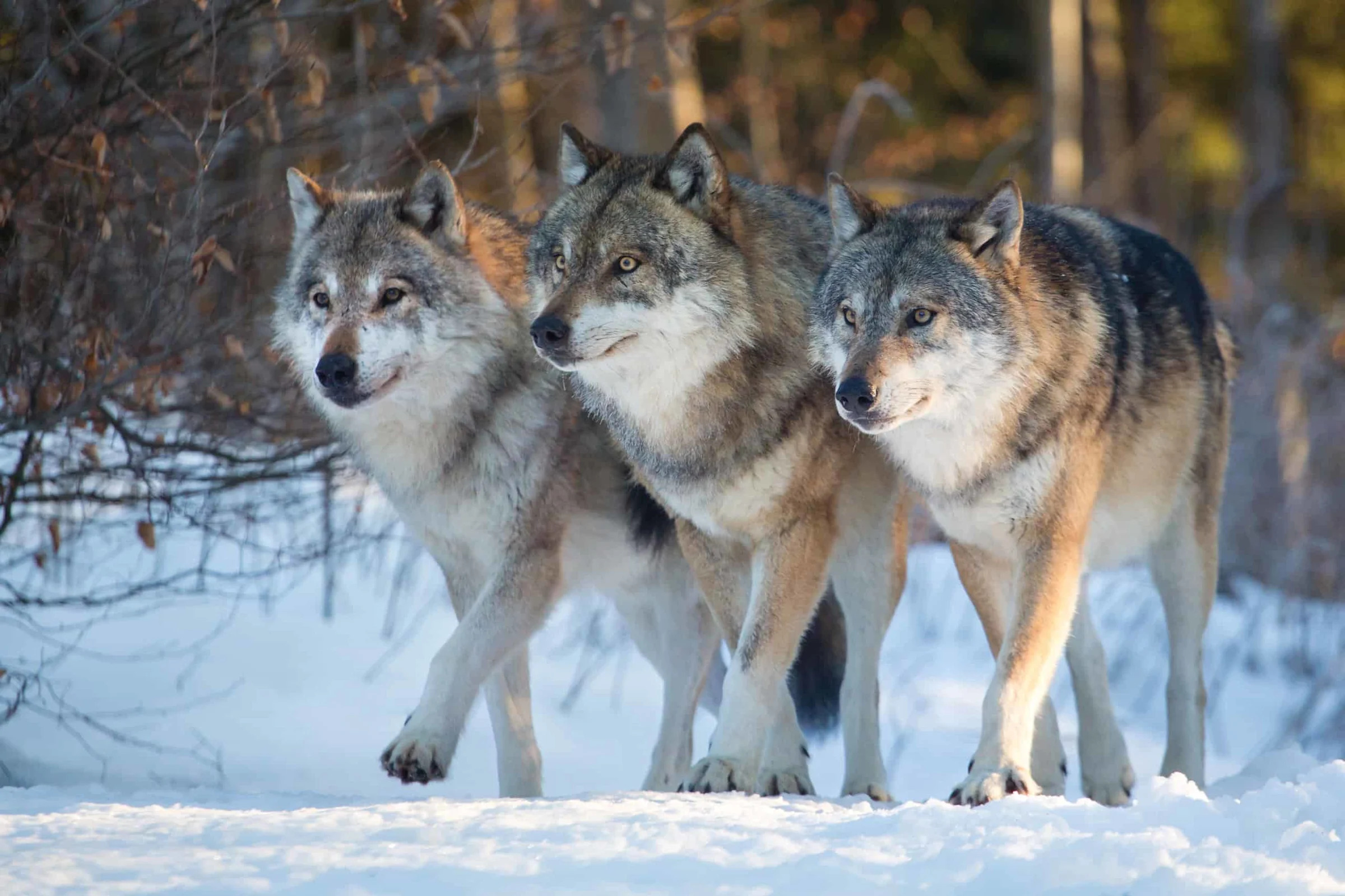
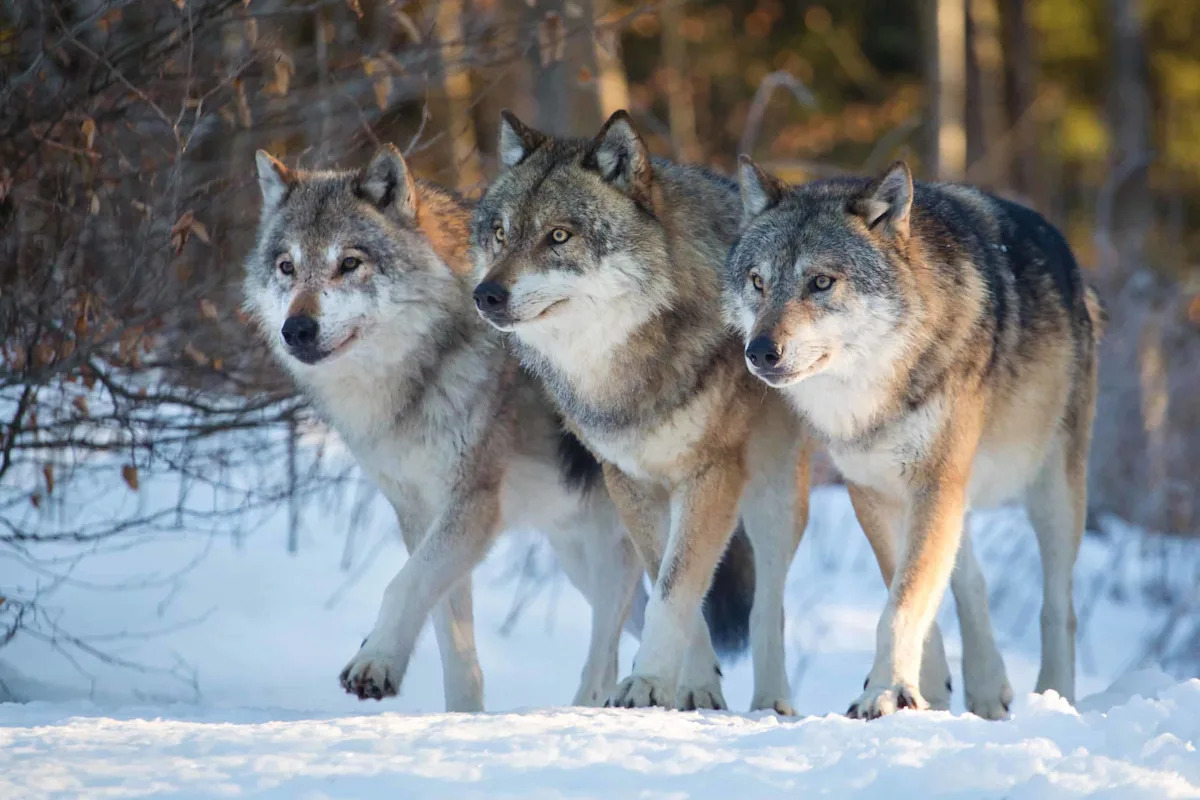
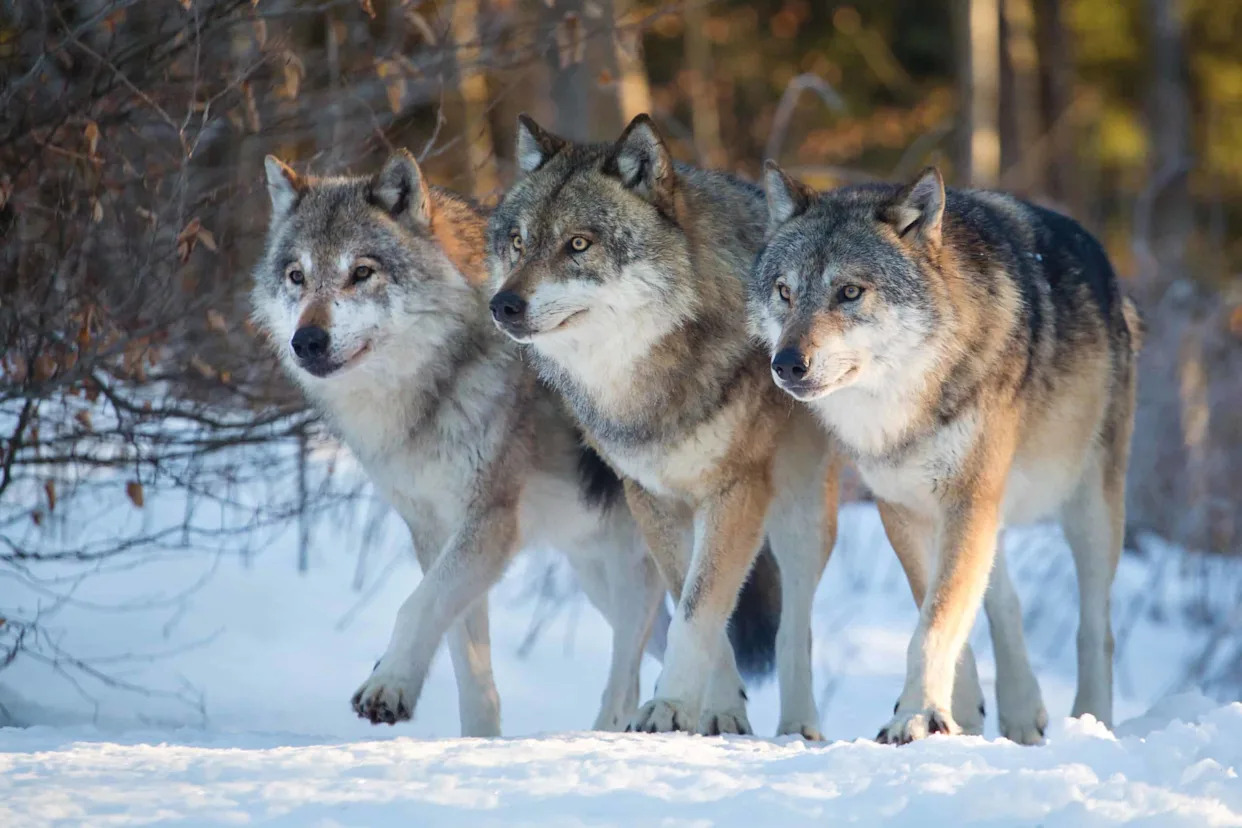
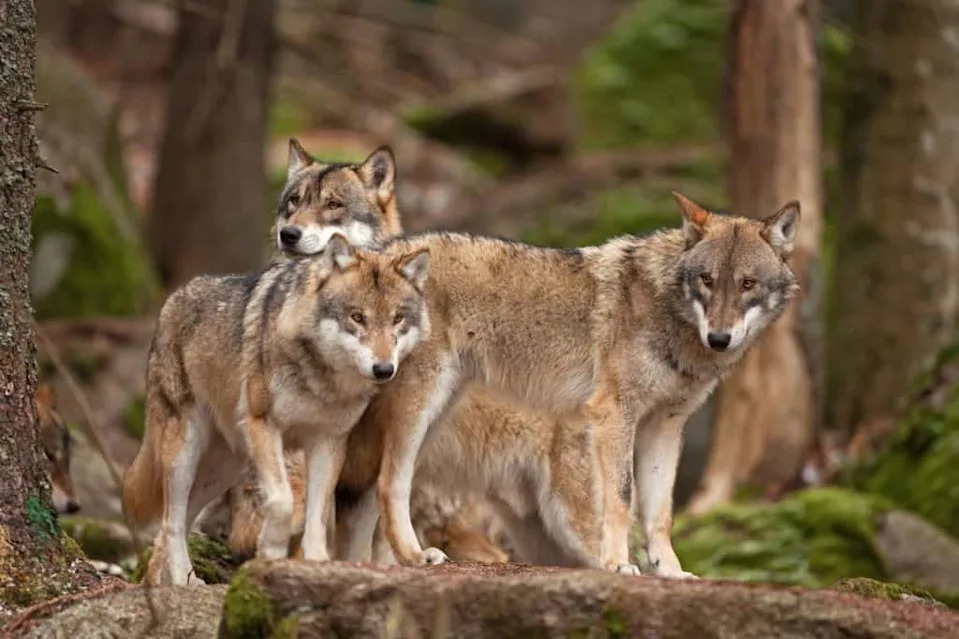
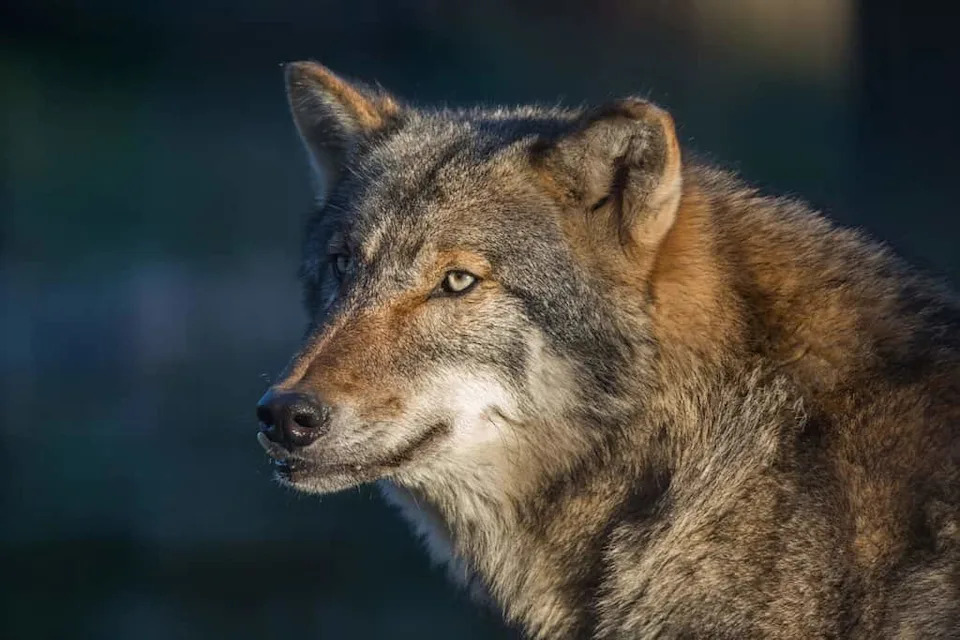
Gray wolves have been stealing cougar kills in Yellowstone National Park.

©Daniel Korzeniewski/Shutterstock.com

According to a new study published in PNAS, cougars and gray wolves can coexist with the prey afforded to them in Yellowstone National Park. This is not because the two predators live in separate regions of the national park. Instead, cougars have had to adapt and change their hunting strategy to keep from having unwanted interactions with wolves.

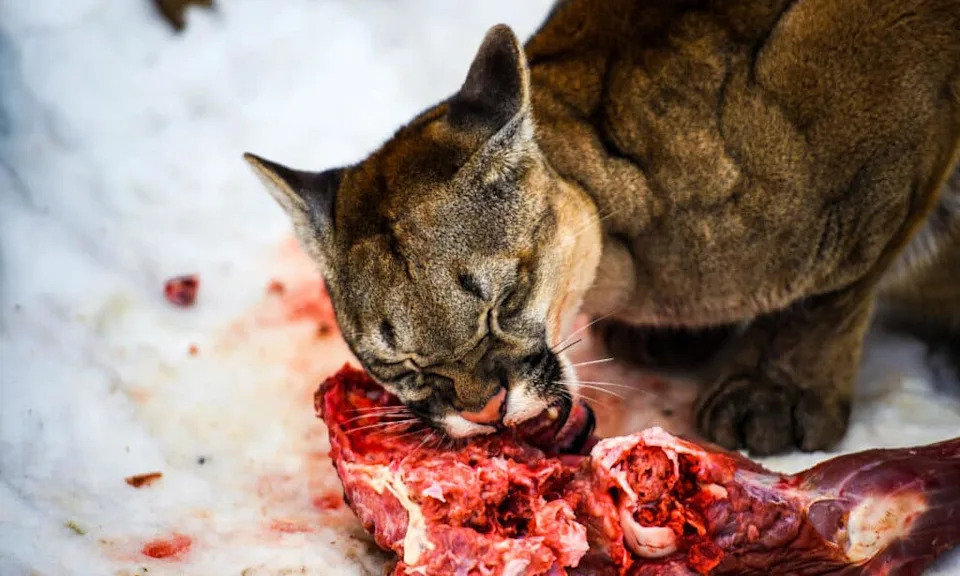
The study points to cougars changing their prey as a key factor in their survival. Whereas wolves are more likely to scavenge and take prey from other predators, cougars do not share this tendency. Therefore, to keep wolves from stealing their hard-earned prey, cougars have begun to target smaller prey that can be consumed quickly. By the time cougars have had their fill, they are long gone. This allows wolves to scavenge what is left, should they choose to do so.

Over the course of the nine-year study, both wolves and cougars changed their preferred prey. Between 1998 and 2005, both apex predators chose elk as their primary prey. This changed during the study for both animals, but for different reasons.

Since the reintroduction of gray wolves to Yellowstone National Park, the elk population has declined dramatically. Where there were 20,000 elk in the mid-1990s, there are around 8,000 today. Some of the population decline has been attributed to the wolves. However, climate change and habitat degradation have also contributed to a decline in elk numbers. As a result, gray wolves have begun targeting bison, whose population has increased in recent years.

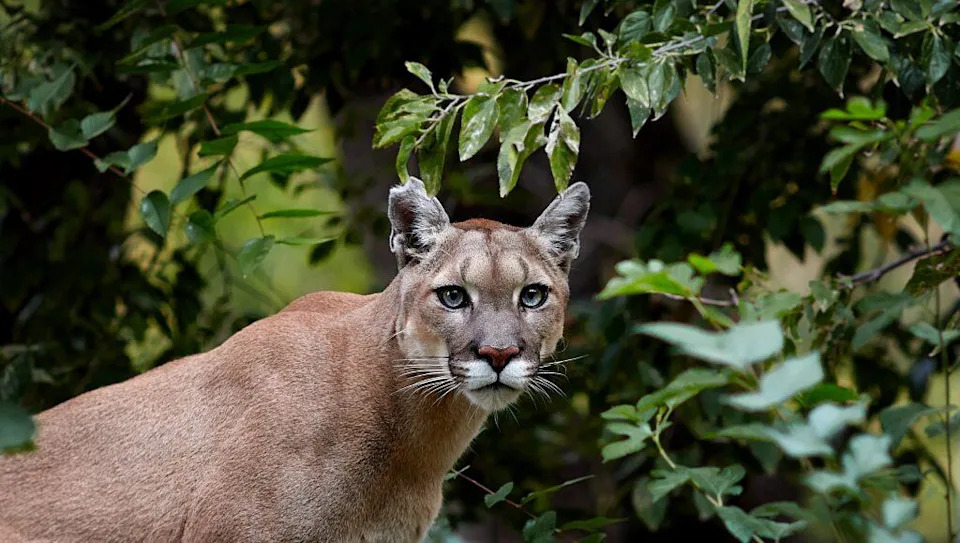
Cougars have adapted to wolves stealing their prey by shifting their primary food sources.

©The Len/Shutterstock.com

As pack animals, the gray wolves can separate a bison from the herd and make it easy prey. The same cannot be said for cougars. While cougars also targeted elk in larger numbers before 2005, deer appear to be the prey of choice today. There are a few reasons for this. Elk are in decline, whereas deer are not. Deer have become a more reliable prey source. More importantly, though, deer are smaller. Deer can be consumed more quickly, leaving a smaller window of opportunity for wolves to scavenge and chase cougars off of their kill.

According to the study, between 1998 and 2005, compared with 2016 to 2024, bison kills for wolves increased from 1% of their diet to 10%, while elk went from 95% to 63%. Cougars once had 80% of their diet consisting of elk, but decreased that to 52% in recent years. The proportion of deer targeted as prey increased from 15% to 42%.

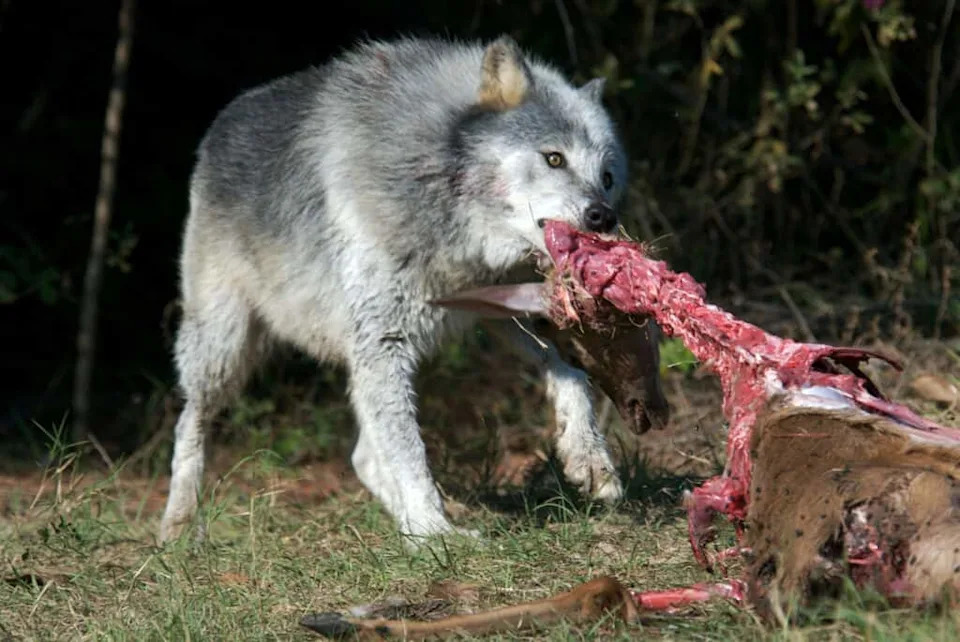
Cougars have learned that as the wolf population has increased, they need to be smarter hunters. While cougars may not be keen on scavenging, wolves are, and they will chase other predators off their kills to scavenge.

Cougars and wolves are both apex predators in Yellowstone National Park. Despite this, the conflict between the two has shown that one species is the victor. According to the study, cougars have not killed any wolves, but wolves have killed cougars.

Between 2016 and 2024, there were 12 cougar deaths noted in Yellowstone. These cougars were all adults. Of the deaths, two were the result of conflict with wolves. In both instances, the cougars had no way to escape being cornered by the wolves.

Cougars have been killed by wolves in Yellowstone over the prey they have caught.

©Evgeniyqw/Shutterstock.com

What is interesting is that the study notes that the cougars were not consumed by the wolves. The wolves were more interested in the prey the cougars had. Therefore, it is entirely possible that had the cougars been given a route to escape, they would have left their prey behind and lived another day.

The reasoning that cougars have fallen victim to wolves, rather than wolves being killed by cougars, is that wolves are pack animals. Cougars tend to be solitary. Therefore, although apex predators, cougars are at a disadvantage compared to wolves. Wolves have the numbers on their side and will generally come out on top when battling cougars.

Over the course of nearly a decade, there were likely more than just the two encounters between the gray wolves and cougars in Yellowstone. However, these two are the only encounters scientists are aware of, as the cougars were killed. What this shows is that it is possible for cougars and wolves to coexist in Yellowstone National Park, both working to keep the ecosystem they live in check.

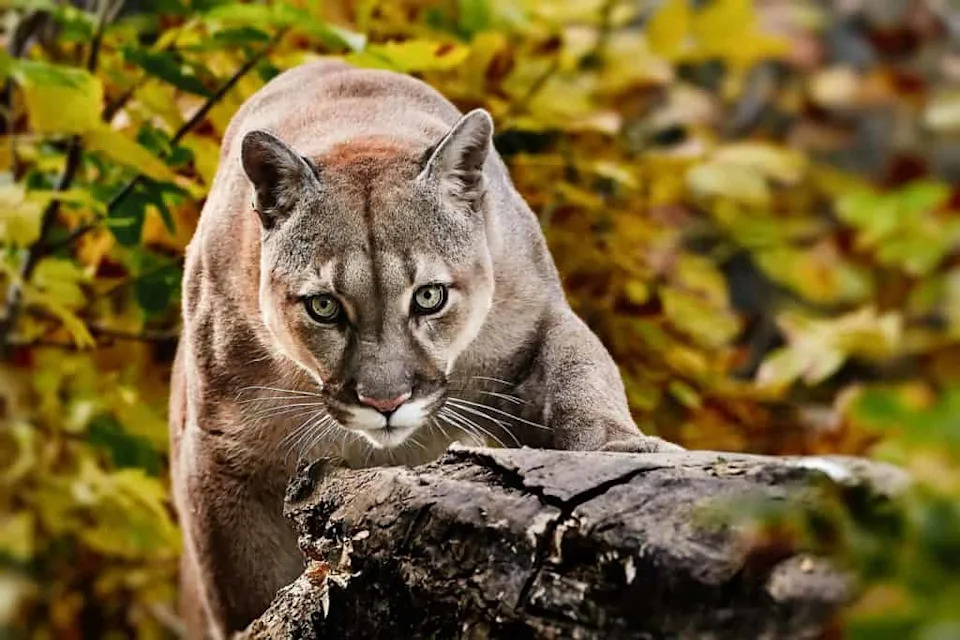
By changing their prey sources, cougars and gray wolves can coexist in Yellowstone together.

©Martin Prochazkacz/Shutterstock.com

As the study notes, cougars have adapted to preying on smaller ungulates to avoid wolves. In interactions between wolves and cougars, wolves overwhelmingly entered cougar kill sites. This happened at 42% of sites where cougars had killed prey, compared with just one site where wolves had made a successful kill.

The adaptation has allowed cougars and wolves to coexist, albeit with cougars making greater sacrifices to survive. But with different choices for prey, unless wolves choose to scavenge, there is enough territory in Yellowstone for both cougars and wolves to live together with little conflict.

The fact that cougars and wolves exist in Yellowstone National Park is a feat in and of itself. During the late 1800s and into the early 1900s, there were campaigns to eradicate both species from the regions they historically occupied. Unfortunately for both species, the campaigns were highly effective.

Cougars would eventually receive protection on a state-by-state basis beginning in the 1960s. However, the damage was already done to a subspecies. The Eastern puma went extinct.

Today, cougars in Yellowstone are doing fairly well. Up to 100 big cats can be found roaming throughout the park year-round. Of these cougars, approximately 45 are full-time residents. But because they prefer to stay away from the popular areas of the national park, they are rarely seen.

Cougars and gray wolves were once nearly hunted to extinction in the United States.

©Evgeniyqw/Shutterstock.com

Wolf populations were pushed to near extinction until recovery efforts were implemented in the 1970s. Wolves were reintroduced to the regions where they once lived. They eventually began to expand their territory and create small packs. Once protected under the Endangered Species Act, it was believed that gray wolf populations would continue to grow. The Act did not fully protect gray wolves. Instead, they were protected on a state-by-state basis. Now, with gray wolves considered recovered, a bill has passed the House to no longer classify them as endangered. It has yet to go before the Senate for final approval.

The difference between cougar and wolf populations in and around Yellowstone is that cougar populations have remained stable. Wolf populations continue to decline. With the population from 2024 to 2025 dropping from 123 to 90 wolves, there is cause for concern. After decades of hard work to increase wolf populations since their reintroduction to the national park in the mid-1990s, scientists are concerned about the future of the wolves. If they cannot be protected within the confines of Yellowstone, how can they be protected outside of the boundaries of the national park?

While both the wolves and cougars are protected within the boundaries of Yellowstone National Park, it does not mean they are immune to threats. Many times, apex predators face very few, if any, threats. However, these animals still have to battle to survive.

The threats that cougars living in Yellowstone face include:

Can be legally hunted in Wyoming, Idaho, and Montana, sparking fear that the cougars will be targeted just outside Yellowstone boundaries

Competition for prey or territory from larger predators

Injury inflicted by ungulates when hunting them

Gray wolves and cougars may be protected within the confines of Yellowstone National Park, but they still face threats to their survival.

©Szczepan Klejbuk/Shutterstock.com

In addition to cougars never being completely safe in and around Yellowstone, wolves are not either. The biggest threats wolves living in Yellowstone face include:

Wolves are specifically targeted, collared or not, when they roam outside Yellowstone

Competition with other predators for prey within the national park

Interspecies competition

Yellowstone National Park is a sanctuary for these predators, which were once eradicated not only from the region but from the United States entirely. While there is political pressure to end protections for both wolves and cougars, they play an essential role in the ecosystems they live in. Without them, ungulate populations would grow out of control. The habitats in which deer, moose, and elk live would be far less healthy. Therefore, to keep places like Yellowstone National Park balanced, wolves and cougars are a necessity. Instead of being feared, they should be revered and allowed to roam as they once did, over a century ago.

The post Wolves Are Stealing Cougar Kills in Yellowstone — And the Big Cats Are Quietly Changing Their Hunting Strategy appeared first on A-Z Animals.