Press
Kent meningitis outbreak passed its peak, says UKHSA
Images
1 / 8

2 / 8
3 / 8

4 / 8

5 / 8

6 / 8
7 / 8

8 / 8
The peak of a fatal meningitis outbreak, thought to have originated in a Canterbury nightclub, has passed according to the UK Health Security Agency (UKHSA).

A total of 29 confirmed or suspected cases of meningitis have been linked to the Kent outbreak, which has killed two people.

Trish Mannes, the agency's regional deputy director for the South East, told BBC Radio Kent that "this peak has passed, absolutely".

"We could still see cases continuing to come in, we need to keep an eye on those. We need to really understand exactly what happens a bit more before we can be too optimistic about this," Mannes said.

The UKHSA count of confirmed cases dropped on Sunday from 23 to 20 and suspected cases were reduced from 11 to nine after further testing.

Authorities said on Monday that there had been no change to the figures.

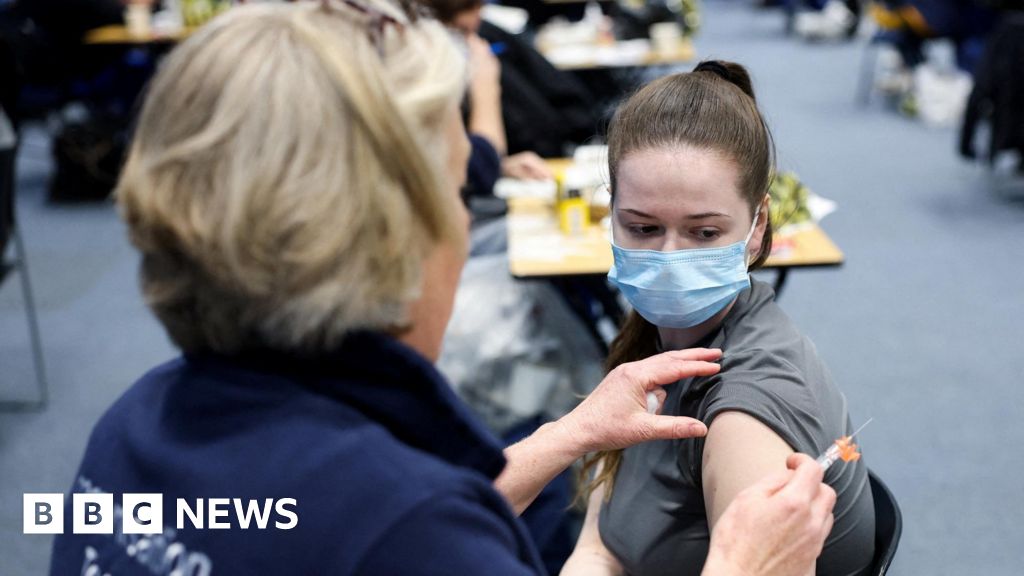
Four clinics offering offering antibiotics and vaccines to eligible people have reopened on Monday as part of the UKHSA's response to the outbreak.

More than 9,300 people have received jabs and 12,700 people have been given preventative antibiotics, according to the NHS.

The clinics are located at the University of Kent's sports centre, Kent and Canterbury Hospital in Canterbury, Vicarage Lane Clinic in Ashford, and Faversham Health Centre.

Mannes said keeping vaccination centres open was "under daily review".

The UKHSA was "hopeful" the the number of people to come forward would be "sufficient to contain the spread from this particular incident", Mannes told the BBC.

She said authorities were "just seeing cases from that initial event" at the Club Chemistry nightclub, which remains closed, so far.

Eligible University of Kent students who returned home after the spring term ended on Friday can access the vaccination and antibiotics from their local GP, according to the UKHSA.

On Sunday Health Secretary Wes Streeting praised the "Herculean efforts" of people working to "care for those affected and keep people safe".

The two people who died in the outbreak were 18-year-old sixth former Juliette Kenny from Faversham and an unnamed University of Kent student aged 21.

The strain linked to the outbreak is Meningitis B (MenB). Routine vaccinations against the strain only began to be rolled out in 2015, meaning the current generation of students and others in their late teens are not protected.

Follow BBC Kent on Facebook, on X, and on Instagram. Send your story ideas to southeasttoday@bbc.co.uk or WhatsApp us on 08081 002250.

Hayley Ellis lost her 17-year-old son, Michael to meningitis in November 2024.

The UKHSA says the number of confirmed or suspected cases in Kent has risen from 29 to 34.

Events are cancelled and businesses say the city feels quieter after the start of the outbreak which has killed two young people.

The size and speed of the outbreak which has now affected 34 people, killing two of them, has been labelled "unprecedented".

The outbreak, which has killed two people, is thought to have originated at a Canterbury nightclub.