Press
UK weather: Snow forecast for some as cold snap returns
Images
1 / 18
2 / 18
3 / 18
4 / 18
5 / 18
6 / 18
7 / 18

8 / 18

9 / 18

10 / 18

11 / 18

12 / 18
13 / 18

14 / 18

15 / 18

16 / 18

17 / 18

18 / 18
The weather over the next few days is set to take a sharp U-turn after a week basking in warm spring sunshine.

The mild, sunny days that had people enjoying outdoor activities and early blooms will be replaced by a colder, more unsettled pattern as a low-pressure system moves in, pushing aside the lingering high pressure that brought the recent warmth.

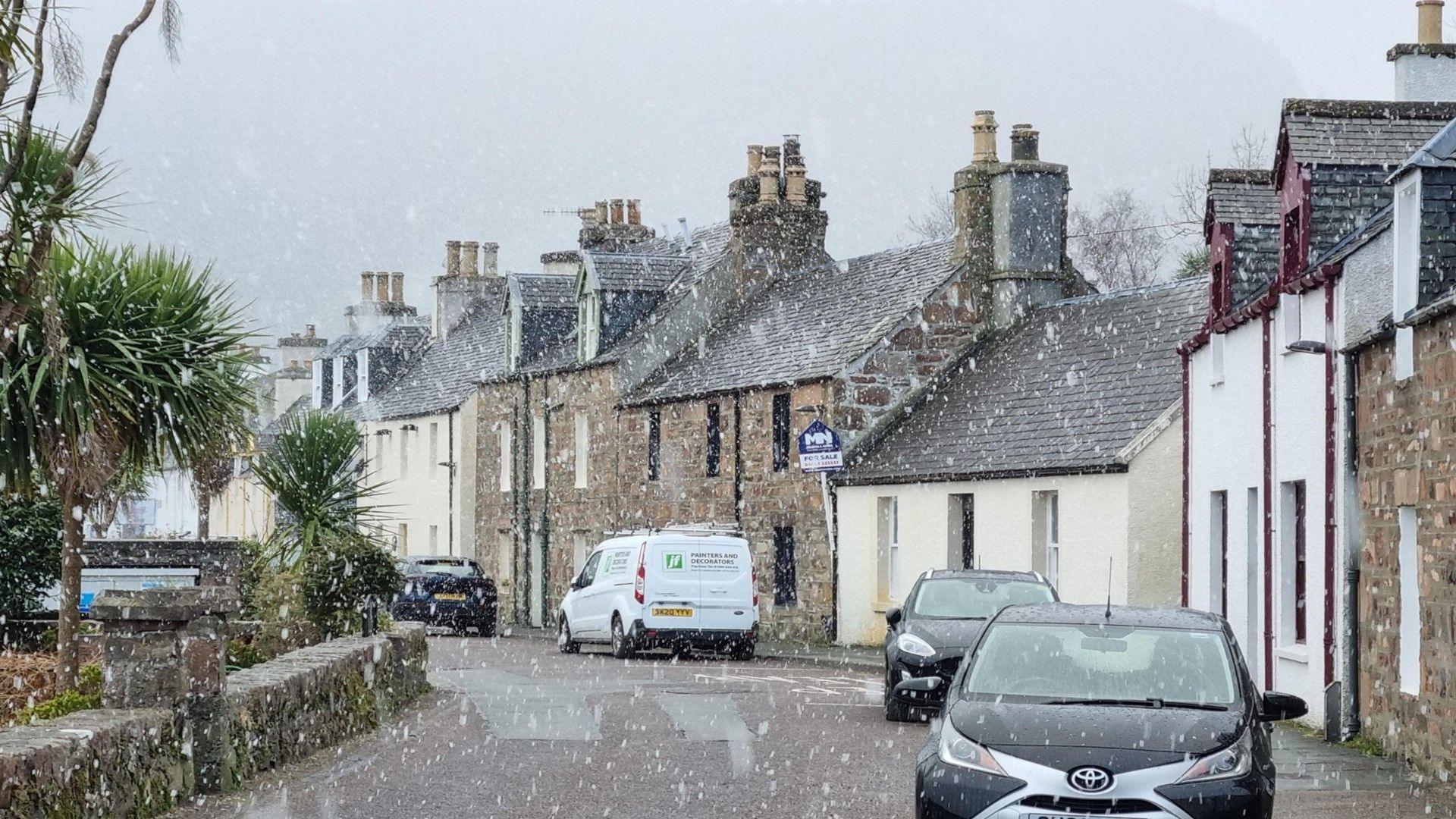
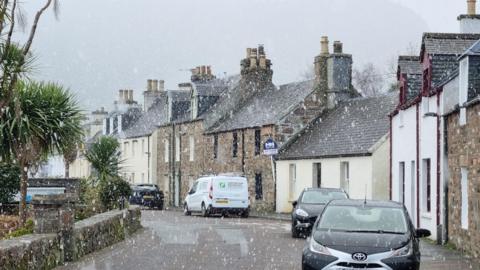
Strong northerly winds will sweep across the country, bringing blustery showers of rain, sleet, and hail, with snow over higher ground. At times, snow could fall to lower levels, particularly in northern Scotland.

However, the chilly spell isn't expected to last long, with temperatures forecast to gradually recover as we move into next weekend.

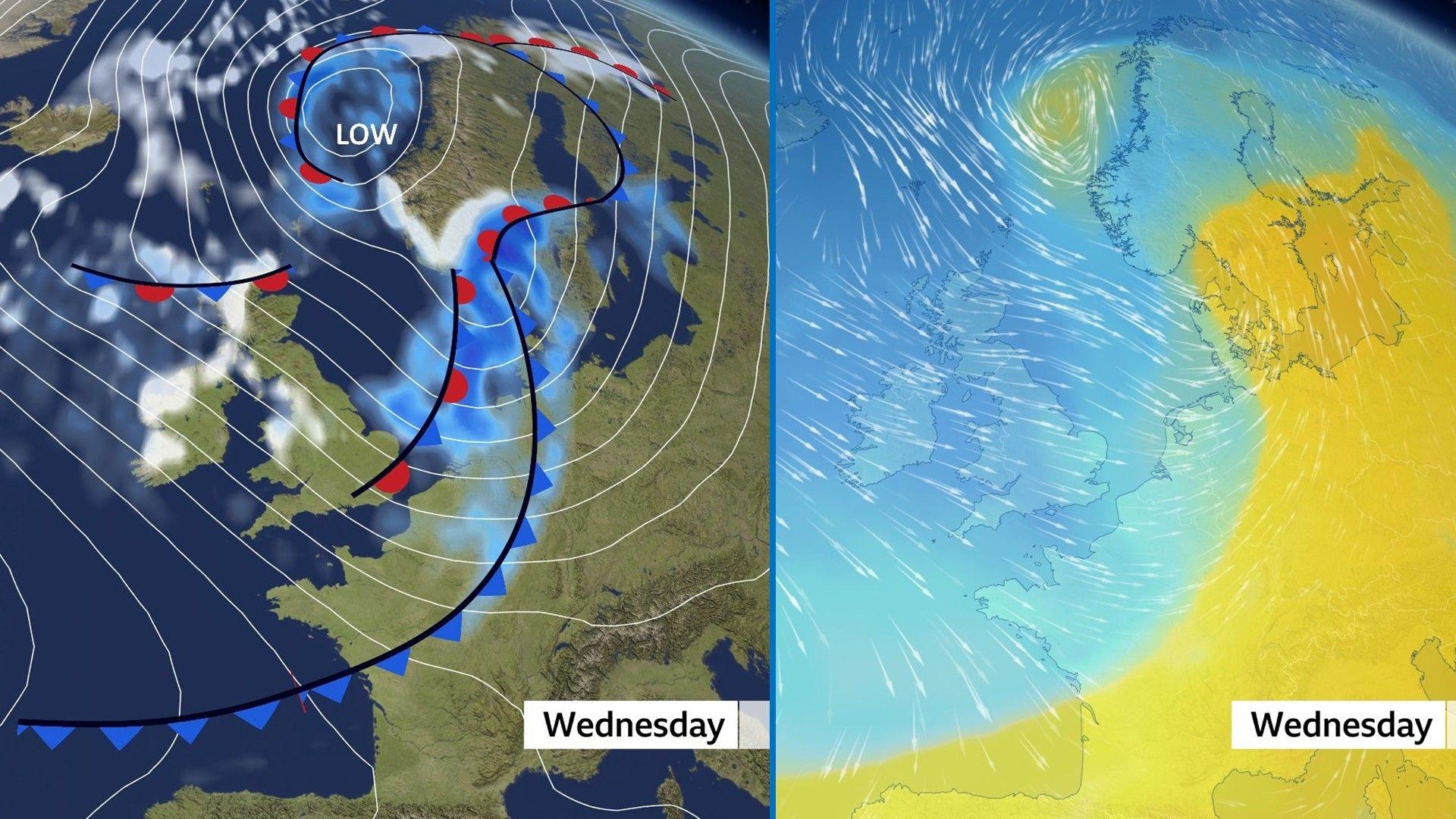
Plunge of cold Arctic air will bring wintry showers (shown in white) to the UK by Wednesday

From Tuesday, low pressure from the Atlantic will bring stronger winds and a band of rain sweeping across the UK.

It will be heavy at times in north-west England and North Wales. As the rain moves south, winds will turn northerly later, causing temperatures to drop.

By Wednesday, the UK will be dominated by cold, brisk north to north-west winds, reaching gale force in places. The day will feature sunny intervals and scattered showers, most frequent in northern Scotland, north-west England and north-west Wales. The showers will be wintry in nature with hail and thunder for some.

Despite the sunshine, temperatures will remain below average, with highs of 5–10°C nationwide, and the gusty winds will make it feel even colder.

Colder nights will bring a higher risk of sharper widespread frost, particularly in rural areas, with icy patches possible on untreated surfaces.

Towards the end of the working week, conditions are expected to remain changeable, with periods of rain continuing to move through. There are signs, however, that the weather may gradually become more settled as high pressure builds in from the south-west.

Temperatures could start to recover slightly as the weekend approaches, though it is unlikely they will reach the mild levels seen at the start of the week or during the previous week's spring warmth.

When do the clocks go forward and what is Daylight Saving Time?

Spring is 'fastest-warming' season in the UK

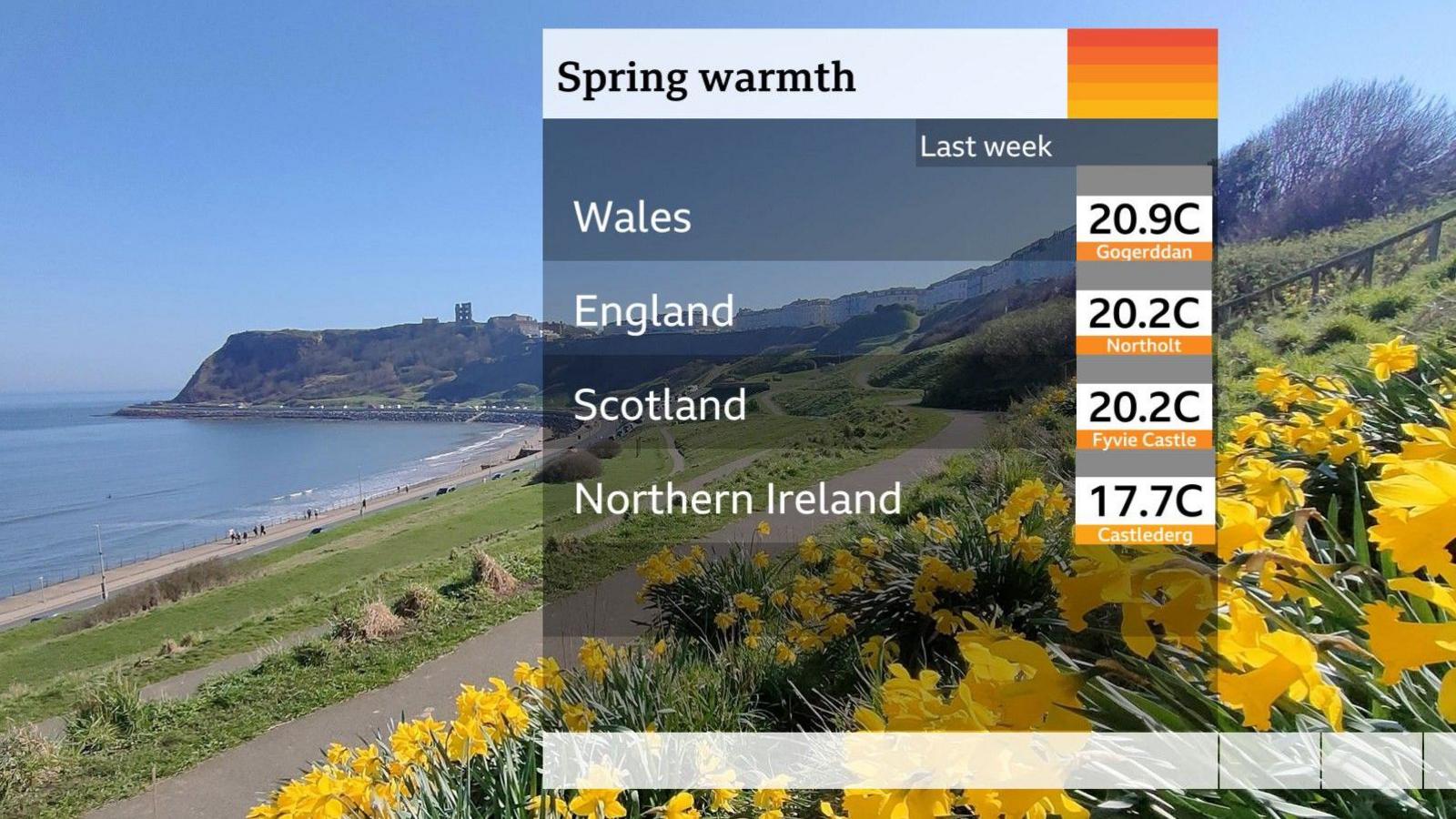
All four of the UK nations recorded their warmest day of the year so far last week

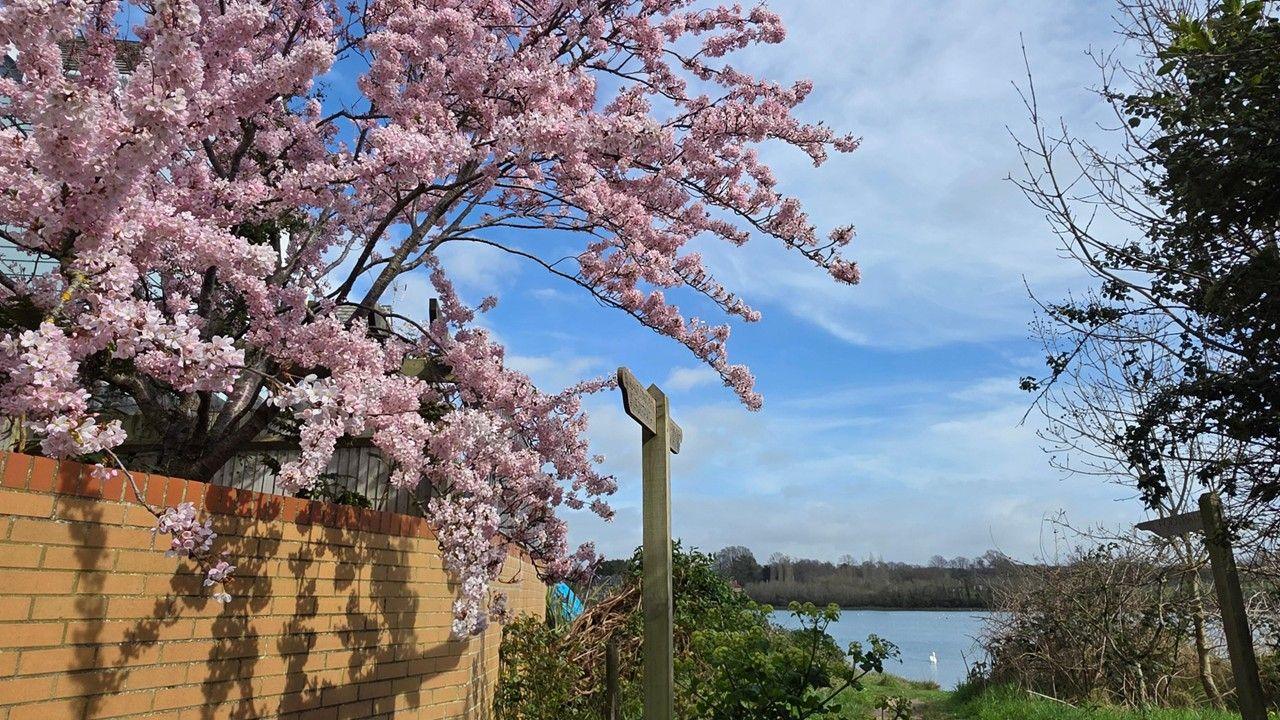
Last week, the UK experienced a notable spell of spring warmth, with all four nations — England, Scotland, Wales, and Northern Ireland — recording their highest temperatures of the year so far. In some areas, temperatures exceeded 20°C, a sharp contrast to the cooler, unsettled weather of previous weeks and well above the March average of 9–12°C from north to south.

This warm and dry spell was driven by a combination of factors. A persistent high-pressure system reduced cloud cover, allowing the abundant sunshine to heat the land, while easterly and southeasterly winds created a Foehn‑type effect as air descended from higher terrain, boosting temperatures in places such as Gogerddan in western Wales.

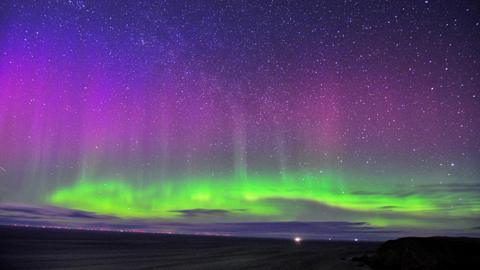
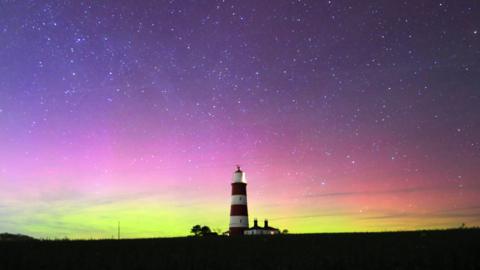
More sightings of the Northern Lights with stunning bright colours

The warmth is part of a broader pattern of above-average temperatures this year, following an exceptionally warm and sunny spring in 2025. Many of the warmest springs on record have occurred in the 21st century, reflecting a trend of increasingly frequent early-season heat.

Despite this brief warmth, the UK's changeable spring weather means temperatures can swing quickly, and forecasts indicate a return to cooler, more unsettled conditions, including the possibility of snow in northern areas.

Weather in March in the UK is famously unpredictable, caught between the tail end of winter and the first hints of spring. Cold air from the north or east can still bring frost, snow, and biting winds, while sunny, mild days can appear during settled spells of high pressure. The result is a mix of sunshine, rain, sleet, and snow, sometimes all in the same day.

The UK's geography adds to the variability. Coastal and lowland areas tend to warm more quickly, while northern and upland regions remain cooler and more prone to wintry showers. Sitting between the Atlantic and continental Europe, the UK is also exposed to fast-moving weather fronts, which can bring sudden shifts in temperature, wind, and precipitation.

In short, March is a month of contrasts, and its ever-changing conditions are what give it the reputation of being truly fickle.

Monthly Outlook