buzzfeed Press
My Complicated Relationship With English As A Latino During The Trump Era
Images
1 / 8
2 / 8

3 / 8
4 / 8
5 / 8

6 / 8
7 / 8
8 / 8
If we, as people of color, need to learn English, we will. And trust me, we’ll do it better.

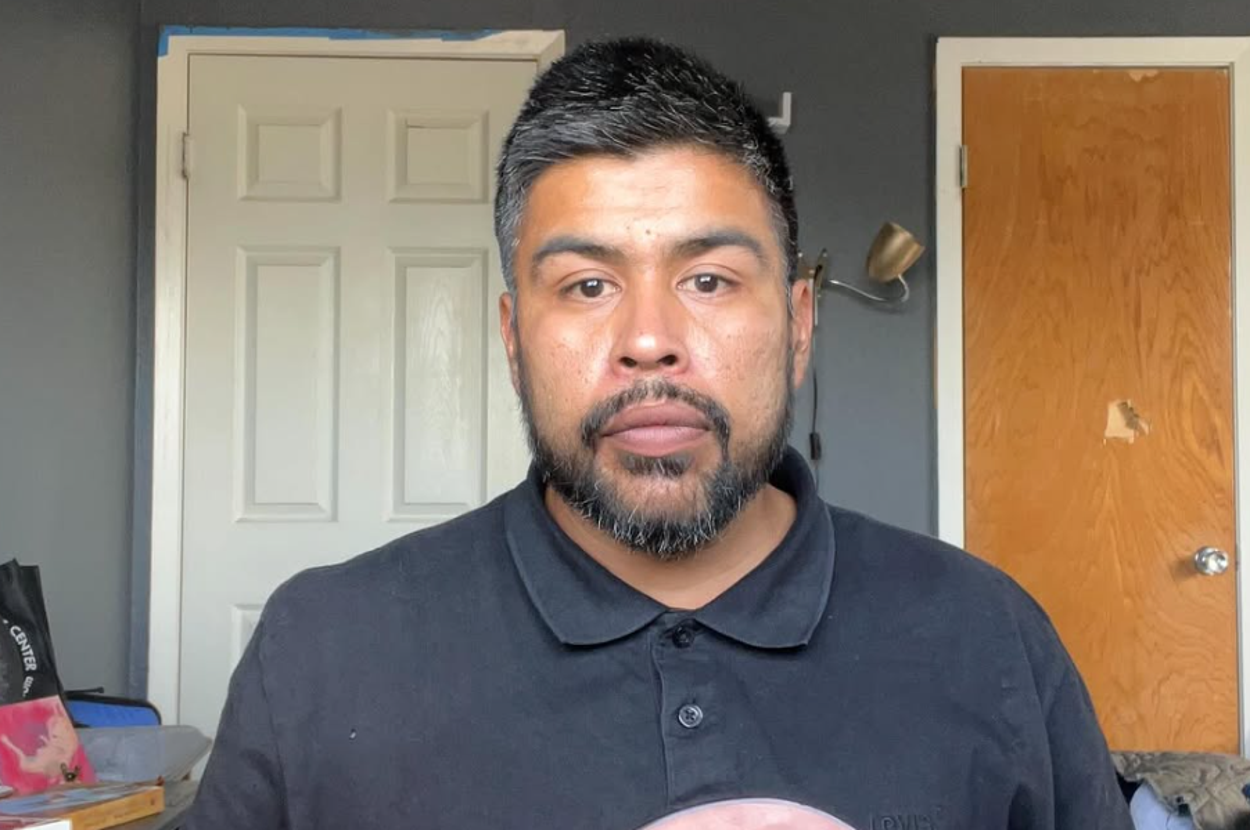
I speak English, though most people look at me and assume differently. Not specifically white people, either. While traveling in Latin countries, I’ve had many people approach me speaking Spanish, to which I’d respond: “Lo siento, pero mi español es muy mal.”

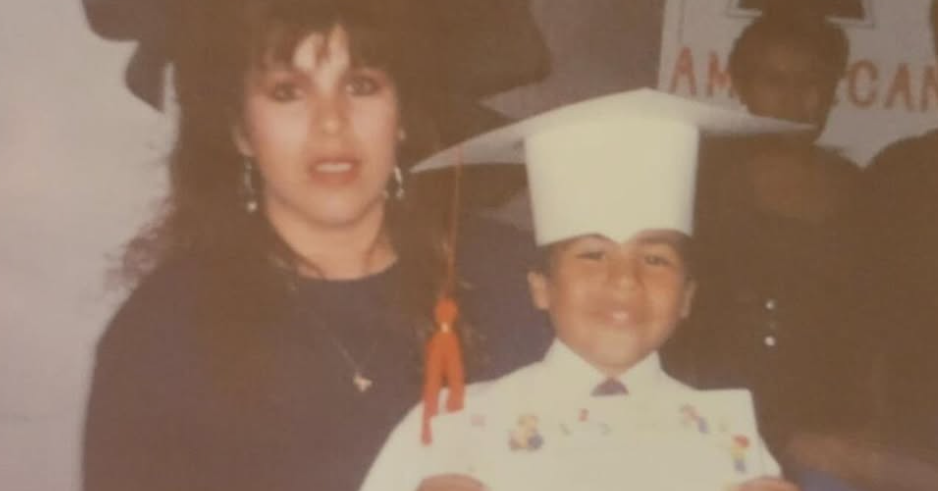
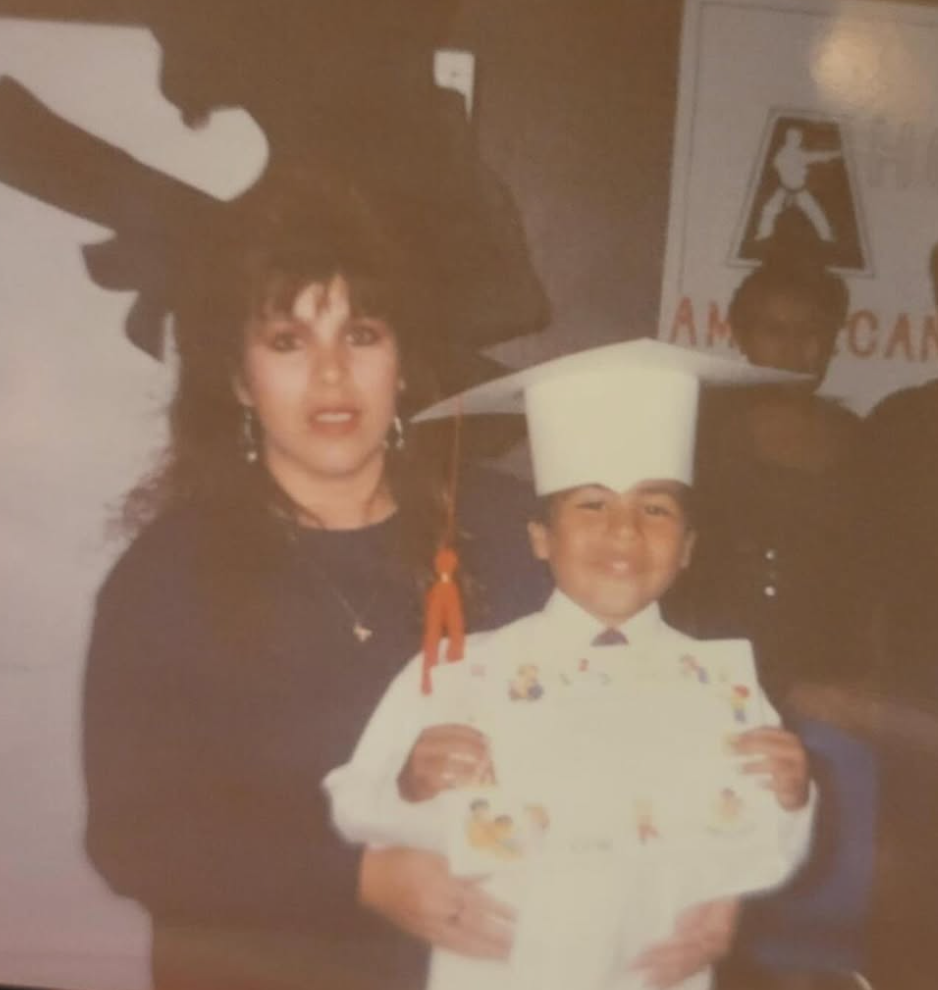
As a child, I always asked my parents why they didn’t teach my siblings and I Spanish. If they could speak Spanish, why couldn’t we? We’d get the rudimentary answers of “We just forgot to teach you” or “We didn’t have time.”

This experience is also shared with children of Latino immigrants, as it's become common over the past few decades for their parents to abstain from teaching them Spanish in an effort for them to acclimate without conflict. In an article for Mitú, writing coach and consultant Mirtle Peña-Calderon says, "For immigrant parents, not teaching their kids their language can be an act of survival. ... Teaching kids a second language like Spanish hasn’t always come easy for immigrants whose goal is to assimilate."

One of the symbols of said dark history is the Blackwell School in Marfa, Texas, which has now been deemed a historical site. According to NPR, “No Spanish [was] allowed. That was the rule at [the] small schoolhouse in rural West Texas in the 1950s, even though Spanish was the native language for many of the Mexican American children there. The Blackwell School in Marfa, Texas, was one of many segregated schools across the Southwest where Hispanic students were taught separately from white students.”

It's a strange position to be in where on one hand, you stand in your Latin identity that is unable to be hidden, yet feel a profound shame at not speaking your mother tongue, while on the other, you could be shown surprise at the fact that you speak English so well.

When I see this country, the only home I’ve ever known, look at my people and continue the same racist characteristics that drove us to more prominently declare who we are, I wonder when Americans will understand that to live here is to accept who you are before you step foot on American soil and reconcile it with who you want to be as an American. This is the land of opportunity for a reason, but that doesn’t mean opportunities should come with limits. If immigrants have to live within the liminal space of not knowing the outcomes of their choices, then what’s braver than choosing to stay? What’s more American than getting to make that choice for yourself?

Mark Gregory Lopez is an author and copy editor for BuzzFeed. His journalistic writings have appeared in UT Law Magazine, CHAOS Magazine, The Weekly Alibi, Music OMH, Corpus Christi Caller-Times, and The Bend Magazine. A semifinalist for the 2024 Philip Levine Poetry Prize, his poems have appeared, or are forthcoming, in The Maynard, Borderlands, Juked, Feels So Good, Eunoia Review, Sleet, and Bacopa Literary Review. His debut novel, Laura from the Valley, is out now via Rize Press.

Do you have a personal story you’d like to see published on BuzzFeed? Send us a pitch at essay-pitch@buzzfeed.com.