huffpost Press
Lawmakers May Crack Down On 'Prediction Market' Gambling After Eerily Timed Iran War Bets
Images
1 / 8

2 / 8
3 / 8
4 / 8
5 / 8
6 / 8

7 / 8

8 / 8
WASHINGTON — America’s big online gambling boom has finally caught Congress’ attention.

Republicans and Democrats have introduced multiple proposals, including several just this week, to outlaw “prediction market” betting on sports and also on world events.

The proliferation of online betting started with a 2018 Supreme Court decision striking down a federal law barring bets on professional sports. In the eight years since, the amount Americans bet on sports annually has exploded from $7 billion to $167 billion, according to the industry, while since last year prediction markets have expanded wagering from sports to elections and even wars.

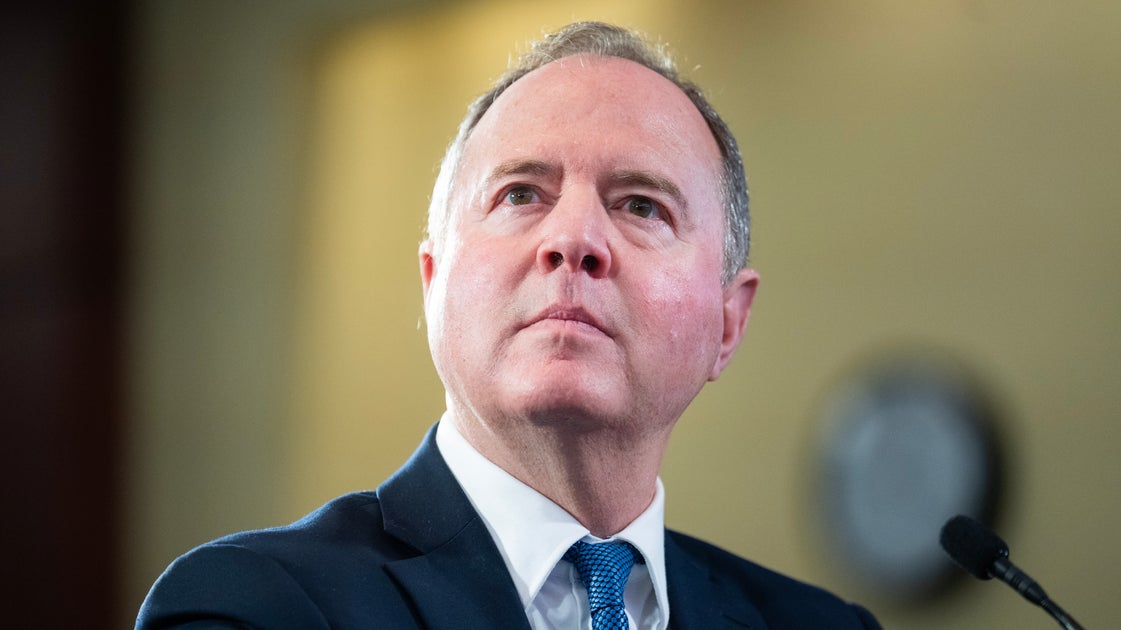
Some members of Congress have seen enough. Sens. Adam Schiff (D-Calif.) and John Curtis (R-Utah) introduced legislation on Monday targeting prediction markets for sports just days after Major League Baseball and Polymarket announced a gambling deal with full blessing from President Donald Trump’s administration.

“This is just spiraling out of control. And I think on a very bipartisan basis, there is a tremendous amount of concern about where this is heading, how easily it can be manipulated, how vast the expansion will be of gambling,” Schiff told HuffPost.

Prediction markets are still a small part of an industry that preys on addictive behavior, however, and lawmakers have shown little appetite for a direct attack on the betting companies that have taken over pro sports and already spawned shocking corruption scandals in the MLB and NBA.

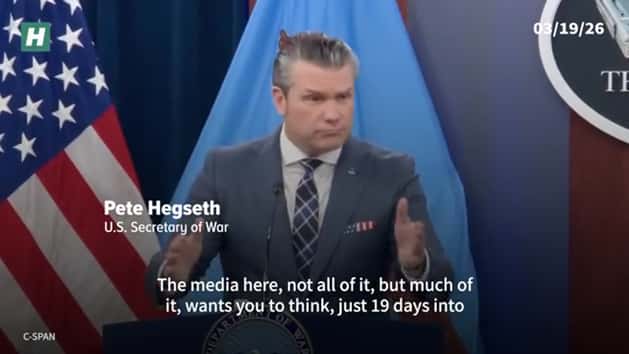
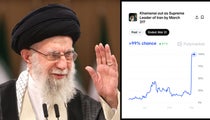
The Schiff-Curtis bill follows similar legislation introduced last week by Sen. Chris Murphy (D-Conn.) and Rep. Greg Casar (D-Texas) to ban wagering on events where someone knows or controls the outcome. The bill was inspired partly by suspicious bets on platforms like Kalshi and Polymarket that seemed to anticipate U.S. actions in the Iran war. Another piece of bipartisan legislation, introduced Tuesday in the House, would restrict federal government officials from participating in prediction markets.

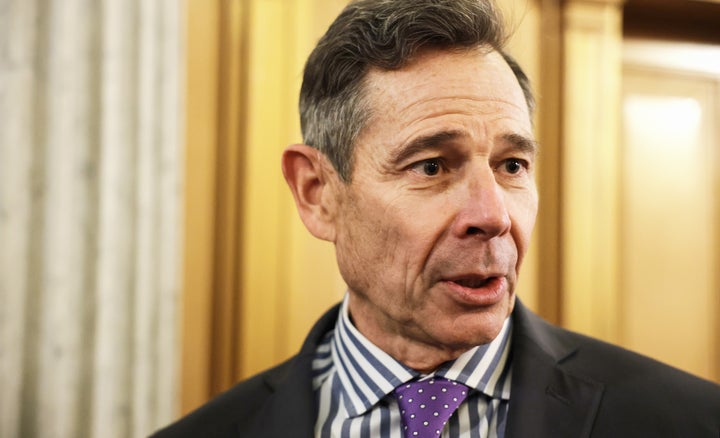
“There’s just been instance after instance where people in my community and folks all throughout this building go, ‘Isn’t that already illegal? Like, How is this even possible?’” Casar told HuffPost.

Under Trump, the Commodity Futures Trading Commission, a financial regulator that oversees derivatives markets, has allowed companies like Kalshi to circumvent state sports gambling restrictions by selling prediction market “event contracts” that pay out based on opposing wagers for a given outcome — such as who wins a sports game or whether Iran’s supreme leader is ousted by a certain day.

A spokesperson for Kalshi said the company was fine with legislation banning government officials from trading markets, but it opposes the Schiff-Curtis proposal.

“It’s clear this bill is motivated by casino interests that are threatened by competition,” the Kalshi spokesperson said in an email. “They’re more worried about protecting their monopolies than protecting consumers.”

It’s true that the bills restricting prediction markets would benefit the incumbent gambling industry. Steven Light, a gambling law expert and visiting professor at the University of Nevada law school, listed five potential winners of a Kalshi crackdown: casinos, state-regulated betting platforms like DraftKings or FanDuel, Native tribes that allow gaming, revenue-losing state governments, and scandal-plagued sports leagues.

“Major league sports and the NCAA are struggling to contain these sports wagering scandals, to figure out how to deal with game and player and even student-athlete integrity and betting on your own performance and that kind of thing,” Light said, adding that the novel prediction markets compound existing problems presented by state-regulated gambling.

The Trump CFTC’s interpretation of the Commodities Exchange Act, in which the agency has awarded itself control of sports event contracts indistinguishable from regular gambling, strays wildly from what lawmakers intended when they last updated the law in 2010. It’s triggered a wave of lawsuits and explains why members of Congress are so willing to write bills. The agency has essentially taken away the power states won from the 2018 Supreme Court decision to regulate sports betting.

“That whole business is a major affront to my state,” said Curtis, who hails from Mormon-dominated Utah, where the state Constitution prohibits all forms of gambling. “It’s a core Utah value. And so clearly, I’m very concerned if they try to take that regulating ability away.”

Another Utah Republican, Rep. Blake Moore, cosponsored a bipartisan bill earlier this month to disallow prediction markets in sports, wars, assassinations and terrorist attacks.

So far, lawmakers seem unwilling to seize the moment to go after regular, state-sanctioned sports gambling. A bill by Rep. Paul Tonko (D-N.Y.) and Sen. Richard Blumenthal (D-Conn.), to curb gambling advertisements, limit customer deposits and disallow “bonus bets,” has zero co-sponsors. Tonko told HuffPost he hopes the interest in prediction markets will lead to more interest in the underlying issue.

“I think it’s a public health crisis that needs to be addressed,” Tonko said. “The targeting of young people who are most vulnerable to bet on these sports teams and sports events has grown expeditiously over that short period of time. It’s not even a decade, you know, and already we’ve seen consequential damage.”

As the Public Health Advocacy Institute noted in a lawsuit this week against the major online sports gambling companies, the American Psychiatric Association in its diagnostic manual lists “gambling disorder” in the same category as addiction to heroin, cocaine and tobacco. One recent study found consumer finances worsened in states that rolled out legalized sports gambling since 2018.

There may be more legislation on the horizon. Sen. Brian Schatz (D-Hawaii) said in December he was working on a bill to clamp down on prop betting during games. He told HuffPost this week the bill’s not ready yet.

Despite the bipartisan interest in curbing prediction markets, it’s not clear how soon Congress could act. The various bills aren’t getting votes or even hearings anytime soon. Lawmakers still haven’t even gotten around to curbing Big Tech’s use of addictive algorithms to hook children on social media, despite an array of popular bipartisan proposals. But the day could come, and the companies involved are clearly on notice — Kalshi and Polymarket said this week, amid the flurry of new proposals, that they would take steps to curb insider trading.

“People are still really wrapping their heads around how omnipresent this is in American life,” Schiff said. “This is all being done, really, without any thought, and by virtue of a not even a workaround — an end run around the law by calling sports betting something else, calling it a prediction event contract instead. That’s just completely unacceptable, and Congress really needs to act.”

By entering your email and clicking Sign Up, you're agreeing to let us send you customized marketing messages about us and our advertising partners. You are also agreeing to our Terms of Service and Privacy Policy.