Press
Meningitis B leaves girl battling for life in 'very rare' case
Images
1 / 12

2 / 12

3 / 12
4 / 12
5 / 12
6 / 12
7 / 12

8 / 12
9 / 12

10 / 12

11 / 12

12 / 12
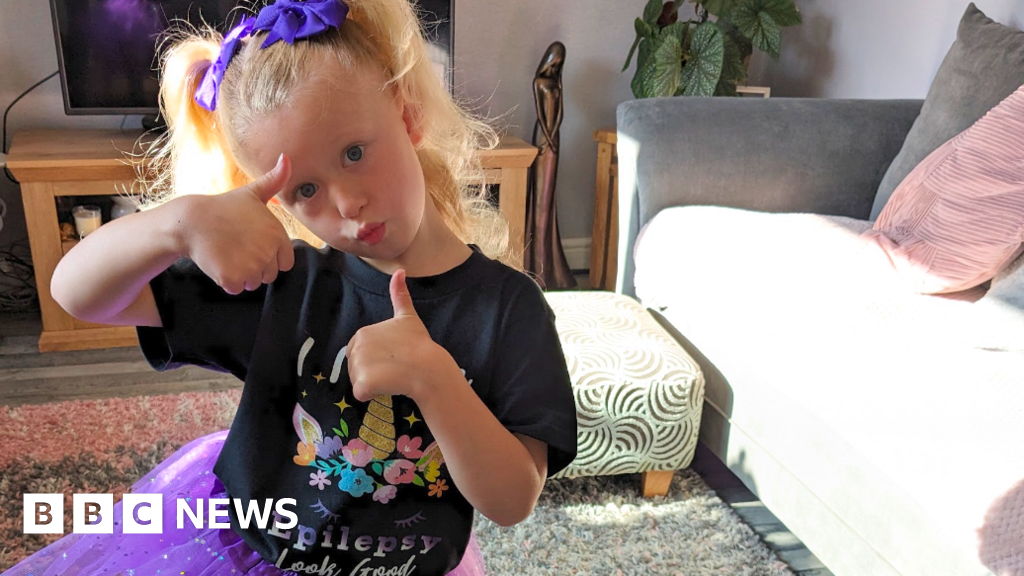
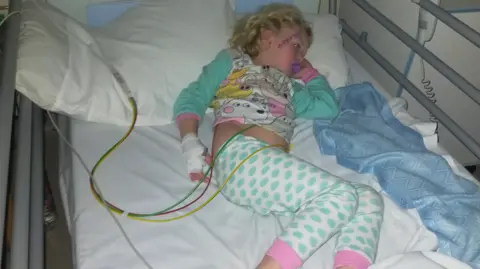
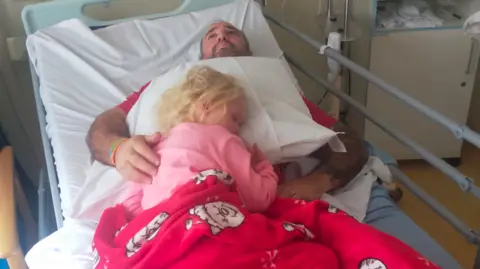
Noa-Rose's parents remember vividly holding the "lifeless" youngster in their arms, and the look of fright in the doctor's eyes.

After she became critically ill in December 2022, the four-year-old spent two weeks on the high dependency ward fighting for her life.

She had contracted meningococcal type B meningitis despite being fully vaccinated.

Esme Lee, from charity Meningitis Now, said Noa-Rose was "extremely unfortunate", describing it as a "very, very rare" situation - cases have dropped by 75% in infants vaccinated since 2015.

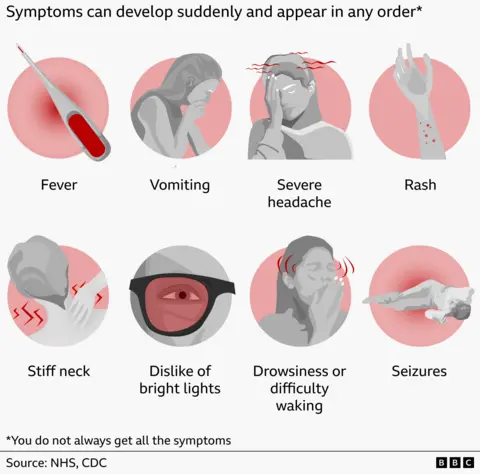
Her parents from Blackwood, Caerphilly county, described how MenB wasn't immediately diagnosed, and warned others to look out for symptoms including high fever and vomiting.

"She was so unwell that doctors were trying to stabilise her in front of us," recalled mum-of-four Emma Alderman.

At this point, she remembers screaming as Noa-Rose's breathing changed, with dad Scott saying: "I think they [the doctors] realised then that obviously she was really, really ill and the mood just changed, and you could see she was fighting for her life, and there was nothing we could do about it.

"It was just like 'what is happening here?' and without a doubt it was the worst experience in my life."

Emma believes while the vaccine may not completely prevent infection, it can significantly reduce how severe it becomes.

"I can say with confidence that if Noa-Rose didn't have the vaccines we wouldn't have her with us now and we would have lost her," she said.

The nightmare unfolded on what seemed like a normal Saturday, after Noa-Rose had been to the park with her dad.

She then started complaining of pain in her leg, which Emma put down to growing pains, so she gave her a bath.

"As soon as the water hit her body she was crying out in pain and discomfort so we brought her down and let her sleep on the sofa," Emma said.

But soon after, a rash started spreading over her body, while her temperature rose to 40°C - she was experiencing a severe fever.

Her parents took her to Prince Charles Hospital, Merthyr Tydfil, but doctors initially thought she had scarlet fever or Strep A, and sent her home, according to her parents.

Her condition quickly worsened and in the middle of the night, she started vomiting and then became unresponsive.

Her parents thought it could be sepsis, but after being rushed back to hospital, a lumbar puncture confirmed she had MenB.

Meningitis is an infection of the protective membranes that surround the brain and spinal cord.

It is caused by different types of bacteria, viruses, fungi, and other pathogens, and major bacterial strains include meningococcal types A, B, C, W, X and Y.

Over the past year, MenB accounted for 82.6% (313 of 378) of all cases, according to UK government figures.

Babies are at high risk of MenB because they do not have immune protection from antibodies, with the disease rare in those over four.

As a result, the MenB vaccine is offered to babies in three doses by the NHS, at eight weeks, 12 weeks, and one years old.

Teenagers are more likely to carry the bacteria in their throats than other age groups, which is why there is a second, smaller, peak of the disease in that age group.

A Welsh student died after contracting it at Bournemouth University last year, while two people died following an outbreak in Kent earlier this month.

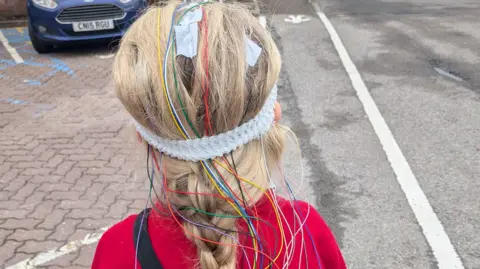
Noa-Rose, who is now seven, is among the one in five survivors left with life-altering conditions, including epilepsy, fatigue and developmental delay.

"She's a different child," Emma said.

"You've gone from being a parent to a carer overnight with all these worries and all these concerns.

"Every time we go to a hospital appointment they tell us something else. So it's just a whole new level of worry."

Emma said it has also had a big impact on Noa-Rose, adding: "She's having to grow up quite quickly, because of her medical needs, and it's something that I speak to the consultants about all the time.

"This is the part I find difficult for her, because ultimately, she just wants to be a child."

Emma is an ambassador for Meningitis Now and has warned parents to look out for symptoms - these can start abruptly and progress rapidly, including a high fever, severe headache and vomiting.

She described how a child could go from "being perfectly healthy, happy, running around, to facing a critical situation within a matter of hours".

The MenB vaccine was added to the UK NHS childhood immunisation programme for babies born on or after 1 July 2015.

Young babies are prioritised because they are at higher risk of invasive infections and are less able to fight them off.

The vaccine is given at eight and 12 weeks, with a booster at one year - Emma confirmed Noa-Rose received all of these.

Emma is now calling for the vaccine to be rolled out to teenagers across the UK, describing a recent outbreak in Kent as "heart-shattering".

She added: "I know what they're going through and how frightening it is."

Meningitis Now support worker Esme Lee explained while vaccines aren't 100% effective, babies and young children are "much better protected" if they receive it.

"Isn't it better to be vaccinated and have that 75% chance than none at all?" she said.

The charity has a No Plan B for MenB campaign, aiming to introduce an adolescent booster by 2030 and make the vaccine more affordable on the high street.

"This is about the cost of a young person's life, and their family's life," she said.

"How do you put a price on that?"

The UK and Welsh governments both said they follow advice from the Joint Committee on Vaccination and Immunisation, which has been asked to review the Kent outbreak and provide "fresh" advice.

A spokesperson for the Welsh government outlined that the MenB vaccine is offered to babies, while the MenACWY vaccine is administered to Year 9 pupils to protect against strains A, C, W, and Y.

"Following the Kent outbreak, resources and information have been shared with higher education institutions and healthcare professionals to ensure they look for the signs of meningitis and know what to do in response," they added.

A spokesperson for the Cwm Taf Morgannwg health board said it was "committed to educating our teams and to continually improving the ways we identify and treat Meningitis".

They urged the public to be "aware of symptoms", adding: "If Noa-Rose's family would like to discuss any element of her care, we would encourage them to get in contact with our dedicated concerns team."

Wales Green Party spokesperson for Health and Social Care Ian Chandler said the party shares the concerns of the family, but vaccination guidance "should come from the chief medical officer based on expert advice from Public Health Wales, not politicians".

A spokesperson for the Welsh Liberal Democrat said: "Ministers should look at extending MenB vaccine access to older teenagers and university students, given the current outbreak in Kent."

Plaid Cymru said Wales must be "aware and alert" to public health threats and urged the government and NHS to adapt quickly and act on scientific evidence.

The Welsh Conservatives and Reform UK have also been asked to comment.

The hospital where Jordan Jones stays has been at the centre of allegations of ill-treatment and neglect.

Paul Scott will take the helm in July, the trust says.

A Nuneaton man says gardening and walking groups on the NHS have given him friends and a purpose.

Theo Schooling fell from a motorway bridge while a patient at the Priory Hospital in Bristol.

South Yorkshire's commissioner will be "like a deputy mayor for health", the government says.