yahoo Press
Drillers See Triple-Digit Crude and Hit the Brakes
Images
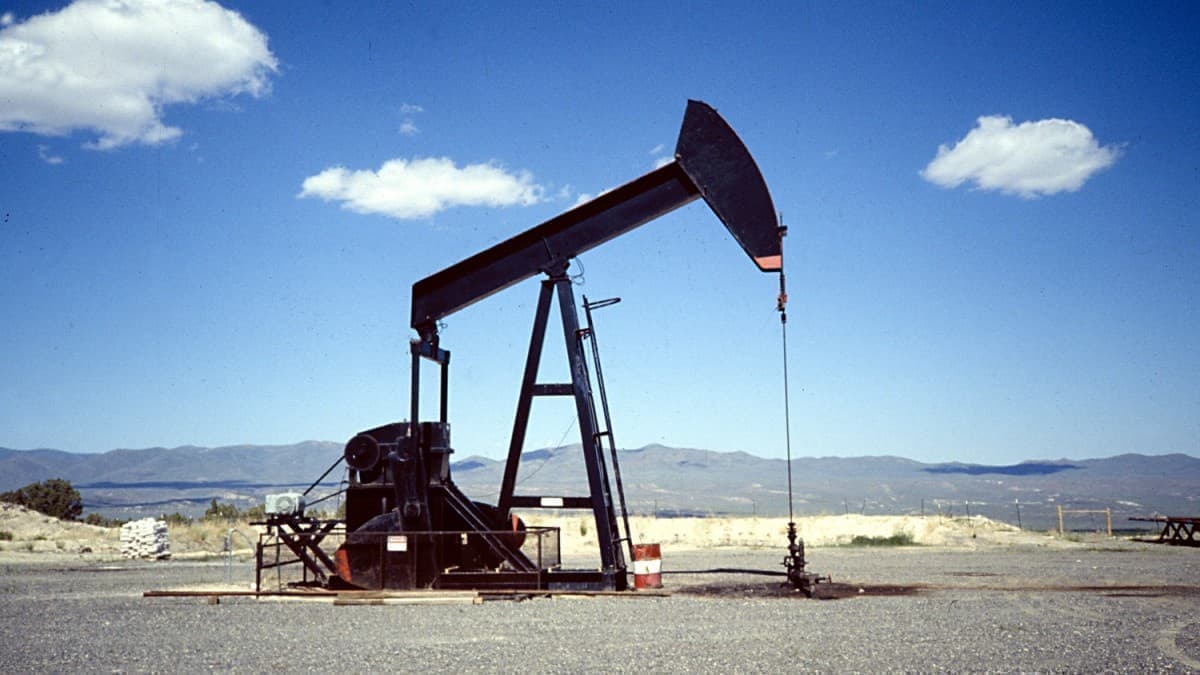
1 / 4
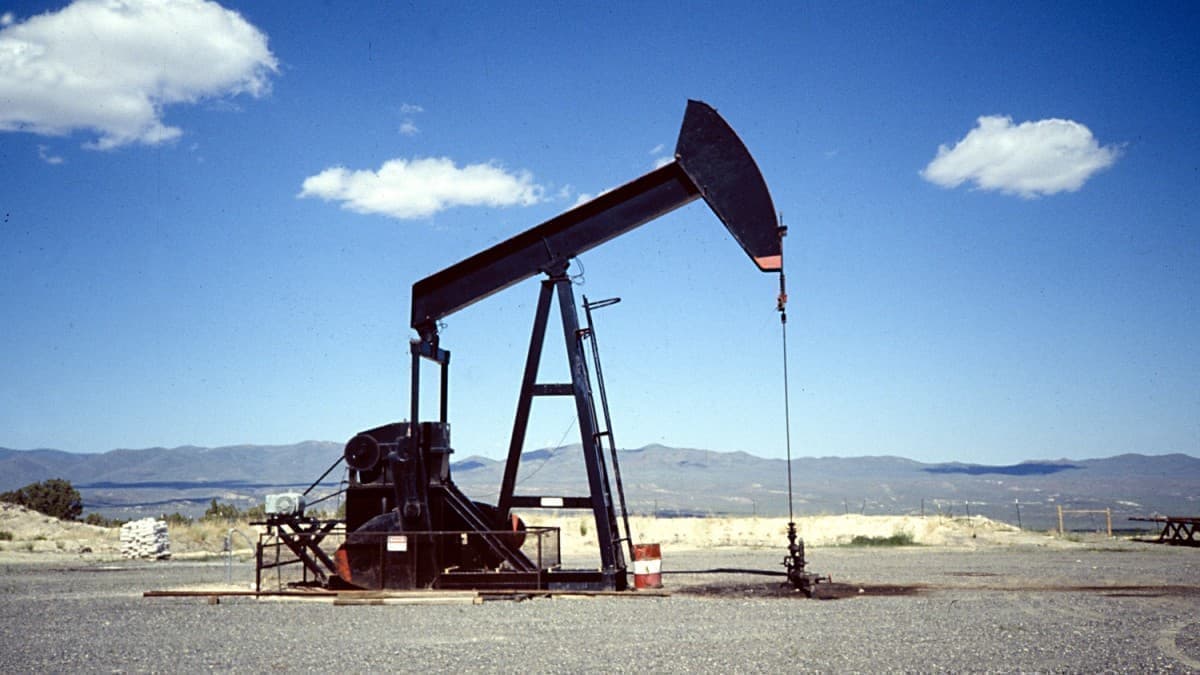
2 / 4

3 / 4

4 / 4
Brent crude is trading over $100 per barrel, WTI has topped $90, but oil drillers in the world’s largest producer are cautious about their future plans. In fact, they are rather unhappy with the war in the Middle East, because it has made it harder to plan investments.

On the face of it, everything is perfect, price-wise. WTI is trading much higher than what shale drillers need to be profitable. According to the latest Dallas Fed Energy Survey, the range of WTI profitable drilling price levels for the oil patch is between $62 per barrel for non-Permian shale, $68 per barrel for conventional oil, and $70 for parts of the Permian. Yet only 21% of the survey respondents said they planned to significantly increase the number of wells they plan to drill this year.

According to a recent Wall Street Journal report, the reason is uncertainty. The report said that in private conversations with senior federal government officials on the sidelines of CERAWeek, oil and gas executives had demonstrated growing concern about the Middle Eastern situation and its impact on global energy security. Per the report, energy executives were growing frustrated with the messaging coming out of Washington, unwilling to share the upbeat tone of most of that messaging.

“What they fail to understand is that daily tweets driving volatility in both the commodity market and the equity market isn’t good for anybody,” Kimmeridge managing partner Mark Viviano told the WSJ. “It’s just really difficult to make any kind of intelligent decisions in that environment,” he added.

Related: Chinese Publication Claims U.S. Has Two Months of Rare Earths Left

Meanwhile, one Dallas Fed Energy Survey respondent commented on the situation thus: “I think our operators are going to take a wait-and-see stance on any increased drilling plans to see how oil and gas prices fare over the next six months. We could all use what could be a short-term cash flow boost to repair balance sheets, reduce debt and get caught up on deferred but necessary capital spending, operating spending and general spending outside of drilling.”

In other words, the price rally is making the industry nervous, but the additional cash is not unwelcome. The big question, of course, is how long the crisis will continue because the longer it continues, the worse the fallout will be.

“There are very real, physical manifestations of the closure of the Strait of Hormuz that are working their way around the world and through the system that I don’t think are fully priced in,” Chevron’s chief executive Mike Wirth said at CERAWeek, putting things mildly. In fact, fuel shortages are already beginning to emerge in some Asian countries and, surprisingly to some, in Australia.

It is perfectly normal for oil and gas executives to worry about the impact of the war on the price of the commodities they sell. After all, high prices are a good thing, but only up to a point. That point comes when prices go too high and start killing demand for those commodities. As Billy Bob Thornton’s character in “Landman” put it, “You want oil to live above 60 but below 90. And don’t get me wrong, we’re still printing money at 90, but… gas gets up over $3.50 a gallon, it starts to pinch.”

Indeed, Wall Street Journal’s Ed Ballard argued in a recent report that the jump in LNG prices could be problematic for U.S. exporters. Ballard cited a recent remark by the CEO of Freeport LNG as saying, “It’s a scary thing, it’s not good for our industry,” referring to said price jump, which has already made some importers in Asia switch to coal, because it’s cheaper. Meanwhile, Europe and the rest of Asia are trying to outbid each other for whatever LNG cargoes are coming out of the U.S. Gulf Coast. For now, it seems the Asians are winning, with about a dozen cargoes originally destined for European buyers diverting to Asia over the past month. Yet analysts warn that it is only a matter of time before demand destruction begins.

“A global gas market that was expected to be oversupplied (and cheap) will now become undersupplied (and expensive),” Eurasia Group said in a recent note, as quoted by the Wall Street Journal. Indeed, LNG on the spot market is fetching $24 per mmBtu, Pakistani officials said recently, comparing this to $9 per mmBtu under the country’s long-term deal with Qatar, which Qatar is currently unable to service.

In oil, the consensus seems to be that things are not as bad. Yet that does not mean they are not bad, as suggested by some responses to the Dallas Fed survey. “The Strait of Hormuz adds complexity. Suppliers are already trying to increase pricing, and the administration continues to try to talk down [oil] prices. How sustainable are current oil prices? Hard to make long-term commitments or to “drill, baby, drill,” one respondent said. Another put it more succinctly: “Everyone is hoping and praying for a quick end to the war.”

By Irina Slav for Oilprice.com

More Top Reads From Oilprice.com

Macquarie: Two More Months of War Could Send Oil to $200

Soaring Prices Set to Crash China’s LNG Imports to 8-Year Low

Maersk Slaps Emergency Fuel Surcharge as War Upends Marine Supply Chains

Oilprice Intelligence brings you the signals before they become front-page news. This is the same expert analysis read by veteran traders and political advisors. Get it free, twice a week, and you'll always know why the market is moving before everyone else.

You get the geopolitical intelligence, the hidden inventory data, and the market whispers that move billions - and we'll send you $389 in premium energy intelligence, on us, just for subscribing. Join 400,000+ readers today. Get access immediately by clicking here.