yahoo Press
Ripple CEO predicts new timeline for historic crypto legislation
Images
1 / 4
2 / 4

3 / 4

4 / 4
The era of major U.S. banks sitting on the sidelines of the digital asset market is coming to an end.

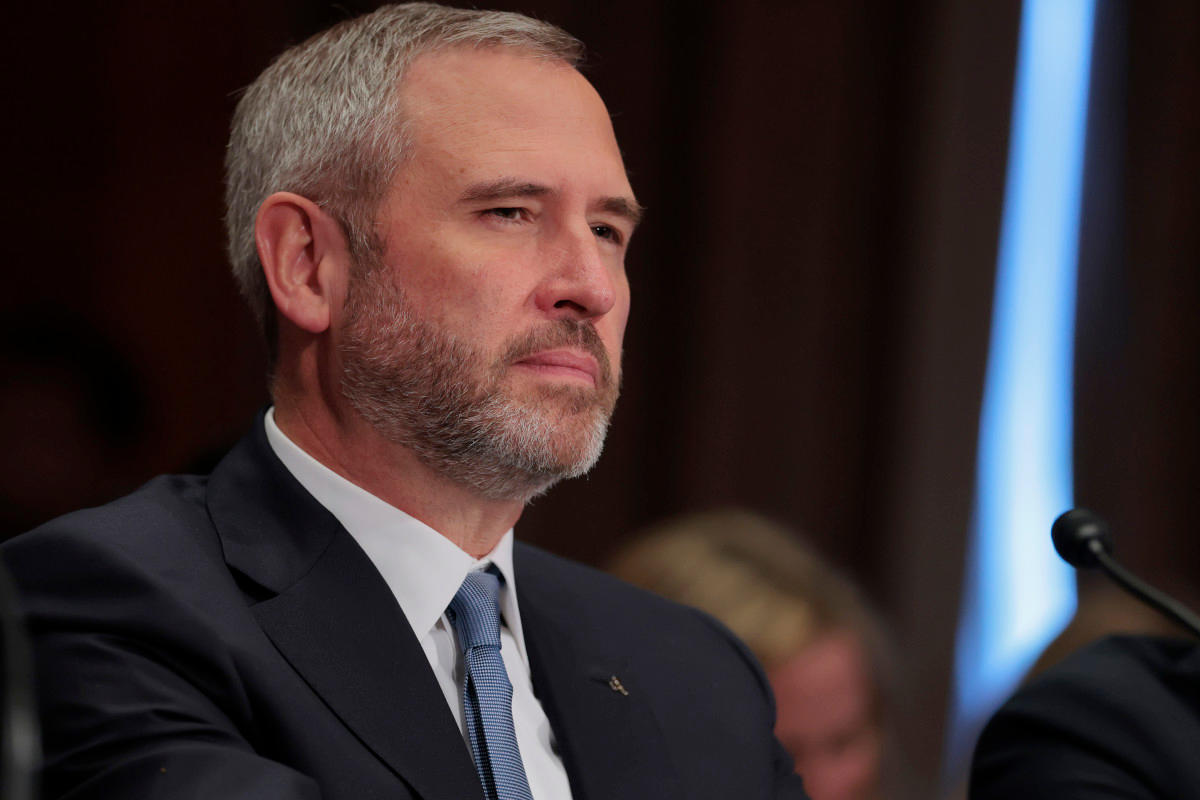
According to Ripple CEO Brad Garlinghouse, the industry is reaching a critical turning point where traditional financial giants are finally ready to embrace blockchain technology.

Speaking with Fox Business on Friday, March 27, Garlinghouse noted that a significant shift in attitude is happening across Wall Street.

Man who urged everyone to buy $1 in Bitcoin blames Trump family for October crypto crash

David Sacks White House czar exist raises questions about undelivered 'promises'

Exclusive: Security researcher reveals new details on FBI Director Kash Patel’s account breach

He credited leaders like BlackRock CEO Larry Fink for stepping forward and acknowledging the "real technology value" of these systems.

"I'll give Larry Fink and Blackrock credit, he was one of the first really senior well-respected leaders to step forward and say “No, I do see real value in... real technology value to how these technologies can be applied." So we are seeing a shift from JPMorgan. We're seeing people start to be more exploratory,” Brad Garlinghouse said.

This endorsement has encouraged other institutions, including JPMorgan, to become more exploratory regarding digital assets.

Related: Ripple to test XRP Ledger and RLUSD in trade settlements

The primary hurdle for banks has been a lack of legal certainty.

However, the much-anticipated CLARITY Act aims to provide the permanent framework these institutions need.

Garlinghouse explained that codifying these rules into law is the ultimate "unlock" for banks that have been fearful of a "future Gary Gensler" or a return to "lawfare" and aggressive regulation.

While Garlinghouse previously expected the CLARITY Act to be signed by the end of April, he has updated his timeline to the end of May. Despite the delay, he remains optimistic.

"If we get it codified into law, I think you'll see more of the largest financial institutions in the United States and really the world lean in more to this industry," he said.

This institutional interest is being driven by corporate boards and CFOs who are demanding more efficient ways to move money.

Garlinghouse described stablecoins as the "ChatGPT moment" of finance, noting that $33 trillion in stablecoin trades occurred last year.

Traditional payment "rails" can take three to five days and carry high friction, while stablecoins allow for settlements in just one minute, any time of day.

"They don't close at four to three o'clock on a Friday afternoon. Settle a real estate transaction on Saturday. It's a big shift," Garlinghouse noted.

Bitcoin, XRP down as Trump delays Iran negotiations deadline

New mortgage rule could change how young Americans buy homes

Treasury unveils new details on proposed U.S. dollar changes

As these rules take shape, Ripple is seeing its own core business explode.

By building the "pipes and plumbing" for this new system, Ripple is positioning itself at the center of a world where value moves as fast as information.

Related: Ripple acquires new surprising stablecoin platform

This story was originally published by TheStreet on Mar 28, 2026, where it first appeared in the Policy section. Add TheStreet as a Preferred Source by clicking here.