Press
Artemis II: How the weather will be a crucial factor in the launch
Images
1 / 19
2 / 19
3 / 19
4 / 19
5 / 19
6 / 19
7 / 19
8 / 19
9 / 19

10 / 19
11 / 19
12 / 19
13 / 19
14 / 19

15 / 19

16 / 19

17 / 19

18 / 19

19 / 19
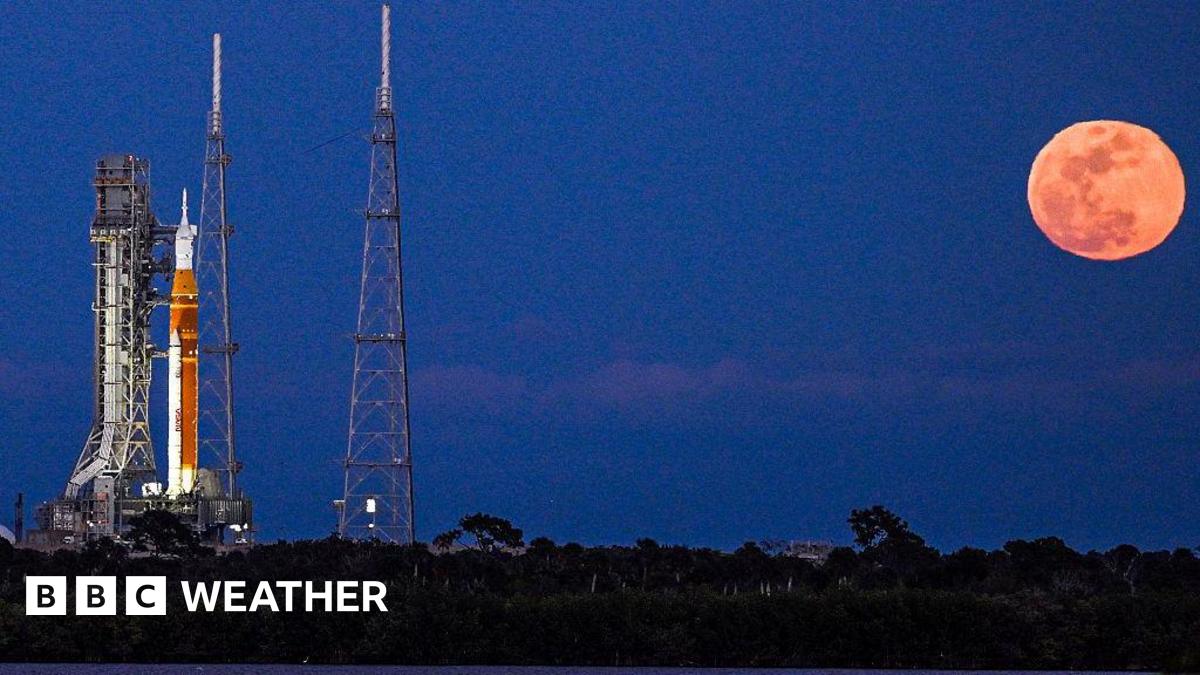
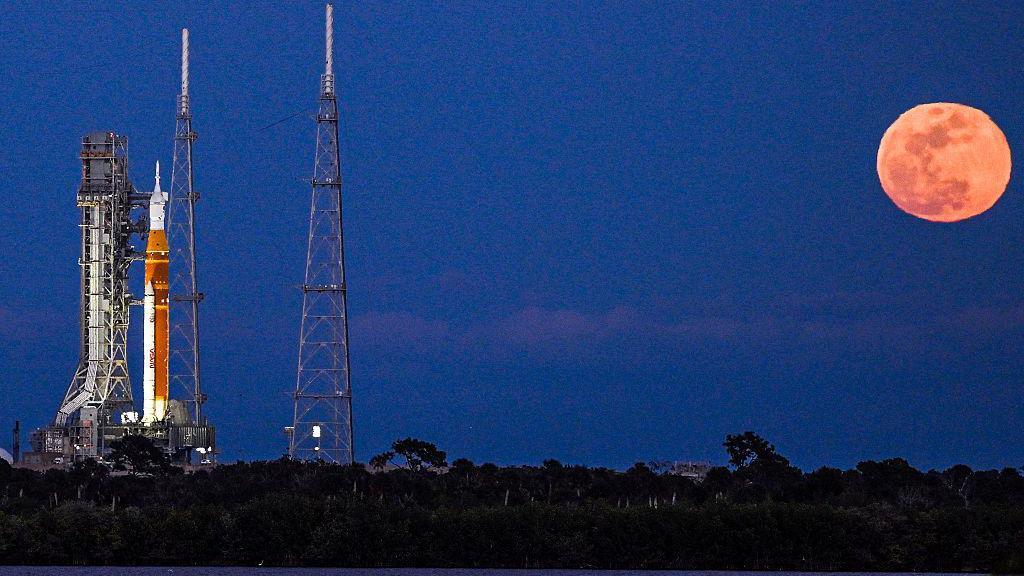
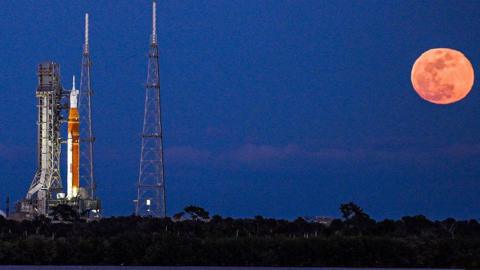
The full 'Snow Moon' rises over Cape Canaveral on 1 February ahead of the Artemis II mission to the Moon

Nasa hopes to launch the first crewed mission around the Moon in more than 50 years, but weather may decide if the Artemis astronauts actually take off this week.

If the conditions aren't right then the space agency's meteorologists will be the ones to "scrub" or cancel the mission.

The Artemis II rocket contains nearly 750,000 gallons of propellant, so lightning is one of the biggest risks to safety.

So what are the chances of the weather delaying the launch from Cape Canaveral in Florida?

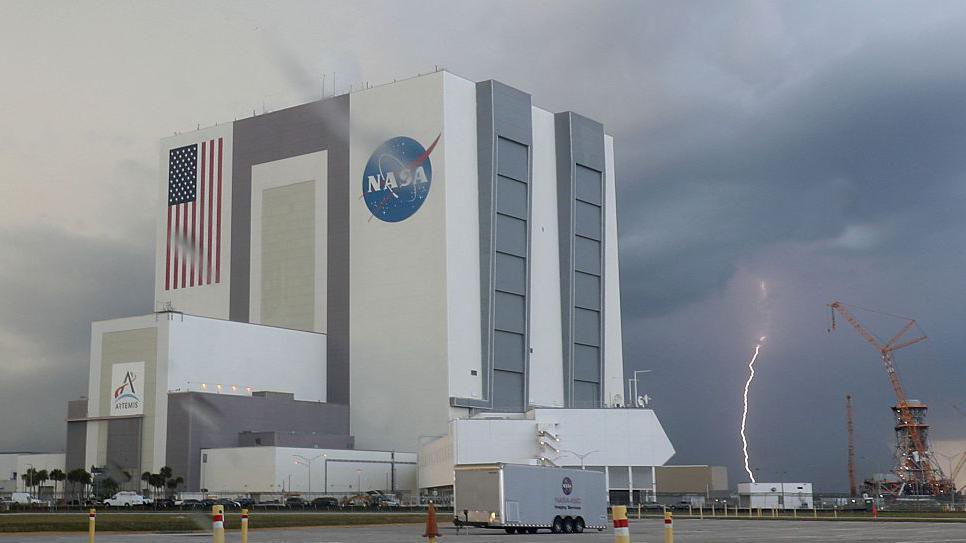
Thunderstorms like this one hitting the Kennedy Space Center in March 2025 will delay rocket launches due to safety concerns

With the launch window opening up on 1 April at 16:24 EDT (22:24 BST), a threat of convective - known as cumulus - cloud, showers and strong winds is being closely monitored.

In Florida, the Spring sunshine is now bringing more heat and warmer days.

But, with a large area of high pressure situated in the western Atlantic, a strong south-easterly wind will bring increased moisture to the eastern coast of Florida.

This combination of heat and moisture can lead to lots of cumulus cloud developing.  As these grow thicker, they bring the threat of showers and thunderstorms.

With a two-hour launch window, there will be a hope that any clouds, potential showers and strong winds may subside or stay far enough away that there will be a weather window.

If not, 2-6 April are also potential launch days.

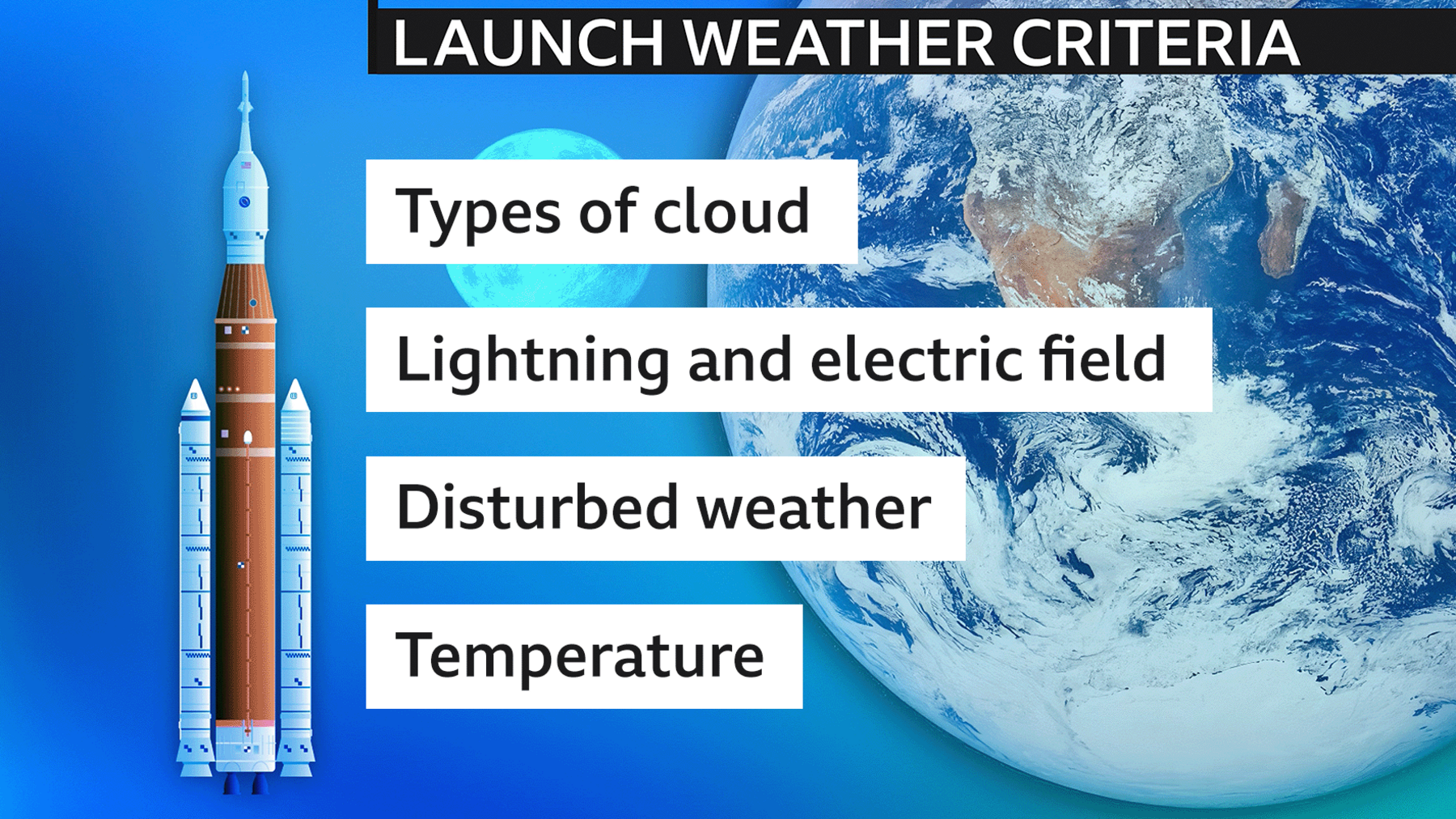
There are rules around the type of cloud, lightning and electrical field, weather and temperature around Cape Canaveral that need to be cleared before the weather officer gives a 'go for launch'

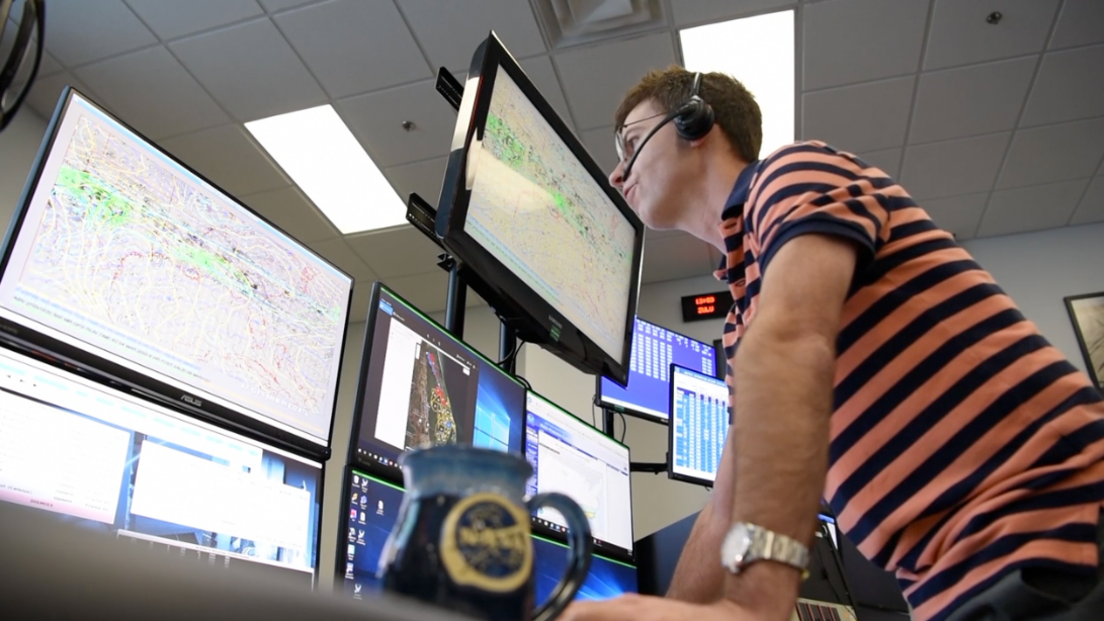
Weather forecasts for launches are provided by the 45th Weather Squadron where Mark Burger, primary launch weather officer for Artemis II has been monitoring conditions for months.

"Our job is to ensure, from a meteorological perspective, that it is safe to launch", he said.

Rocket launches can be impacted by different 'weather rules' which need to be met before the launch weather officer on duty can give the 'go' decision on weather.

Historically, almost half of all rocket launches that end up scrubbed have been a result of unsafe weather, said Burger.

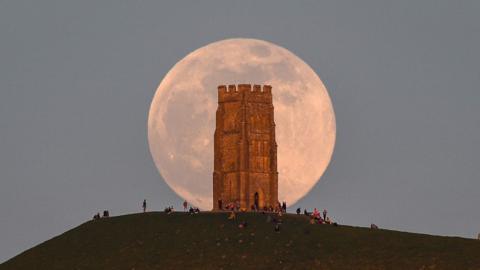
How and when to see April's full Pink Moon

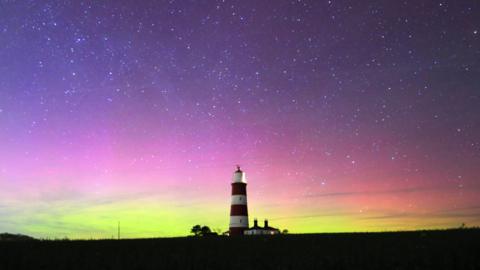
More sightings of the Northern Lights with stunning bright colours

The weather rules include atmospheric electricity, types of cloud, specifically cumulus and disturbed weather like rain or strong winds.

Using a percentage chance of a violation of the rules, launch weather officers use a combination of meteorological and climatological data, local knowledge, and experience to forecast this probability.

Lightning is one of the biggest risks, but it is not only the natural lightning from a thunderstorm - or cumulonimbus cloud - that forecasters will be concerned about.

Rocket-induced lightning from an enhanced atmospheric electric field is also a major risk.

"Some types of clouds, even if they're not producing lightning, carry an electrical charge where a rocket passing through them at high speeds with a trail of exhaust can act like a lightning rod and trigger a lightning strike," said Burger.

This rocket-induced lightning can be triggered much more easily than natural lightning.

Other events, external such as heavy rain, strong winds, high or low temperatures or extreme weather can also jeapordise a rocket launch.

Throughout a countdown the launch weather officer must be clear and convinced that none of the weather criteria are violated in order to give the weather 'go' call for launch.

Ahead of the Artemis launch window, the 45th Weather Squadron will not only be looking at conditions at Cape Canaveral but also in other areas such as potential recovery sites in the North Atlantic where "the weather is not particularly favourable at this time of year" in case things go wrong.

With the peak in the solar cycle, they will also be keeping an eye on solar activity and enhanced radiation which could affect the astronauts.

Launch weather officer for Artemis II, Mark Burger looking at weather data to provide up to date forecasts for launches

"I'm very excited... it is the culmination of a lifelong dream being able to do this and take part in this whole mission," said Burger.

Meteorological planning for the Artemis II launch started many months ago.

"Launching a rocket like Artemis II is much more complicated [compared to other launches]… there are different constraints we need to learn about and now Artemis II is at the pad, it is exposed and vulnerable to weather and so daily forecasting and monitoring has begun".

In February, cold weather disrupted the preparations for the first launch opportunity.  Freezing weather meant Nasa had to postpone the first full dress rehearsal as it was too cold to fuel the SLS rocket.

As for the actual launch, the decision to announce 'weather go' can be made right up to the last moments of a countdown.

In August 2025, a Crew-11 launch was scrubbed at T-minus 1 minute due to cloud cover and a small thunderstorm near Cape Canaveral violating weather safety criteria.

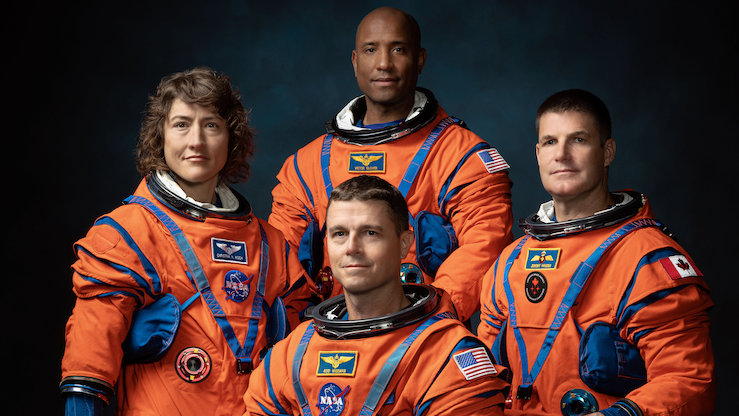
When does the Nasa Moon mission launch and who are the Artemis II crew?

Comments can not be loaded

To load Comments you need to enable JavaScript in your browser