yahoo Press
German weapons chief says Ukrainian army like ‘children playing with Lego’
Images
1 / 12
2 / 12

3 / 12

4 / 12

5 / 12

6 / 12
7 / 12
8 / 12
9 / 12

10 / 12

11 / 12

12 / 12
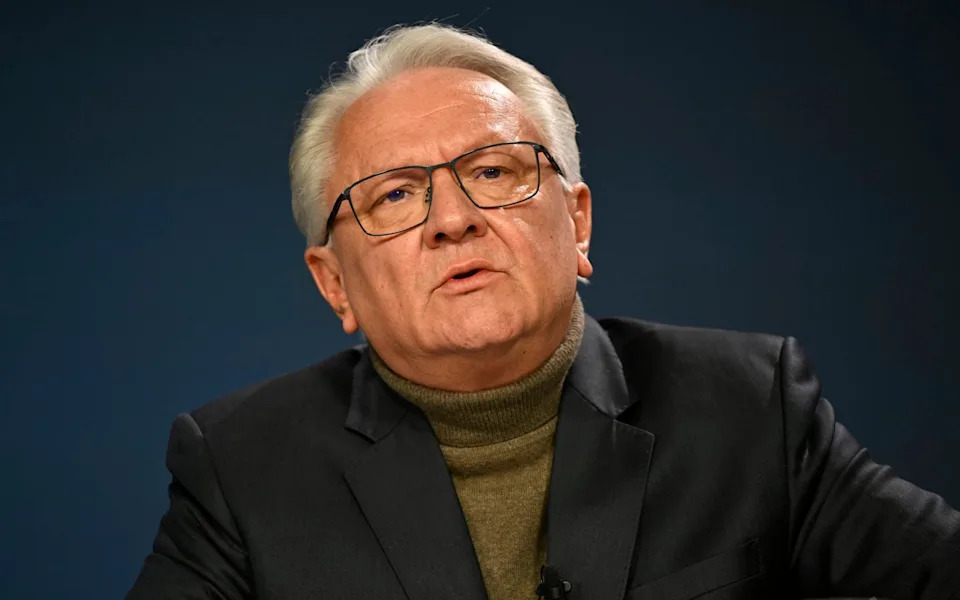
The head of Rheinmetall, the German defence company, compared Ukrainian drone producers to housewives and children “playing with Lego”.

Armin Papperger, the tough-talking chief executive, made the inflammatory remarks in an American magazine interview as he suggested that Ukraine did not deserve praise for battlefield innovation.

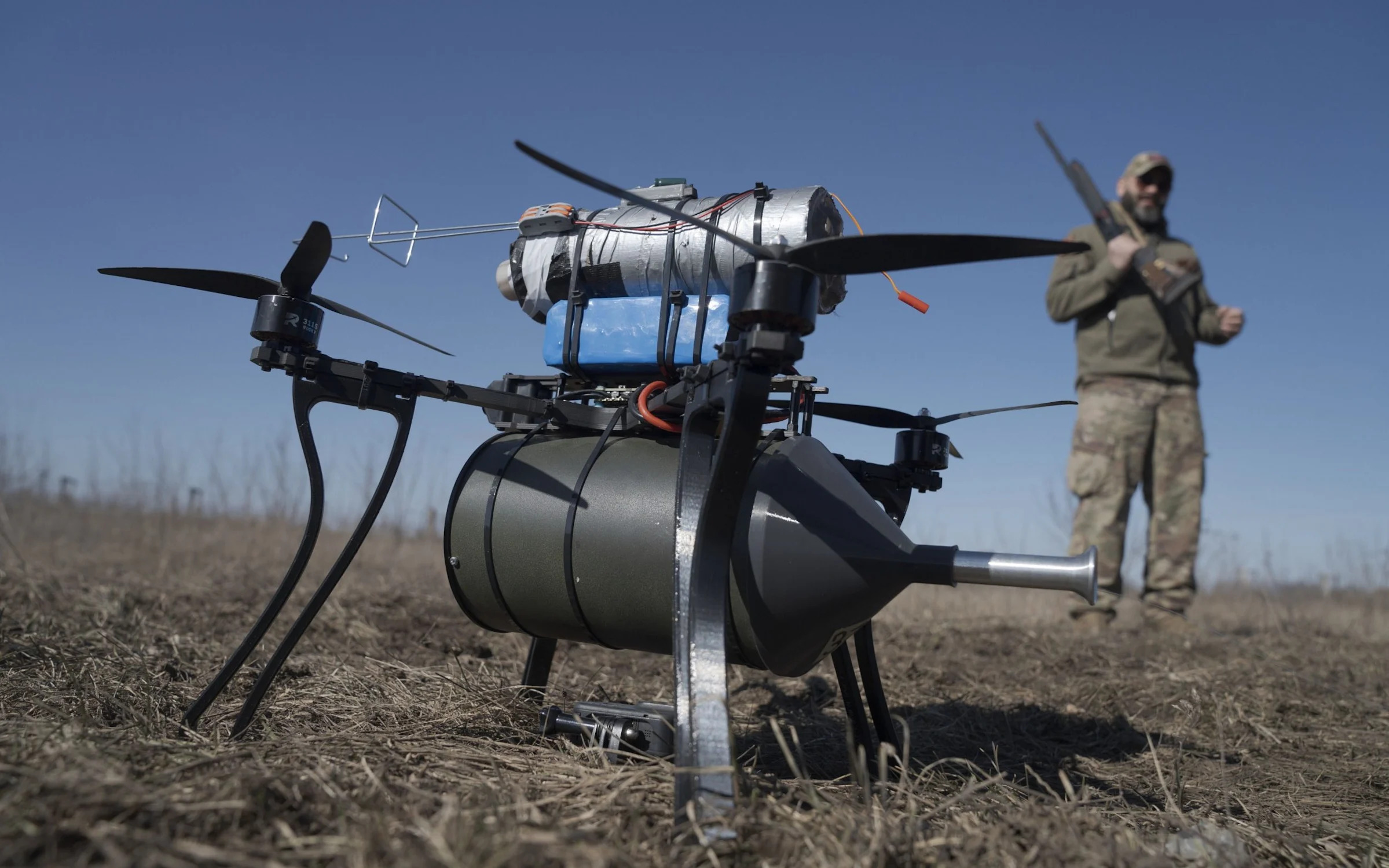
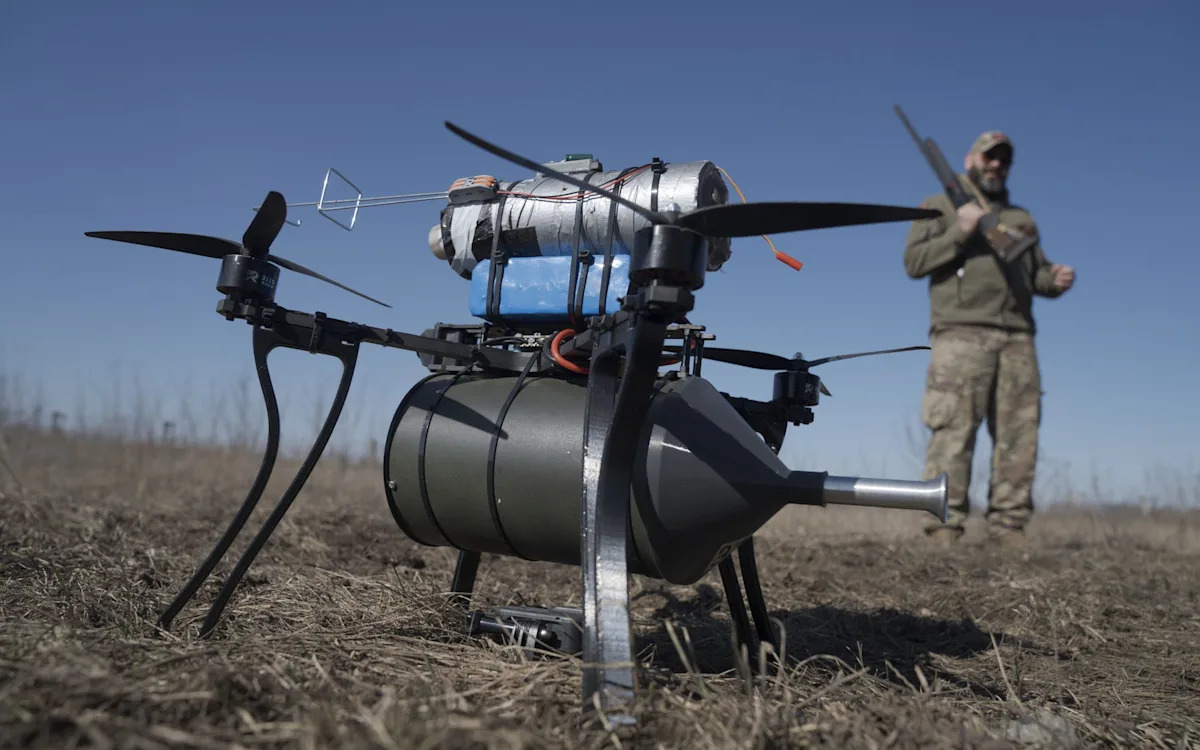
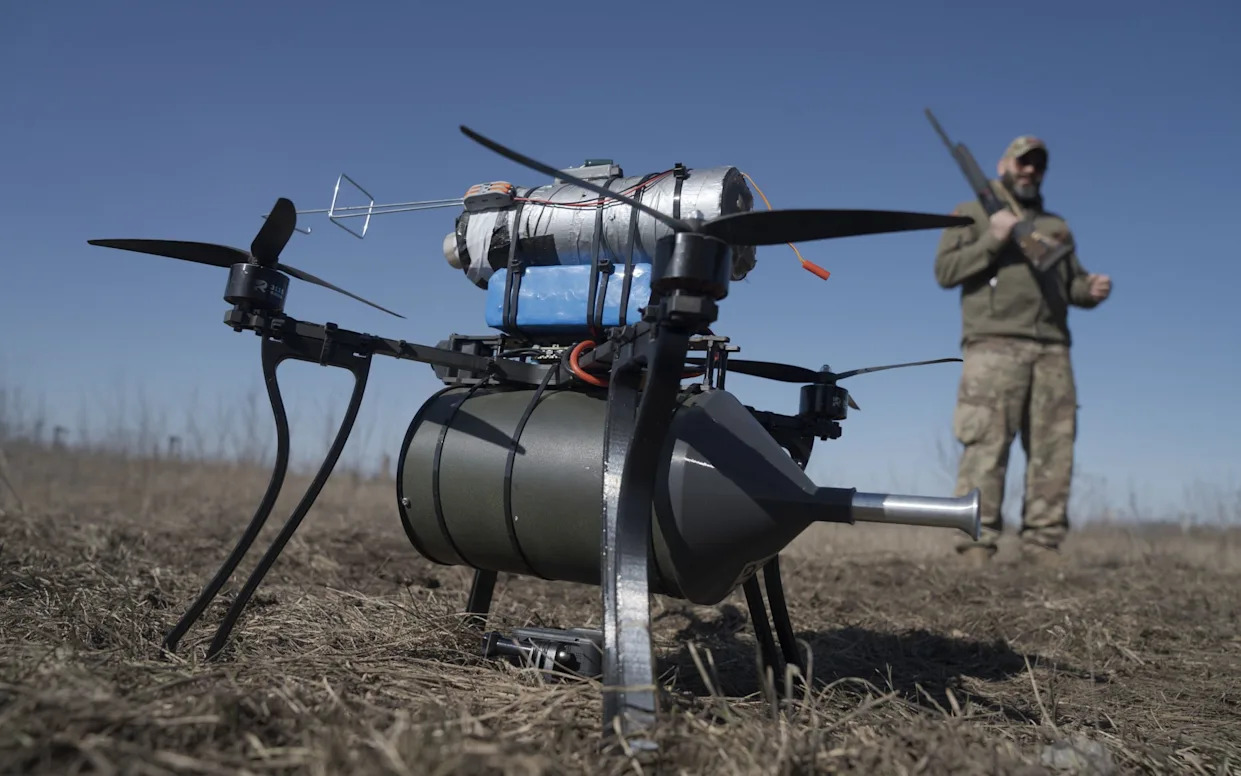
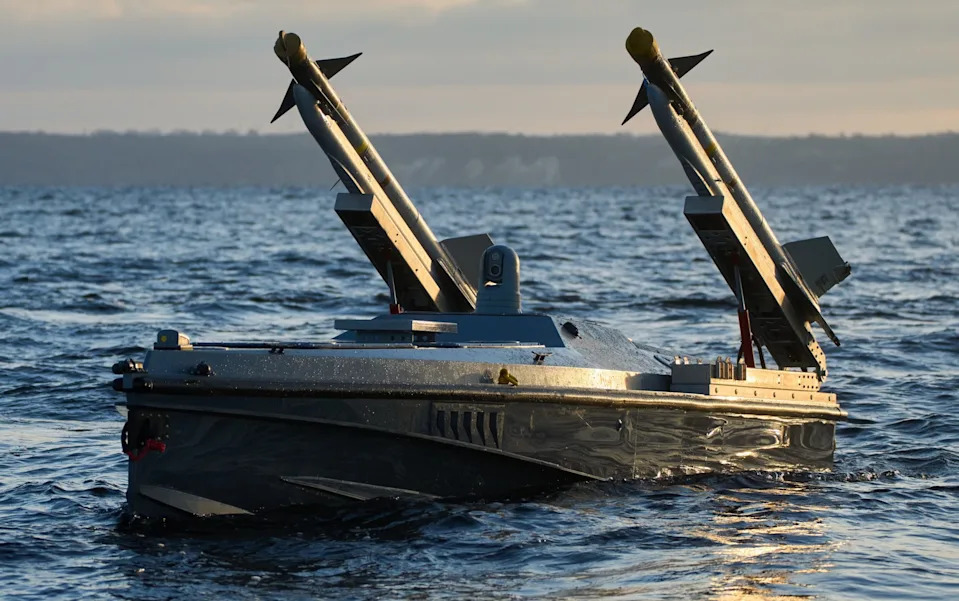
When asked how Ukraine had turned drones into some of the deadliest weapons on earth against Russian troops and tanks, Mr Papperger scoffed: “This is how to play with Legos.”

He added, in comments to Atlantic magazine, that the biggest producers of drones in Ukraine were housewives working with “3D printers in the kitchen, and they produce parts for the drones ... this is not innovation”.

The belittlement from Germany’s largest tank producer caused an outcry in Ukraine, with business chiefs, government ministers and even Volodymyr Zelensky, the president, weighing in.

“If every housewife in Ukraine can really produce drones, then every housewife in Ukraine can be the chief executive of Rheinmetall,” Mr Zelensky said on Monday, calling on the company to compete with Ukraine on results, not rhetoric.

Yulia Svyrydenko, the prime minister of Ukraine, also took umbrage at the comment. “Yes, Europe’s defence is powered by Ukrainian ‘housewives’,” she said, using the hashtag #MadeByHousewives – which has gone viral since the Rheinmetall interview.

Alexander Kamyshin, an adviser to Mr Zelensky, added that Ukrainian women were “great housewives, yet they have to work hard in the military factories. They deserve respect.”

During his visits to arms factories in Ukraine, he said he had seen “Ukrainian women working equally with men often enough”.

The war of words is an embarrassment for Mr Papperger, who has been one of Ukraine’s closest supporters. His company has built tanks, mortar shells and huge quantities of 155mm artillery rounds for Kyiv.

His reference to housewives has also raised eyebrows because of the critical role women played in the Second World War, with nearly a million former housewives employed in weapons factories in Britain alone.

Mr Papperger’s comments are likely to have irritated Friedrich Merz, the German chancellor. He is one of Europe’s most outspoken supporters of Kyiv and is also depending on Rheinmetall for a large expansion of the German armed forces.

Pledging to build “Europe’s strongest conventional army”, Mr Merz has passed historic debt reforms in Germany that allow potentially unlimited public spending on large defence projects.

Rheinmetall has been by far the biggest German beneficiary of that surge in contracts and funding opportunities. Mr Papperger has said he hopes to “catch” €300bn (£260bn) in European defence deals by 2030.

Rheinmetall received such widespread criticism on social media for the comments that it issued a clarification on Sunday through its official X account, in which it insisted its chief executive respected Ukrainian innovation.

“We have the utmost respect for the Ukrainian people’s immense efforts in defending themselves,” the company said. “Every single woman and man in Ukraine is making an immeasurable contribution.”

As The Telegraph revealed in a recent profile, Mr Papperger is nicknamed the “alpha-male animal” of Germany’s defence industry, with a highly traditional approach to the arms industry and a tendency towards boasting of his success.

Rheinmetall, his £70bn company, is considered so crucial to the Ukrainian war effort that Russia at one point hatched a plot to assassinate him.

Left-wing extremists also targeted his summer home in April 2024, launching an arson attack in revenge for his support for the Ukrainian army.

An anonymous social media statement announcing the attack referred to “various old types of tanks that could now be sold to Ukraine with ammunition and at a hefty profit”.

As arguably Germany’s most high-profile defence figure, Mr Pappeger is divisive in his own industry among colleagues.

One German defence source said: “On a positive note, he proactively analyses problems and pushes the solution, and he’s an expert on external communication.

“The negatives are [boastful] communication. There’s also this sense that he enjoys the success of his company more than [he sees] the falling apart of the world as a problem.

“So is he a good guy? No. Might he be exactly the right guy these days? Could very well be.”

Try full access to The Telegraph free today. Unlock their award-winning website and essential news app, plus useful tools and expert guides for your money, health and holidays.