yahoo Press
Scientists Discovered an Entire Island Made of Ancient Humans’ Leftover Food
Images
1 / 10
2 / 10

3 / 10

4 / 10

5 / 10

6 / 10
7 / 10

8 / 10

9 / 10

10 / 10
Here’s what you’ll learn when you read this story:

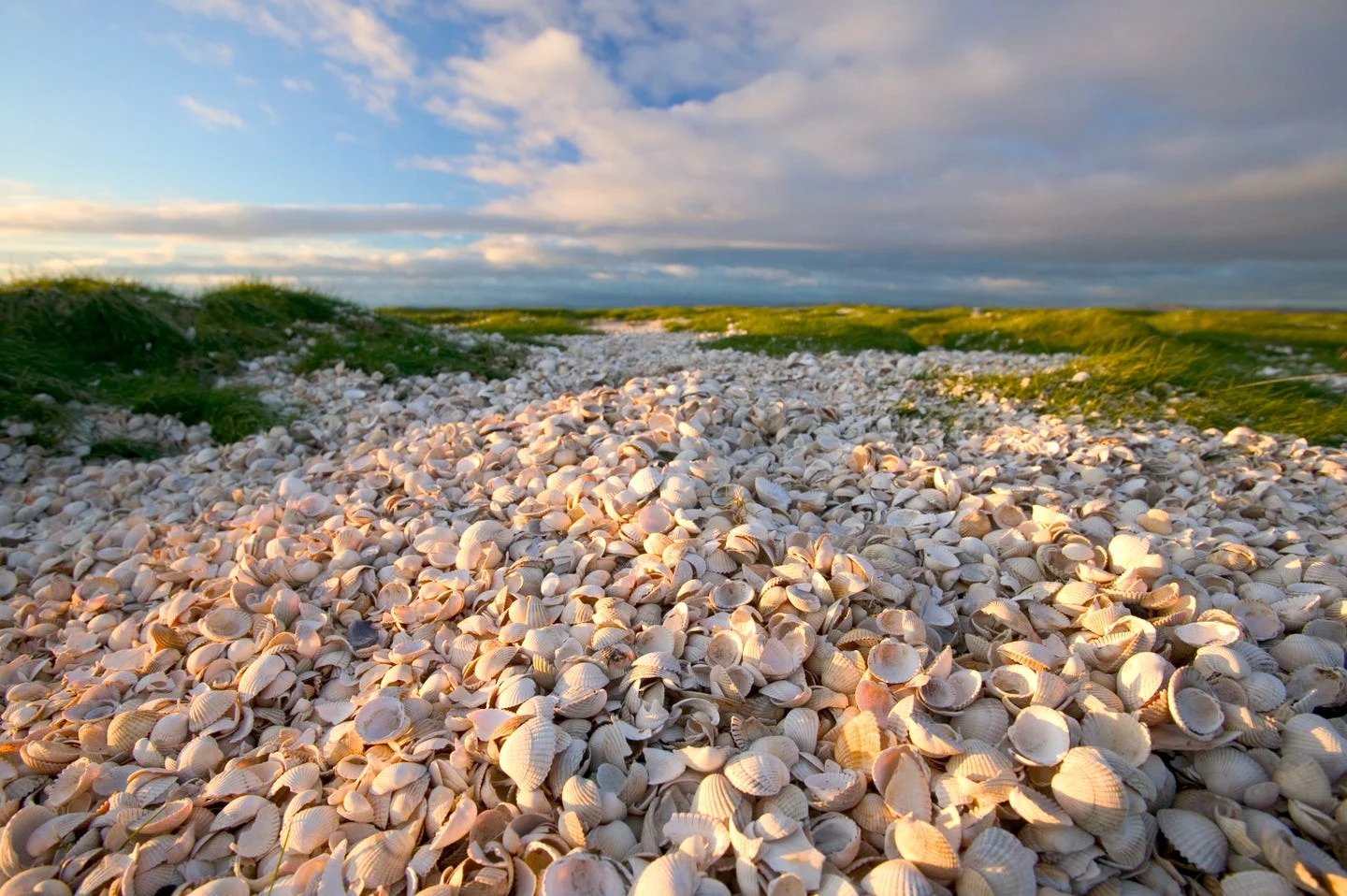
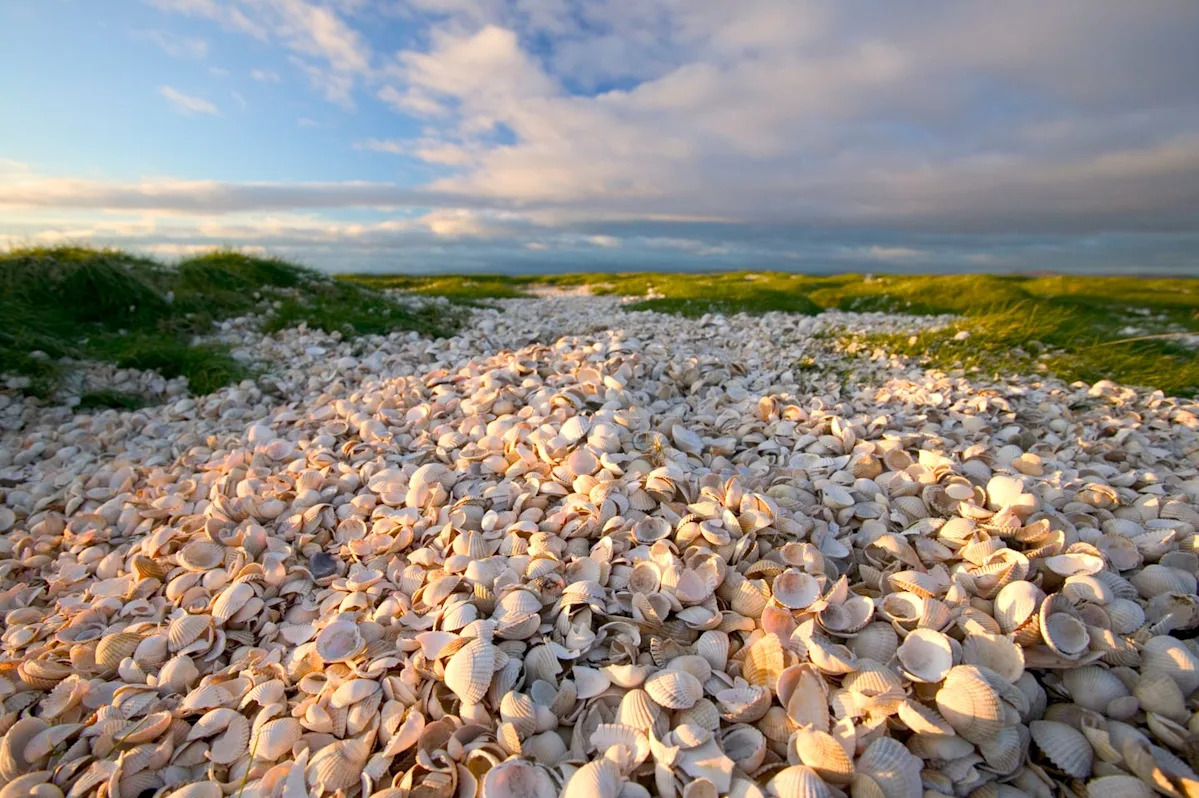
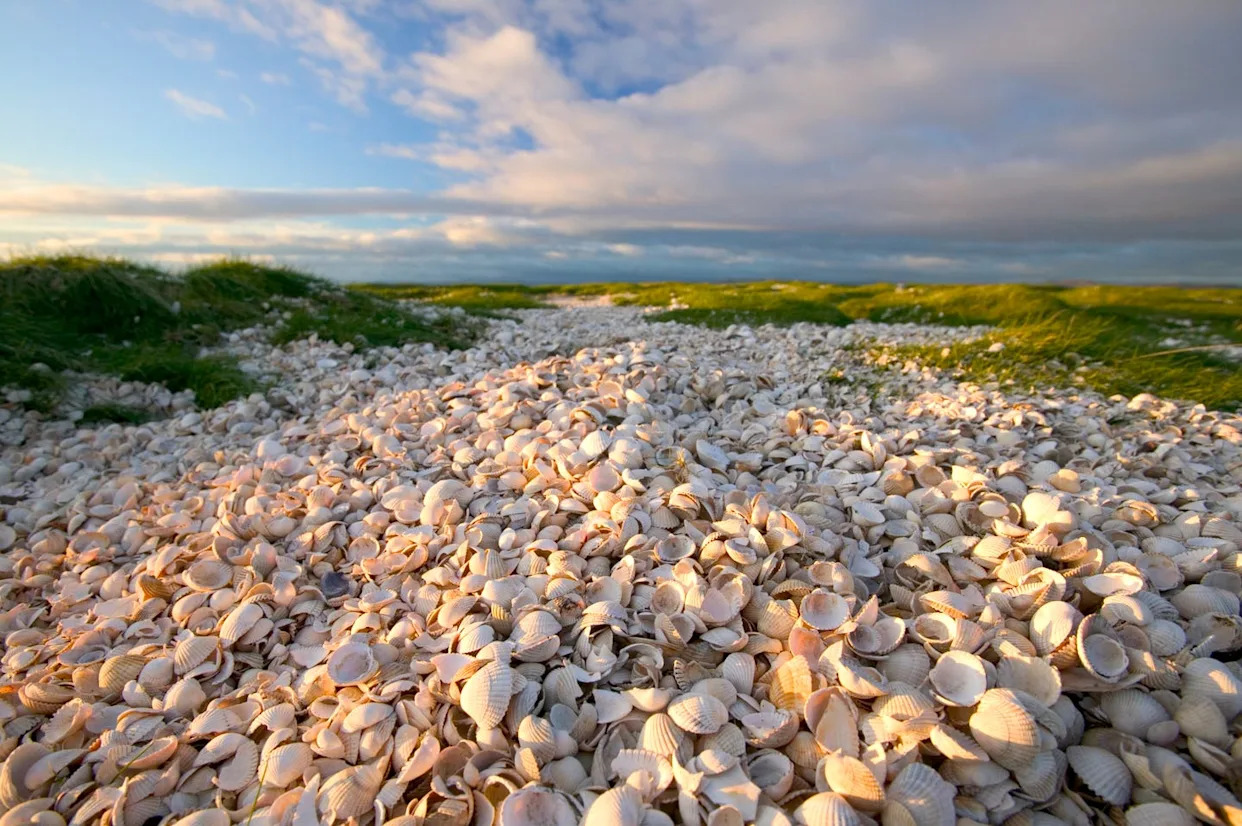
A recent study described a newly discovered 3,000-square-meter island made almost entirely of the shells of edible sea creatures off the western coast of Vanua Levu, the northern island of Fiji.

Scientists from Fiji and Australia analyzed whether this shell pile, known as a midden, was formed by humans or accumulated through tsunami deposits.

It’s possible that a settlement around the mid-8th century C.E. existed above this midden, and present-day mangroves grew in only after the area was deserted.

Since first exiting Africa hundreds of thousands of years ago, Homo sapiens have transformed landscapes in a surprising number of ways. Cities throughout the world provide concrete habitats unique to our species, and whole swaths of the natural world stand bare due to deforestation. Large portions of some countries would even be underwater if not for human ingenuity.

And researchers may have just found another example. In the southwestern Pacific Ocean, near the island of Vanua Levu, Fiji, lies an unassuming 3,000-square-meter island surrounded by mangroves that rises only 60 centimeters above sea level at high tide. Considering Fiji contains some 330 islands in total, another island in a mangrove swamp doesn’t come as any surprise—that is, until you learn that this particular island is made of the discarded shells of edible sea creatures.

In a new study published in the journal Geoarchaeology, scientists from Fiji and Australia analyzed what they believe is a 1,200-year-old “shell midden”—a fancy archaeological term for a trash heap of shellfish remains. Two of the authors of the study spotted the island in January of 2017 while conducting reconnaissance geoarchaeological surveys near Culasawani (located on the western coast of Vanua Levu). Radiocarbon dating suggested that the midden was likely 1,190 years old—meaning it was created by Lapita peoples (the archaeological culture associated with the first settlers of Fiji)—and the researchers found evidence of small fragments of undecorated pottery, suggesting the presence of pre-modern Fijian earthenware. However, there were no traces of fish bones or stone tools.

Quickly, two competing theories emerged.

“The first possible explanation […] is a midden island, formed in situ when a group of early (post-Lapita) settlers lived at or near the site around [760 C.E.] and processed huge quantities of edible shellfish for consumption over a period of a few hundred years,” the authors wrote. Alternatively, “The absence of any discernible stratigraphy and the comparative thinness of the sedimentary layer on the shell-dense island off Culasawani suggest that it may simply be a wave-deposited feature.”

To test this second hypothesis, the research team looked at sedimentary layers beyond the shell island, as a tsunami-deposited shell bed would likely extend beyond the island to the east and then get progressively thinner. However, no evidence appeared to support this idea. The lack of a declining sedimentary layer, and the fact that the shells come from commonly consumed shellfish, suggest that the island is in fact one big shell midden. This means that this once-unassuming island near Culasawani is actually the first shell midden ever found in the South Pacific east of Papua New Guinea.

It’s possible that this midden formed due to a settlement that once rested above it on stilts—during the Lapita era of Fiji, settlements often sat on stilts near open coasts. This likely means that the existing mangrove forest arrived after the desertion of this site, and those forests likely grew on a sediment layer fed by human deforestation further inland. This would’ve provided a perfect foundation for future mangrove forests to take hold around the midden.

“Vanua Levu, despite being the second largest island in the Fiji Archipelago, has been far less well studied by archaeologists than other parts,” the authors wrote. “The most important aspect of this study is the possibility that it has identified a shell-midden island, fortuitously created through the combined effect of relative sea-level fall and vertical shell-midden accumulation.”

You Might Also Like

20 Cars That Were Massively Improved by a Redesign

Going on Vacation? These Appliances Need to Be Unplugged Before You Leave the House

Roborock Reigns Supreme for Robot Vacuums, but We Also Loved These Other Models