huffpost Press
Judge Hands Trump A Big Loss In Court
Images
1 / 8

2 / 8
3 / 8
4 / 8
5 / 8
6 / 8
7 / 8

8 / 8
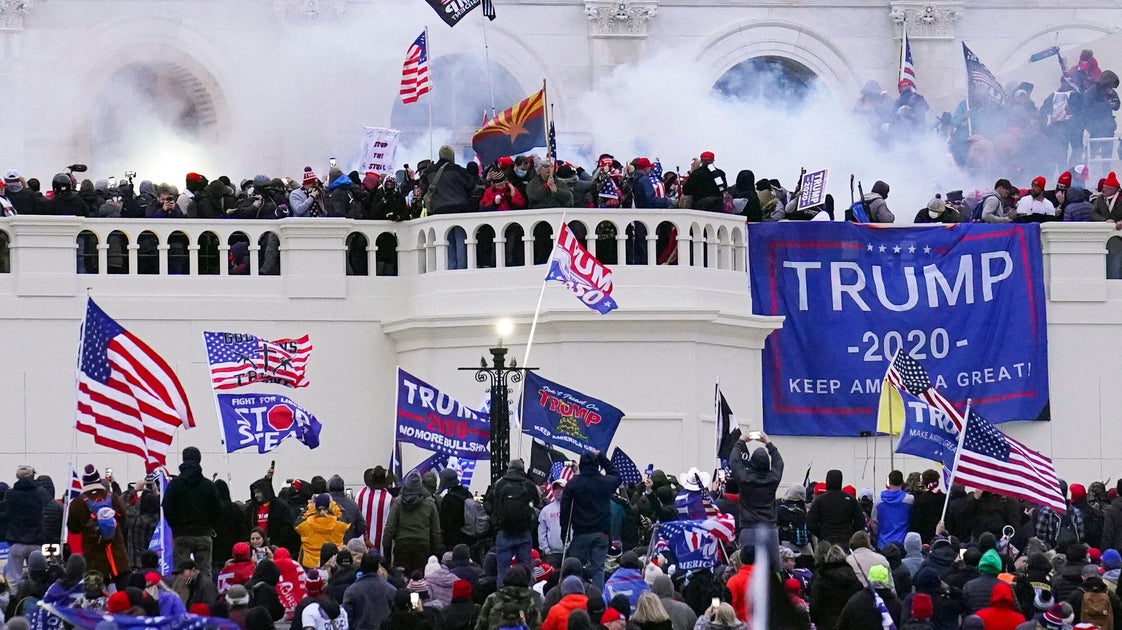
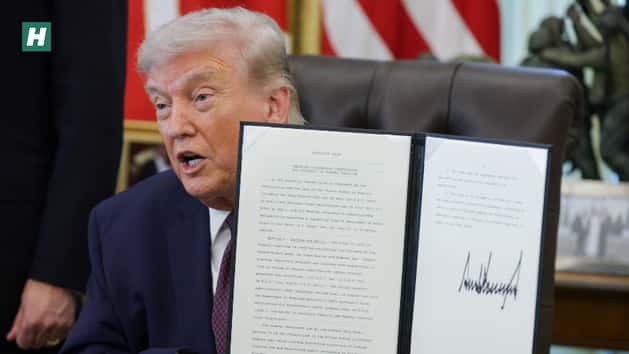
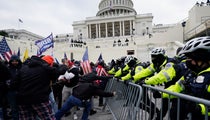
WASHINGTON — A federal judge ruled a civil case against President Donald Trump for his actions related to the attack on the U.S. Capitol on Jan. 6, 2021, can proceed.

In court, Trump argued remarks he made at a rally and in posts shared to his social media accounts were done as part of his official White House duties and were subject to presidential immunity.

U.S. District Judge Amit Mehta said many of Trump’s actions on Jan. 6, including remarks given on the Ellipse and in social media posts, could not be considered official White House acts, and said Trump’s team had not “carried his burden to demonstrate” that his actions were part of his presidential duties.

Mehta noted Trump “remains free to reassert official-acts immunity as a defense at trial. But the burden will remain his and will be subject to a higher standard of proof.”

A group of Democratic lawmakers filed a civil lawsuit in February 2021, alleging Trump and members of the Proud Boys and Oath Keepers conspired to intimidate members of Congress that day. The lawmakers claimed that Trump broke the law by launching a campaign of intimidation that began with promoting lies about fraud in the 2020 election and culminated with his incitement of his supporters to stop the certification of the election on Jan. 6.

Jan. 6 “is a day that is seared in my memory and the memories of so many in this country,” lead plaintiff, Oakland Mayor and former Rep. Barbara Lee (D-Calif.) said in a statement, adding that she is “gratified” with Mehta’s decision.

“This unprecedented, violent attack on our country, incited by Donald Trump, threatened the bedrock of our democracy — the peaceful transfer of power,” she continued. “I am deeply grateful to the Capitol Police Officers who fought to save our democracy, and I am honored to stand with the NAACP and alongside my co-plaintiffs.”

Joe Sellers, an attorney representing the Democratic lawmakers, released a statement praising the decision.

“For the first time in our nation’s history, a court has determined—based on the evidentiary record—that a president may be held personally liable for harms caused while in office,” the statement reads. “President Trump will have to appear at a civil trial in federal court in Washington, DC to defend against claims that he violated federal civil rights laws in his actions before and during the January 6 rally.”

For years, Trump has unsuccessfully tried to have the civil case dismissed on the district and appellate levels. He has argued presidential immunity protected him from the civil claim because he was acting in an official capacity, not a personal or campaign capacity, when he delivered remarks at the Ellipse on Jan. 6 or blasted out messages to the mob on social media.

Trump also demanded Mehta dismiss the case on First Amendment grounds, claiming every word he uttered on Jan. 6 was protected speech and that he was only concerned with preserving the “public interest” in fair elections — and not, as lawyers for the lawmakers alleged, campaigning for another term. Mehta had already once rejected that First Amendment argument from Trump, but the president reiterated it in his latest attempt to get the case thrown out.

In the ruling late Tuesday, Mehta argued the campaign rally at the Ellipse ahead of the Jan. 6 riot was an “unofficial act of an office-seeker,” noting the event was organized and attended largely by people associated with Trump’s campaign.

“He is wrong to suggest that because the Rally was not a fully campaign-sponsored event, his Ellipse Speech therefore must be an official act,” Mehta wrote.

As HuffPost reported in December, the lawmakers say Trump tried to “murder democracy” on Jan. 6 and claim he understood there were potentially armed people in the crowd. They contend their case is the very last chance the nation will ever have to hold Trump accountable in a meaningful way for the Capitol attack. The Supreme Court’s presidential immunity ruling in July 2024 had hobbled the Jan. 6 criminal case brought by former special counsel Jack Smith, and Trump’s reelection in November 2024 put the final nail in that coffin.

But, as Mehta explained in his ruling, this civil lawsuit can and will proceed.

By entering your email and clicking Sign Up, you're agreeing to let us send you customized marketing messages about us and our advertising partners. You are also agreeing to our Terms of Service and Privacy Policy.