yahoo Press
'We Have No Chance': Honda's Honest Confession about China
Images
1 / 6
2 / 6

3 / 6

4 / 6
5 / 6

6 / 6
In mid-2023, Ford CEO Jim Farley stepped onto the stage at the Morgan Stanley Sustainable Finance Summit and shared a moment that caught many in the room off guard. He was not talking about profits or new models. Instead, he described a recent visit to China and what he saw there.

His words were blunt and carried a sense of urgency.

“I think we see the Chinese as the main competitor, not GM or Toyota,” he said. Then he went further. “They are going to be a powerhouse.”

Farley explained that during his trip, he drove electric vehicles built by Chinese companies. He spoke about how these cars felt different. The software was smooth. The screens worked like smartphones. Updates came easily. He admitted that the experience forced him to rethink how competition in the auto industry now looks.

The setting of this public confession carries significant weight. It wasn’t a private conversation that got picked up by hot mic. It was a public conversation in front of analysts and journalists who follow every move from major automakers.

Farley was laying out a concern that had been building inside Ford for some time. He described how Chinese manufacturers are not just building cars. They are building tech products on wheels, supported by a supply chain that moves with speed and confidence.

He even warned that if Western automakers fail to respond, “they will put us out of business.” That line stood out. It was not typical language from a CEO of a company with more than a century of history.

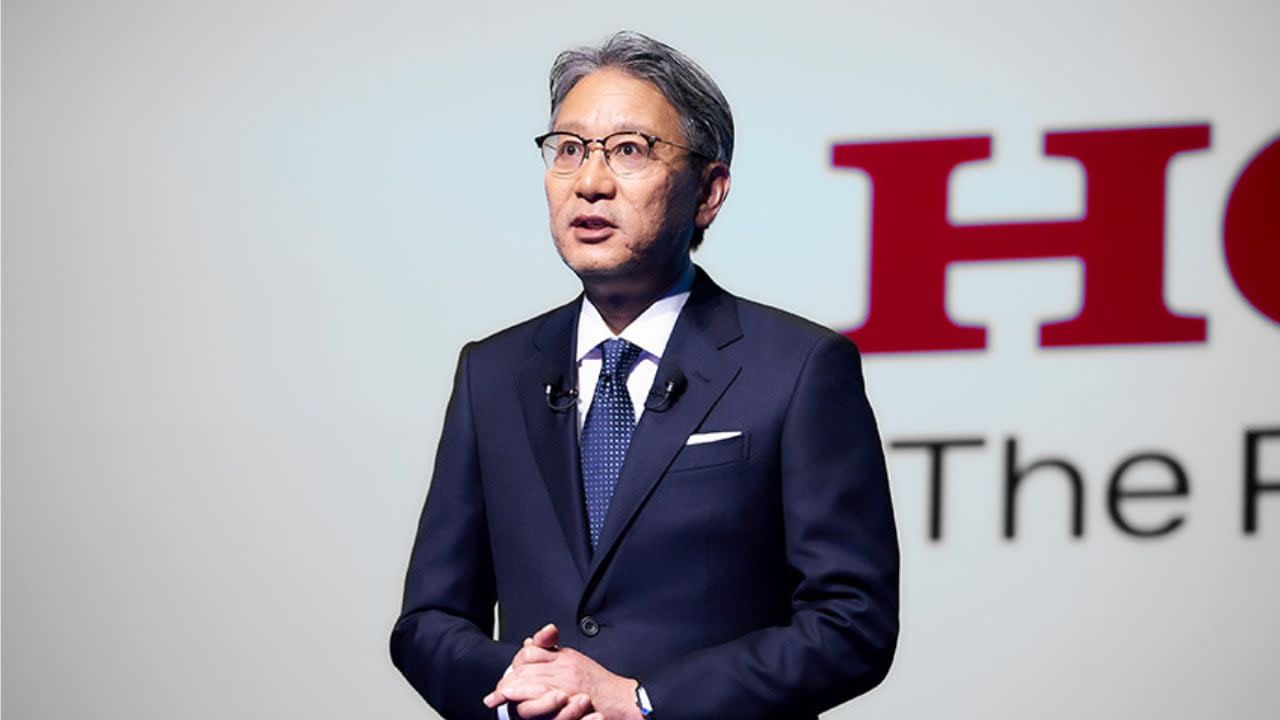
Fast forward to 2025, and a similar tone is now coming from Japan. Toshihiro Mibe returned from his own visit to China with a message that echoed Farley’s concerns, but with an even sharper edge.


After meeting suppliers and observing how Chinese companies operate, Mibe did not try to soften his reaction. He said plainly, “We have no chance against this.”

That statement came after he saw how deeply connected China’s auto ecosystem has become. For someone outside the industry, think of it like this. Building a modern electric car is not just about engines and wheels.

It involves batteries, chips, software, displays, and constant updates. In China, many of these parts are developed side by side, often in the same region, by companies that work closely together.

Mibe noticed how fast ideas turn into finished products. A feature that takes years to develop elsewhere can be rolled out in a much shorter time. Suppliers are not waiting in long chains across continents. They are nearby, ready to adapt and produce at scale.

The timing of his comments is notable. Honda’s sales in China have dropped sharply over the past few years. Factories are running below capacity. The company is feeling pressure in a market that once drove its growth. Seeing the strength of local competitors up close must have brought things in much sharper focus.

Both US and Asian leaders are reacting to the same shift, just from different angles. Farley spoke after experiencing the technology inside Chinese vehicles. Mibe focused on the system behind those vehicles. Together, their views paint a full picture.

For the regular car owner, this may sound like industry talk, but it has real impact. The cars people buy in the next few years will be shaped by this competition. Features will improve faster. Prices could change. The idea of what a car should feel like is already evolving.

What stands out most is the honesty. It is not common to hear top executives speak this openly about being challenged. Yet both Farley and Mibe chose to do so, in public, with clear words. It’s what happens when a reality can no longer be ignored

The takeawy? The global auto industry is entering a new phase, and China is setting the pace.

Sources: Creative Collaboration, Motor1

If you want more stories like this, follow Guessing Headlights on Yahoo so you don’t miss what’s coming next.