Press
Ten cases a day - how 'blitz courts' could tackle the Crown Court backlog
Images
1 / 10

2 / 10

3 / 10

4 / 10

5 / 10

6 / 10

7 / 10

8 / 10

9 / 10

10 / 10
A man wearing a blank expression was the first in the dock. He had sent intimate pictures of his genitals to a 13-year-old girl and was found in possession of almost 200 indecent images of children.

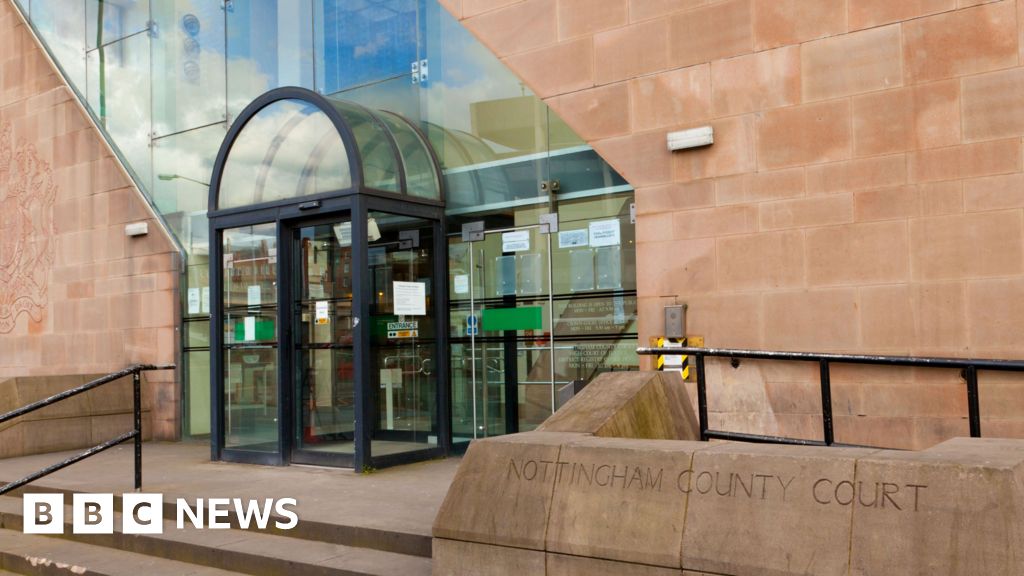
Calling him a "depraved individual", the judge at Nottingham Crown Court handed him a two-year suspended prison sentence. He was also ordered to do 118 hours of unpaid community service and was placed on the sex offenders' register for the next 10 years.

A woman listened as he was sentenced, trying to conceal tears. The hearing took 45 minutes.

Next, the judge heard a case of a man who had sent a 14-year-old girl intimate pictures and asked her for sex.

The defendant, who was 27 at the time, was caught by a paedophile-hunter group after arranging to meet the girl outside an Asda supermarket.

He was given a sentence similar to the previous offender's.

Typically I come to court to cover one case. But today was different. These were the first of many cases Judge Michael Auty KC would hear over the next five hours.

Nottingham is one of a small number of crown courts running "blitz" hearings, where dozens of cases are pushed through in a day, with the aim of tackling massive court backlogs.

Other areas with similar initiatives are being run in London, the North East and the North West of England.

The scheme will now be rolled out to more courts in England and Wales, including London's Old Bailey.

The idea is to put cases on a "fast track".

Blitz courts are primarily used for trials but also cover sentencing hearings and appeals.

It's unusual for a judge to oversee so many cases in one day, but the government is hoping to use this system more to address the huge build-up of cases in the criminal justice system.

Nottingham holds these sessions twice a month. Similar cases are usually grouped together as many will have similar sentences, making it easier for the court to use the time allocated effectively.

During the one day I sat in Nottingham's court nine, the judge handed down ten sentences - four of which were for sex offences.

The concept is not a new idea. Blitz hearings are sometimes used to speed up cases in exceptional circumstances, such as after the 2011 summer riots in England, which saw large numbers of public disorder hearings.

From this month, the government is expanding the use of blitz courts as part of a package of measures to try to get through caseloads in England and Wales.

The money will come from £2.7bn of government funding for courts and tribunals for this financial year, an increase from £2.5bn during the previous 12 months.

There are around 80,000 cases waiting to be heard in crown courts in England and Wales - with levels double those before the pandemic.

The backlog is expected to rise to more than 100,000 by the end of this year and it is predicted there could be 200,000 cases waiting to be heard by 2035 if nothing changes.

Victims of crimes, some of whom have been told that their cases will not be heard until 2030, say the long waits are unacceptable and are calling for urgent changes.

From April, the Central Criminal Court, also known as the Old Bailey, will use two courts to run blitz hearings. They will focus on assaults of emergency workers, with more than 600 cases of this kind waiting to be heard.

Back at Nottingham Crown Court, the cases kept coming. Next was a married father-of-five who had shared intimate images of a Muslim woman he had sex with and later tried to blackmail.

The court heard that he threatened to share naked pictures of her in a hotel room to her family if she did not continue to sleep with him.

''You are 44 years old," said the judge. "These offences are mean, manipulative."

Handing him a two-year suspended jail sentence, he added: "You've escaped jail by the skin of your teeth."

On the day I was there, the judge passed sentences for drug offences, public disorder and theft.

While addressing prosecution and defence barristers, Judge Auty KC said some of the cases should not have ended up in Crown Court and could have been resolved by magistrates, resulting in earlier pleas, swifter justice and less pressure on the system.

Supporters of blitz courts say the benefits are worthwhile, resulting in earlier pleas, faster hearings and a greater chance of offenders being rehabilitated in their community without taking up a prison space.

It means the prosecution must make an early review of the realistic prospects of success, leading to some cases either being discontinued or lesser charges offered.

Justice Secretary David Lammy has already announced other reforms to tackle the court backlog, including controversial plans to scrap jury trials in England and Wales for crimes that carry a likely sentence of less than three years.

It follows an independent review by retired judge Sir Brian Leveson, which warned of a court system "on the brink of collapse" and made 130 recommendations, some of which will be brought in through a new Bill in Parliament.

Sir Brian recommended the right to a jury trial should be scaled back.

Critics, though, are fiercely against this.

Riel Karmy-Jones KC, chair of the Criminal Bar Association (CBA), which represents the views and interests of specialist criminal barristers, said: "Several Crown Courts have shown that it is possible to reduce the backlogs substantially without interfering with the right to trial by jury."

The Ministry of Justice said blitz courts were a flexible approach that judges may choose to deploy.

A spokesperson said the judiciary would consider expanding the scheme to include "other relatively straightforward offences", such as drug possession and commercial burglary.

"They are carefully planned and time-limited exercises designed to make best use of already-funded and available courtrooms, judicial capacity and sitting days," it added.

But the CBA is warning there can be no shortcuts to a properly functioning criminal justice system.

The mother of a 16 year old girl who was killed by a scrambler has said life has been a "living nightmare" since.

Two women who trashed a hotel are banned from all pubs, bars and nightclubs in England and Wales.

The mother of Conner Marshall, who was beaten to death in an unprovoked attack, feels "angry" and "let down".

The justice secretary says the limits are required to stem a growing backlog of cases in crown courts.

Lawyers including top barristers and retired judges urge the government to drop a plan to abolish some jury trials.