Press
US and Iran locked in blockade standoff as Pakistan pushes for talks
Images
1 / 8

2 / 8
3 / 8

4 / 8
5 / 8

6 / 8
7 / 8
8 / 8
Courtesy of last night's Truth Social post from US President Donald Trump, the ceasefire between Iran, the US and Israel which was due to expire on Wednesday does at least persist.

Instead of fighting, we have a "war of blockades" over the Strait of Hormuz, with both sides using force to intercept and seize commercial vessels.

The mood out in one of the world's most important waterways is combustible. It would be unwise to bet against events spiralling out of control.

In the meantime, Islamabad still waits for Iranian and American representatives to arrive for peace talks.

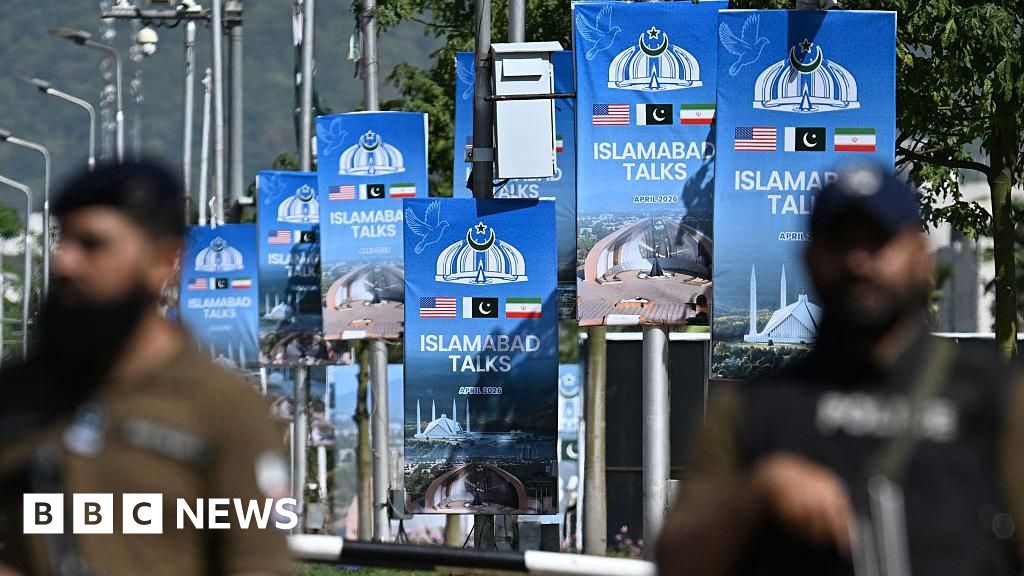
Parts of the city remain sealed off, the signs are still up and the hotel where talks were expected to take place is empty, ready for the hoped-for return of high-level delegations.

But after several days of fevered anticipation, the atmosphere has changed.

Gone is the talk of press pools in faraway Washington being told to head for the airport, or speculation about the contents of the giant C-17 Globemaster transport planes that landed at a nearby military airbase earlier in the week.

In its place is the gloomy realisation that an opportunity for Pakistan to prove itself on the international stage, to broker a deal - any kind of deal - between mortal enemies may have slipped out of Islamabad's grasp. For now.

Pakistan has not given up. Prime Minister Shehbaz Sharif, who has invested considerable diplomatic capital in getting the two parties together, posted on social media that Pakistan would "continue its earnest efforts for negotiated settlement of the conflict".

Donald Trump has told at least one journalist that a deal is still possible in the next few days.

It's hard to know if this is reality speaking, or the voice of an impatient man, anxious to remove Iran from his most urgent to-do list before King Charles arrives in Washington for a state visit next Monday - and Trump's much anticipated visit to China not long afterwards.

Iran dismissed the president's suggestion that he was giving Tehran time to come up with a "unified position", but it seems unlikely that the regime, already bruised and battered by the war, will break the ceasefire, thus inviting more punishment from the air.

In the meantime, what are we to make of the Iranian delegation's reluctance to get on a plane for the short ride to Islamabad?

Iran accuses the US of a "breach of commitments" and cites what it called Washington's "contradictory behaviour".

Donald Trump's wildly conflicting public pronouncements – threatening apocalyptic punishment one moment and offering an olive branch the next, claiming all the while that Iran has already made significant concessions – have muddied the waters.

Iran still complains that it has entered negotiations twice in the past year, only to be attacked by Israel and the United States.

But Donald Trump's Truth Social post announcing the ceasefire extension, lacking its usual bombast, spoke of an Iranian regime that is "seriously fractured, not unexpectedly".

For a man who has trumpeted the fact that he has already achieved regime change in Iran, was this an admission that Washington is struggling to know who it's dealing with?

Has "regime fracture" made the business of diplomacy with Iran – never the easiest art to master – that much more difficult?

Deliberately or not, the president, through his choice of words, briefly joined a debate that has been raging among seasoned Iran watchers in recent days: who's in charge in Iran now that so much of the old leadership is gone?

Billionaire investor Justin Sun is suing the family's World Liberty crypto venture after spending $45m on its tokens.

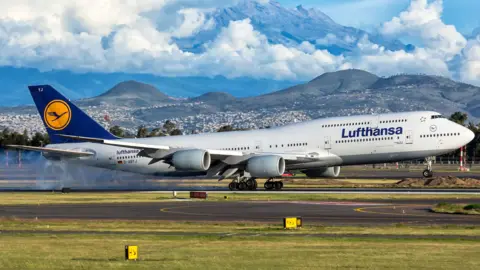
The airline is the latest to cut flights as the US-Israel war with Iran sends jet fuel prices soaring.

A black bear in Albany, New York, climbed a tree in a residential neighbourhood and was tranquillised before falling into a net held by wildlife and law enforcement officials.

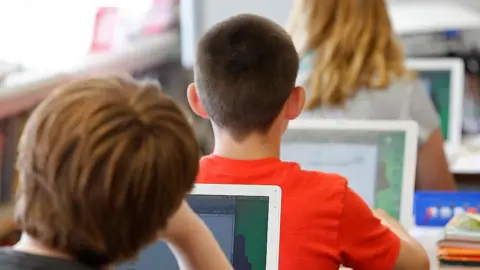
The school district, which serves about half a million students, is looking to reduce its reliance on devices after the pandemic.

The new maps approved by the state's voters could allow Democrats to flip as many as four House seats.