yahoo Press
James Comey’s ‘86 47’ indictment would seem to be bad news for lots of people — including Trump
Images
1 / 12
2 / 12

3 / 12

4 / 12

5 / 12

6 / 12
7 / 12
8 / 12
9 / 12

10 / 12

11 / 12

12 / 12
The Trump administration’s second indictment of former FBI Director James Comey appears to be perched on a very slippery slope.

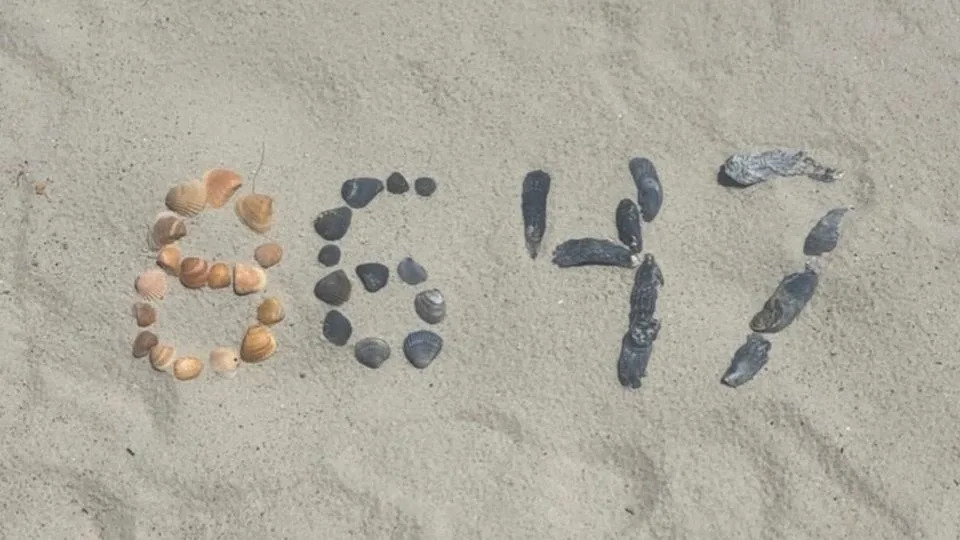
Comey’s alleged criminal offense is posting an image of seashells arranged to spell out “86 47.” The “86” terminology is slang typically used to describe throwing out or eliminating something, and Donald Trump is the 47th president. The administration argued from the beginning that it was a threat against Trump.

Except many Americans, including some prominent Trump allies, could be charged or at least investigated under that logic.

It’s also ironic that Trump’s Justice Department is now investigating and issuing indictments over vaguely threatening-sounding content, given Trump’s own lengthy history with such rhetoric.

It is theoretically possible there is some damning piece of evidence showing Comey understood his post to be a true threat (which the DOJ must prove). The Justice Department’s three-page indictment doesn’t go into much detail.

Back in May, when the administration initially raised this issue, Comey said he didn’t realize “86” could have some potentially violent connotations and quicky deleted the post.

But Occam’s razor would seem to point to this being a thinly constructed case. Trump has previously made clear he wants Comey indicted and, when the first indictment against the former FBI director didn’t pan out, the president and other administration officials quickly declared the seashell post was a threat before any investigation was actually conducted. Plus, this isn’t the first thin case against a Trump foe.

Even some conservative legal scholars and Trump allies have been quite skeptical of the Comey charges.

Part of the government’s problem could be proving that this isn’t selective prosecution. Many others have used the “86” formulation without it being interpreted as a threat.

Perhaps the most prominent example is pro-Trump influencer Jack Posobiec in 2022 posting “86 46.” That’s the same thing Comey posted, except substituting Biden (the 46th president) for Trump. (Posobiec has claimed Comey’s post was a call for assassination, but his post about Biden remains live to this day.)

Two years later, fellow pro-Trump influencer Scott Adams posted, “The Simulation says it is time to ‘86’ Biden.”

There is no evidence either man has been investigated for potential threats. Adams died in January.

Nor is there evidence of a similar investigation of Democratic Michigan Gov. Gretchen Whitmer, who appeared on TV in 2020 with “86 45” displayed next to her. (Trump, of course, was also the 45th president.)

Other Trump allies have also used “86” in political contexts in ways that make clear it’s not an obvious threat.

Republican former Rep. Matt Gaetz of Florida in 2024 celebrated having “86’d” a series of Republicans who had been removed from leadership positions, not killed.

And, similar to Posobiec, Fox News host Jesse Watters last year concluded that Comey’s use of “86” meant he had “put a hit out on Trump.” But months later, Watters used the same term for two different people who were merely ousted from their political jobs.

And then there is just the sheer volume of “86” merchandise that’s out there. Online retailers like Amazon have been selling things with “86 47,” “86 46,” “86 45” and even “86 44” (for former President Barack Obama) emblazoned on them for years. Those items — many of which are marketed as calls to remove presidents from office, not to kill them — remain available to this day.

Is the DOJ going to investigate the people who sold and purchased such apparel?

When pressed this week on the other examples — specifically the Posobiec and Whitmer ones — acting Attorney General Todd Blanche suggested Comey’s case is somehow different, without detailing how.

“The mere fact there’s a similar photo posted or similar statement made — that’s true every day,” Blanche told CBS News on Wednesday, adding: “Every one of those are not indicted. It depends on the facts of every case.”

But Blanche conceded that he had “no idea whether there was an investigation into the other times that that post has been made and whether that investigation yielded different results.”

This is also not the first time the Trump Justice Department could plausibly be accused of treating friends and foes differently while pursuing Trump’s retribution campaign.

Last year, the administration scrutinized a series of Trump foes for potential mortgage fraud, including Sen. Adam Schiff of California, New York Attorney General Letitia James (who was indicted before the case was dismissed) and Federal Reserve Governor Lisa Cook (who Trump has tried to fire from her post over the allegations). But there is no evidence similar scrutiny has been applied to Republicans with very similar potential mortgage problems, like Texas Attorney General and Senate hopeful Ken Paxton and some Trump Cabinet officials.

The other key point here is that the Comey prosecution standard would seem to be a troubling one for Trump himself.

Trump, after all, has frequently said and posted vaguely threatening-sounding things.

In 2016, Trump referenced how “Second Amendment people” might prevent then-Democratic presidential candidate Hillary Clinton from appointing judges.

In 2020, he posted a video of one of his supporters saying, “The only good Democrat is a dead Democrat.”

In 2023, Trump posted a news article that featured an image of himself wielding a baseball bat, juxtaposed with an image of Manhattan prosecutor Alvin Bragg. Trump’s own lawyer called it “ill-advised.”

In early 2024, Trump shared an image of a truck with a tailgate illustrated as if to show Biden hogtied in the truck bed.

Late in the 2024 campaign, Trump mused about a circumstance in which Liz Cheney would be “standing there with nine barrels shooting at her.”

And he has repeatedly suggested his opponents might deserve to be executed.

This is only a small portion of Trump’s violent rhetoric, focused on things that could plausibly be argued were threatening to specific people — particularly if you’re using the newfound Comey standard.

It seems unlikely the Comey prosecution will lead to a conviction. But it could tell us a lot about how desperate the administration is getting in its quest to target Trump’s foes.

As Republican Sen. Thom Tillis of North Carolina told CNN on Wednesday: “I just think it’s another example of where we’re going to regret this, because we’re setting a fairly low bar.”

For more CNN news and newsletters create an account at CNN.com