yahoo Press
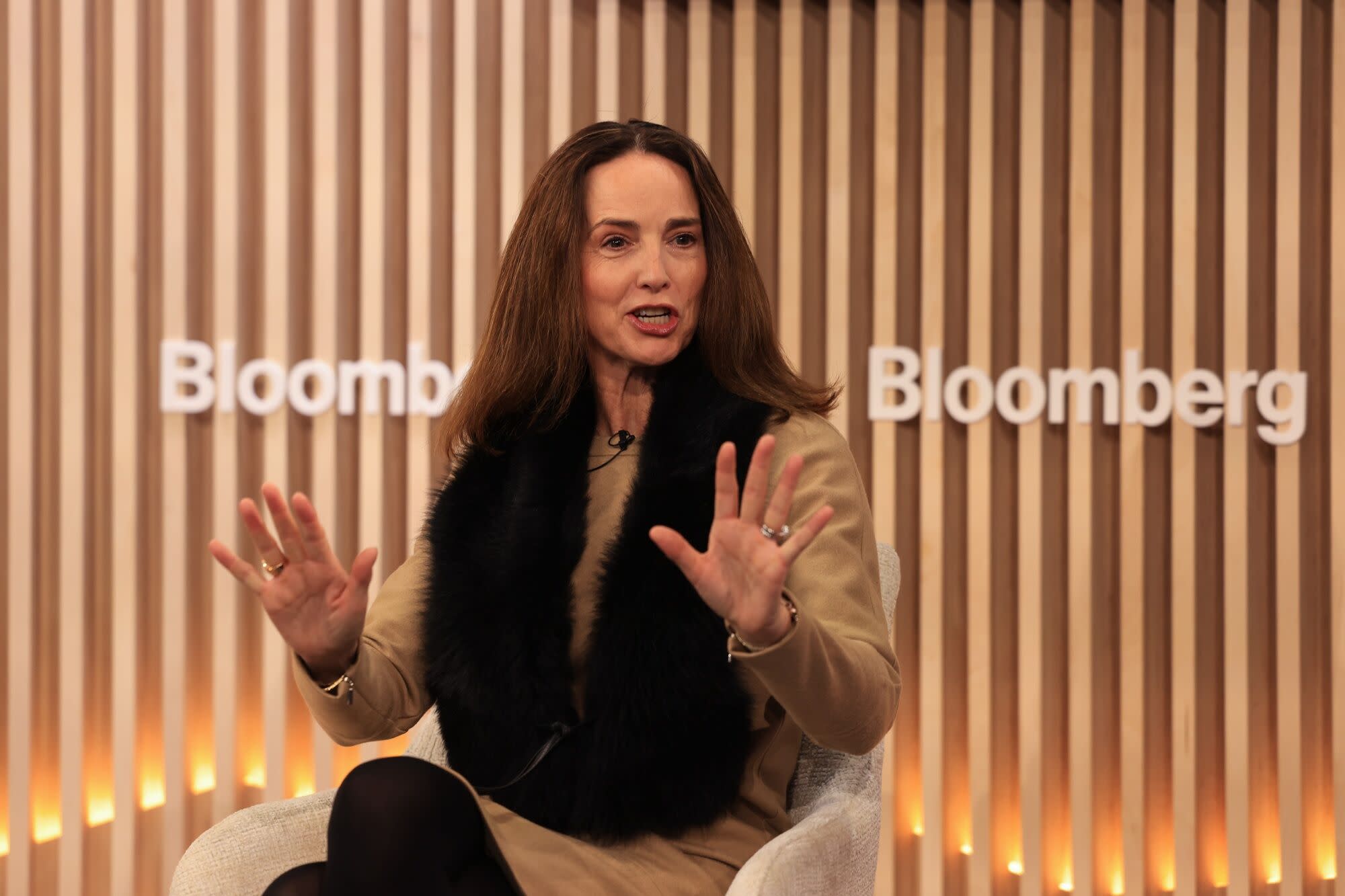
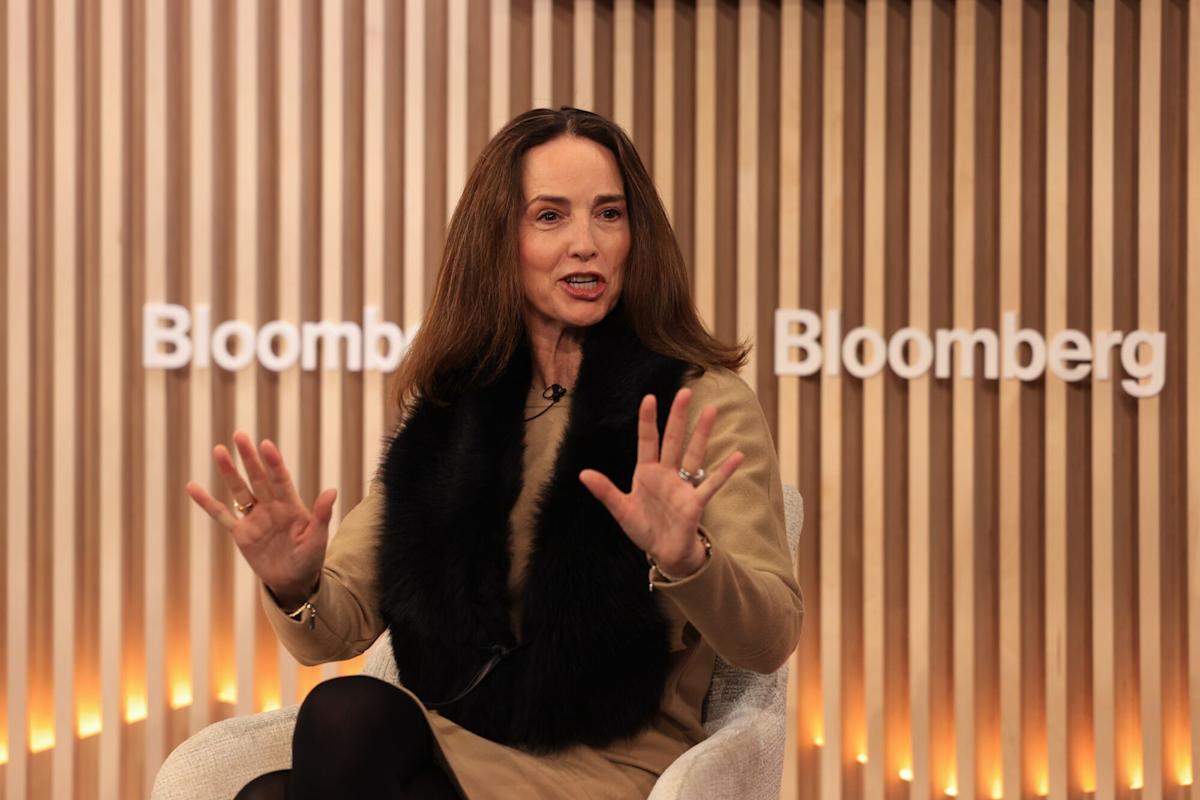
OpenAI CFO Sees ‘Vertical Wall of Demand’ for Products
Images
1 / 5
2 / 5

3 / 5

4 / 5
5 / 5
The above button links to Coinbase. Yahoo Finance is not a broker-dealer or investment adviser and does not offer securities or cryptocurrencies for sale or facilitate trading. Coinbase pays us for certain activity generated through this link. Prices displayed are informational.

(Bloomberg) -- OpenAI Chief Financial Officer Sarah Friar pushed back on concerns about missing internal targets, saying the company is meeting objectives and sees “a vertical wall of demand” for its products.

Most Read from Bloomberg

US Seeks to Deploy Hypersonic Missile for the First Time Against Iran

Two NJ Malls Separated by Just Four Miles — and Very Different Fates

Trump Says Iran Blockade ‘Incredible’ as Pump Prices Keep Rising

Trump Family-Backed Drone Firm Signs Weapons Deal With US

North Korea Confirms Suicide Rule for Soldiers Ukraine Captures

“We feel like we’re beating our plan at the highest level,” Friar said in an interview Thursday. “How we get there often moves around period to period, because this is still a young business that is not perfectly forecastable across every single metric.”

OpenAI came under scrutiny this week after a report the startup fell short of internal targets for revenue and user growth, including a goal of reaching one billion weekly active users by the end of 2025. The Wall Street Journal story also said Friar had expressed concern the company may not be able to afford its future computing needs if sales don’t grow fast enough.

Shares of several OpenAI backers and partners sank after the article was published, underscoring the company’s central role in the AI economy. OpenAI later described the report as “prime clickbait” and said its business was “firing on all cylinders.”

Friar acknowledged that the company has ambitious internal “stretch goals” that can be different than the ones it shares publicly. But the popularity of OpenAI’s products continues to grow, she said. This month, OpenAI said its coding agent Codex hit 4 million weekly users — up from 3 million two weeks earlier.

“Every company I’ve ever been inside of in my entire CFO life, and as an analyst, always has stretch goals — always,” she said. “And if you don’t have those stretch goals, I feel like, actually, you’re not doing your job as a CFO.”

Friar has held various positions at companies including Goldman Sachs Group Inc., Salesforce Inc., Nextdoor Holdings Inc. and Square Inc., now known as Block Inc.

She also disputed the notion that she believes OpenAI may need less computing infrastructure. Data center capacity is the very thing that OpenAI requires more of, she said.

“We’re going up a vertical wall of demand right now,” Friar said. “If we’re in places where we’re not hitting like targets, at the moment, I would actually say it’s lack of compute that often is the thing that’s slowing us down to some degree.”

Chief Executive Officer Sam Altman has said the company will need to eventually spend trillions of dollars on infrastructure to develop and run its AI services.

In the interview, Friar said she and Altman can “debate things, but in a very constructive way.” She characterized the pair as being “genuine friends” who can “align at the speed of light when we really have to get big things done.”

OpenAI kicked off the current AI boom with the release of ChatGPT in late 2022 and has seen its business grow at a fast clip since then. The startup said in March that it was bringing in $2 billion of revenue a month.

But the company faces heightened competition from Anthropic PBC and Alphabet Inc.’s Google, both of which have released competitive models that risk drawing away consumers and business customers. OpenAI declared a “code red” in December as its rivals gained ground. More recently, the company has taken steps to streamline its sprawling product portfolio and better focus on a new model and AI agents.

Anthropic and OpenAI are racing to secure more data centers, chips and talent to support their AI ambitions. To date, however, OpenAI has committed to invest significantly more than its rival. It’s said it plans to spend about $600 billion on infrastructure for AI by 2030.

OpenAI completed a $122 billion funding round in March at an $852 billion valuation. Anthropic is currently fielding offers from investors for a financing round that could value it at more than $900 billion, potentially leapfrogging OpenAI. Both firms are expected to go public as soon as this year.

(Updates with details of company goals from the third paragraph)

Most Read from Bloomberg Businessweek

‘I Have Half of MAGA’: The Republican Challenging Trump From Within

It’s Boating Season, But Only If You Can Afford Fuel

Running America’s Second-Busiest Airport in Turbulent Times

United’s CEO Is Here to Buy Your Struggling Airline

Outrage Over Pesticides Is Alienating Some Trump Voters

©2026 Bloomberg L.P.