yahoo Press
Opinion - Arrests in massive human trafficking sting connected to Trump, Jan. 6
Images
1 / 10
2 / 10

3 / 10

4 / 10

5 / 10

6 / 10
7 / 10

8 / 10

9 / 10

10 / 10
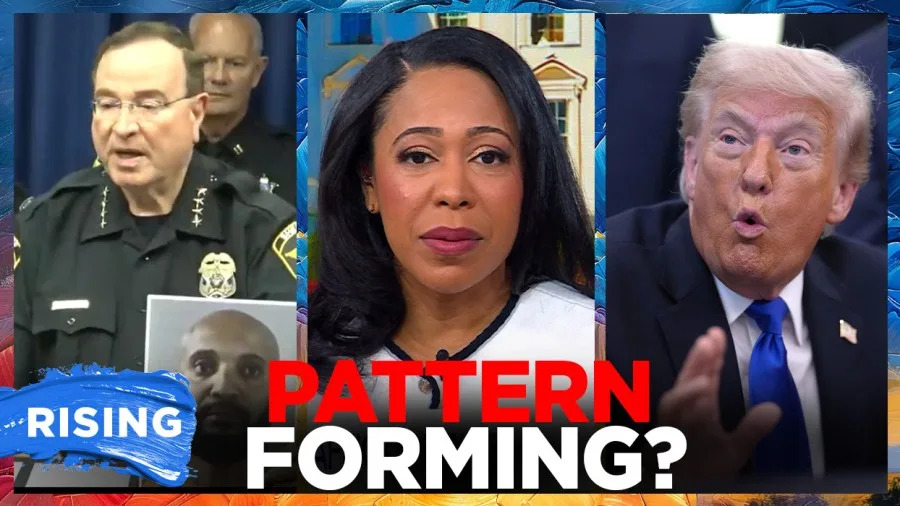
When you hear about a massive human trafficking and prostitution sting — 266 arrests in one Florida county — you expect disturbing details. But what stands out here isn’t just the scale. It’s who some of these people are, and what that says about a bigger pattern.

Among those arrested: Craig Long, a self-described MAGA influencer with more than half a million followers. Someone who built a platform around political commentary and proximity to power.

“He’s an influencer. He moves in big circles even with the president. This is a photograph of him with the president and his son not long ago.” That’s Polk County Sheriff Grady Judd. He didn’t stop there: “Well there you go, you got arrested in a human trafficking sting. Influence that for a while.”

And he’s not the only one raising eyebrows.

Another man highlighted by investigators, in the same sting operation, Ryan Yates, has a history that connects to something much bigger: the January 6 attack on the U.S. Capitol.

“He was arrested in the January 6 Capitol riot. He entered the building illegally. He pushed against and battered police officers trying to get into the rotunda. He was sentenced to six months in prison, three months home detention, and then two years supervised release,” said Judd. “He says he’s unemployed, and then he got a blanket pardon from President Trump. Well we’re not giving him a blanket pardon, are we sir? I didn’t think so.”

That’s not a minor footnote. That’s someone previously convicted in a violent attack on democracy, now showing up in a completely different kind of criminal investigation.

And when you zoom out, this isn’t happening in isolation.

There are multiple documented cases of individuals tied to January 6, many of whom were later pardoned, going on to face serious charges. We’re talking about crimes involving violence, threats and even child exploitation. Names like Andrew Paul Johnson, sentenced to life for child sex crimes, or Edward Kelley, convicted in a plot to murder FBI agents. Others were arrested for soliciting minors or making violent threats.

Now, to be clear, not every supporter of any political movement is responsible for crimes like these. That would be unfair and inaccurate. But it is fair to ask questions when you start to see repeated overlaps between extremist rhetoric, a willingness to break the law for a cause, and later criminal behavior.

When people who were already involved in political violence show up again in serious criminal cases, it suggests something deeper than coincidence. It points to a culture, in some corners, where accountability is blurred, where loyalty can overshadow legality, and where consequences don’t always land the way they should.

Which is why public trust, in institutions and in leadership, depends on accountability being real and consistent.

At the end of the day, this story isn’t just about one sting operation or one influencer. It’s about patterns — and about what happens when influence, ideology and behavior collide.

Lindsey Granger is a NewsNation contributor and co-host of The Hill’s commentary show “Rising.” This column is an edited transcription of her on-air commentary.

Copyright 2026 Nexstar Media, Inc. All rights reserved. This material may not be published, broadcast, rewritten, or redistributed.

For the latest news, weather, sports, and streaming video, head to The Hill.