Press
Hantavirus: What we know about the Atlantic cruise ship outbreak
Images
1 / 8

2 / 8

3 / 8

4 / 8

5 / 8
6 / 8
7 / 8

8 / 8
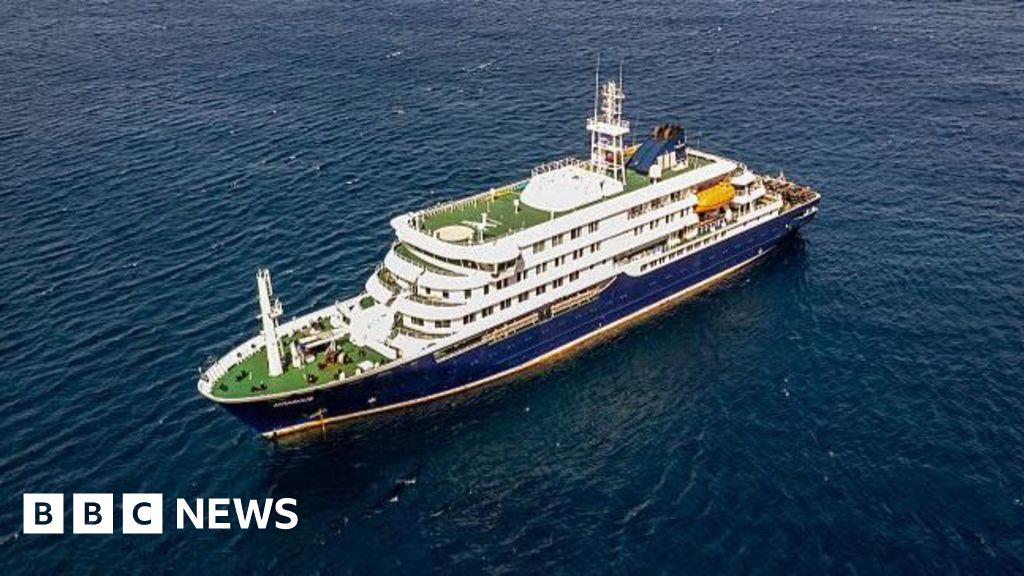
Three people have died after a suspected hantavirus outbreak on a cruise ship sailing in the Atlantic Ocean, according to the World Health Organization (WHO).

Oceanwide Expeditions, the operator of the MV Hondius ship, said a Dutch husband and wife and a German national who were on board the vessel had died.

Two cases of hantavirus have been confirmed so far, including the Dutch woman who died. The causes of the deaths of the other two passengers are being investigated.

Meanwhile two members of crew are presenting with respiratory symptoms, Oceanwide Expeditions has said.

The outbreak was reported aboard the cruise ship which was travelling from Argentina to Cape Verde.

Hantavirus refers to a strain of viruses carried by rodents, primarily transmitted to humans through inhalation of airborne particles from dried rodent droppings.

Infections typically occur when the virus becomes airborne from a rodent's urine, droppings, or saliva, according to the US Centers for Disease Control and Prevention (CDC).

Though rare, it can also spread through rodent bites or scratches.

The virus can cause two severe illnesses. The first, Hantavirus Pulmonary Syndrome (HPS), often starts with fatigue, fever, and muscle aches, followed by headaches, dizziness, chills, and abdominal issues. If respiratory symptoms develop, the mortality rate is approximately 38%, according to the CDC.

The second illness, Haemorrhagic Fever with Renal syndrome (HFRS), is more severe and primarily affects the kidneys. Later symptoms can include low blood pressure, internal bleeding, and acute kidney failure.

A 69-year-old British national, who is in intensive care in a hospital in South Africa, has been confirmed to have hantavirus.

It has also been identified as being present in the Dutch woman who died after disembarking in Saint Helena.

Oceanwide Expeditions has said two crew members - one British and one Dutch - are presenting with acute respiratory symptoms but hantavirus has not been confirmed.

The operator said one had mild and one had severe symptoms, but both required "urgent medical care".

The cruise ship remains off the coast of Cape Verde with 149 people onboard from 23 countries.

According to the WHO and Oceanwide Expeditions:

There are an estimated 150,000 cases of HFRS worldwide each year, primarily in Europe and Asia, according to a report from the National Institutes of Health. More than half of the cases typically occur in China.

The latest data from the US shows that from between 1993, when surveillance of hantavirus began, until 2023, there were 890 cases in the country.

However, Seoul virus, one of the main strains of hantavirus that is carried by Norway rats (also known as the brown rat), is found worldwide, including in the US.

There is no specific treatment for hantavirus infections.

The CDC recommends supportive care to treat symptoms that could include oxygen therapy, mechanical ventilation, antiviral medications and even dialysis.

Patients with severe symptoms may need to be admitted to hospitals in intensive care units. In severe cases, some may need to be intubated.

The CDC recommends eliminating contact with rodents in homes or workplaces to reduce exposure to the virus.

The agency also recommends sealing entry points in basements or attics where rodents may enter homes.

Wearing protective gear is also suggested when cleaning up rodent droppings to avoid inhaling contaminated air.

In February 2025, Betsy Arakawa, the wife of Oscar-winning actor Gene Hackman, died from a respiratory illness linked to hantavirus.

Medical investigators believe Arakawa contracted HPS - the most common strain in the US - which led to her death.

Nests and some dead rodents were found in outbuildings of her house where she was found.

Police records showed that Arakawa searched the internet for information about flu and Covid symptoms in the days before she died.

Are you on the ship or do you know someone who is? If you feel able to do so, please get in touch by using this link or the form below.

Tui is investigating the claims and says it is "not in a position to provide a statement at this stage".

The final six nations have qualified for the 2026 World Cup - this is your essential lowdown on the expanded edition of the tournament.

From endometriosis and cervical cancer, to diabetes, vitamin D deficiency and pollution exposure, scientists are finding period blood offers a window into women's wellbeing.

While current flu shots need to be updated each season, scientists are finding new ways to make vaccine that could last much longer and cover more strains.

Anthony is now having family friends post the drug from France to help give him a quality of life.