Press
We welcome scrutiny, Reform UK says after major election gains
Images
1 / 9

2 / 9
3 / 9

4 / 9
5 / 9
6 / 9
7 / 9
8 / 9
9 / 9
Reform UK has said it will "welcome scrutiny" of its elected representatives, after the party made major gains in polls across England, Scotland and Wales.

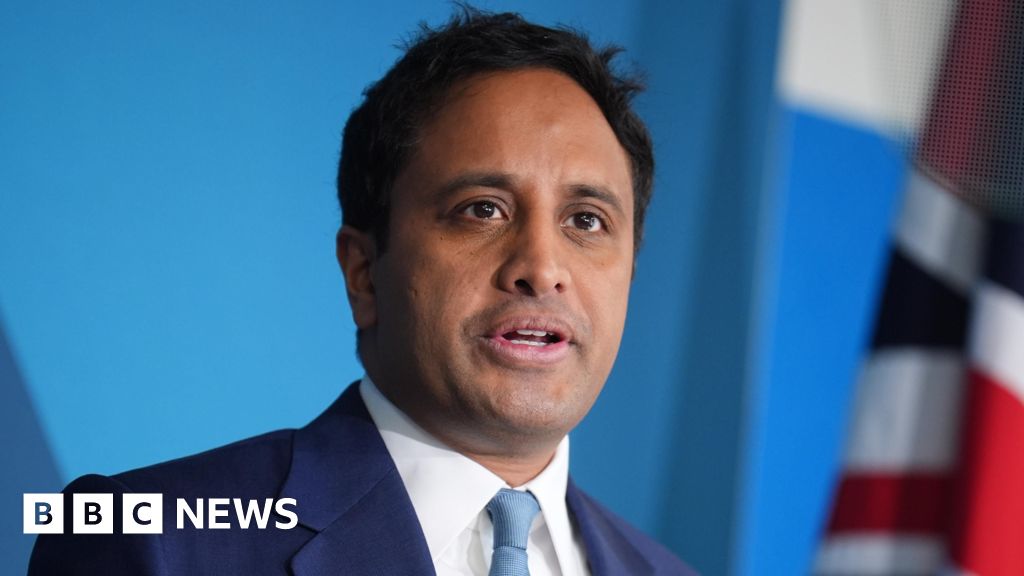
Zia Yusuf, Reform UK's home affairs spokesman, said the party would not take "voters for granted" following what he described as a "historic set of results for the country".

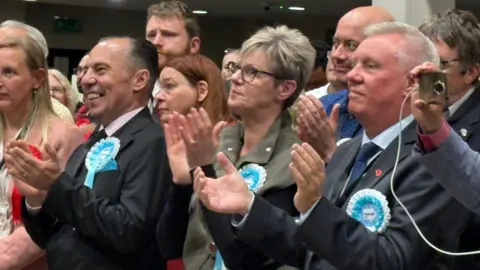
Reform UK has gained more than 1,400 councillors across England so far, sweeping aside the Conservatives in Essex and Suffolk, and surging ahead of Labour in its northern and Midlands heartlands.

Reform UK came second in the Welsh Parliament elections behind Plaid Cymru, while the party came joint second with Labour in Scotland.

Speaking to BBC Breakfast, Yusuf claimed Reform UK was "the only truly national party that is competitive across the country".

He said the party had taken "a big leap towards" making Reform UK leader Nigel Farage prime minister.

"What Reform has done for the first time in my political lifetime is offer a viable and real alternative to those two old parties," Yusuf said.

"We will never take voters for granted."

Yusuf said Reform UK had faced an increased level of scrutiny following its successes in last year's local elections in England, where the party gained control of 10 councils.

Reform UK swept to victory across England with 31% of the vote last year, and has since sustained a lead over other parties in national opinion polls.

The party has built on that success at the polls this year, in what Farage has called a "truly historic shift in British politics".

When asked how the party would deal with more scrutiny following this set of elections, Yusuf said: "We welcome scrutiny. But I would argue no party has had their record in local government more scrutinised."

He added: "The reality is this: we have been scrutinised on our local government record and voters have turned out in their millions because they have seen, for example, that Reform has done a better job than any other political party."

He said while Reform UK would never claim "to have a cure for everything", it had been "very clear about what our priorities are going to be".

Yusuf said the party was focused on "secure borders", the cost of living and the "return of law and order".

Reform UK's biggest gains came in England, where the party took control of councils from Labour, including Barnsley, Wakefield, Sunderland and Gateshead, and shifted Hartlepool, Tameside, Redditch and Tamworth to no overall control.

Reform's successes also included taking Essex County Council, Conservative leader Kemi Badenoch's local authority and an area where six Tory shadow cabinet members are MPs.

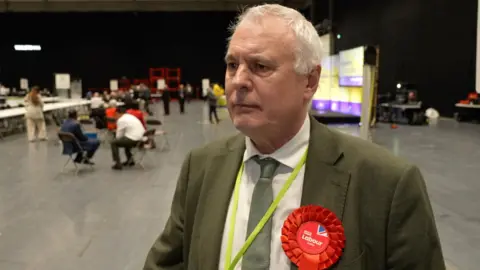
Peter Harris, a Reform UK county councillor in Essex, told the BBC the party had been given an "enormous amount of responsibility".

"But we promised lots of hard work and lots of effort making sure that we deliver what they want and their priorities," Harris said.

He said Reform UK would be looking for "short-term gains" and in the long run, would try to make the council "more efficient".

"It's an enormous job to do," he said.

In Scotland, Reform UK, who only had one MSP before the election, were tied with Labour for second place, with 17 members of the Scottish Parliament each.

Elsewhere, Reform UK performed strongly in Wales, finishing second to Plaid Cymru with 34 seats in the expanded Welsh Parliament.

Polling expert Sir John Curtice said Reform UK had done best in places that "voted heavily for Brexit" in 2016.

The BBC's projected national share indicated that if the whole of Great Britain had a vote, Reform UK would have secured a 26% share, with the Greens on 18%, Conservatives on 17%, Labour also on 17% and the Liberal Democrats on 16%.

Sir John said Reform's tally was down on the 30% figure which the BBC published after last year's local elections.

We look at the surprise successes and disappointing defeats of the 2026 local elections.

Labour leader George Duggins considers his future after the party suffered a "catastrophic" loss.

Reform won 29 seats, with 14 Independents, 12 Greens, nine Conservatives and five Liberal Democrats.

As the dust settles, what are the key stories from this year's local elections?

The Lib Dems and Labour, which dominated in Hull, took a hit from Reform in the local elections.