yahoo Press
Trump’s Redistricting Push Could Cost Republicans More Than It Gains
Images
1 / 10
2 / 10

3 / 10

4 / 10

5 / 10

6 / 10
7 / 10

8 / 10

9 / 10

10 / 10
Last week was the best one President Donald Trump has had in months.

Trump reminded Republicans who’s boss by ousting Indiana lawmakers who defied his redistricting demands, saw Democrats’ attempt to gerrymander Virginia blocked by the state Supreme Court and received a far-better-than-expected April jobs report.

Perhaps best of all for the pre-adolescent-in-chief, he breezily rode his motorcade atop the covered reflecting pool on the National Mall.

It was enough to make his party forget what’s coming in November — and how little he cares about their long-term prospects. However, those twin realities are why Republicans should start looking out for themselves and not let Trump further exacerbate the damage he’s done to their brand since returning to office.

The convergence of his successful intimidation campaign in Indiana and the Supreme Court’s termination of majority-minority districts will tempt the GOP to lunge for more seats. But they do so at their own risk. Not only may Republicans unwittingly create more competitive races for their own members, they will energize Democrats and set back their party in ways that will linger beyond this president.

To you Republicans coveting new seats and considering whether to move forward: caveat emptor.

Let’s give Trump his due, though: Thanks to his singular style and the failures of Joe Biden and Kamala Harris, the president forged a 2024 coalition that breathed new life into the GOP. He made inroads with younger voters and expanded his base of working-class whites to include more racial minorities of modest means.

Had Trump installed a cabinet and pursued an agenda to retain these voters, he would’ve remade the Republican Party and shattered the Democratic Party.

Of course, that’s not what happened and was never going to happen given who he is. Trump spent much of 2025 letting Elon Musk upend the federal government, and the president’s only major legislative initiative in the first year, the crucial period for any new president, was a bill anchored around extending the high-end tax cuts past eight years earlier.

Then in the first months of this year, Trump frittered away the critical advantage he had on perhaps the two biggest issues of 2024 — immigration and inflation. His success securing the border was engulfed by images of Stephen Miller’s deportation policy and Trump’s unbending fixation on tariffs and a legacy-seeking war in Iran have sent prices soaring.

Meanwhile, nobody around the president dares tell him no about what’s compounding his problems, namely the perception of the White House “looking like eBay,” remaking the Justice Department into an arm for political revenge, and cult-of-personality vanity projects that would make Kim Jong Un blush.

I offer this recap by way of explaining why the president’s approval rating has now slipped into the 30s and how he’s lost the vital gains he made defeating Harris. And Black voters, with whom Trump made modest but crucial inroads in 2024? The president is now underwater by 73 points.

Which brings us to the main point.

The Supreme Court may argue, in gutting the Voting Rights Act, that they’re creating race-neutral districts. But the practical reality of what this means is staring political leaders and, more to the point, Black voters in the face: white Republicans fracturing African-American districts to unseat mostly Black Democrats so they can elect more white Republicans.

I’ll stick to the raw politics and let others make the self-evident moral case for Black electoral power in a country with our history.

In their rush to grab an extra seat or two, Southern Republicans should consider what may happen to their 2024 gains with Black voters.

Do you think GOP nominees will get 21 percent of Black men, as Trump is estimated to have received in 2024, in future elections when you’re handing Democrats perhaps the easiest racial messaging they’ve had in the post-Civil Rights era? In case you needed a primer, that would be: You can’t trust Republicans, they only want to silence your voice.

Anybody who has ever talked to a Black voter, particularly those under 60, can recall a recurring conversation: ‘I don’t have any particular attachment to the Democrats, they’ll say, but I almost always vote for them because they’re the less racist of the two parties.’

You think that voter will be in play anytime soon when Democrats can point to Republicans as the party that, once Trump demanded it and the courts allowed it, came for elders such as Reps. Emanuel Cleaver II and Jim Clyburn? Sure, you can argue that this was mere politics and they were targeted because of their party and not their race.

But let’s live in reality, shall we?

The images of white Republican legislators wearing MAGA flags to vote, Black lawmakers being jostled by white police officers and the only four African Americans to represent Louisiana in Congress since Reconstruction sitting together pleading for Black districts speak louder than any words. And that was just last week. The ads write themselves.

Which raises the second obvious case for caution. Given Trump’s unpopularity, the price at the pump and the precedent of most every modern midterm, this was already shaping up to be a forbidding election year for Republicans. To pick at the rawest of American wounds as the country marks 250 years would only turbocharge Democratic enthusiasm and turnout.

As if liberals weren’t already eager to vote. Just consider the side-by-side turnout trends in primaries to date this year, which continued this week in Indiana and Ohio.

Finally, there’s a reason why the non-aggression pact between old-school Black Democrats and white Republicans endured in the South over the last few redistricting cycles. Both got safe seats.

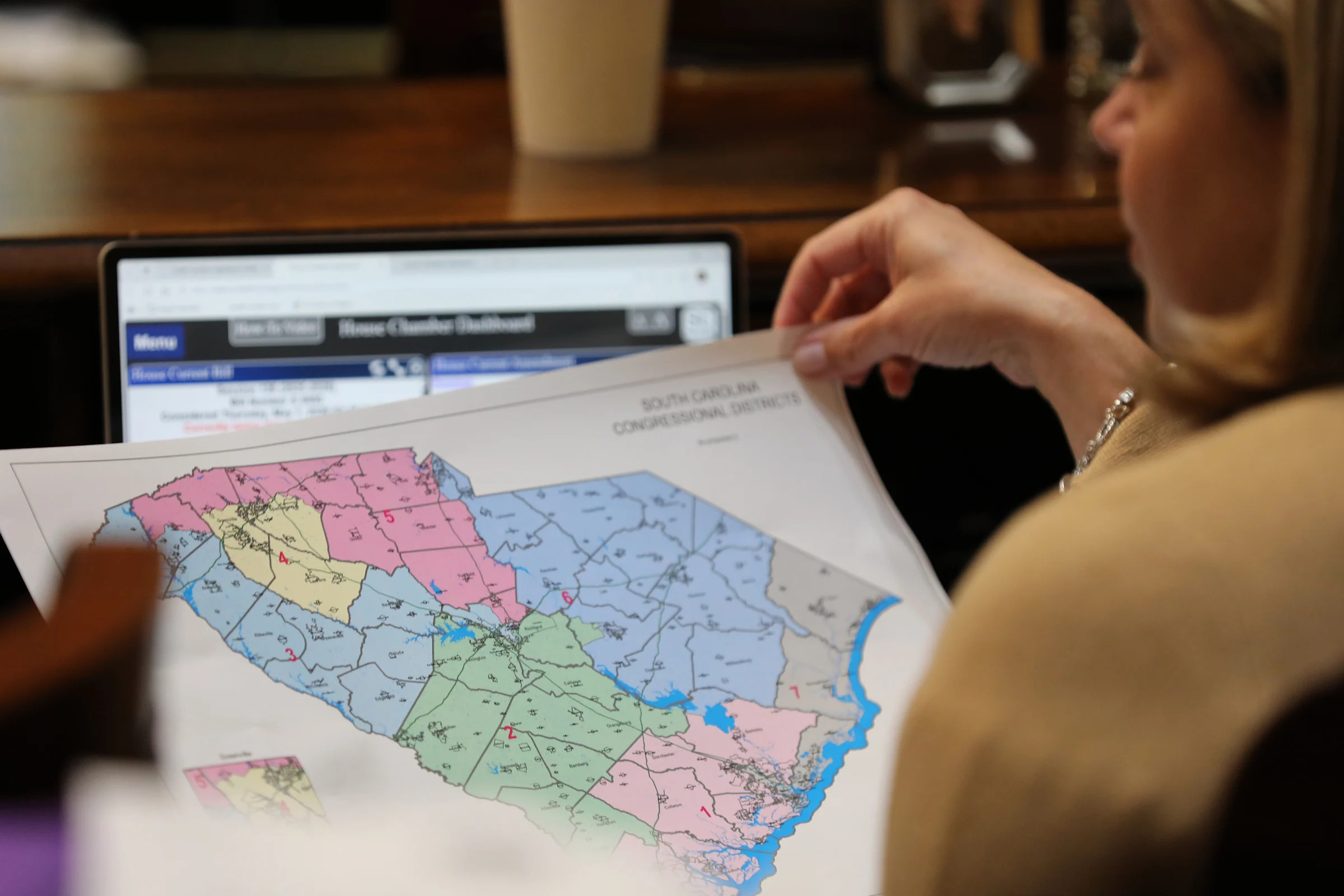
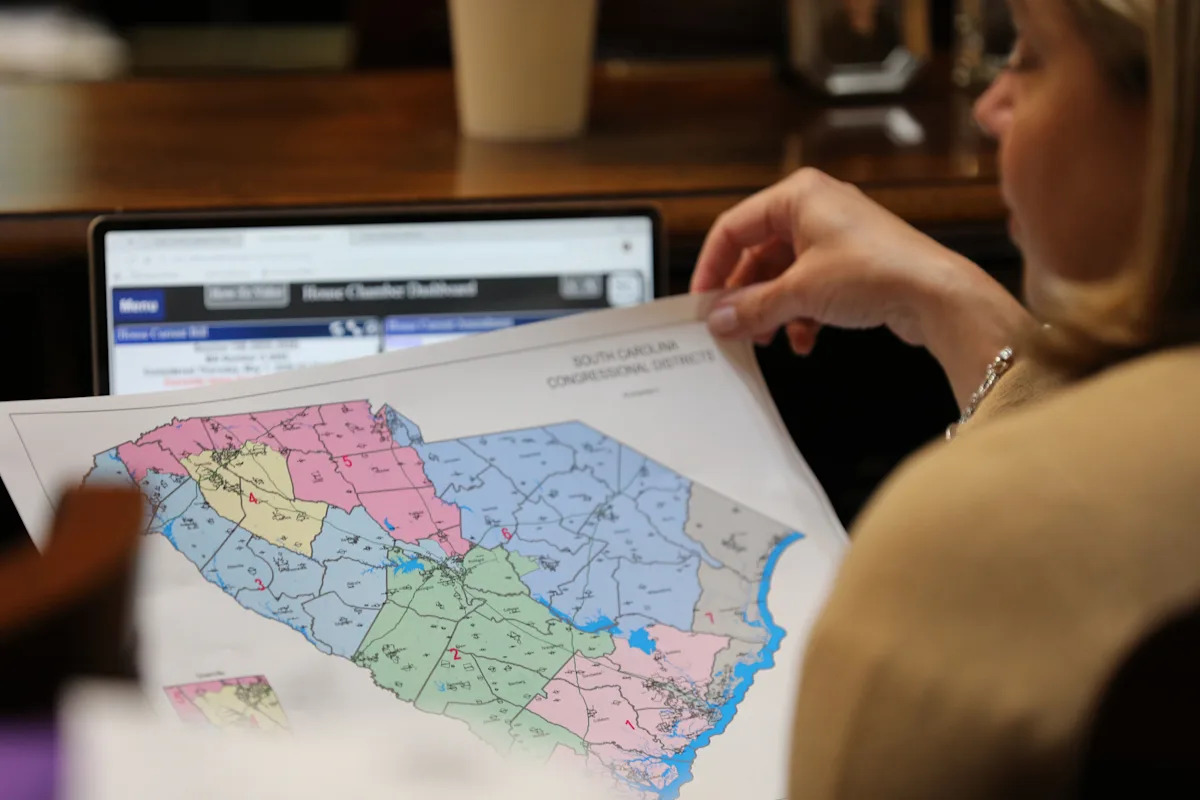
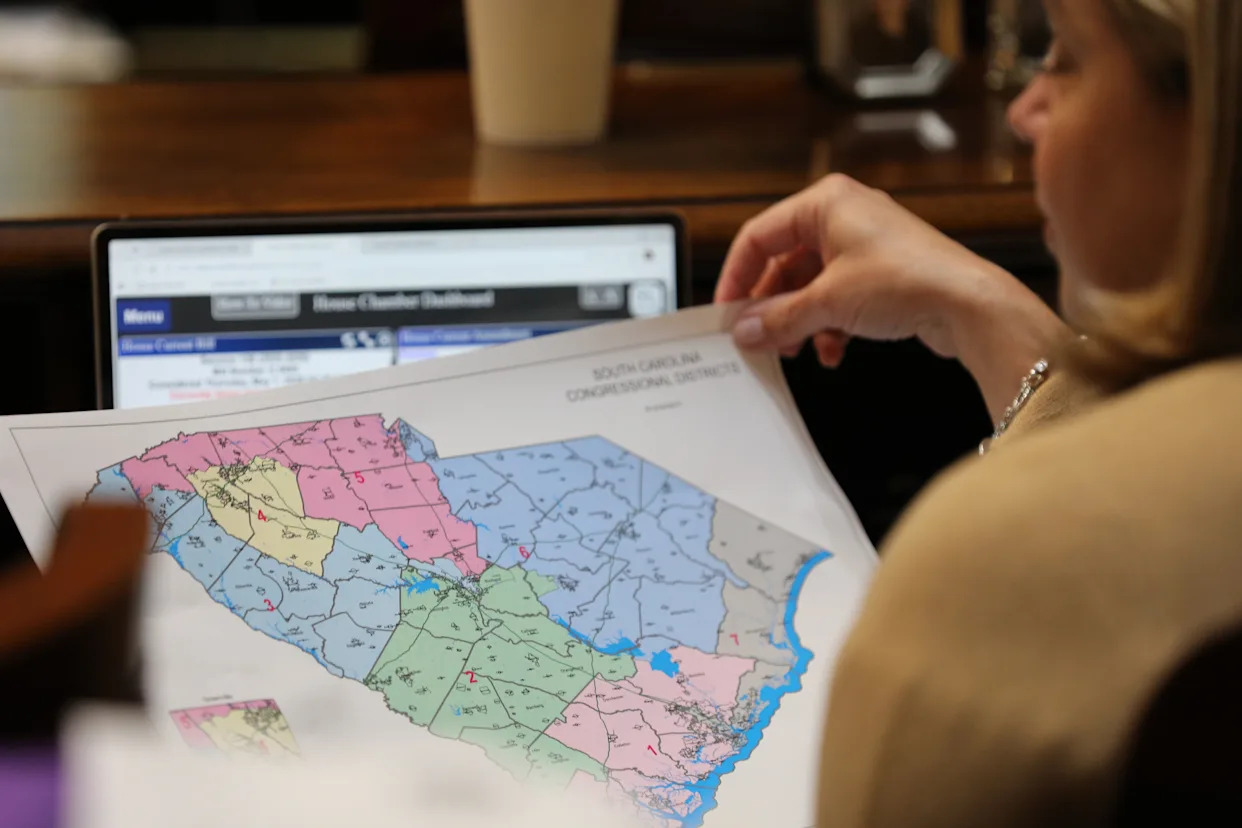
You draw a Clyburn, for example, out of his district and his former voters could help create new, competitive seats in South Carolina in a Democratic-tilting year such as this — as Clyburn himself said out loud to CNN’s Jake Tapper on Sunday.

And would such seats get any easier to win in 2028? Unless Trump recovers on his way out, his would-be Republican successor will own an unpopular, lame duck president with Democrats chomping to take back the White House.

I know Trump and his top lieutenants are leaning on Southern legislators to put their primaries on hold, redraw their House maps and make it slightly more unlikely that he won’t be impeached for a third time. The president is telephoning South Carolina state senators, I’m told by a pair of state capitol insiders, and making the sale in what could be a close vote in that chamber.

But before the roll is called there and in other states considering a hasty redraw, GOP state lawmakers should consider one simple question: This may be in Donald Trump’s best interest, but is it in yours?