yahoo Press
Is hantavirus like COVID-19? Five infectious disease experts answer some of the biggest questions about the outbreak.
Images
1 / 11
2 / 11

3 / 11

4 / 11

5 / 11
6 / 11
7 / 11
8 / 11
9 / 11

10 / 11

11 / 11
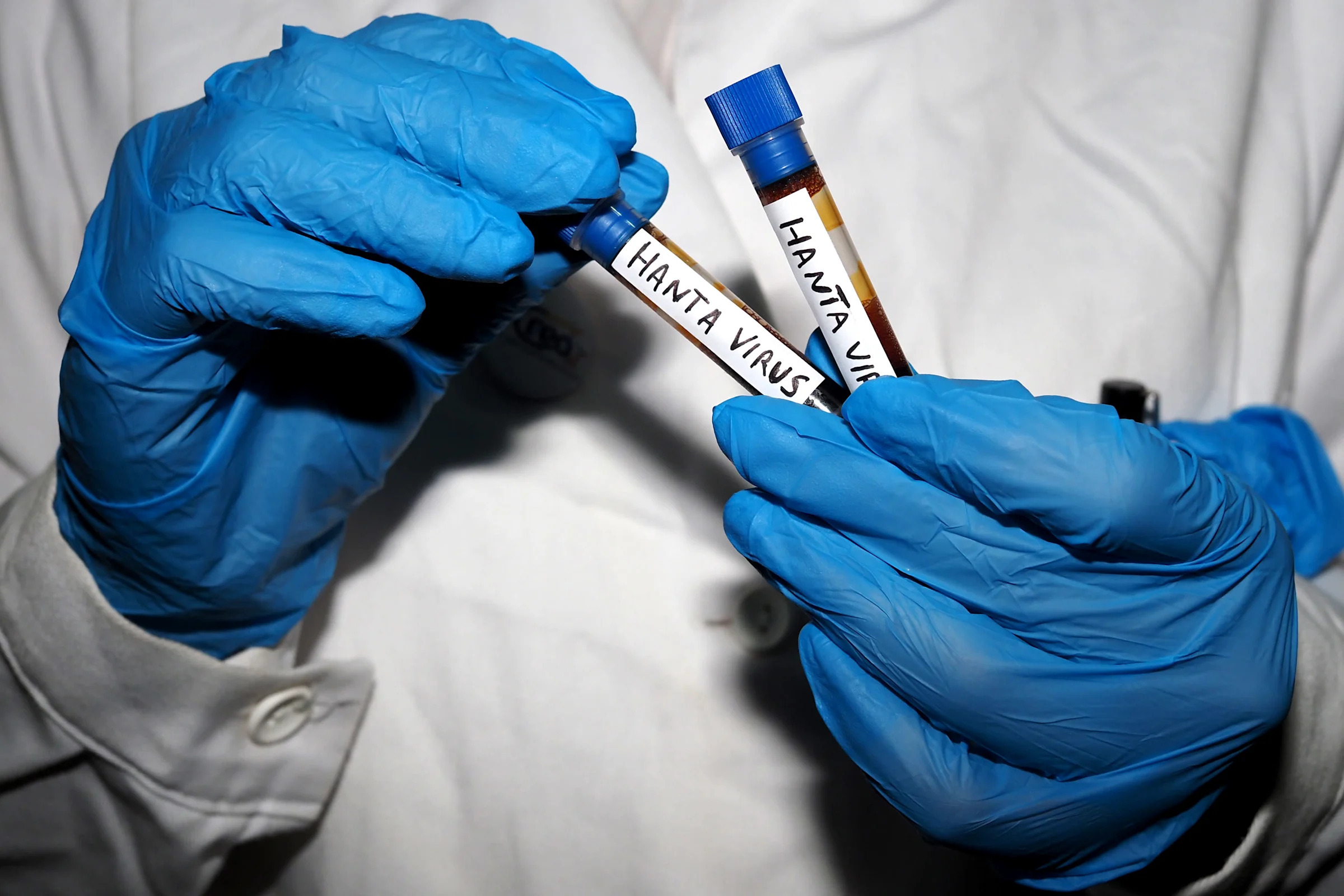
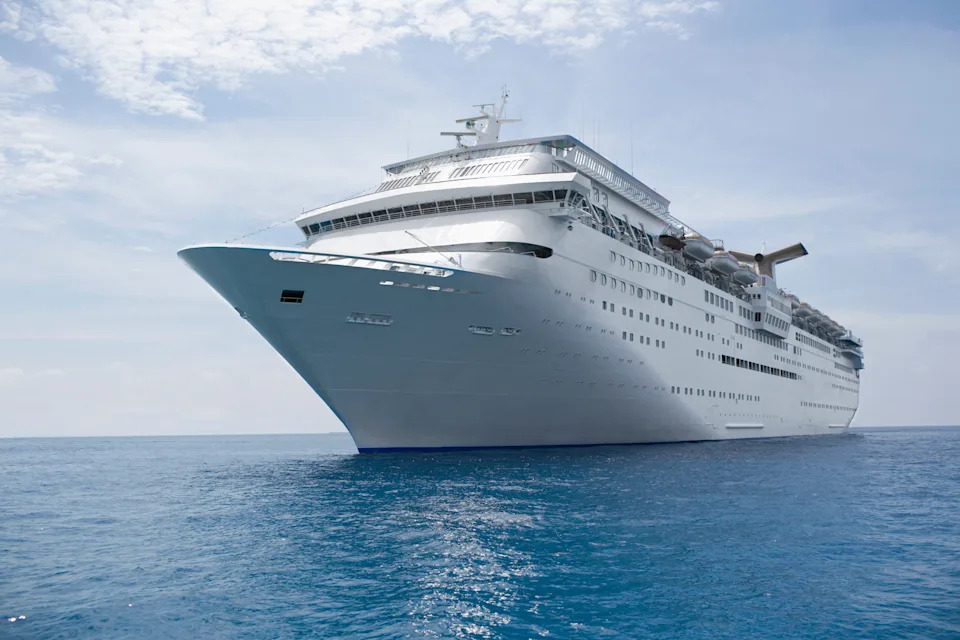
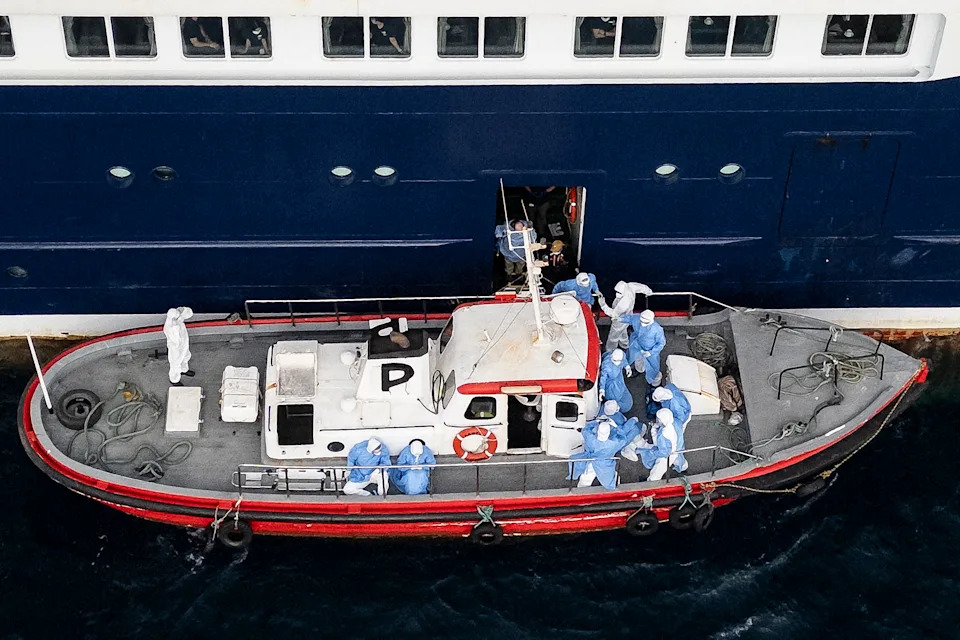
The hantavirus outbreak aboard the cruise ship MV Hondius has made headlines for weeks, and while U.S. health officials say the risk to the American population is low, news about a virus can be anxiety-provoking in a post-COVID world, causing bad memories of lockdowns and social distancing.

Currently, U.S. health officials are monitoring 18 passengers who were evacuated from the hantavirus-stricken cruise ship MV Hondius near Spain’s Canary Islands on May 10.

Sixteen passengers are currently at the University of Nebraska Medical Center's National Quarantine Unit in Omaha, while two others are at Emory University Hospital in Atlanta.

The World Health Organization confirmed on May 15 that there have been a total of 10 reported cases — eight of which were confirmed — and three deaths.

To help you better understand the current situation of the Andes strain of the hantavirus, Yahoo spoke with the following five infectious disease specialists to answer some of the most frequently asked questions:

Dr. Benjamin Bradley, head of clinical operations for infectious disease at ARUP Laboratories

Dr. Jade Le, infectious diseases service line chief at Access Telecare

Dr. Syra Madad, infectious disease epidemiologist at the Harvard Belfer Center

Dr. John Openshaw, assistant professor in the division of infectious diseases and geographic medicine at Stanford Medicine

Dr. Bobbi Pritt, professor of laboratory medicine and pathology and chair of the division of clinical microbiology at Mayo Clinic

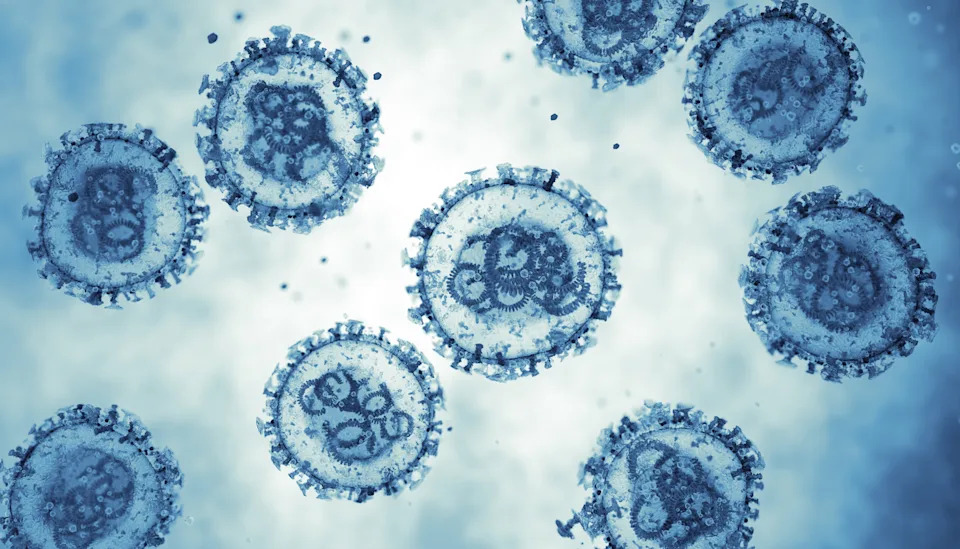
The Andes virus is a rare but potentially deadly strain of hantavirus.

“The Andes virus is only endemic in parts of South America, and is not established in U.S. rodent populations,” Pitt and Bradley wrote via email to Yahoo.

People usually become infected with hantavirus by breathing in or ingesting particles from the urine or droppings of infected rodents. But unlike other hantaviruses, the Andes virus can also spread between people. Health officials say transmission is limited to close, prolonged contact.

The CDC defines close, prolonged contact as being within 6 feet of another person for longer than 15 minutes.

“The important thing to note about this Andes virus is you can have the virus circulating in your body, in your saliva, in your body secretions six days to 15 days before you have your first symptom,” Le said, adding that transmission is most likely to happen during close contact, not casual encounters like shaking hands.

Symptoms can include muscle ache, fever and headache, according to the Mayo Clinic. Gastrointestinal issues like nausea, vomiting and stomach pain can also occur.

“It is unlikely that this current outbreak can lead to a pandemic because the rate of transmissibility is so low,” Le said. “The Andes virus is a hantavirus that is the only known hantavirus to be transmitted person-to-person. But the average transmission rate is about 3% and can increase to up to 17% in close, intimate contacts. It is not as contagious as SARS-CoV-2.”

WHO Director-General Tedros Adhanom Ghebreyesus said this week that while more hantavirus cases would likely emerge, there “is no sign that we are seeing the start of a larger outbreak.”

Le told Yahoo that 50% of those who get infected with the Andes virus can develop respiratory distress known as severe cardiopulmonary disease, which is severe enough to land them in an intensive-care unit.

“I would say four to 48 hours, that's how fast they can deteriorate, which is why ICU-level care and [Extracorporeal Membrane Oxygenation] care are really important,” Le explained. ECMO is a type of life support machine that’s used to temporarily take over heart and lung functions.

In terms of fatality rate, Openshaw said the Andes virus is on the scary end of the spectrum: “For these really pathogenic hantaviruses, [it] is 30% to 50% mortality. That's high.”

Le pointed to studies in Latin America that found that ICU patients who were set up with ECMO care sooner rather than later, could “increase their survival by 80%.”

“For the average person in the U.S., the risk of acquiring Andes virus is extremely low,” Pritt and Bradley wrote. “Given that all potentially exposed individuals are now being carefully monitored and/or undergoing quarantine, there is little risk to members of the general public.”

Madad agreed, saying that while the public should be aware of the outbreak, they should remember that it is specifically linked to the ship.

“My message to the public is pay attention, but do not panic,” Madad told Yahoo. “This is a serious pathogen. We are all taking this epidemic seriously, but it is confined to a specific exposure event.”

Openshaw told Yahoo that it’s not every day that a hantavirus outbreak happens on a cruise ship.

“This is likely a very rare event. I think the vast majority of people who are getting on a cruise ship do not have to worry about this,” he said. “They're more likely to catch an infectious diarrheal pathogen or an upper respiratory infection when they're on a cruise. Hantavirus is extremely unlikely.”

And while the CDC says norovirus is the most frequent cause of diarrheal disease outbreaks on cruise ships, they account for only 1% of all reported norovirus outbreaks.

Not at all, medical experts say. One of the main differences is the ease with which SARS-CoV-2 is transmitted among people compared to the Andes strain of hantavirus.

“We know COVID-19 efficiently transmits through respiratory particles, including people that have no symptoms,” Madad said. “This is very different than the Andes virus, where we know that generally, people who are symptomatic are the ones that are able to transmit the virus onwards. We haven't seen any data right now to prove otherwise.”

The other main difference is that, at the time of the SARS-CoV-2 outbreak, it was a novel virus that had not been previously identified in humans before the 2019 outbreak in Wuhan, China. The Andes virus, on the other hand, is not anything new and human-to-human transmission has been documented previously in South America.

Madad said she understands why the general public would compare the virus to COVID-19, because that’s the context and background most people have for infectious diseases. But it's not the first time the U.S. has had to manage the Andes virus within its borders, she said.

“In the United States, we actually did have a case of Andes virus in 2018 in a woman in Delaware,” Madad said. “She had travel history to Chile and Argentina, developed hantavirus pulmonary syndrome, and she recovered after nearly a week of supportive care. But more importantly, the CDC had contact-traced 53 contacts across six states in that particular case, and nobody became symptomatic.”

Health officials in at least 10 states — Arizona, California, Georgia, Kansas, Maryland, Minnesota, New Jersey, Texas, Virginia and Washington — say they are monitoring residents for potential infections linked to the cruise ship. None of these states has reported any cases.

“The public health experts who first contacted these persons, they're going to ask them about the type of contact they had with an infected person,” Le said. She added this could include whether they were sleeping in the same room, which is considered high contact, or whether they happened to be in the same dining room, which may be a low-contact exposure.

Le explains when a person is identified as a possible contact, monitoring means they have to check their temperature and watch for any symptoms daily, which include fever, muscle aches, headache, nausea, vomiting, diarrhea, shortness of breath and cough.

“Those who are deemed higher risk of exposure may have either a phone [call], daily contact with someone in the public health department or an in-person visit by someone from the public health department to check on them, should they develop symptoms,” Le said.

If they have symptoms, they are quickly directed to a hospital or center in which they can be tested and evaluated, she said. If they test positive, they’ll likely be admitted to the hospital for closer monitoring due to the possibility that they could rapidly decline.

“In terms of quarantine, anyone who may have been exposed will likely be advised to modify their activities — maybe not attend large gatherings or places where they could potentially infect others, because the incubation period is one to 42 days,” Le said, adding that the infection may worsen in that time.

“There are protocols and processes in place. All the passengers have been repatriated and they're being followed up with their respective countries,” Madad said. “Here in the United States, they're married with this public health oversight that we have. And so I feel confident if we continue to do this right in the current fashion that we are in, that we won't see any secondary cases. And we can end this epidemic, hopefully, in the next few weeks.”

Openshaw also said that based on how the Andes virus has behaved in the past, he believes “this will be a limited outbreak.”

The medical experts Yahoo spoke to said that the spread of measles is more concerning to them than the spread of the Andes virus.

“We have an epidemic of measles and potentially other vaccine-preventable diseases in this country that is much higher in terms of its threat and risk to the general public,” Madad told Yahoo. “We've reported I think close to 2,000 [measles] cases now, across like close to 40 jurisdictions, and over 90% are cases that are outbreak-associated.”

Le added that travelers should make sure they’re up-to-date with their vaccinations, especially for measles.

“There's a large [outbreak] in Bangladesh with more than 5,000 persons infected and over 259 deaths,” Le said. “So yeah, that is the virus that I am particularly more worried about.”