yahoo Press
Deadly mushroom poisonings in California mark record US outbreak
Images

1 / 16

2 / 16

3 / 16

4 / 16
5 / 16

6 / 16
7 / 16
8 / 16

9 / 16

10 / 16
11 / 16
12 / 16

13 / 16

14 / 16

15 / 16

16 / 16
California is dealing with what experts describe as the largest known outbreak of deadly mushroom poisonings in U.S. history, with 47 confirmed cases since November, four deaths and at least four illnesses that required liver transplants, according to the California Department of Public Health.

The outbreak has stretched across at least 12 counties in Northern California and the Central Coast, far exceeding the typical statewide total of fewer than five cases of mushroom poisonings per year.

Most illnesses are linked to amatoxin-containing mushrooms, including death caps (Amanita phalloides) and western destroying angels (Amanita ocreata), both highly toxic species that can closely resemble edible mushrooms.

Consumer Reports, the nonprofit known for testing and monitoring consumer-facing policy and products, released its annual risky food report in April, naming the 10 foods of 2024 that were subject to the most recalls and/or associated with the largest illness outbreaks. USA TODAY broke it down further on a what-you-need-to-know basis.

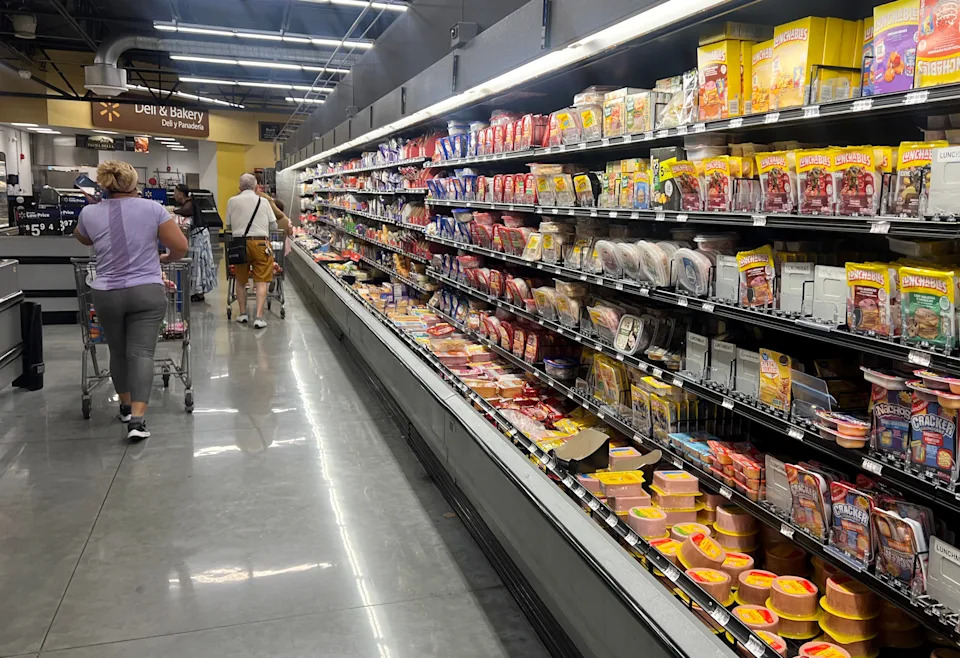
Deli meat is somewhat of a "risky" food as it is often associated with the spread of listeria, such as in the 2024 case of the Boar's Head listeria outbreak that killed 10. Listeria monocytogenes is a hardy germ that can survive in very low temperatures but thrives in cool and damp places. It can, and will, happily live on foods in your or your grocery store's storage area, and the process for mass-producing the meat lends itself to plenty of opportunities for contamination.

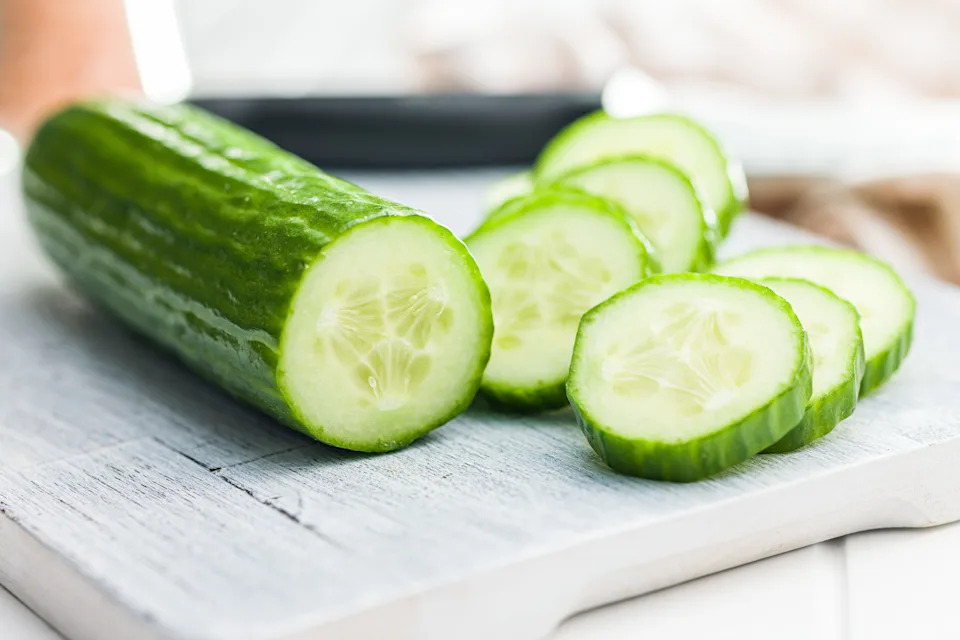
Produce, like the cucumbers recalled due to a salmonella outbreak that infected 113 people across 23 states, can become adulterated with harmful bacteria through fecal contamination, which can occur through wastewater, water in the growing area, fertilizer and the proximity of the growing area to livestock.

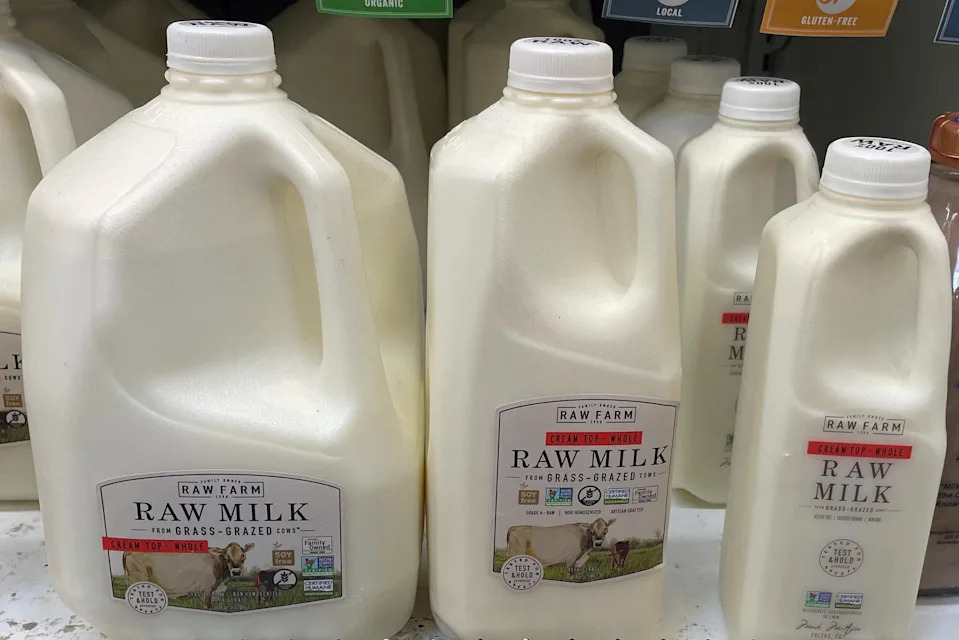
Raw dairy, which is always unsafe to consume and illegal to sell in some states, poses a risk when it's not pasteurized. Dairy pasteurization, or heating milk products to a high enough temperature to kill harmful bacteria, has been practiced since the 1920s and has resulted in illnesses commonly spread via milk, such as listeriosis, diphtheria and tuberculosis, becoming less prevalent.

Cotija and queso fresco cheese are made from unpasteurized milk, meaning they carry an increased risk. One producer, Rizo-Lopez Foods, was shut down in October 2024 after its cheeses were linked to a years-long listeria outbreak that killed two people and made dozens of others sick.

Eggs can become contaminated via the same means as cucumbers and other raw produce, especially if they have a cracked shell.

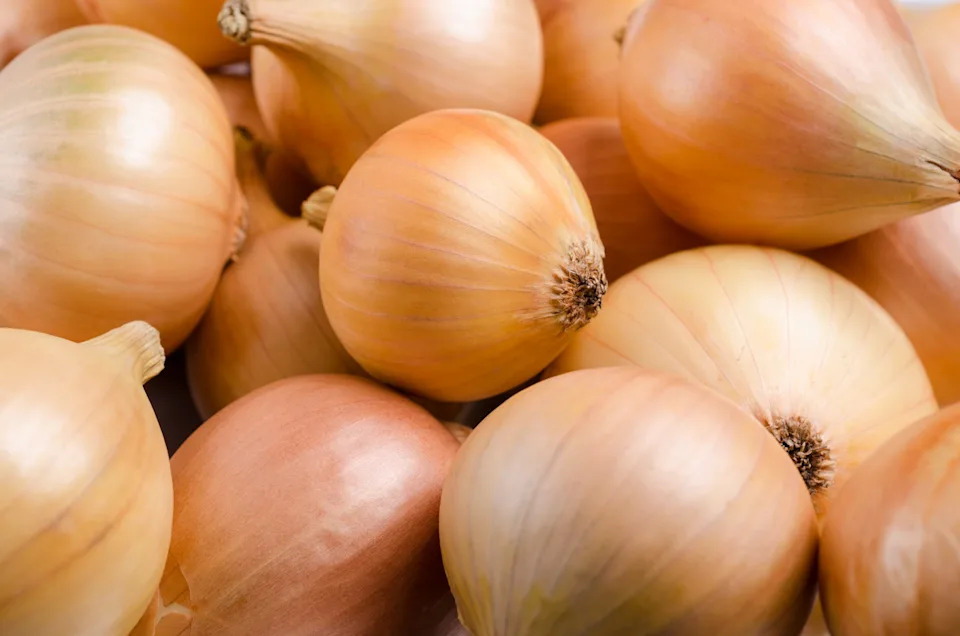
Like other raw produce, onions can become infected via fecal contamination. In 2024,  E. coli-contaminated slivered onions on McDonald's Quarter Pounders triggered some locations to stop serving the burger temporarily.

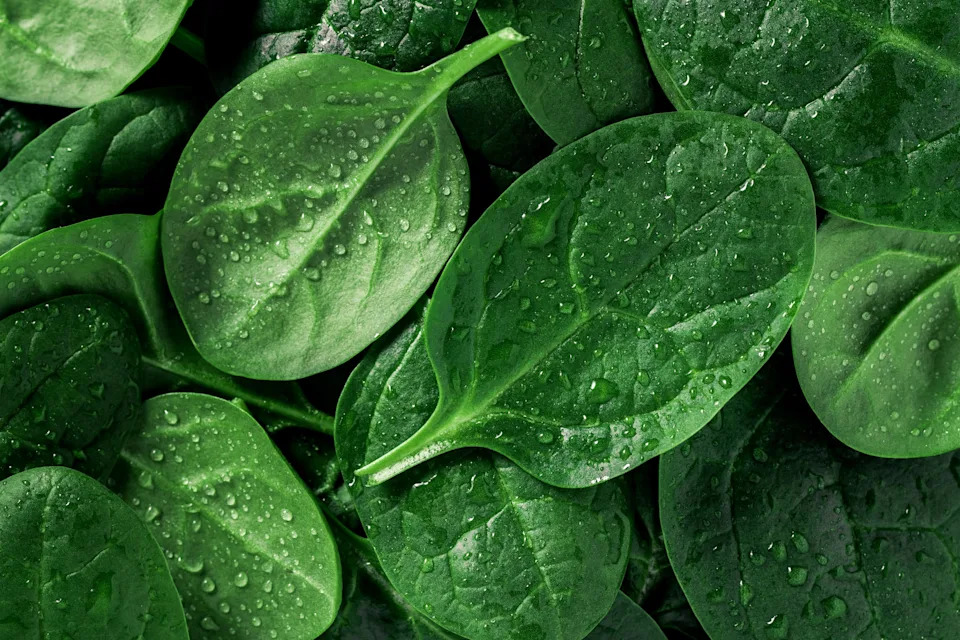
Like cucumbers and onions, leafy greens are easily contaminated with bacteria like E. coli, as in the case of the Solata Foods spinach recall in 2024.

Organic carrots were linked to a major E. coli outbreak in late 2024, leaving at least 39 ill and one dead.

Ready-to-eat/cooked poultry and meat have been the source of multiple major recalls and foodborne illness outbreaks in recent years. The same issue arises with RTE foods as with deli meat; the conditions they are made and stored under are often ideal for bacteria such as listeria to grow. In 2024, millions of pounds of RTE foods were recalled by BrucePac for listeria contamination.

Consumer Reports, the nonprofit known for testing and monitoring consumer-facing policy and products, released its annual risky food report in April, naming the 10 foods of 2024 that were subject to the most recalls and/or associated with the largest illness outbreaks. USA TODAY broke it down further on a what-you-need-to-know basis.

The latest illnesses were reported in Napa County, where three adults from outside the region were hospitalized after eating wild mushrooms collected in the Deer Park area. The group became sick within a day and was treated at Stanford Medical Center.

Napa County Public Health Officer Dr. Christine Wu said the mushrooms were foraged in a rural part of the county, but warned that dangerous species can appear in many environments.

Health officials note multiple family clusters have been identified, including at least six incidents where relatives shared the same contaminated batch of foraged mushrooms.

Experts say the scale and timing of the outbreak are highly unusual. Death cap mushrooms typically peak in winter, yet new cases have continued into late spring.

“This is definitely a much larger than usual outbreak. It is lasting longer and going much further into the year than we would have anticipated,” Heather Hallen Adams, toxicology chair of the North American Mycological Association, said in an NBC News report.

In a typical year, California sees only a handful of amatoxin poisoning cases. This year’s total has already exceeded that baseline many times over, with new cases still being reported.

Researchers say recent rainfall may have contributed to unusually widespread mushroom growth, but the extended duration and intensity remain unexplained.

Cases have been reported from counties including Alameda, Santa Clara, San Francisco, Sonoma, and Monterey, among others, according to the California Department of Public Health.

Patients range from infants as young as 19 months to adults in their 80s. Officials also report that many affected individuals speak Spanish, Mandarin, Russian, Ukrainian, Mam and Mixteco, highlighting the role of multilingual outreach in prevention efforts.

Health experts said some poisonings may stem from traditional foraging practices brought from other countries, where similar looking mushrooms may be edible.

Death cap mushrooms, introduced to California in the 1930s, often grow near oak trees and can be difficult to distinguish from safe varieties, especially in early growth stages.

The California Poison Control System and state health officials are coordinating outbreak tracking and response efforts. Surveillance has been complicated because clinicians are not always required to report amatoxin poisonings directly to the state, making case detection less systematic, NBC News reported.

Officials are relying heavily on poison control reports and are working to add amatoxin poisoning to the state’s list of reportable conditions. Public health agencies have launched multilingual warnings, including radio ads, flyers, and PSAs in several languages, urging residents to avoid consuming wild mushrooms.

Health officials warn that cooking, boiling, freezing or drying wild mushrooms does not neutralize toxins. Symptoms, which include nausea, stomach cramping, diarrhea, vomiting and confusion, can take 6 to 24 hours to appear and may rapidly progress to life-threatening liver failure, according to health officials.

California residents are urged to avoid all wild mushroom consumption, keep children and pets away from mushrooms in outdoor areas, and seek immediate medical care if ingestion is suspected, even before symptoms begin.

Reporter Anthony Thompson can be reached at ajthompson@usatodayco.com, or on Twitter @athompsonUSAT

This article originally appeared on USA TODAY: Deadly mushroom outbreak in California reaches historic levels