buzzfeed Press
25 Scientific Discoveries That Sounds Fake But Are Real, And These 100% Will FREAK You Out
Images

1 / 12

2 / 12

3 / 12
4 / 12
5 / 12

6 / 12

7 / 12
8 / 12

9 / 12

10 / 12

11 / 12

12 / 12
“The disturbing part is that oxygen was actually toxic to most life at the time.”

I work as a Writer at BuzzFeed, creating and curating quizzes, listicles, and articles that cover everything from pop culture chaos to food trends I immediately want to try and fashion moments I can’t stop talking about.

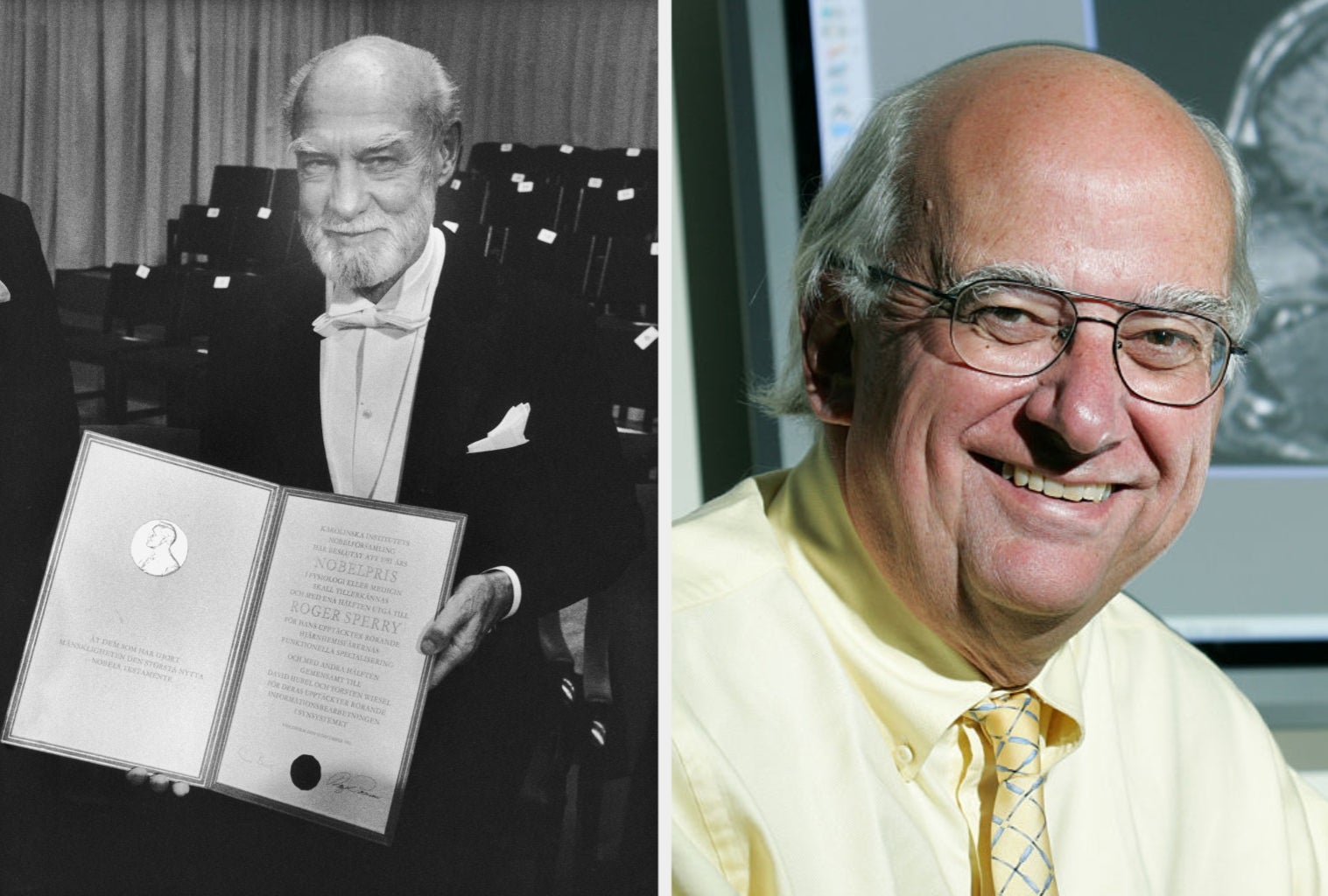
"One of the best-known experiments involved vision. If an image was flashed only to the patient’s left visual field, the information went to the right hemisphere. Since speech is usually controlled by the left hemisphere, the patient often couldn’t verbally say what they saw.

However, their left hand, which is controlled by the right hemisphere, could still point to or pick up the correct object. In other words, the brain knew the answer, but the speaking part of the brain couldn’t explain it. One especially disturbing experiment involved showing a command only to the patient’s right hemisphere, something like: “Walk over there.” The patient would then stand up and start walking.

But when researchers asked why they were doing it, the speaking left hemisphere had never actually seen the command because the hemispheres could no longer communicate. Instead of saying “I don’t know,” the patient would confidently give a completely made-up explanation like: “I’m going to get a Coke.”

The unsettling part is that the patient wasn’t lying or joking. They genuinely believed the explanation they gave. Their brain automatically created a reason that felt coherent and real to them, even though the actual cause of the action was inaccessible to the part of the brain responsible for speech.

Essentially, the brain would rather invent a believable story than admit it doesn’t know why it did something. That’s what made these experiments so influential and disturbing. They suggested that humans can sincerely experience completely invented explanations as genuine motives."

From left to right: Roger Sperry and Michael Gazzaniga.

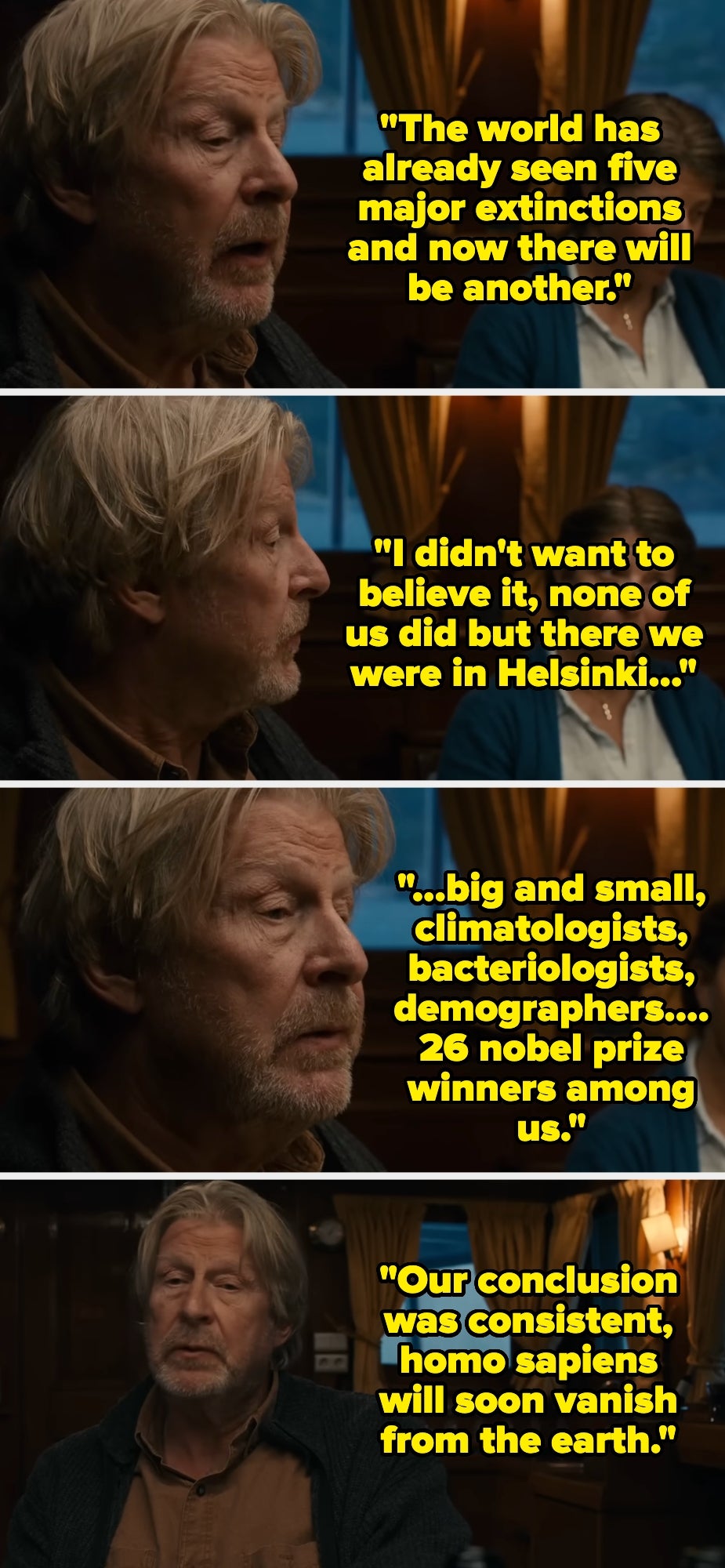
"The disturbing part is that oxygen was actually toxic to most life at the time.

This buildup triggered what’s known as the Great Oxygenation Event, one of Earth’s earliest mass extinction events. For many organisms living back then, oxygen was basically a deadly pollutant. It’s kind of terrifying to think about: life accidentally produced a waste gas that ended up poisoning most life on the planet, while entirely new forms of life evolved that needed that toxic gas to survive.

Oxygen also indirectly created the ozone layer. When ultraviolet radiation hits atmospheric oxygen, it can split the molecules apart and form ozone. That ozone layer blocks huge amounts of harmful UV radiation from reaching Earth’s surface. No oxygen would mean no ozone layer, and life on land would be exposed to far more dangerous radiation.

What’s even crazier is that because oxygen is so reactive, scientists consider it a potential bio-signature when searching for extraterrestrial life. If we ever discover a planet with a stable oxygen-rich atmosphere, especially alongside gases that shouldn’t naturally coexist chemically, it could be strong evidence that something on that planet is actively producing it.

"I got charged by a grizzly bear while camping with a couple of friends in the Alaska backcountry a few years ago. By the time it got within about 40 feet of us, my friend’s dog charged at it and chased it off.

The size and speed of the bear genuinely didn’t compute in my brain. It felt like a giant furry truck had suddenly appeared out of nowhere in the wilderness.

I mailed treats to that dog every month for a year afterward."

"The Lone Star tick, and it’s called Alpha-gal syndrome, IIRC."

"Even fewer people know that the platypus genome is extremely weird.

Most mammals have two sex chromosomes: XX or XY. Platypuses have 10 sex chromosomes. Male platypuses are essentially XY XY XY XY XY.

They also lack the SRY gene, which in most mammals is the key gene responsible for initiating male sex development. For a long time, scientists had no idea how sex determination worked in platypuses. More recently, researchers discovered that platypuses do possess a gene called AMH, which contributes to sex determination in mammals, though it usually doesn’t initiate it on its own.

Every new thing scientists discover about platypuses somehow makes them seem even stranger.

Bonus fact: they also have cheek pouches like hamsters and can use their tails to carry nesting materials."

"That’s one reason why sterile worker castes evolved and why these massive highly cooperative colonies are possible in the first place. Evolution basically twisted self-interest into extreme cooperation. And then things get even stranger with behaviors like dulosis, a form of parasitism where some ant species raid other colonies, steal their young, and force them to work as slaves. Honestly, you could fill an entire thread with bizarre things about ants alone. Hymenoptera really looked at the normal rules of evolution and decided to do things differently."

"It’s easy to think of life as fitting into these simple categories, but reality is way stranger than that.

When I was a kid, I was taught that Protists were an entire kingdom of life.

Turns out they’re basically like 1,500 completely different branches of life all wearing a trench coat.

Fungi are what happened when the cells that would eventually evolve into animal life became sessile, meaning non-moving, and evolved in ways somewhat similar to plants.

I guess you could say fungi are what happened when animals tried to become plants, although Sponges are probably an even better example of that."