yahoo Press
Groceries just had the biggest price hike in years. It’s about to get even worse, experts warn
Images
1 / 5
2 / 5

3 / 5

4 / 5
5 / 5
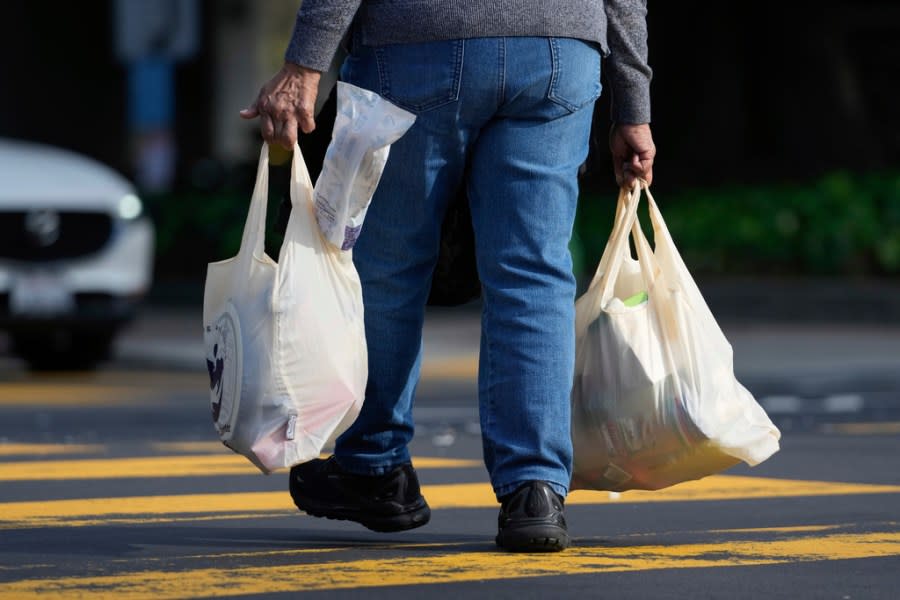
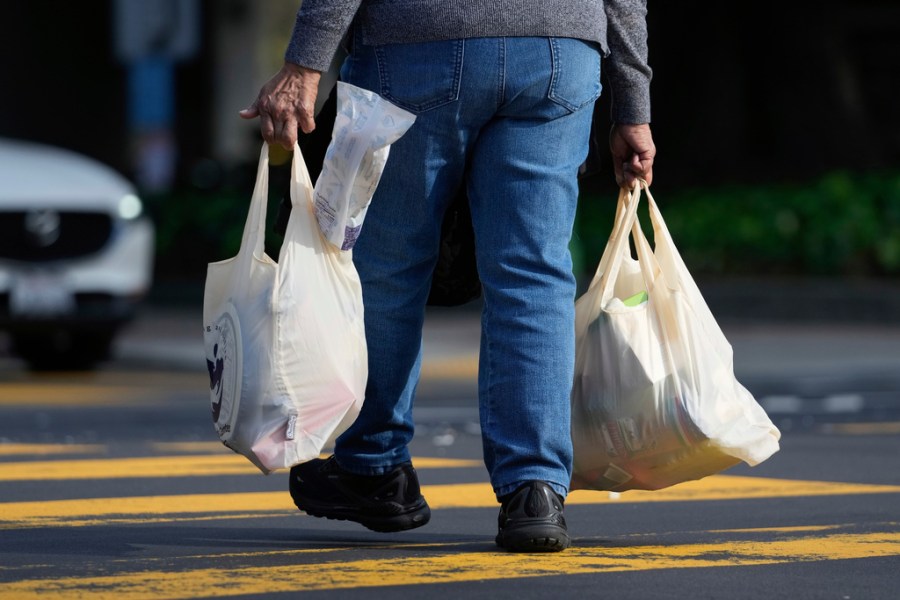
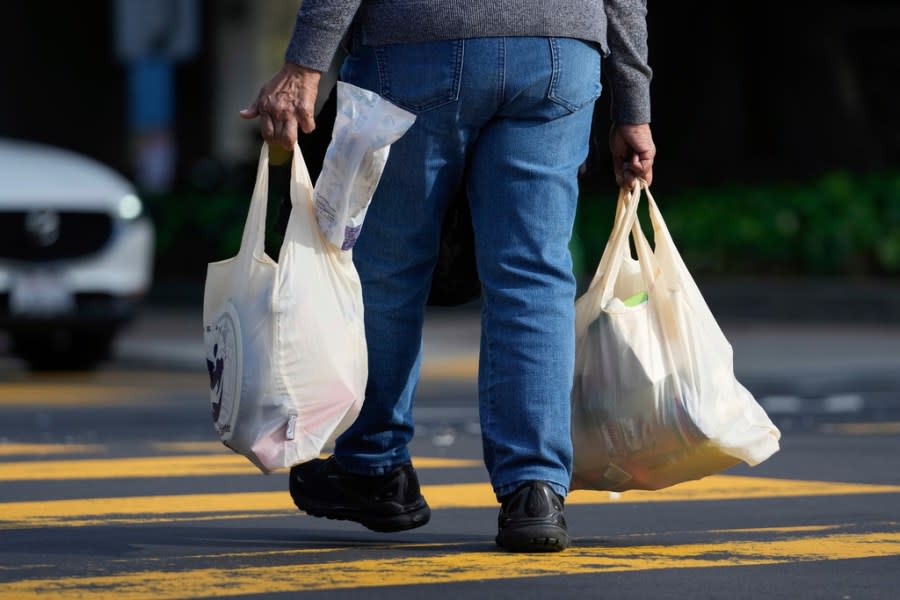
(NEXSTAR) – Federal inflation data confirms what you may have been feeling already: Groceries are getting more expensive. Unfortunately, things may be about to get a whole lot worse, economists are warning.

The price of groceries rose 2.9% in April compared to the same month a year earlier, according to government figures released in May. That was the highest year-over-year inflation rate for the category since August 2023.

When compared to the same time last year, fruits and vegetables have seen some of the biggest price hikes. Tomatoes are 40% more expensive now than they were this time last year. Bad growing weather, tariffs, and rising fuel prices have all contributed to the huge change in tomato prices, reports the New York Times.

Coffee, another imported product, is 19% more expensive than it was last spring.

You’re also likely seeing inflated prices at the butcher counter. Meat is up 9% overall, but beef has grown even more expensive. Ground beef is about 15% pricier, beef roasts are 18% more, and steak is up 16%.

What’s contributing to the price spikes? Fuel prices have soared while the Iran war prevents cargo ships from passing through the Strait of Hormuz, a vital corridor for global oil supplies. Diesel fuel powers fishing boats, tractors and the trucks that ship 83% of U.S. agricultural products.

At least 25 Trader Joe’s stores expected to open this year: Here’s where

Just as you’re paying more at the pump, so are truckers who transport goods all around the country. Some vendors and suppliers are adding fuel surcharges to make up for the increased cost of transporting and delivering their goods.

Weather is also to blame in some cases. Dry weather in the West is making things harder for cattle ranchers, therefore driving up beef prices. Global drought is affecting coffee production.

Bad news may soon get worse, experts warn. The full impact of rising energy costs on food likely has not hit retail grocery prices yet in the U.S., according to Purdue University economists Ken Foster and Bernhard Dalheimer. Higher costs to produce, process, store, and transport food can take three to six months to show up on supermarket shelves, where prices typically fall slowly once increased, they said.

“Most of what we’re seeing now in the food price chain probably predates the conflict,” Foster, a professor of agricultural economics, said. “We’re cautiously waiting to see what the June numbers and the May numbers might show as they come out in terms of … the extent to which energy shocks in the Strait of Hormuz and shipping blockades and so forth are going to impact food prices.”

“The big story right now is oil, the next story is food,” economist Justin Wolfers agreed in an interview with MS Now.

“You see fuel prices rise, that’s the rock hitting the pond. And then the ripples are that jet fuel prices rise, and air fuel prices rise, and then the price of trucking your groceries to the grocery store rises. That’s the full set of ripples out of this,” Wolfers explained in another segment on the network.

If fuel prices remain high, we could see more issues “seep down the supply chain,” Foster said. Fertilizer could be more expensive, for example, since about 30% of the world’s supply of fertilizer moves through the Strait. That would make growing food more expensive for farmers, and those costs would eventually get passed on to the consumer.

If you’re looking for a silver lining in these tough economic times, check out the egg aisle. Eggs are 39% cheaper than they were this time last year, thanks to some normalization following last year’s avian flu crisis.

The Associated Press contributed to this report.

Copyright 2026 Nexstar Media, Inc. All rights reserved. This material may not be published, broadcast, rewritten, or redistributed.

For the latest news, weather, sports, and streaming video, head to The Hill.