buzzfeed Press
12 Historical Figures Who Were Secretly Monsters, And Did Things That Will Make You Sick
Images
1 / 20

2 / 20

3 / 20
4 / 20

5 / 20
6 / 20
7 / 20
8 / 20
9 / 20

10 / 20
11 / 20

12 / 20

13 / 20
14 / 20
15 / 20

16 / 20
17 / 20

18 / 20
19 / 20
20 / 20
As a Senior Writer and Content Creator for BuzzFeed and Tasty, I specialize in lifestyle reporting, viral human-interest stories, and travel/food media.

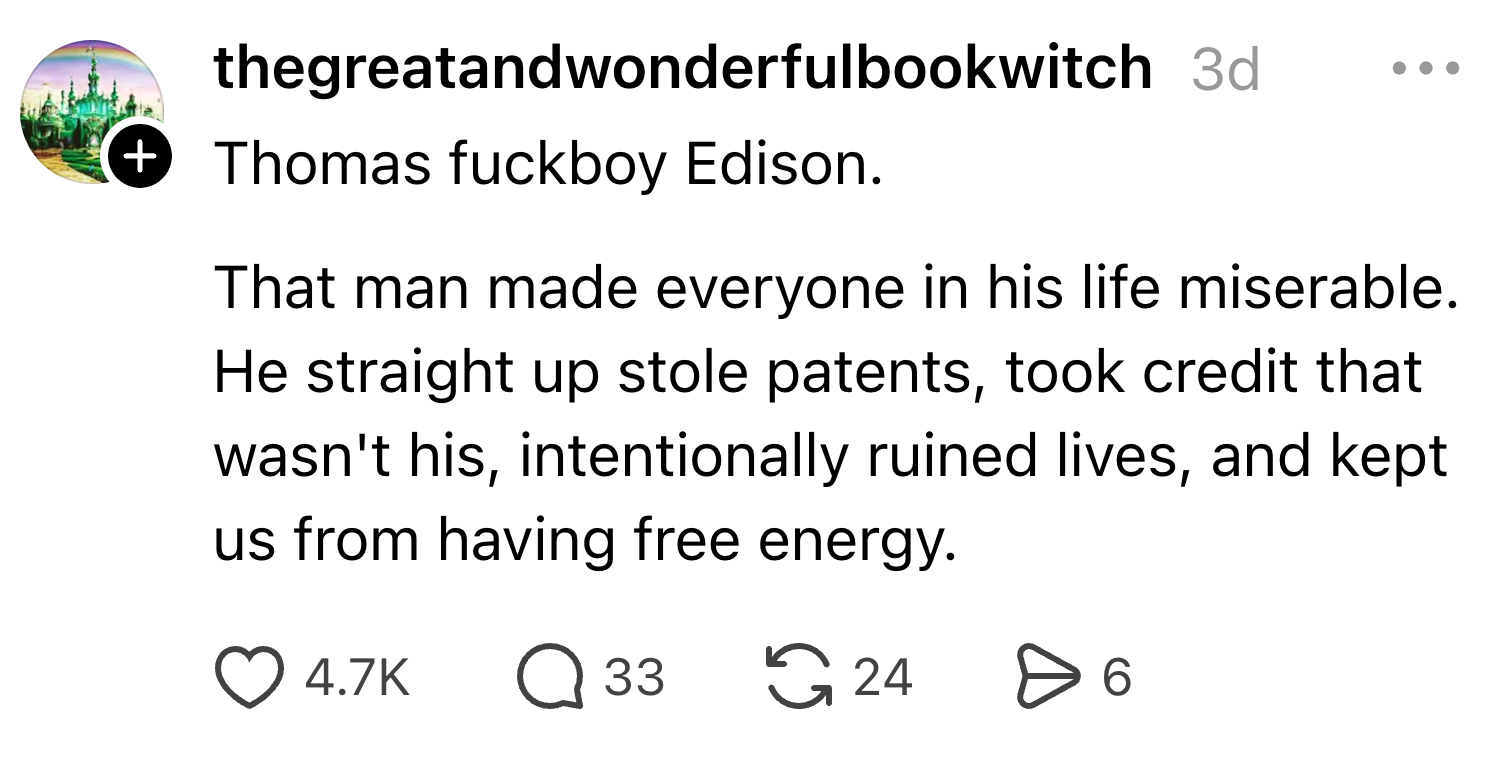
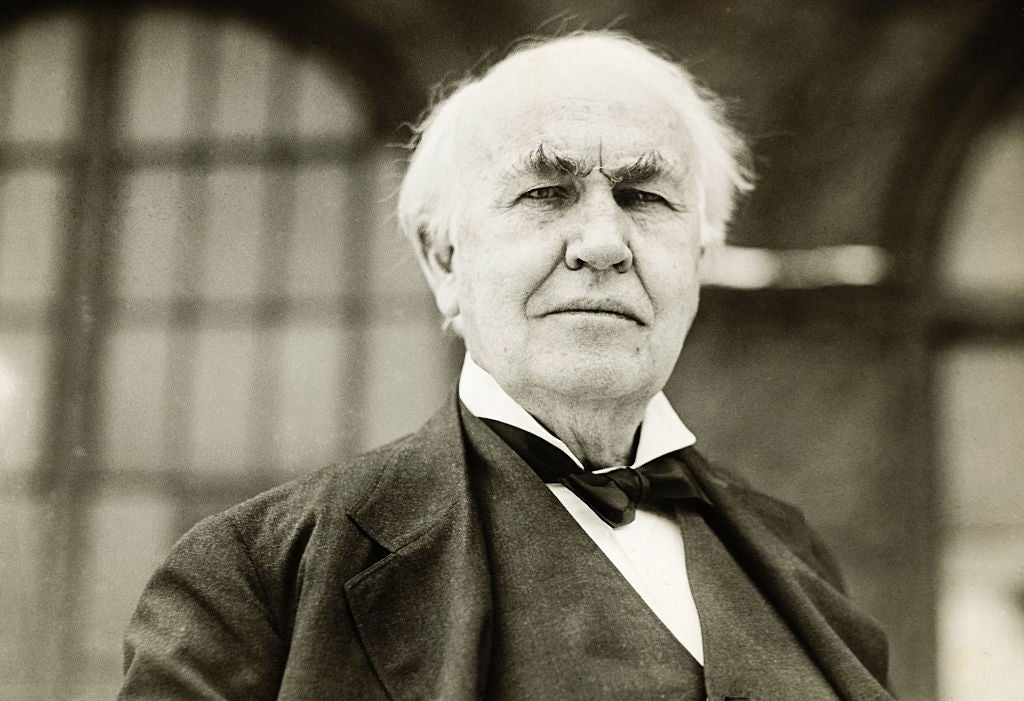
His rivalry with Nikola Tesla, especially during the "War of the Currents" over electricity systems, is one of the biggest reasons people debate his legacy today. The "War of the Currents" was a major fight in the late 1800s over which type of electricity would power the world: Thomas Edison backed direct current (DC) or Nikola Tesla and George Westinghouse backed alternating current (AC). AC ended up winning because it could send electricity much farther and more efficiently, which is why modern power grids still use it today.

The controversy (and horrifying part) comes from the fact that Edison reportedly tried to scare the public away from AC. He did this by associating AC with the electric chair to make it seem dangerous and by publicly electrocuting animals. One of the most infamous examples was the 1903 electrocution of Topsy at Luna Park. It was awful, and you can read more about it here.

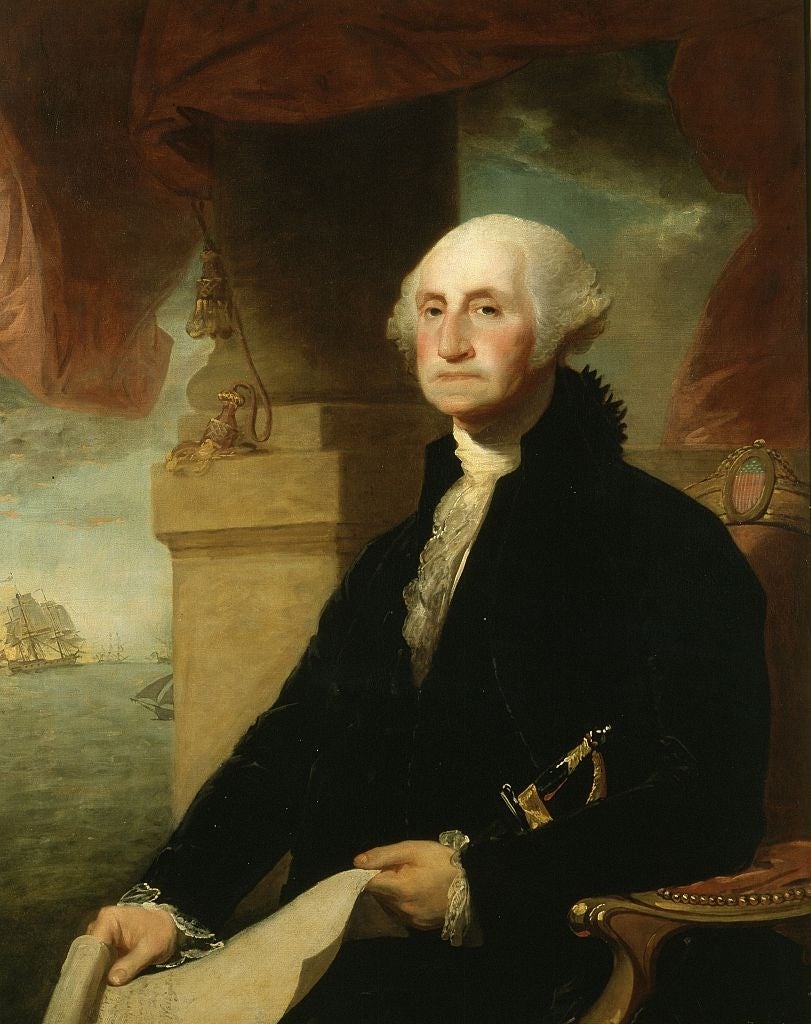
Records show Washington often suspected enslaved workers of stealing and routinely split up families through work assignments and transfers. When Pennsylvania passed gradual emancipation laws, Washington reportedly rotated enslaved workers in and out of Philadelphia before they reached the residency requirement that could have legally freed them.

Washington’s will ordered the eventual emancipation of the 123 enslaved people he directly owned, but only after Martha Washington’s death. Fearing for her safety, Martha freed them earlier, about a year after he died.

There’s a persistent myth that George Washington had wooden teeth, but his dentures were actually made from materials like ivory, metal, and real human teeth. Some of those human teeth were purchased from enslaved people. Records also show that Washington paid several enslaved individuals for teeth in 1784. Historians note this raises major ethical questions because enslaved people could not freely consent in the same way a free person could.

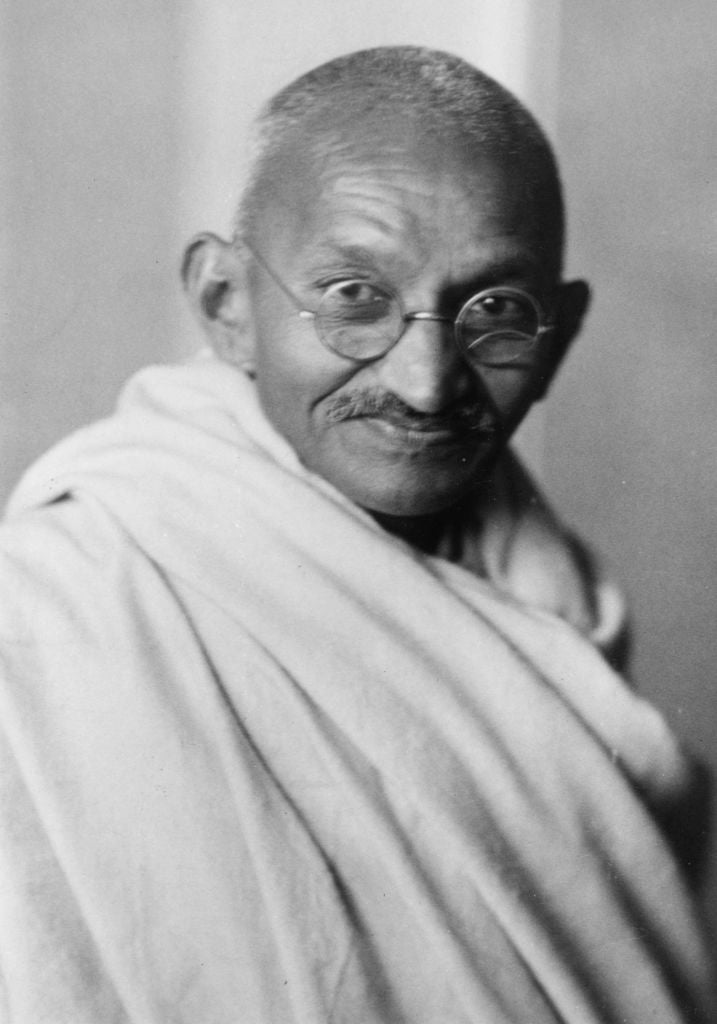
Early writings from his time in South Africa included racist remarks about Black people. Gandhi also expressed conservative attitudes toward women and conducted controversial "celibacy tests," where he slept beside young women and girls, including relatives, to test his self-control. He distrusted much of modern medicine as well, favoring prevention over treatment. When his wife, Kasturba Gandhi, became seriously ill, he reportedly opposed penicillin treatment, though he later accepted medical care for his own illnesses, including malaria treatment and surgery.

Journalists and some medical professionals who visited her clinics reported limited medical training, sparse resources, and practices such as reused medical equipment and minimal pain management. Critics argue the focus was often more on religious comfort and accepting suffering than on modern medical treatment standards.

She also accepted donations and support from controversial figures, including Charles Keating and Jean-Claude Duvalier. If you didn't know, Charles Keating is problematic because he orchestrated a massive savings and loan fraud that wiped out the life savings of over 20,000 citizens and used corrupt political donations to delay regulatory scrutiny. And Jean-Claude Duvalier ran a brutal Haitian dictatorship that embezzled hundreds of millions of dollars in state funds while using a violent secret police force to torture and execute thousands of political opponents.

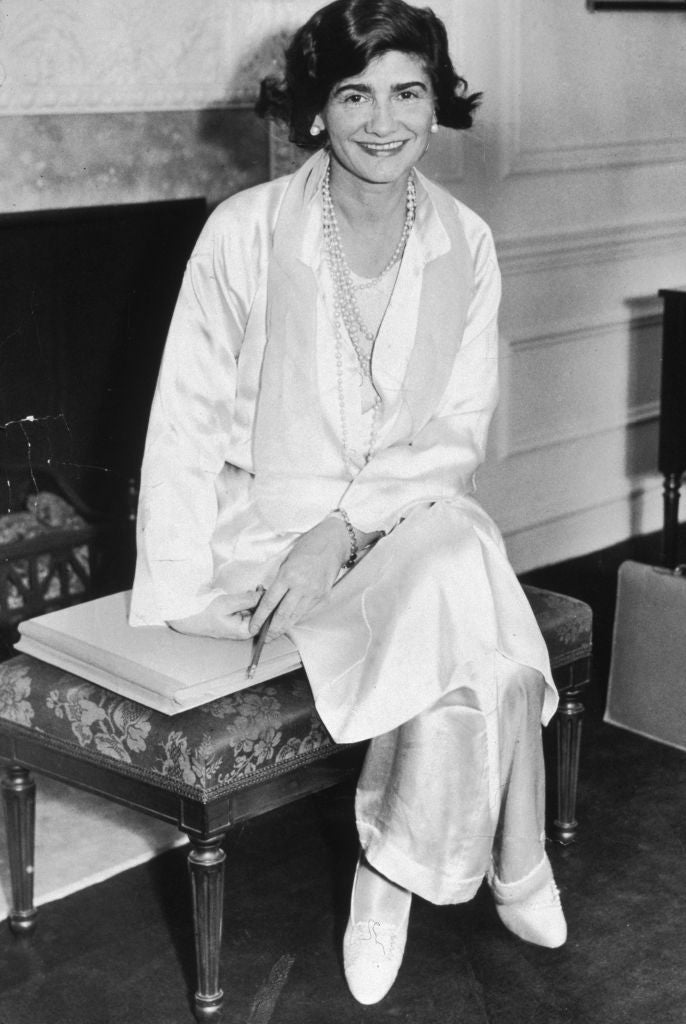
Historians widely agree that Chanel maintained close personal and social ties with members of the German occupation elite.

After the liberation of France, Chanel was briefly questioned about her wartime associations but was not prosecuted. She later left France for a period before returning in the 1950s, when she rebuilt her fashion house and reestablished her public reputation.

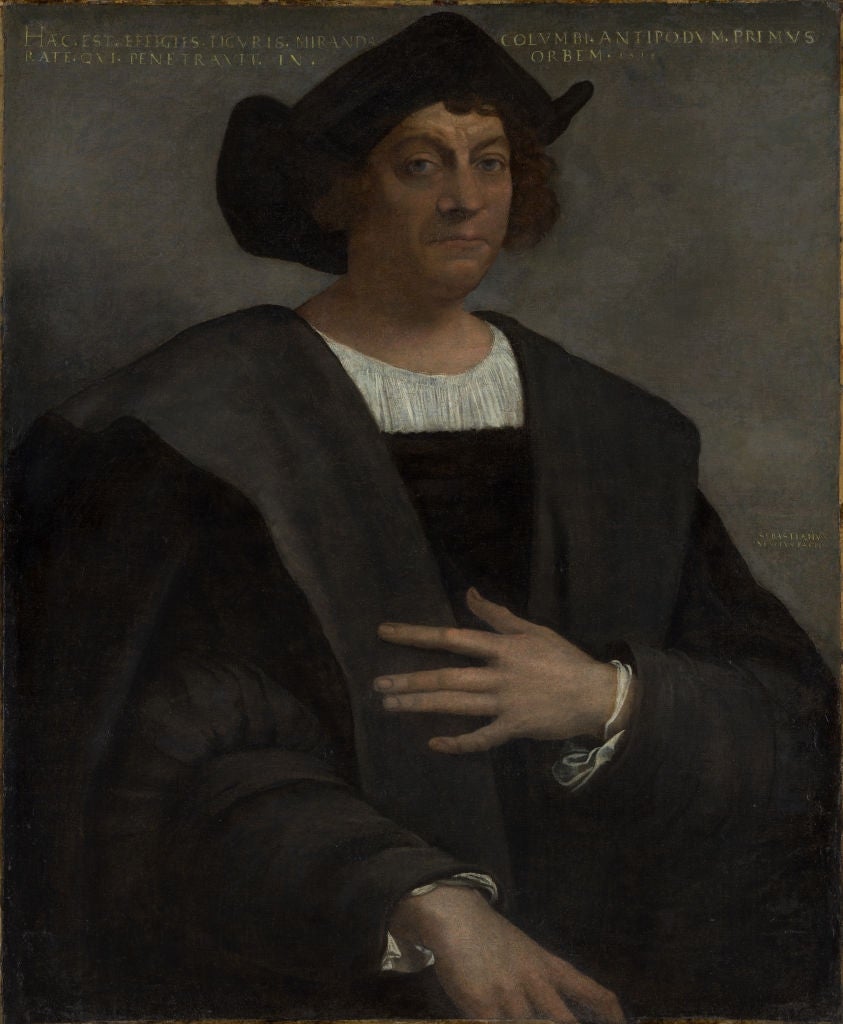
While he has been celebrated for "discovering" America, many historians now emphasize that Indigenous civilizations were already thriving and that his expeditions contributed to systems of conquest and slavery. In addition, he became so notorious for his brutal treatment of people in the colonies that Spanish authorities eventually arrested him and stripped him of his title as governor.

In interviews, most notably a 1980 Playboy interview, he reflected on earlier violence and misogynistic attitudes in his youth, which has caused many people to see a big contrast between his public image and private actions.

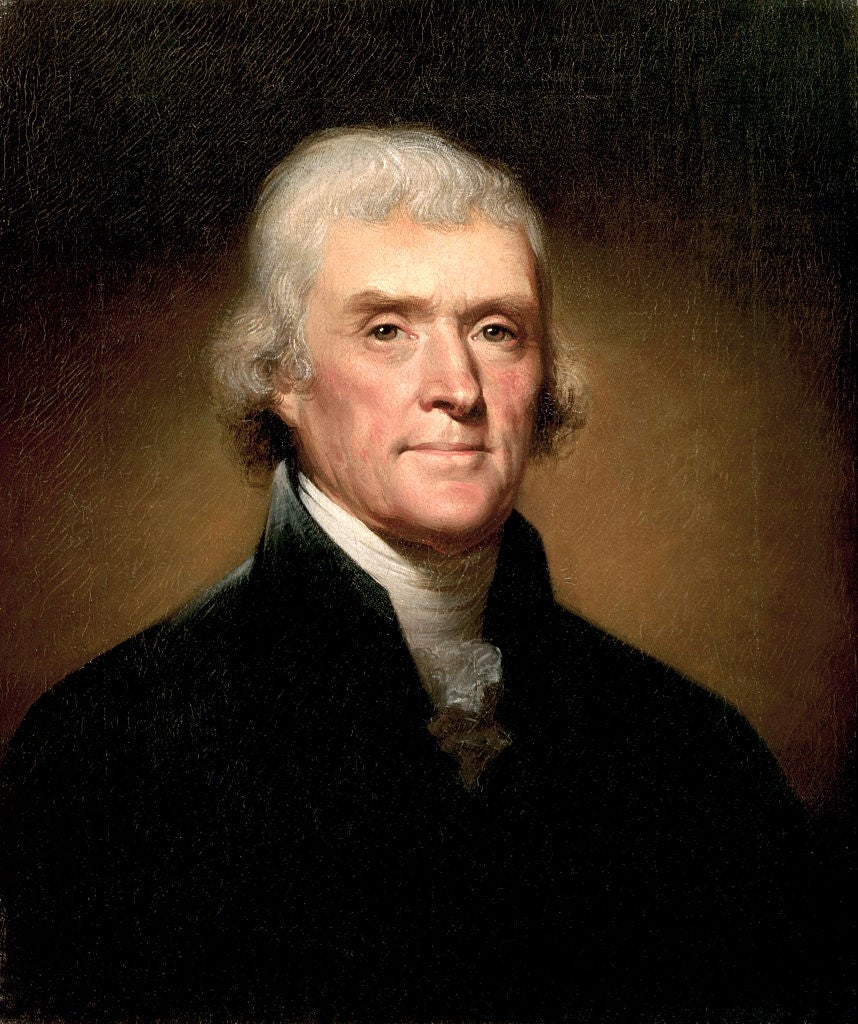
After his wife Martha Jefferson died, Jefferson worked in France as a diplomat, where Sally Hemings accompanied one of his daughters overseas as a teenager. Historians believe Jefferson and Hemings began a relationship during that period, though questions about consent remain widely debated because Hemings was enslaved. After returning to Virginia, Hemings lived at Monticello and later had six children believed by historians to have been fathered by Jefferson.

Rumors about the relationship became public in an 1802 newspaper story naming Hemings and her children. DNA evidence and historical research later strengthened the conclusion that Jefferson fathered her children, a connection now officially recognized by Monticello.

Critics point to statements that she made opposing the 15th Amendment unless women were included too, arguing that some rhetoric used at the time sidelined or demeaned Black people in the fight for voting rights.

Historians often point to letters and accounts describing his strained relationships with women in his life, particularly his first wife, Mileva Marić. He also made comments in private writings that can be viewed as insensitive or prejudiced.

While serving in Germany, he met Priscilla Presley when she was 14, and he was 24. They continued a long-term relationship and married in 1967, later divorcing in 1973 after having one daughter, Lisa Marie Presley. Priscilla has described aspects of their relationship as controlling and imbalanced in her memoir.

While he’s known for expanding presidential power and positioning himself as a "man of the people," he is widely criticized for his role in the forced removal of Native American nations through policies like the Indian Removal Act, which led to the Trail of Tears and the deaths and displacement of thousands of Indigenous people. His support of slavery, harsh treatment of political opponents, and Native sovereignty is also documented.