Press
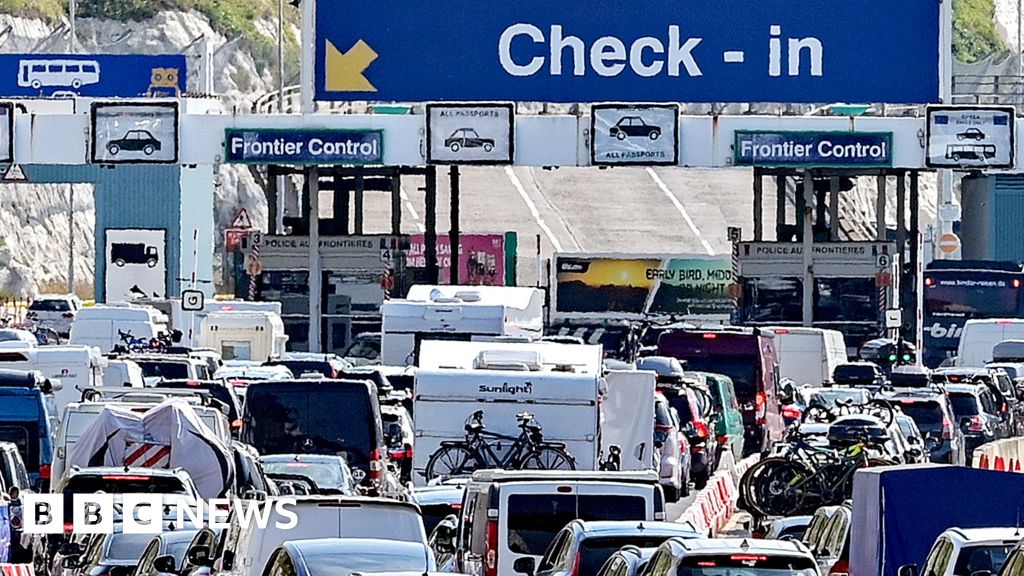
Queues at Dover build in first half-term getaway with new EU checks
Images
1 / 11

2 / 11
3 / 11
4 / 11
5 / 11

6 / 11
7 / 11
8 / 11
9 / 11
10 / 11
11 / 11
The Port of Dover has asked ferry passengers to come prepared for delays as the half-term getaway begins.

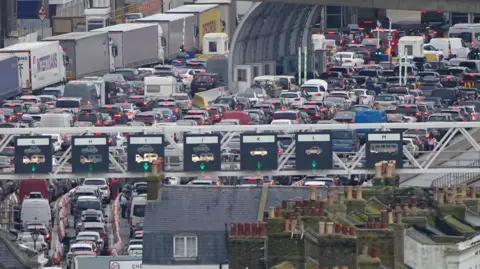
Queues are not unusual during busy holiday periods.  This morning, the port has reported waits of 90 minutes at the border.

But it is the first holiday period since the EU's new border system - which digitally records biometric information - was fully implemented.

Fingerprints and photos aren't yet being taken at Dover and some other crossings to France, but digital profiles of travellers are still being created. That's expected to lengthen processing times.

Since 10 April, the Entry Exit System (EES) was meant to be in operation across all entry points into the Schengen free movement area, which includes many popular holiday destinations like France and Spain.

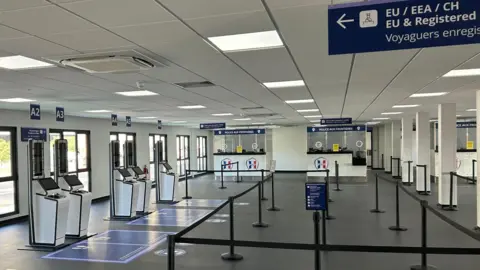
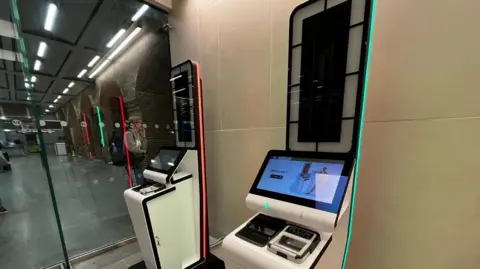
At Dover, where people go through the French border before they board a cross-Channel ferry, French authorities have not yet switched on the machines that will take fingerprints and photos under EES.

However, border officials still have to do part of the process for each tourist. Setting up a profile linked to the new system means it will take a little longer to get through.

The port says that if passengers miss their intended sailing because of delays, they can get the next available departure.

Some 18,000 cars are expected at Dover between Friday and Sunday, with Saturday anticipated to be the busiest day. Four hundred coaches are expected on Friday alone.

The Lydden Hill racing track will be available as a contingency measure to hold cars if queues get really bad, to avoid local roads getting clogged up.

Border authorities are allowed to suspend EES altogether if severe delays build up.

The Port of Dover is asking people to:

At the Channel Tunnel operator Eurotunnel's Folkestone terminal, French authorities also haven't yet turned on the new machines to take car passengers' biometric details.

The situation is similar to Dover, in that border officials in booths are creating profiles for tourists, but fingerprints and photos are not yet being taken. It's not warning passengers of delays.

Lorry drivers have been providing biometric information for a while now.

Eurostar's hub at London St Pancras station is the other UK location where French border checks are done as people leave the country. Again, border police have been creating files and in some cases taking biometric information - but most passengers haven't yet used the automated machines.

Greece has said British passengers won't face biometric checks this summer.

At some airports, passengers have experienced long queues at the border upon arrival in recent months.

In April, about 100 people were left stranded in Milan after a flight to Manchester left without them.

Easyjet boss Kenton Jarvis told the BBC on Thursday that problems caused by the EES were "unacceptable".

He said "we have seen some reduction in some of the queues".

However, he encouraged European countries to use the flexibility they had to go back to manual passport stamping if necessary.

This week, Easyjet and Jet2 have tried to reassure customers they can book with confidence, and that the carriers have no fuel supply issues.

A trend has emerged of people booking their holidays late because they're nervous about the impact the Middle East conflict could have on the future availability of jet fuel.

Travel association Abta said demand was particularly strong for trips to Spain, Italy, the Balearic and Canary Islands, Portugal, Croatia and Greece, with Majorca, Alicante and Tenerife proving popular for beach holidays.

It said people were prioritising value and peace of mind.

When it comes to traffic on the UK's roads, the RAC thinks this late May bank holiday weekend will be the busiest in two years, with almost 19 million getaway trips being made.

The latest series culminated on Thursday with a dash through snow-covered Hatgal in northern Mongolia.

An increase in tourists from the Republic has been the most prominent feature of Northern Ireland's post-pandemic tourism bounce back.

Campaigners in Barbuda, Grenada and Jamaica say they can no longer access their coastlines.

Jason McKelvie says Stirrups Hotel could see its annual rates rise by almost £150k over the next three years.

Many visitors who have been exempt for 60 days will soon have to apply for a visa after 30 days.