buzzfeed Press
13 Eerie Disappearances From National Parks And Wilderness That Will Keep You Up At Night
Images
1 / 16
2 / 16

3 / 16
4 / 16
5 / 16
6 / 16
7 / 16
8 / 16
9 / 16
10 / 16
11 / 16
12 / 16
13 / 16
14 / 16
15 / 16
16 / 16
Four years after a 3-year-old vanished in Colorado, his shoes and clothing were discovered intact on a steep mountain slope, hundreds of feet above where he was last seen.

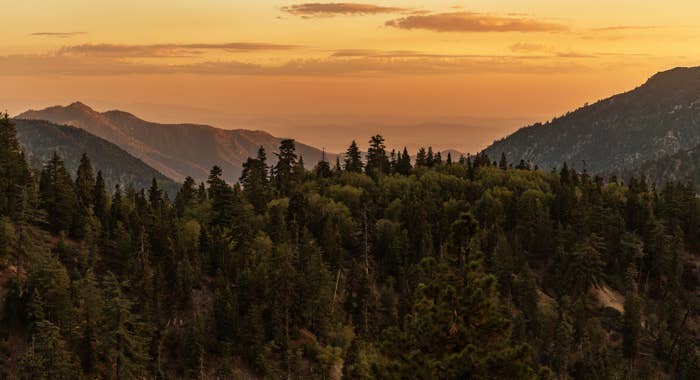
On July 19, 1991, 12-year-old Jared Michael Negrete was on his first overnight backpacking trip with his Boy Scout troop, hiking to the summit of Mount San Gorgonio in California's San Bernardino National Forest. As the group climbed, Jared — who was heavier than his fellow Scouts and physically struggling — began cutting across switchbacks to keep up. Other hikers warned him to stay on marked paths. He was last seen at 6 p.m. by a Santa Ana firefighter who repeated the same warning.

Eight days later, search personnel located Jared's disposable Kodak camera 45 feet off the Vivian Creek Trail. Twelve photos had been taken on the day he disappeared. Most were landscape shots from before he went missing. But the final image was a close-up of Jared's face — only his eyes and nose visible, taken with the flash on, possibly at night, after he had vanished. Family members believed Jared had pointed the camera at his own face and snapped the photo.

More than 3,000 volunteers logged 45,000 hours scouring 50 square miles of the forest. Beyond the camera, candy wrappers, and beef jerky, nothing of Jared was ever found.

Sources: The Charley Project, StrangeOutdoors

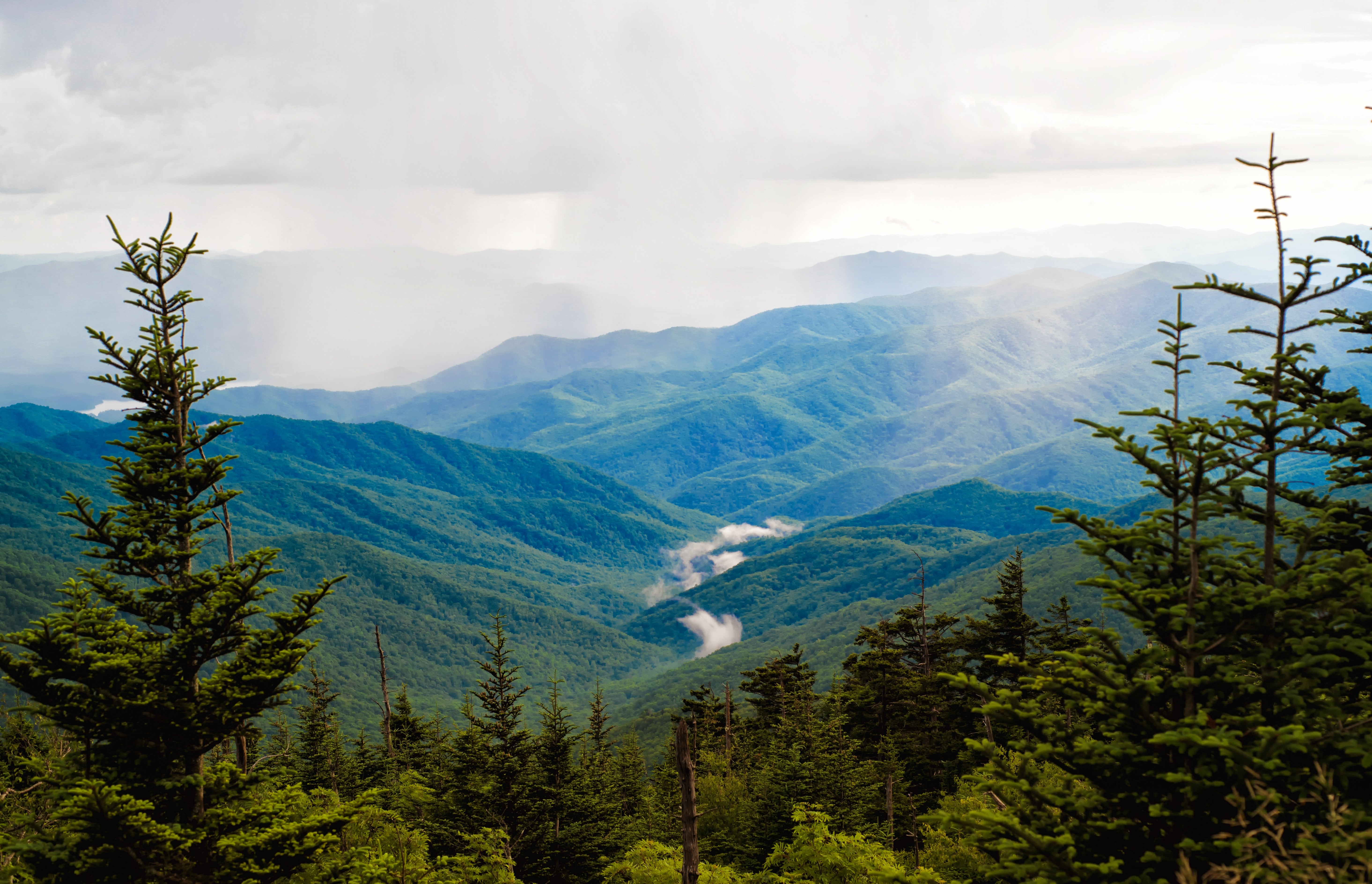
On Father's Day weekend in 1969, 6-year-old Dennis Lloyd Martin was on a family camping trip to Great Smoky Mountains National Park in Tennessee. It was six days before his seventh birthday. At Spence Field along the Appalachian Trail, Dennis and his brother joined two other boys in a plan to sneak up on the adults. The boys split into two groups to ambush them from different directions. Within minutes, Dennis was gone.

His father, William Martin, began calling for him almost immediately. By nightfall, a thunderstorm had dropped 3 inches of rain on the Smokies, washing out trails and any tracks Dennis might have left. The search that followed involved about 1,400 people — park rangers, college students, firefighters, Boy Scouts, police, and 60 Green Berets — across a 56-square-mile area. It became the largest park search-and-rescue operation in National Park Service history at the time.

Despite the scale of the effort, no trace of Dennis was ever found. His case was officially suspended in September 1969. More than 56 years later, no one knows what happened to him. Theories range from accidental death to abduction; one of the most haunting comes from a witness who reported hearing a “sickening scream” several miles away, the afternoon Dennis vanished, and seeing an unkempt man in the woods moving toward the source of the sound.

Sources: NPS Case File, All That's Interesting, WBIR

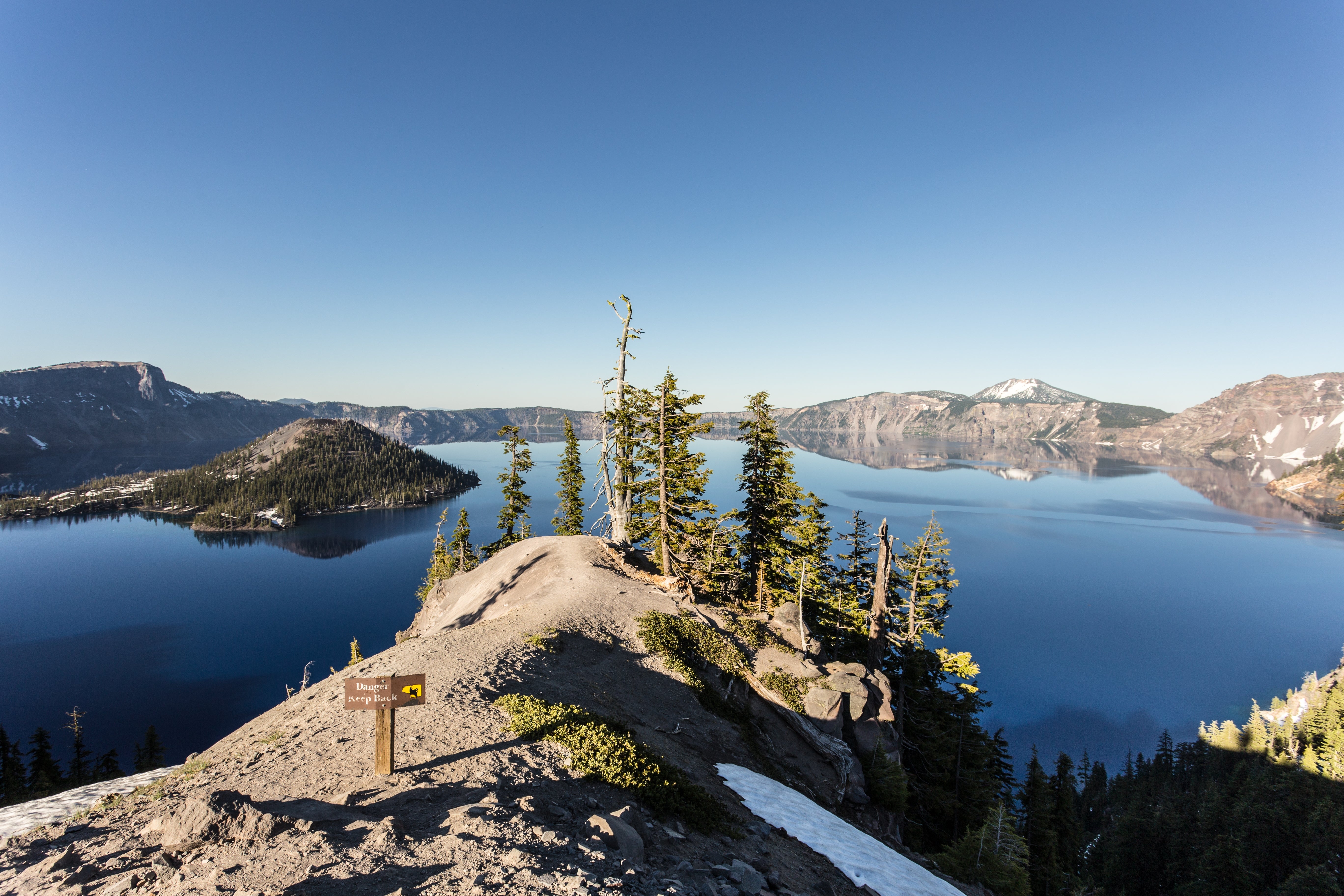
On October 14, 2006, 8-year-old Sammy Boehlke and his father, Kenneth, were exploring a cinder slope near Cleetwood Cove in Crater Lake National Park, Oregon. As darkness approached, Kenneth told his son it was time to leave. Sammy stayed on the slope, refusing to come down. When Kenneth walked back toward the car, Sammy stayed 50 feet ahead of him on the slope, treating the situation as a game. He ran over the ridge and disappeared into the woods.

Sammy had a mild form of autism that caused extreme reactions to loud noises and bright lights — a critical detail that complicated the search. More than 200 search-and-rescue workers responded, but they could not use the air horns, whistles, or loudspeakers normally deployed in child-recovery searches without risking that Sammy would hide deeper in the woods rather than come toward them. Dogs, helicopters, and heat-sensing cameras were deployed across the park for a week. Intermittent searches continued until snow began to fall.

In September 2025, nearly two decades after Sammy disappeared, search-and-rescue teams from multiple counties returned to Crater Lake to comb areas that may have been overlooked. They found nothing.

Sources: Crater Lake Institute, The Charley Project, KOBI-TV NBC5

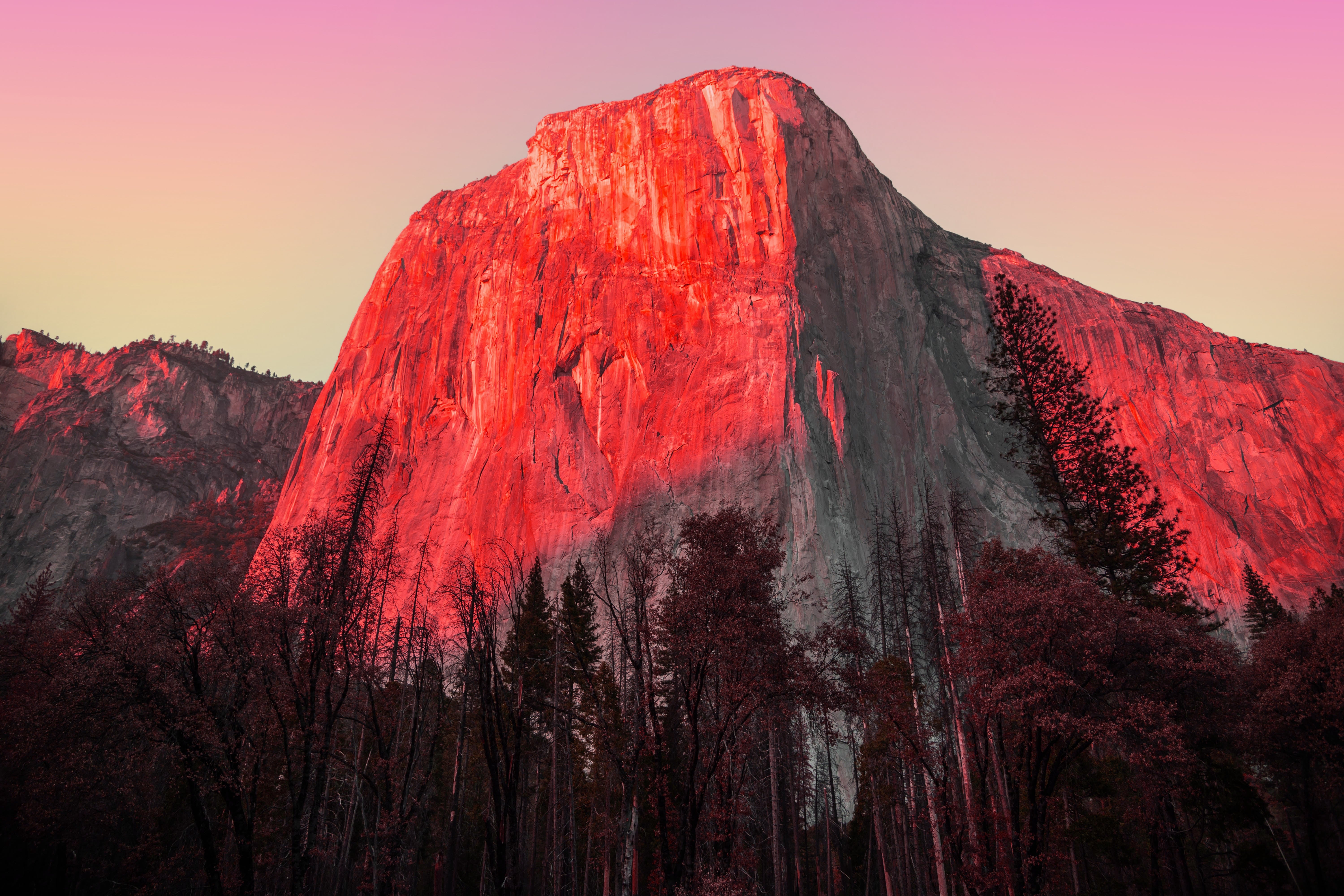
On July 17, 1981, 14-year-old Stacy Ann Arras was on a four-day horseback riding trip through Yosemite National Park with her father, George, and a group of fellow riders. The group arrived at Sunrise High Sierra Camp — a remote cluster of tent cabins 9,400 feet above sea level — in the late afternoon and dismounted to freshen up. Stacy grabbed her camera and asked an older man from the group if he wanted to walk with her to a nearby lake to take photos. He agreed.

The older man grew tired partway down the granite slope and sat on a boulder to rest. Stacy continued walking toward the tree line, visible for hundreds of yards in every direction. A trail guide saw her, too. Then she walked out of sight, and nobody ever saw her again. No scream. No footprints. No clothing. No camera. Up to 150 searchers, including roughly 67 Mountain Rescue Association volunteers, dogs and helicopters, canvassed a 3- to 5-square-mile area around Sunrise Lake. They found nothing.

Some researchers have claimed the NPS case file is unusually large, and FOIA requests for the full file have been the subject of dispute over the years, though portions have been released publicly. Still, Stacy is officially missing. If she were alive today, she would be 59.

Sources: The Charley Project, NamUs, Yosemite National Park Archives, KSEE24/CBS47

STATUS: STILL MISSING (CASE CLOSED DUE TO PASSAGE OF TIME)

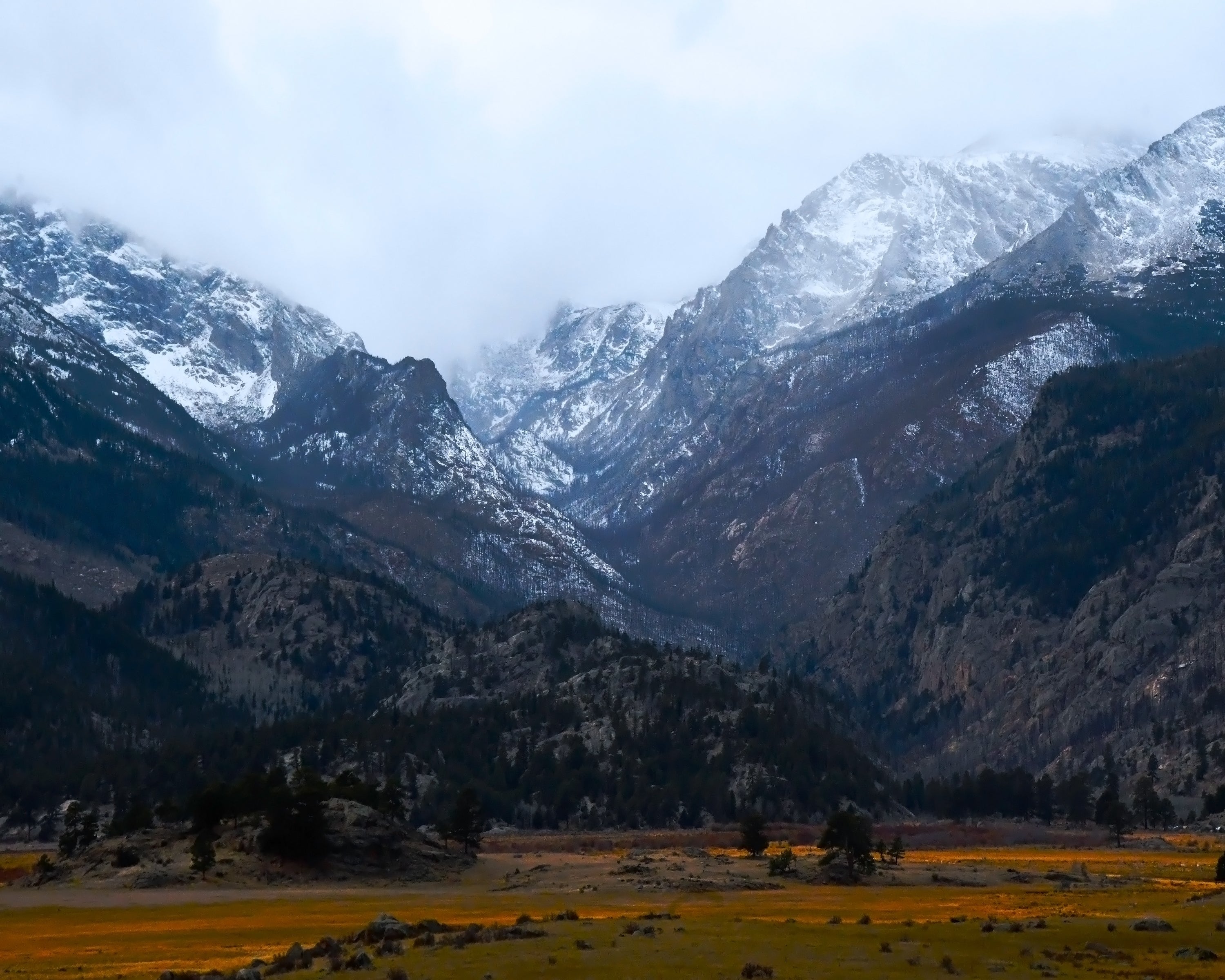
On July 3, 1938, 4-year-old Alfred Edwin Beilhartz was camping with his family of 12 in Rocky Mountain National Park in Colorado for Independence Day weekend. While hiking along a trail near the Roaring River, Alfred fell behind his parents and 10 older siblings. When his family looked back, he was gone.

Rangers initially believed Alfred had fallen into the river. They built a makeshift dam with sandbags, rocks and logs and dragged the riverbed for 6 miles. Nothing. Bloodhounds from the Colorado State Prison tracked Alfred’s scent 500 feet uphill — in the opposite direction from where his family had been walking — before losing it at a fork in the path.

The same afternoon Alfred vanished, a couple hiking 6 miles away and 2,500 to 3,000 feet higher in elevation reported hearing a child's cry and seeing a small boy matching Alfred's description on a treacherous ridge known as Devil's Nest, near the top of Mount Chapin. The boy sat on the rock ledge for several minutes, then appeared to be pulled out of sight by something or someone off to the side. By the time investigators reached the location the next day, the boy was gone. The distance and elevation gain make it nearly impossible for a 4-year-old to have reached that ridge unaided in those hours, and some researchers have speculated the witnesses may have seen a different child or even a yellow-bellied marmot — a large alpine rodent whose call can sound eerily childlike.

Five months later, in November 1938, the Beilhartz family received a ransom note demanding $500 for Alfred’s return. The note read in part: "Sorry for your son. We went west. Out of money. The boy doesn’t take to us." Police determined the note was a hoax. The 150-volunteer, 10-day search turned up no other evidence. Alfred was never found, and his case has been closed because of the passage of time.

Sources: The Charley Project, Morbidology, StrangeOutdoors

STATUS: STILL MISSING (PRESUMED DECEASED)

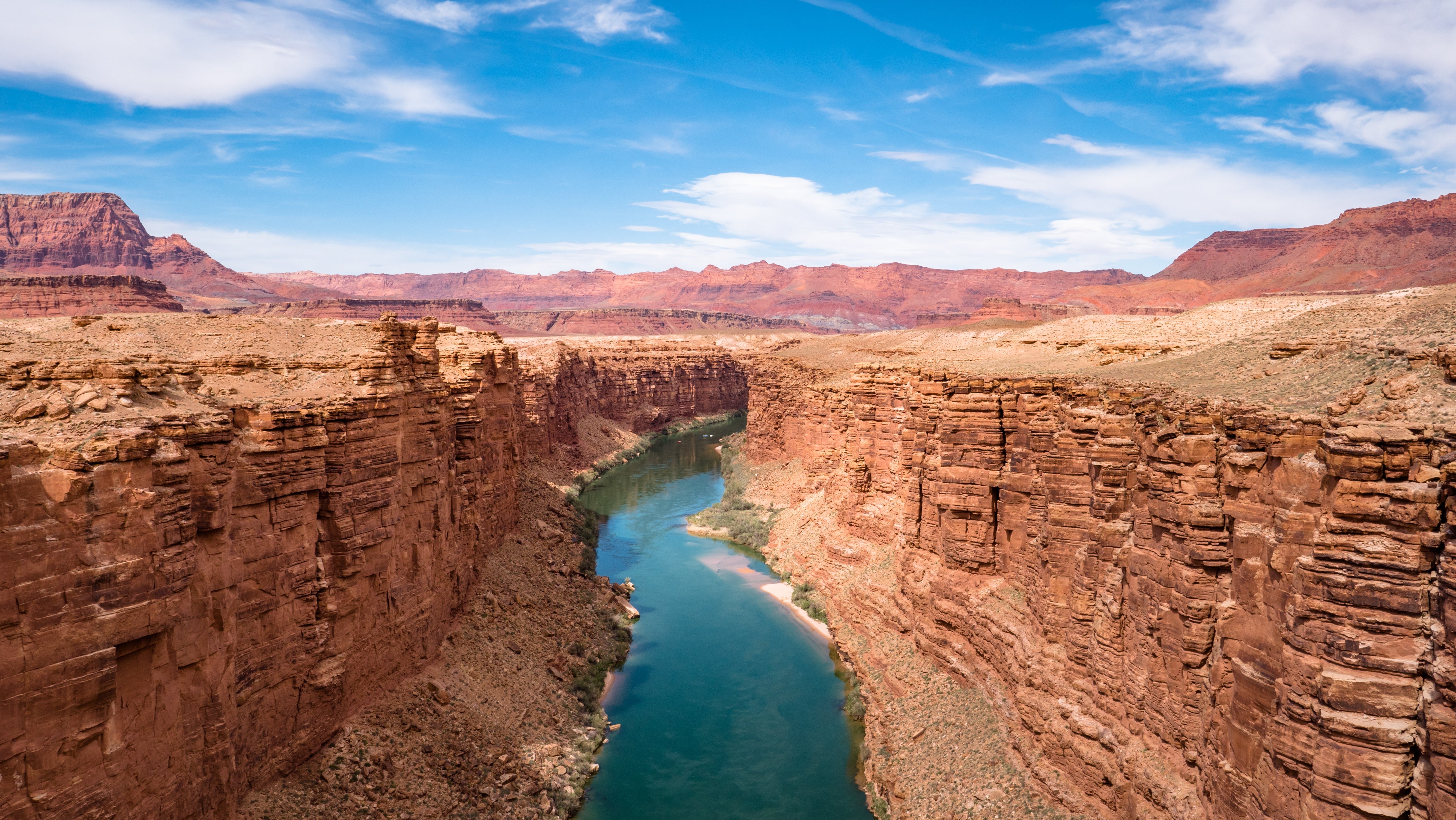
In 1928, newlyweds Glen and Bessie Hyde decided to spend their honeymoon attempting to set a speed record for running the rapids of the Colorado River through the Grand Canyon. If they succeeded, Bessie also would become the first documented woman to complete the trip. They built their own homemade scow — a flat-bottomed barge they named Rain in the Face — and launched from Green River, Utah, on October 20, 1928, with no life jackets and no specialized gear.

By mid-November, they were halfway through. On November 16, they stopped at the South Rim and met the famed Kolb brothers, photographers who ran a studio at the canyon’s edge. According to later accounts, Bessie quietly told Emery Kolb she wanted to go home. Glen brushed off Kolb’s offer to let them rest. As the couple left, Bessie reportedly looked at Kolb’s young daughter and admired her shoes, saying aloud: "I wonder if I shall ever wear pretty shoes again."

When the Hydes failed to arrive in Needles, California, Glen’s father launched a search. On December 19, 1928, a search plane spotted their scow at river mile 237 — upright, fully intact, supplies still strapped down, Bessie’s diary tucked safely inside. Her last entry was dated November 30. There was no sign of Glen or Bessie. They were never found. Theories have ranged from murder-suicide to a woman in 1971 who claimed to be Bessie and said she had stabbed Glen and walked out of the canyon, though she later recanted.

Sources: Northern Arizona University Special Collections, Brad Dimock, Sunk Without a Sound (2001), Mental Floss

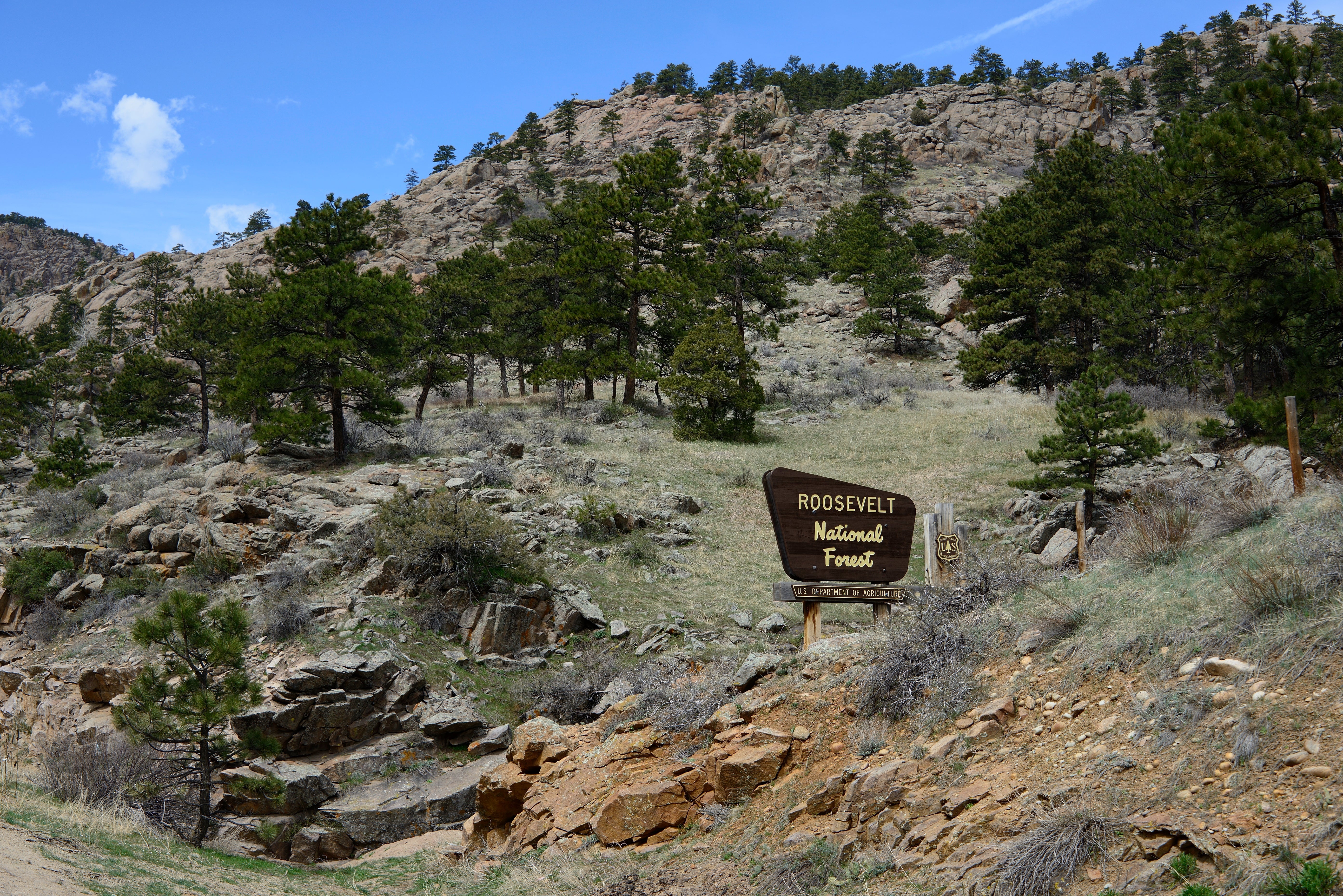
On October 2, 1999, 3-year-old Jaryd Atadero was hiking the Big South Trail in Colorado's Roosevelt National Forest with his 6-year-old sister and a group from the Christian Singles Network. Jaryd ran roughly 100 feet ahead of the group on the trail. He passed two fishermen and stopped to ask them whether there were any bears in the area. They told him yes. He kept walking. The fishermen would be the last people to see him.

Within minutes, the group realized Jaryd was no longer ahead of them. One of the largest search-and-rescue operations in Larimer County history followed — divers searched the river, a helicopter combed the canyon and crashed during the search, and the case became national news. No trace of Jaryd was found for nearly four years.

In May 2003, two hikers in the Comanche Peak Wilderness, about 500 feet up a 40- to 45-degree slope above the Big South Trail, found scattered partial remains and clothing belonging to Jaryd. His Tarzan-themed sneakers and clothing were found surprisingly well-preserved, given the passage of four years, scattered on a steep slope hundreds of feet above the trail — a location that has never been fully explained. A skull fragment and tooth were later confirmed by DNA to be Jaryd's. Official cause of death: "undetermined, probable mountain lion attack." His father, Allyn Atadero, who died in 2025, never fully accepted the mountain lion theory and spent decades searching for definitive answers.

Sources: 9News, Denver Gazette, StrangeOutdoors

On June 24, 2006, 47-year-old Gilbert "Gil" Gilman parked his silver Ford Thunderbird at the Staircase Ranger Station in Washington's Olympic National Park. He intended to take a short hike — 2.1 miles — and photograph the scenery. He was wearing a Hawaiian shirt, khaki shorts, sandals, and prescription sunglasses, and carried a camera but no backpack. Park Ranger Sanny Lustig spoke with him briefly. She was the last person known to see him.

Gilman did not show up for a work meeting in Spokane the next day and was reported missing. A 10-day search involving tracking dogs, helicopters with heat-seeking equipment, and 62 ground searchers turned up nothing. What made the case extraordinary was Gilman's background. A US Army veteran and former paratrooper, he had served as a military interrogator in Iraq and worked in counterterrorism and counterintelligence, fluent in Arabic, Russian, and Chinese. He had worked for the United Nations, contracted in Iraq, and held assignments connected to the Defense Intelligence Agency.

Gilman's mother told a Seattle news investigation that her son had been approached by the US government to work as an intelligence asset shortly before his disappearance. She believed he may have accepted and disappeared deliberately. Investigators have continued to monitor his bank accounts in case he resurfaces. A 2014 episode of Investigation Discovery's Dark Minds proposed Alaskan serial killer Israel Keyes as a suspect; the FBI later said there was no evidence connecting Keyes to Gilman’s disappearance. The case remains unsolved.

Sources: The Charley Project, StrangeOutdoors, Peninsula Daily News

STATUS: FOUR BODIES RECOVERED; GARY MATHIAS STILL MISSING

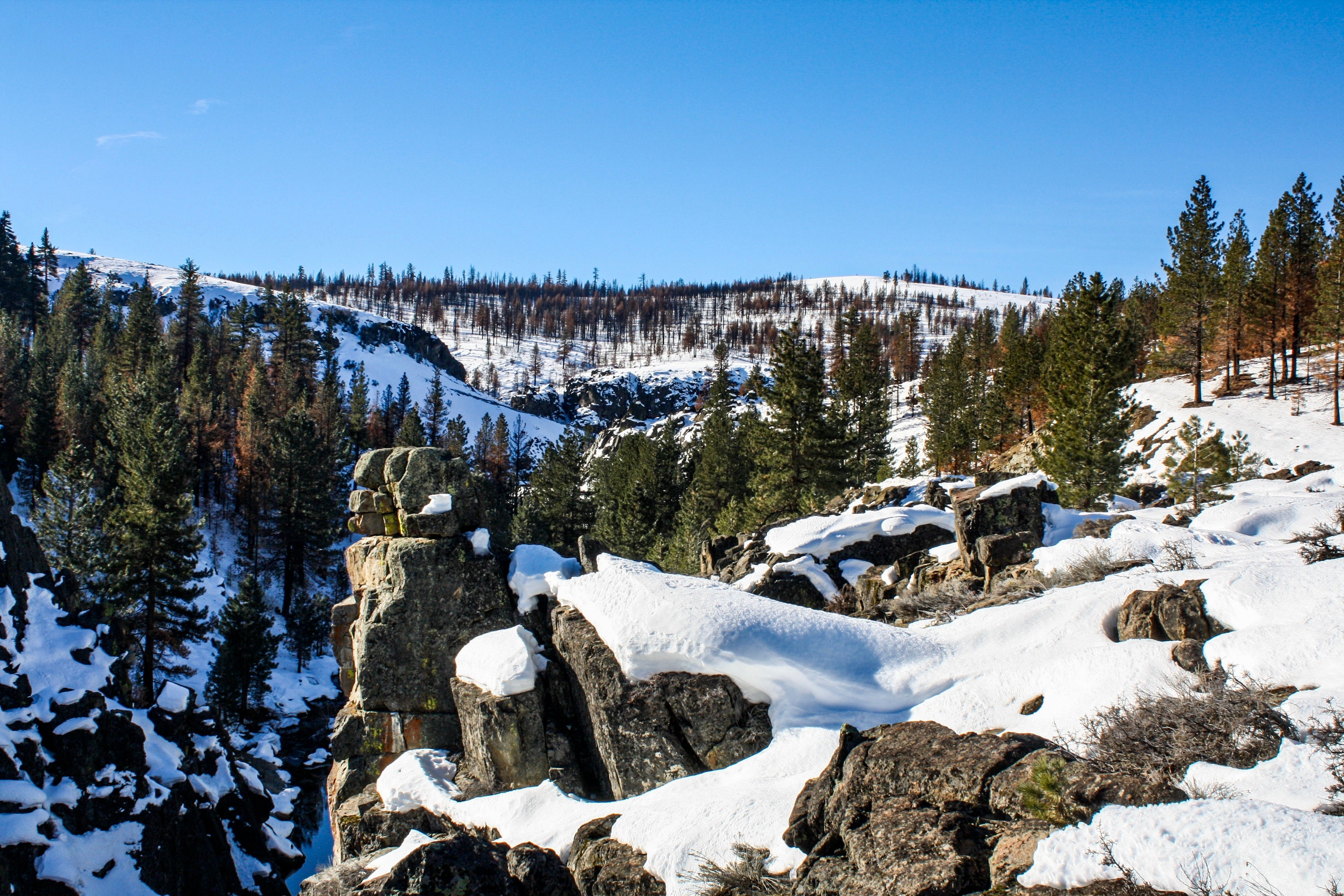
On February 24, 1978, five young men from Yuba City, California — Gary Mathias, 25; Jack Madruga, 30; Jack Huett, 24; Ted Weiher, 32; and Bill Sterling, 29 — drove to Chico to watch a college basketball game. They had a tournament to play in the next morning and were close friends. All five had intellectual disabilities or psychiatric conditions, and their families lovingly called them "the boys." They never came home.

Days later, Madruga's car was found stuck in a snowbank along the Oroville-Quincy Highway in Plumas National Forest — 70 miles in the wrong direction from where they should have been. The car was in working condition. There were no signs of struggle, and the keys were missing. A snack wrapper and basketball game programs were inside, but the men were gone. They had inexplicably driven up a mountain road in the middle of winter, wearing only light clothing, then walked into the snow.

In June 1978, when the snow melted, the body of Ted Weiher was discovered inside a US Forest Service trailer roughly 20 miles from the abandoned car. Weiher had survived for six to 13 weeks, according to the autopsy. He had grown a full beard and lost significant weight, yet had not eaten the canned food stored in the trailer. He had not lit the heater. He had wrapped himself in eight bedsheets. Three more bodies — Madruga, Sterling, and Huett — were found in the surrounding forest. Gary Mathias has never been found. The case has been called the "American Dyatlov Pass."

Sources: A&E, ABC10, All That's Interesting

STATUS: STILL MISSING (DECLARED LEGALLY DEAD IN 2004)

On July 24, 1997, 24-year-old Amy Wroe Bechtel — a record-breaking distance runner at the University of Wyoming who was training for the 2000 Olympic Marathon Trials — went out to map the route for a 10K race she was organizing in Shoshone National Forest near Lander, Wyoming. Her white Toyota Tercel was found that night along Loop Road, unlocked and abandoned. Her husband, rock climber Steve Bechtel, had been climbing with a friend that day.

The search that followed received 1,000 tips per day, ran for 10 days across lakes, mines, and forests, and involved the FBI, NASA satellite imagery, and even satellite photos requested from the Russian Mir space station. Nothing was found. Investigators initially considered a wild animal attack but later focused on Steve after discovering journals containing violent imagery directed at women, including his wife. Steve provided an alibi corroborated by friends, but refused to take a polygraph and stopped cooperating with investigators. He was never charged and has maintained his innocence.

Years later, a separate lead emerged: convicted serial killer Dale Wayne Eaton, known as the "Great Basin Serial Killer," was identified as having been in the Lander area on the day Amy disappeared. His brother told investigators he had been camping near where Amy's car was found. Eaton refused to discuss the case. He has never been charged in Amy's disappearance, either. In 2003, a watch matching Amy's was found in the Popo Agie River. Some bones nearby turned out to be from an animal. Amy was declared legally dead in 2004, but the case remains open.

Sources: Runner's World, Cowboy State Daily, Billings Gazette

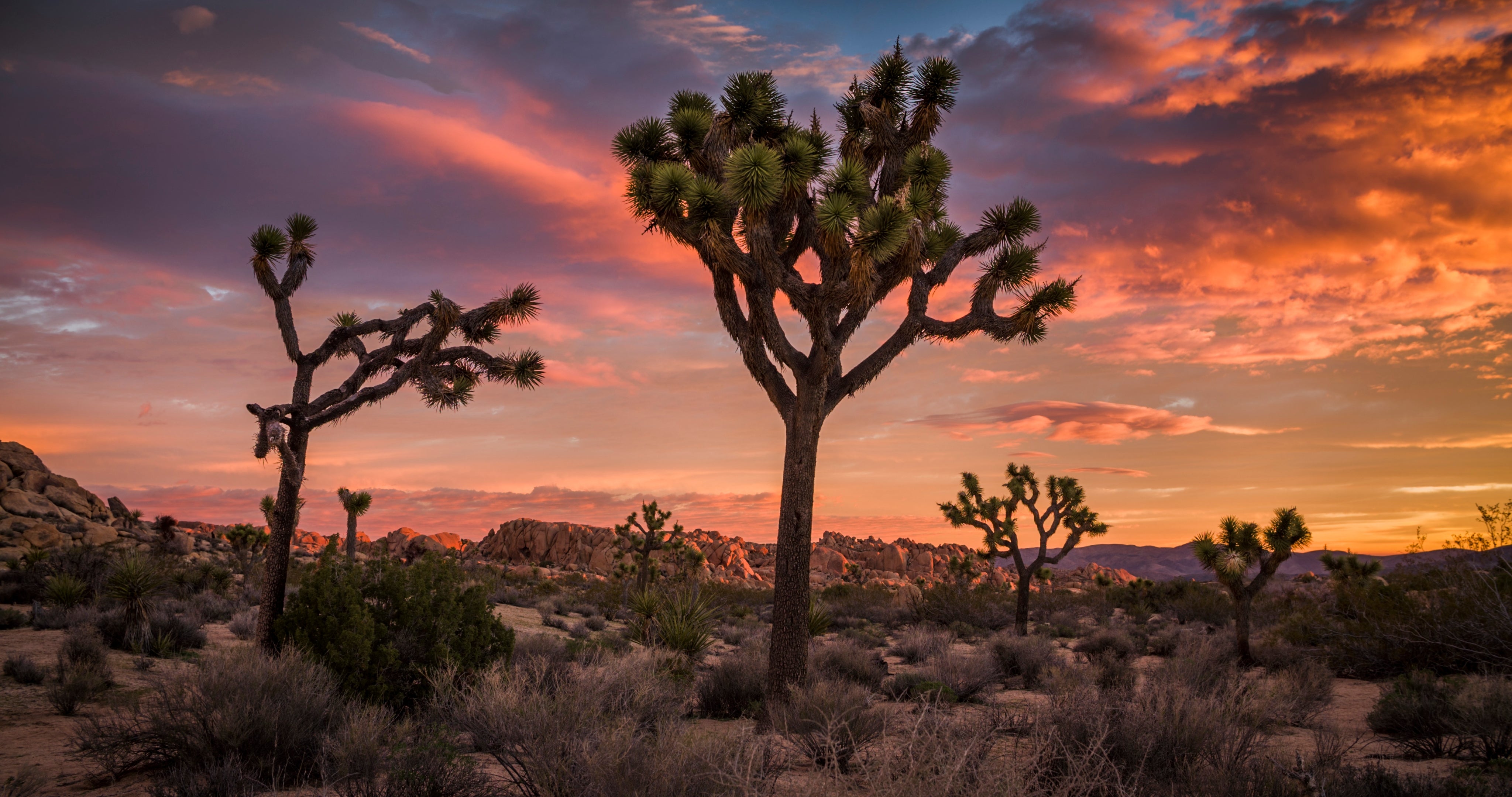
In June 2010, 66-year-old Bill Ewasko — a Vietnam War veteran, experienced hiker, and avid jogger — drove from his home outside Atlanta to Joshua Tree National Park in California for a hiking vacation. He left a detailed itinerary with his girlfriend, parked at the Juniper Flats backcountry registration board on June 24, and set out on what should have been a routine day hike. He never returned. His girlfriend reported him missing the next day after his planned 5 p.m. check-in call never came.

What followed became one of the most geographically extensive missing person searches in US history. A mysterious cellphone ping placed Ewasko’s location far outside the area he was supposed to be hiking — so far that initial searchers dismissed the data as a glitch. A retired engineer named Tom Mahood and a community of volunteer searchers spent more than a decade scouring increasingly remote regions of the park on foot, mapping every gully and ridgeline. They traded GPS logs online and argued over the meaning of that single cellphone signal. Mahood made dozens of trips into the park but never found anything.

In February 2022 — more than 11 years after Ewasko vanished — hikers found his remains in the park’s northwest corner near the Panorama Loop Trail, along with his wallet. The location matched the original cellphone ping data. He had walked much farther than anyone had believed possible in the desert heat.

Sources: BLDGBLOG, Backpacker, The New York Times, OtherHand

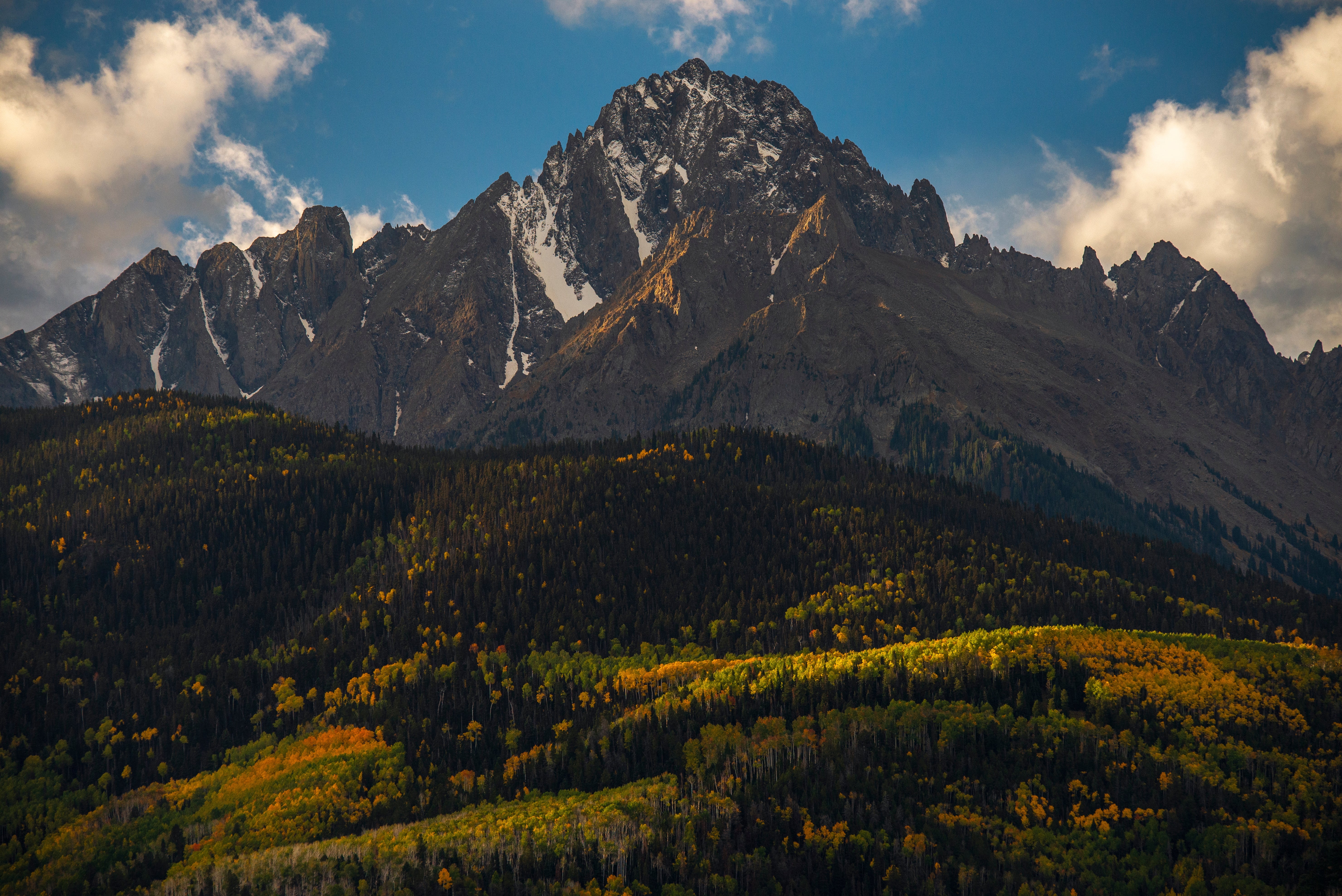
Skip Conrad was a beloved figure in Silverton, Colorado — an artist, environmentalist, and frugal philanthropist who had quietly donated more than $40,000 to local charities while living a simple life. He took hikes into the surrounding San Juan Mountains twice a day, often picking up trash along the trails and giving public speeches in favor of conservation. He was known throughout the small mountain town for his generosity.

Shortly before his disappearance, Skip learned he was dying of heart disease. On August 21, 2006, he walked down Lackawanna Road on his morning hike and never returned. An extensive search of the surrounding mountains turned up no sign of him. Those who knew him theorized that he had walked into the mountains deliberately to die on his own terms in the wilderness he loved. But no remains, clothing, equipment, or body have ever been found.

Sources: The Charley Project, Denver Post

STATUS: MULTIPLE HISTORICAL DISAPPEARANCES, MANY UNSOLVED

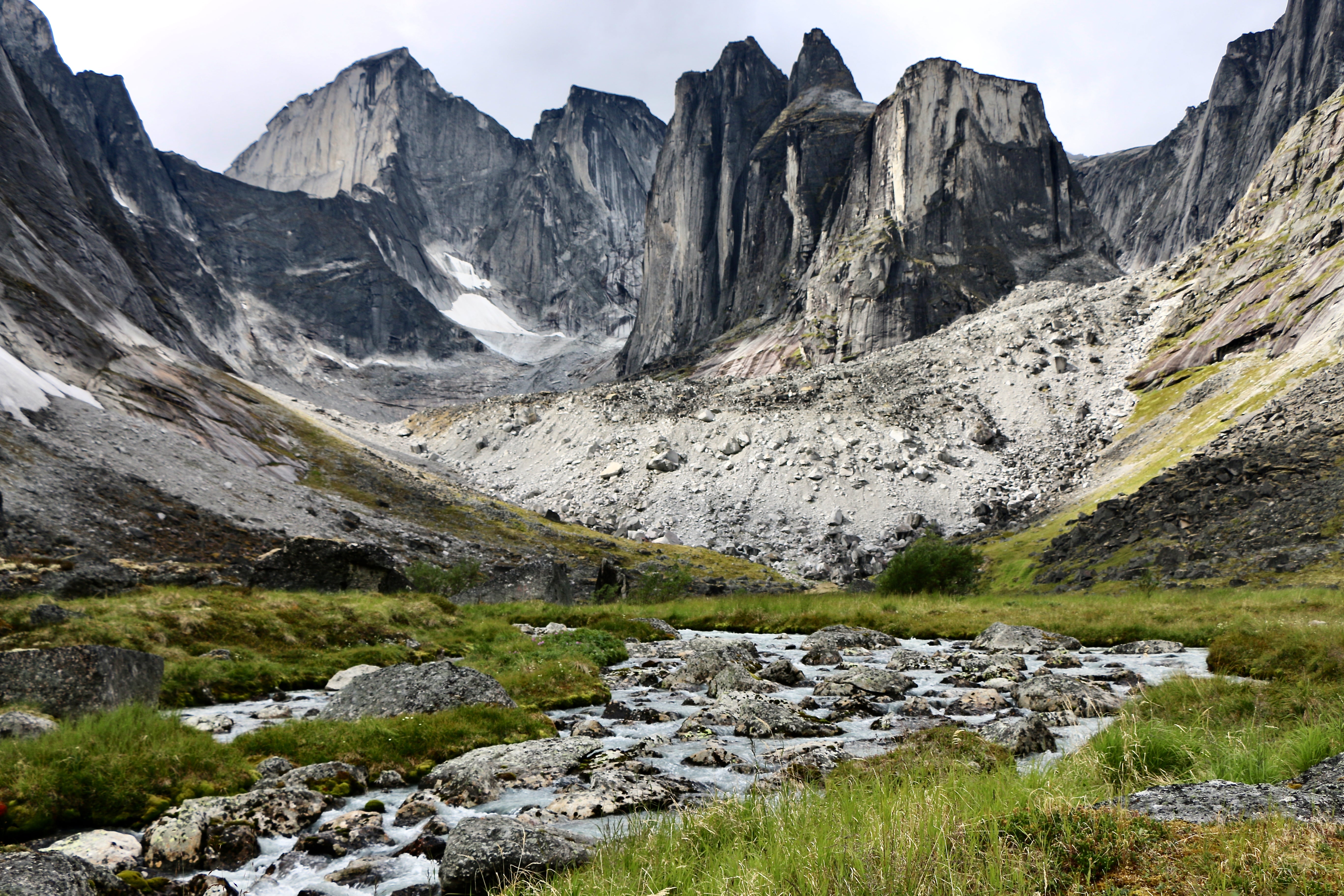
Tucked into Canada's Northwest Territories, accessible only by floatplane or boat, lies a remote valley that Indigenous Dene tradition holds as sacred and dangerous. The area is now protected as Nahanni National Park Reserve, designated in 1976 and named a UNESCO World Heritage Site. But long before it became a park, the valley earned a different name: the Valley of the Headless Men.

In 1905, brothers Willie and Frank McLeod — experienced Métis bushmen — set out on their second expedition into the Nahanni in search of gold, accompanied by a Scottish engineer. None of them returned. Three years later, the McLeods' brother Charlie led a search party and found Willie's and Frank's skeletons at a camp on the riverbank in what is now called Deadmen Valley. Both bodies were headless. The Scottish engineer was never found. The creek nearby came to be known as Headless Creek.

According to historical accounts, the pattern continued. In 1917 (some sources say 1914), Norwegian prospector Martin Jorgensen wrote letters claiming he had struck gold, then went silent. Searchers found his cabin burned to the ground and his headless body in the ashes. In 1928, an outlaw named "Yukon" Fisher was found headless beside the ruins of another burned cabin. In 1932, trapper Phil Powers met the same fate. Other prospectors — Angus Hall in 1929, trappers Joe Mulholland and Bill Epler in 1935 — vanished into the valley without a trace. In 1945, prospector Ernest Savard was found in his sleeping bag with his head severed from his body.

Many modern historians lean toward more conventional explanations, including gold-fueled murders during the Klondike-era prospecting rush, deaths by exposure, freezing or scurvy, or postmortem predation by wolves and bears that can scatter remains and separate skulls from bodies in remote wilderness. But the sheer number of bodies discovered over four decades, the repetition of the burned-cabin pattern and the consistency of the accounts have kept the Nahanni's reputation intact as one of the most genuinely unsettling places in North America.

Sources: Mysteries of Canada, Ancient Origins, Fodor's

If you have information about any of the cases above, you can submit a tip to NamUs.gov or contact the relevant local sheriff's office or National Park Service.