Press
Israeli plan to extend control in Gaza provokes German concern
Images
1 / 7
2 / 7
3 / 7
4 / 7

5 / 7

6 / 7

7 / 7
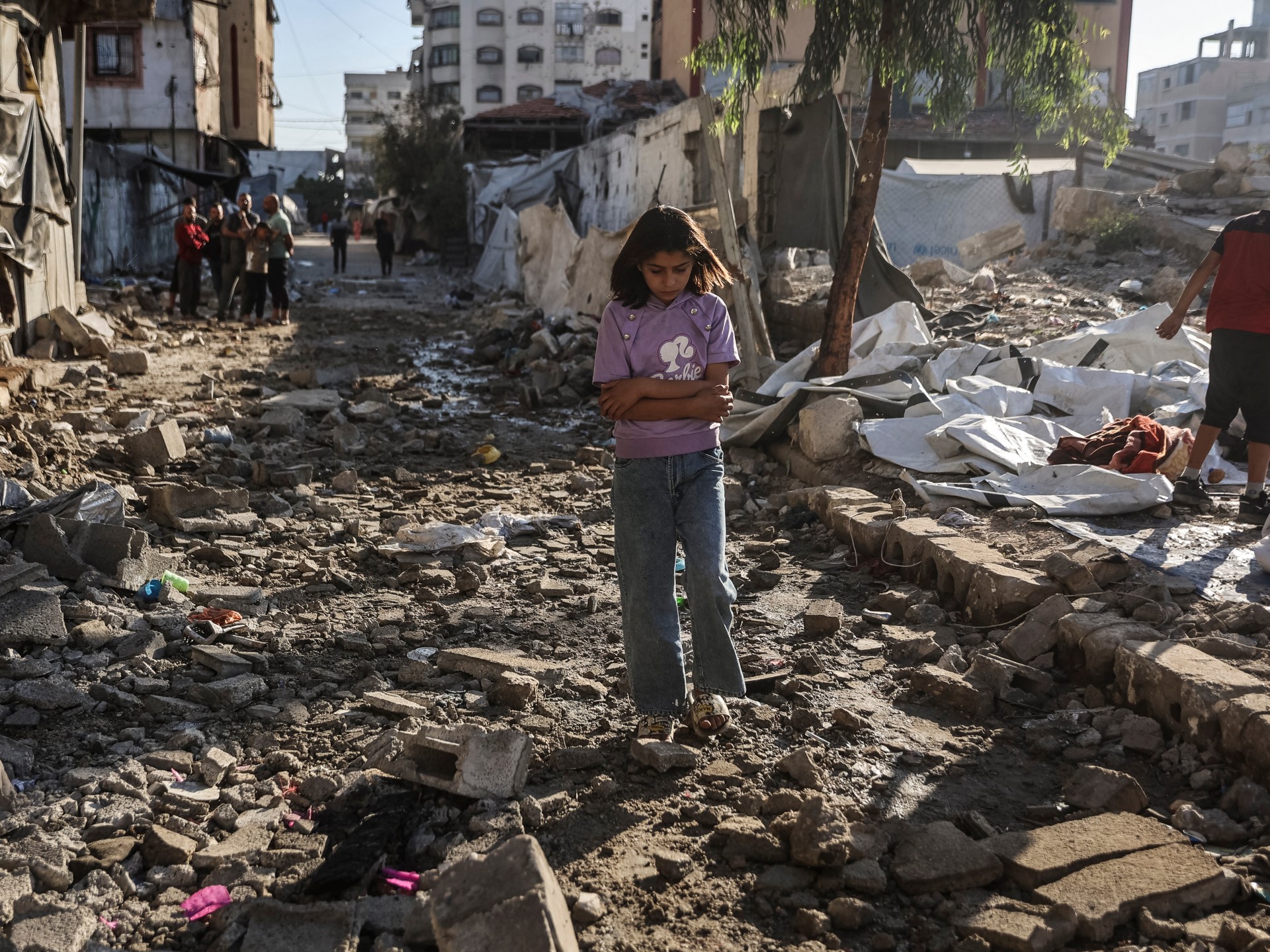
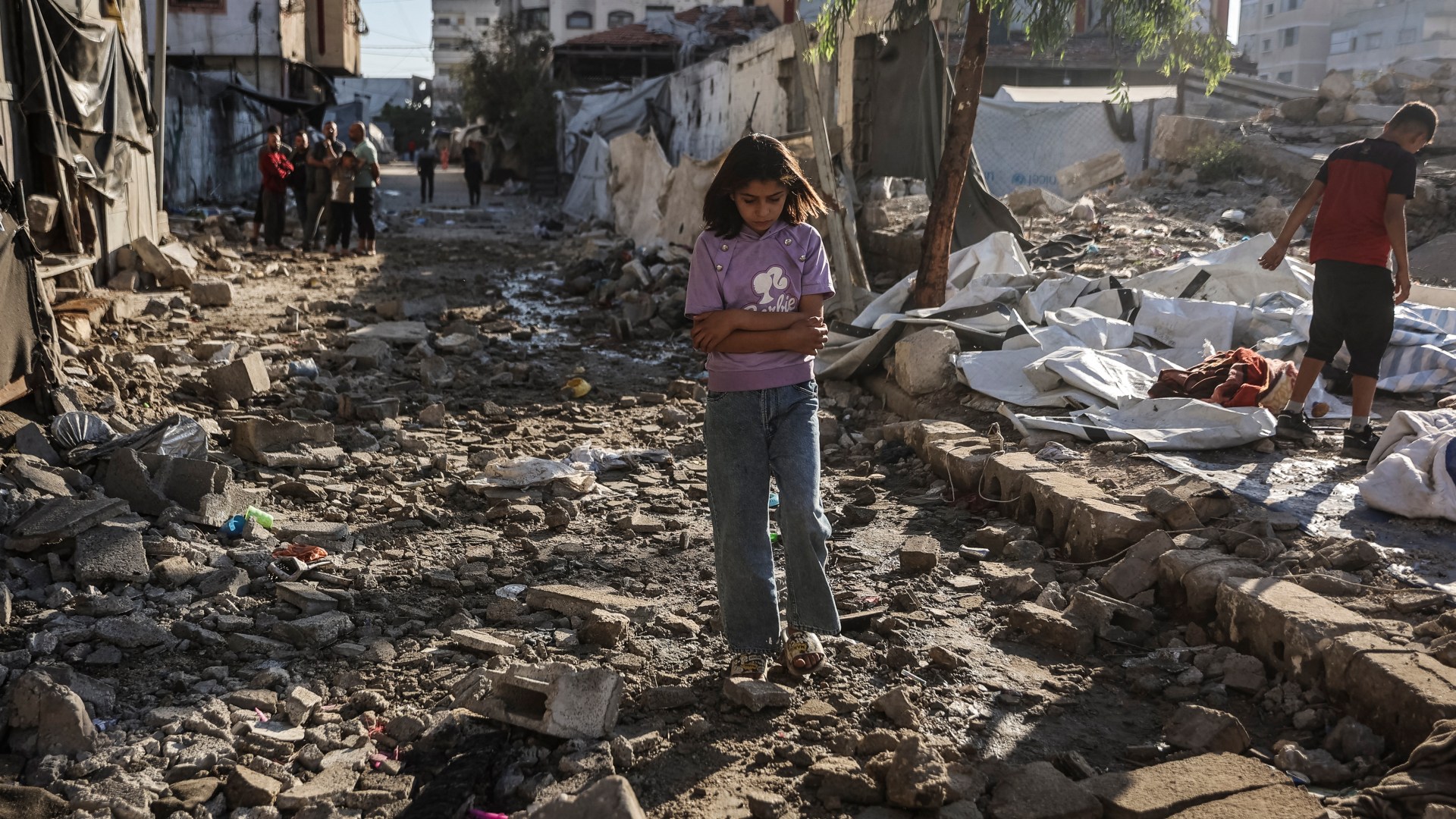
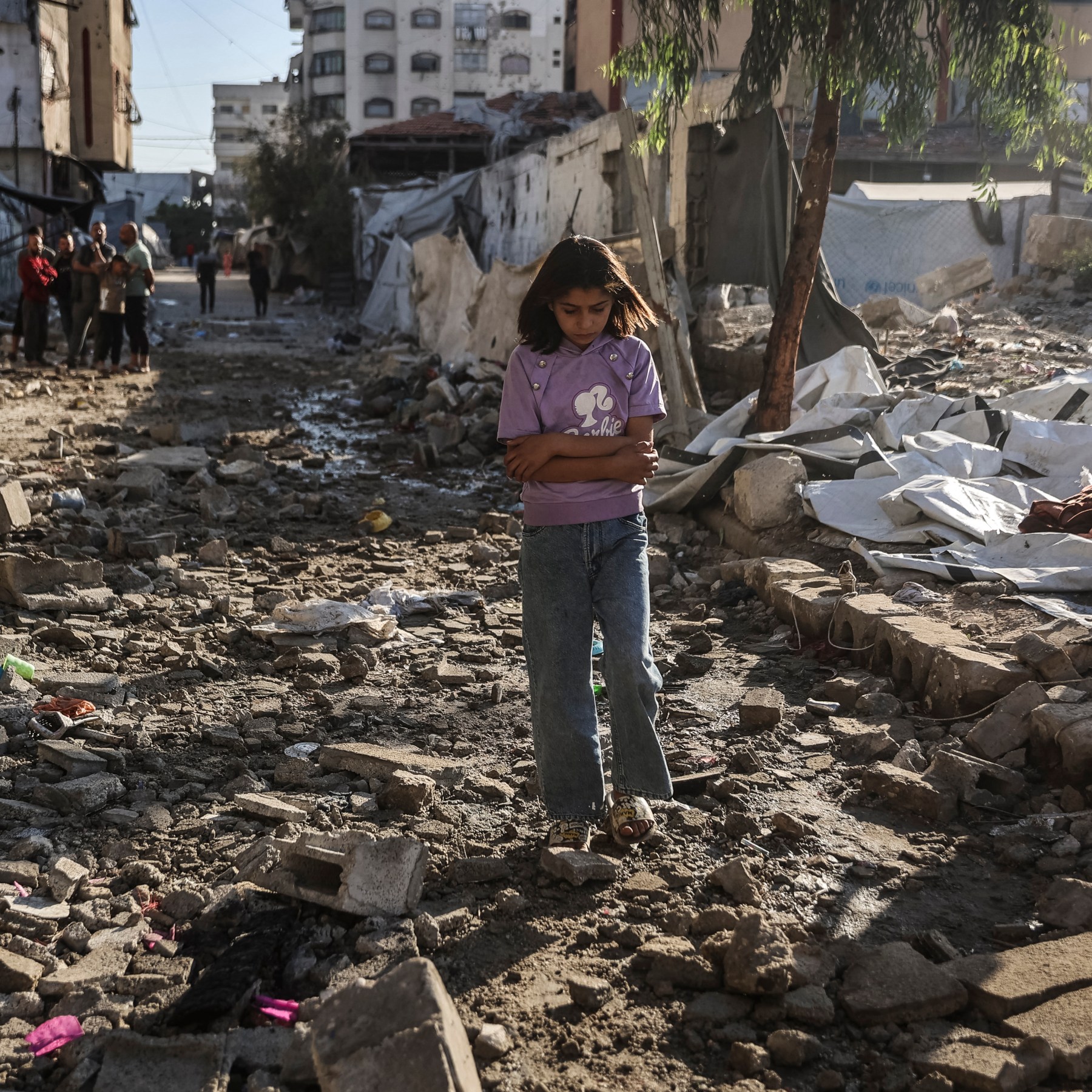
Comments mark a shift in Berlin’s stance towards one of its key allies, of which it has long been a strong supporter. Save Share The German government has expressed concern over Israeli plans to extend its military control of Gaza. A spokesperson for the German Foreign Office said on Friday that Berlin opposes any permanent division of Gaza. The comment came in response to Prime Minister Benjamin Netanyahu’s order to the Israeli military to increase control in the enclave to 70 percent. The expansion of Israeli occupation raises questions over the durability of the nominal “ceasefire” brokered by the United States and regional countries, including Qatar and Turkiye, in October. That deal required the Israeli military to pull back so it controlled about half of Gaza. However, it has steadily expanded control as it continues to fight Hamas, and fears are growing of a return to full-scale war. An expansion of Israeli control would also worsen conditions for Gaza’s 2.3 million people already squeezed into about 35 percent of the small enclave. Germany is one of Israel’s closest allies and its second-largest weapons supplier after the US. However, in recent months Berlin has begun criticising some Israeli actions, including its annexation of more territory in the occupied West Bank, and the implementation of the death penalty solely for Palestinians. Speaking on Thursday, Netanyahu suggested Israel might even seize more than 70 percent of Gaza. “We were at 50, we moved to 60,” Netanyahu said as he explained that he has now ordered the military to increase control to 70 percent. Let’s start with that,” he added. “We’re pressing them [Hamas] from all sides. We’ll deal with the remnants.” Israel agreed to withdraw its troops to behind the ‘Yellow Line’ artificial border as the ceasefire came into effect in October, leaving it occupying about 53 percent of Gaza. The steady expansion of Israeli control since, in violation of the terms of the ceasefire, has raised Palestinian fears that Israel aims to permanently annex large parts of the enclave. Some Israeli officials have suggested they hope to permanently expel Palestinians. Earlier this week, Defence Minister Israel Katz said efforts were underway to encourage “voluntary emigration”. On Friday, Ismail al-Thawabta, head of the Hamas-run Gaza government media office, said “any attempt to impose a new reality of occupation in Gaza is null and illegitimate,” adding that Netanyahu’s statement “represents a dangerous escalation”. Critics argue that the term “voluntary” is a euphemism, following nearly three years of genocide when most of Gaza’s infrastructure has been destroyed, leaving the territory uninhabitable. Gareth Dale from Brunel University told Al Jazeera that Netanyahu’s plans to seize more of Gaza are “an egregious breach of the terms of the ceasefire”, but are driven by his political concerns ahead of parliamentary elections in October. “For the women, men and children of Gaza, already subjected to deliberately inflicted hunger, thirst and disease, on top of continued bombing by the IDF, it represents a renewed round of suffering,” he added. In a report published last month, both the United Nations and European Union said Israel’s war on Gaza has had a “catastrophic impact on human development”. The report estimated that more than $70bn was needed over the next decade for recovery and reconstruction. More than 50 percent of hospitals in the territory are non-functional, while nearly all schools have been destroyed or damaged. On Friday, Israel said it had killed senior Hamas commander Imad Hassan Hussein Aslim and a colleague in a strike in Gaza earlier in the week. Hamas has not commented. At least three Palestinians were also killed in an Israeli attack on the southern Gaza city of Khan Younis, while an Israeli drone strike killed three Palestinians and wounded others in eastern Gaza City.