buzzfeed Press
We Read The Viral Tradwife Thriller "Yesteryear" To See If It's Worth The Hype
Images
1 / 16
2 / 16

3 / 16

4 / 16
5 / 16
6 / 16
7 / 16
8 / 16
9 / 16

10 / 16
11 / 16
12 / 16
13 / 16
14 / 16
15 / 16

16 / 16
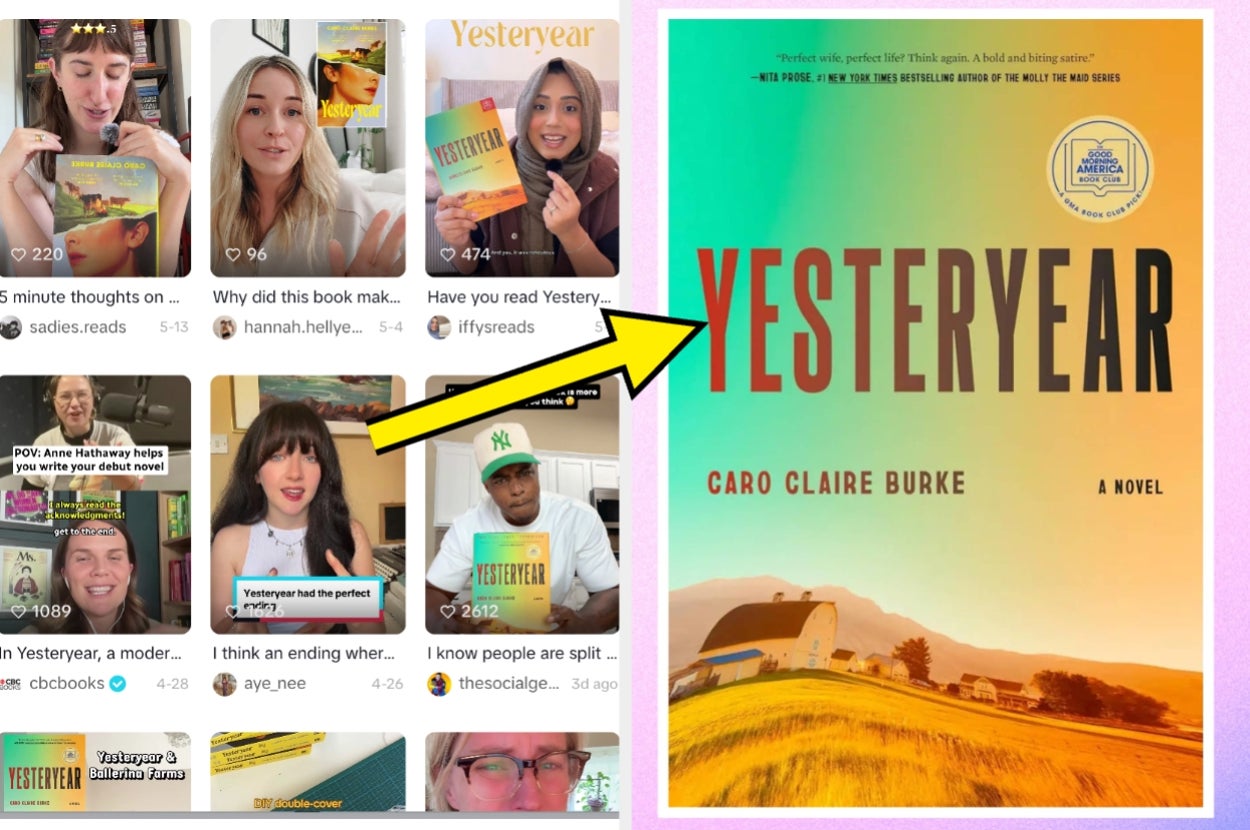
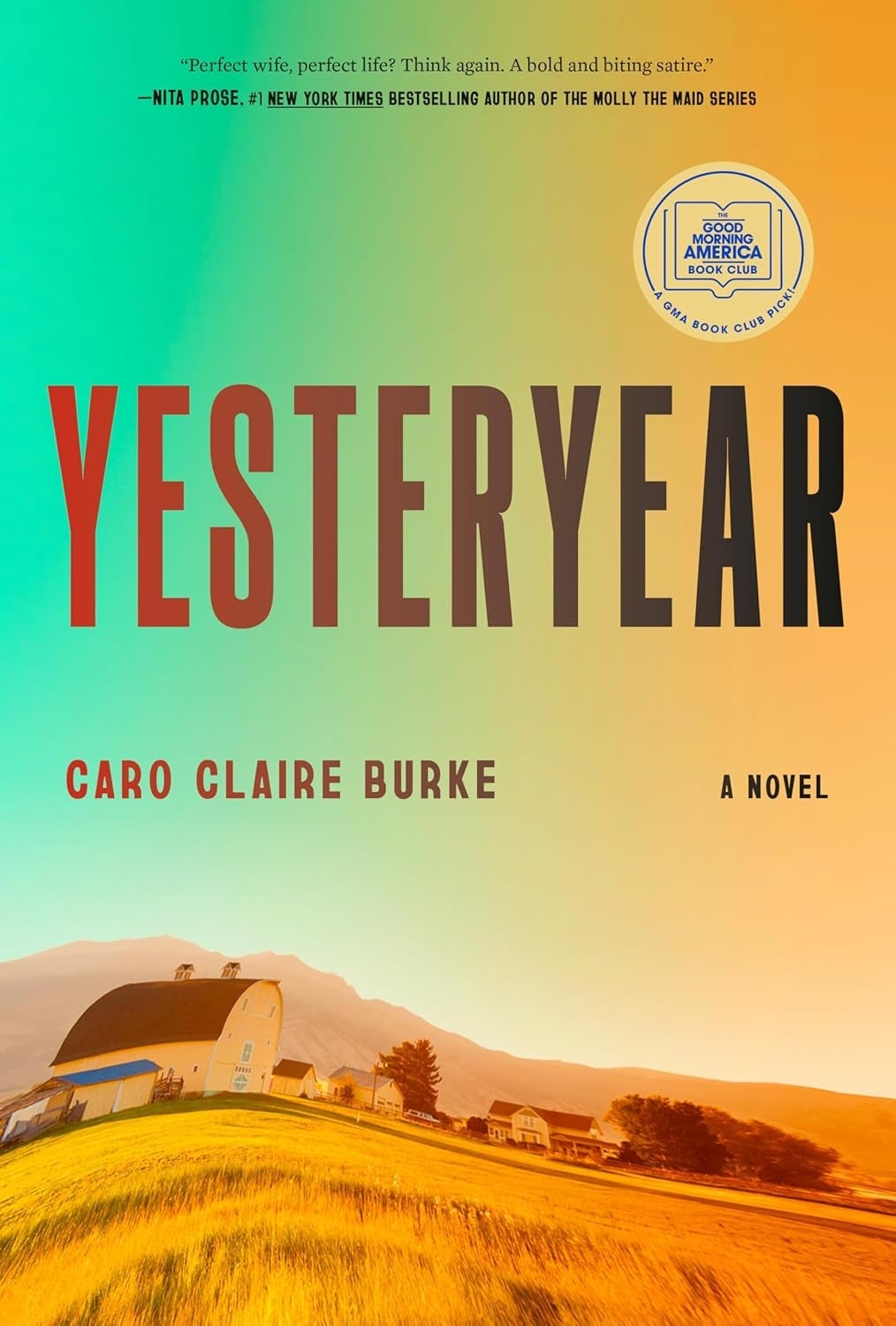
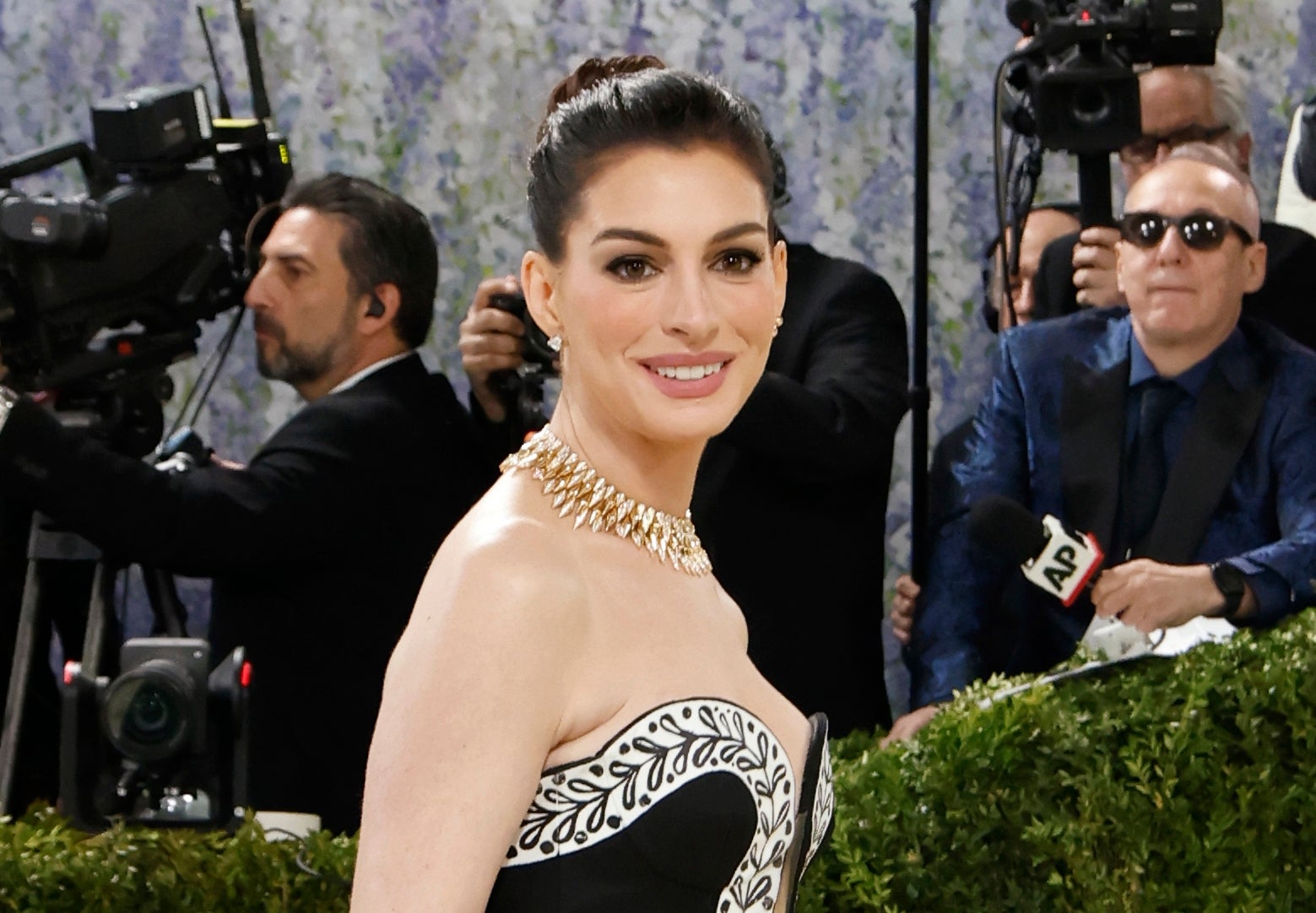
Anne Hathaway is already attached to star in an adaptation of “Yesteryear,” a buzzy tradwife thriller by Caro Claire Burke. So, we decided to read it and see if it’s really worth all the hype.

Note: This post contains minor spoilers for Yesteryear.

Natalie may be smiling on the outside, but on the inside, she's furious with everyone, from her husband to her employees to the random high school acquaintance she bumps into at Target.

She also spends a lot of mental energy on "the Angry Women," her name for the women online who leave critical comments on her content. As a city-dwelling lady with a full-time job and no kids, I'm basically the exact demographic of these "Angry Women," so this device almost made me feel like the story was in dialogue with me personally. As much as I dislike Natalie, she dislikes me right back.

Even though I disagree with Natalie about basically everything, I imagine I would also be really angry if I were in her shoes, so this aspect of her character made her more relatable to me than I had expected.

Yesteryear is obviously a critique of tradwife content and culture, so it makes sense that the author doesn't ask readers to feel sorry for Natalie, but it does ask you to try to understand her.

She was brave enough to leave that small, close-minded environment and go out into the world, but at the slightest sign of opposition, she buried her head under the covers and spent all her time in an online information silo.

She thinks she's so much better than Caleb, but her mistakes mirror some of his own. Neither of them is willing to challenge a single belief they hold, whether it's about religion, society, other people, or themselves.

And oof, the internet certainly didn't help her social skills. Looking at other people's highlight reels on Instagram and reading anonymous forum rants are both equally bad ways to understand and connect and be human.

It made me think about how the internet was sold to us as a way to connect with people all around the world, but it's kinda turned into a funhouse mirror maze made out of echo chambers and bullshit. Natalie is a creature of this internet, and it's the distorted lens she sees reality through.

Instead of offering Abigail any sympathy or care, Natalie immediately starts ranting at her about how hard her life as a single mom will be. As I read this, I was like, "Hmm, Natalie, who are you really yelling at here? Your sister or yourself?"

It's easier and "safer" to dig her heels into the ground and declare that everyone else is wrong. Learning to be compassionate is hard. Learning to be open-minded is hard. Admitting that you were wrong is hard. But these are the things that help us grow into better, kinder people. Because Natalie's not willing to make these changes, she becomes a meaner, nastier, worse person as she gets older.

Her relationship with her sister was interesting because they had opposite character arcs. At the beginning, Natalie is the brave one who leaves home for college before descending deeper into her extremely conservative beliefs and making herself miserable. Abigail, on the other hand, starts out as a young, married woman trying to be the "perfect Christian wife," then she bravely divorces her good-for-nothing husband, allows herself to change, and finds real happiness. I think Natalie was secretly jealous of her sister's courage the same way Abigail used to envy hers.

Her relationship with her daughters broke my heart. She doesn't want to be a mom; she just feels like she's supposed to be one. She's perfectly content to let Mary be everyone's servant. She starts to love Maeve, but even then, she only likes the "good" parts of being a mom, like when they were sewing hats for the chickens together. When Maeve is sick, she uses it as an excuse to make her escape, not caring enough to plan to come back for her.

But, of course, friendship requires vulnerability and compassion and other traits that are not in Natalie's wheelhouse, so it's not surprising that she never managed to pull it off.

That's so interesting what you said about her arc compared to her sister. I similarly picked up on her relationship to Reena. Even though they only knew each other for a very short time, Natalie thought about Reena a lot — lurking on her social media and comparing their life milestones. Reena was sort of like a mental punching bag for Natalie, and she used her assumptions about Reena's life to justify continuing on a path that she didn't seem to want to be on.

I also couldn't stop thinking about the encounter she has in the first section with an old classmate at Target. She's so paranoid and convinced that this woman is flipping her off behind her back that she has a full adult tantrum. It's like she can't imagine a universe where her interactions with other women aren't deeply adversarial.

I would have loved to hear more about what happened to Natalie's kids and about Caleb and his family. I almost wish there was more of a perspective shift at the end so that we could see more of the situation without it being filtered through Natalie's unreliable POV. But overall, I think where Natalie ended up made sense.

Also, I kept hoping for her to change or for her to finally be forced to challenge her harmful worldview, but she doesn't even get the chance.

And maybe covering politics in this day and age has made me too cynical, but I must confess it never even occurred to me to hope for Natalie to change! She seemed so dug in to me, and I couldn't really picture her evolving.

I'm also extremelyyyyy curious to see how the reported Anne Hathaway adaptation will handle certain elements of the book!