buzzfeed Press
"Someone’s Employer Is Going To Be mad": These 51 Found Objects Would Have Remained Mysteries Forever, If Not For The Internet
Images
1 / 20
2 / 20

3 / 20
4 / 20

5 / 20
6 / 20
7 / 20
8 / 20
9 / 20
10 / 20
11 / 20
12 / 20
13 / 20
14 / 20
15 / 20
16 / 20
17 / 20
18 / 20
19 / 20
20 / 20
The dentist’s “mouth gag” is a thing I did not need to know existed.

As a Resident Writer here at BuzzFeed, I cover topics like politics, weird history, tech, trending viral stories, and other various corners of the internet.

"Beggiatoa alba certainly seems to fit the bill."

"It’s a part of the vintage Singer tucking foot. See if you have the other part. It’s an excellent attachment that not only makes perfect tucks, but also marks the location of the next one. I adore mine!"

The original poster, u/Affectionate-Echo-40, then replied, "Thank you. It's a mounting block."

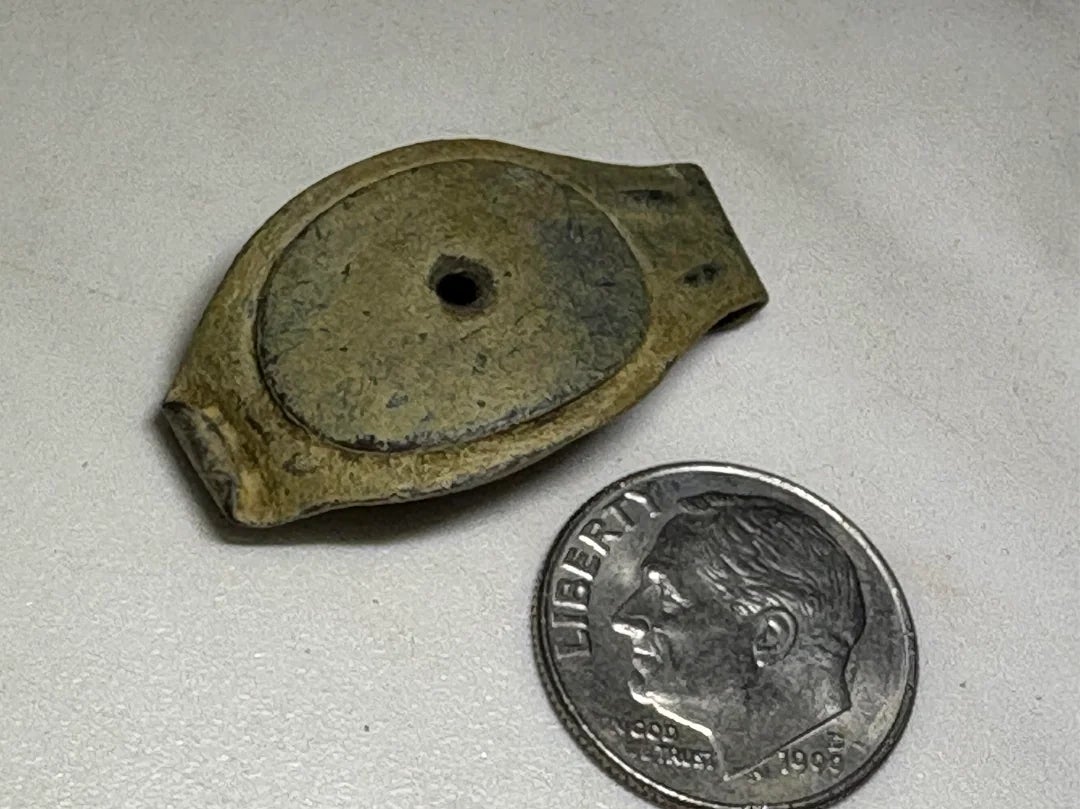
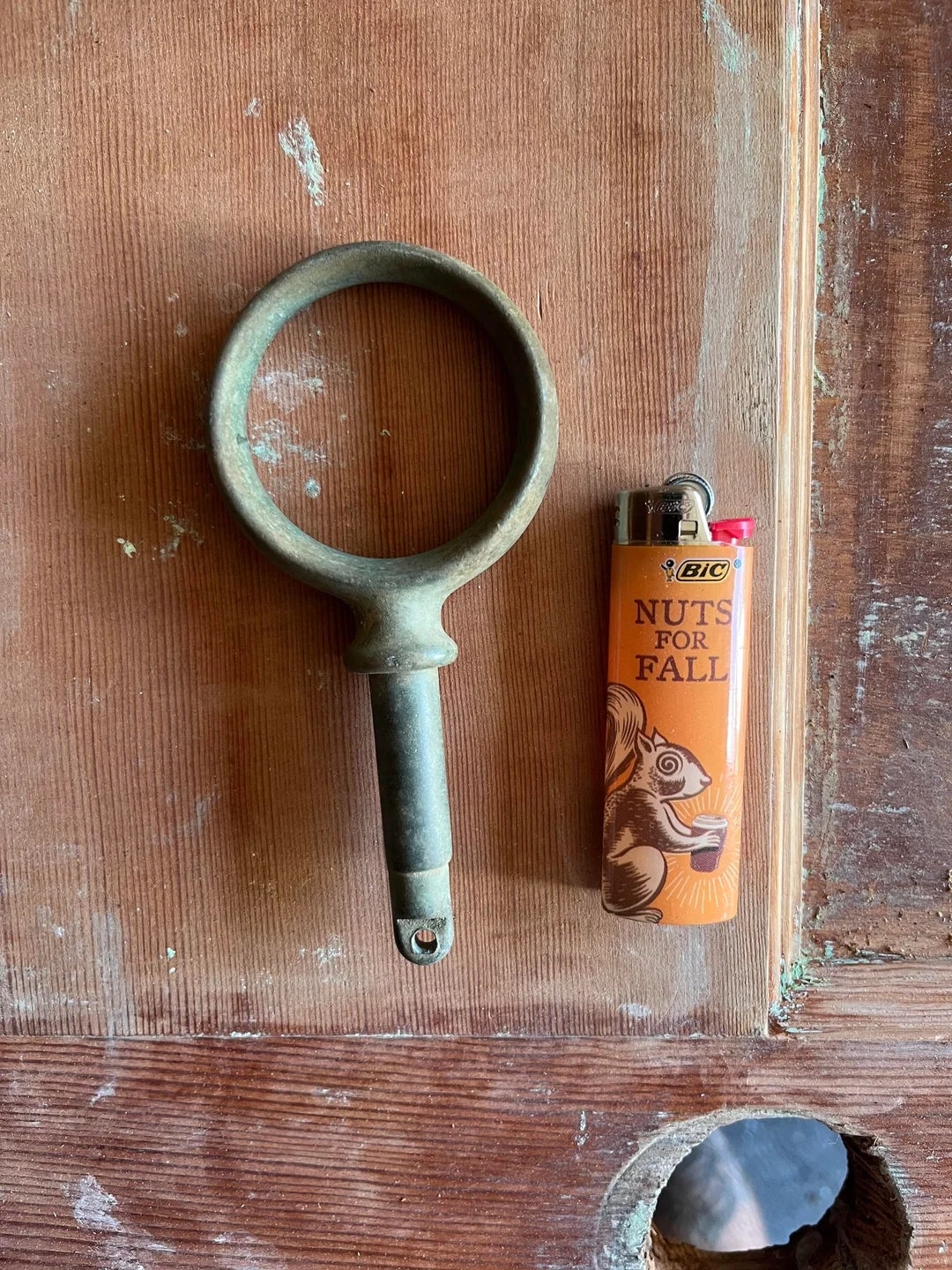
"It looks like it could be a cap for something. The raised portion would go in the container, the bent end could have been a hinge, and the larger hole could have held some sort of seal."

The original poster, u/BoxesOfGridSquares, replied, "Dang, you guys are good! Turns out it's specifically for a Justrite mining lamp, circa 1913. Thanks!!"

"Looks like a tapered mill spool billy club. It was used in textile manufacturing, particularly in thread or yarn production. It's a heavy-duty spool that could hold a significant amount of thread or yarn. The name comes from its resemblance to a police billy club — long, cylindrical, and rounded at one end."

"Oxinium [zirconium alloy] femoral head."

"Zirconia femoral heads are a type of ceramic ball used in total hip replacement. They offer several advantages over other materials, including improved wear resistance and higher hardness. However, there have been reports of fractures, particularly with certain manufacturing processes."

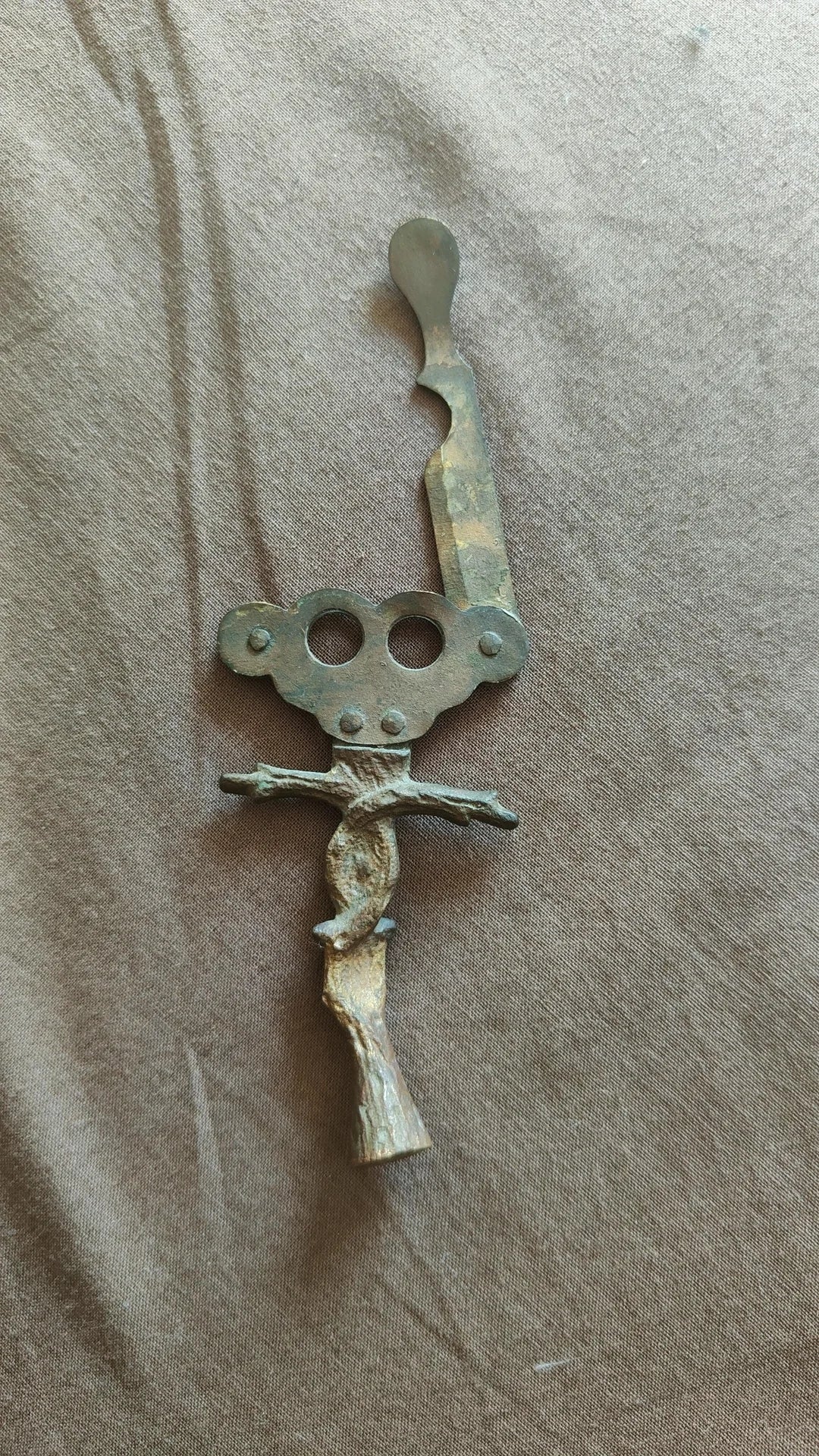
"Cigar cutter indeed. More of a 'tobacco cutter,' really, as they are also used for cutting 'rope' or 'twist-style' pipe tobacco that was very common in the mid-1900s and older. It was usually sliced into smaller bits before loading into your pipe. With this, you could put both ends of the rope in at once and slice more at a time. Very useful for a busy tobacconist when someone wants 2oz cut up for use.

Also, if used more for cigars, brass will dull a lot faster than steel, so as one hole gets dull, you could use the other one before having to sharpen it. An old-world tobacco shop I worked at had one a lot like this."

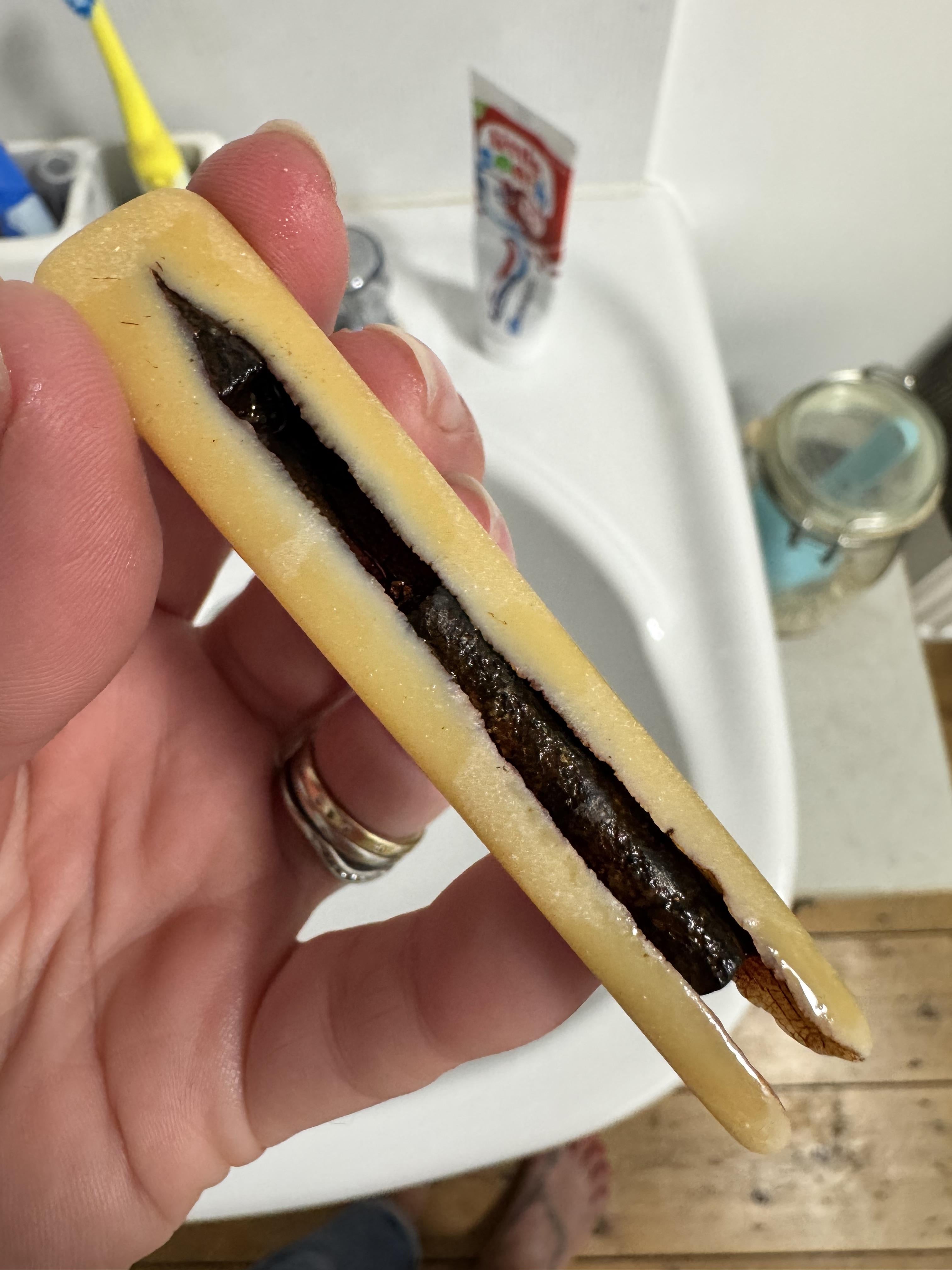
"It's what's left of a faux bone handle knife or other utensil. The blade has rusted away, and the plastic has been worn down, exposing the cylindrical tang that held the blade in the handle."

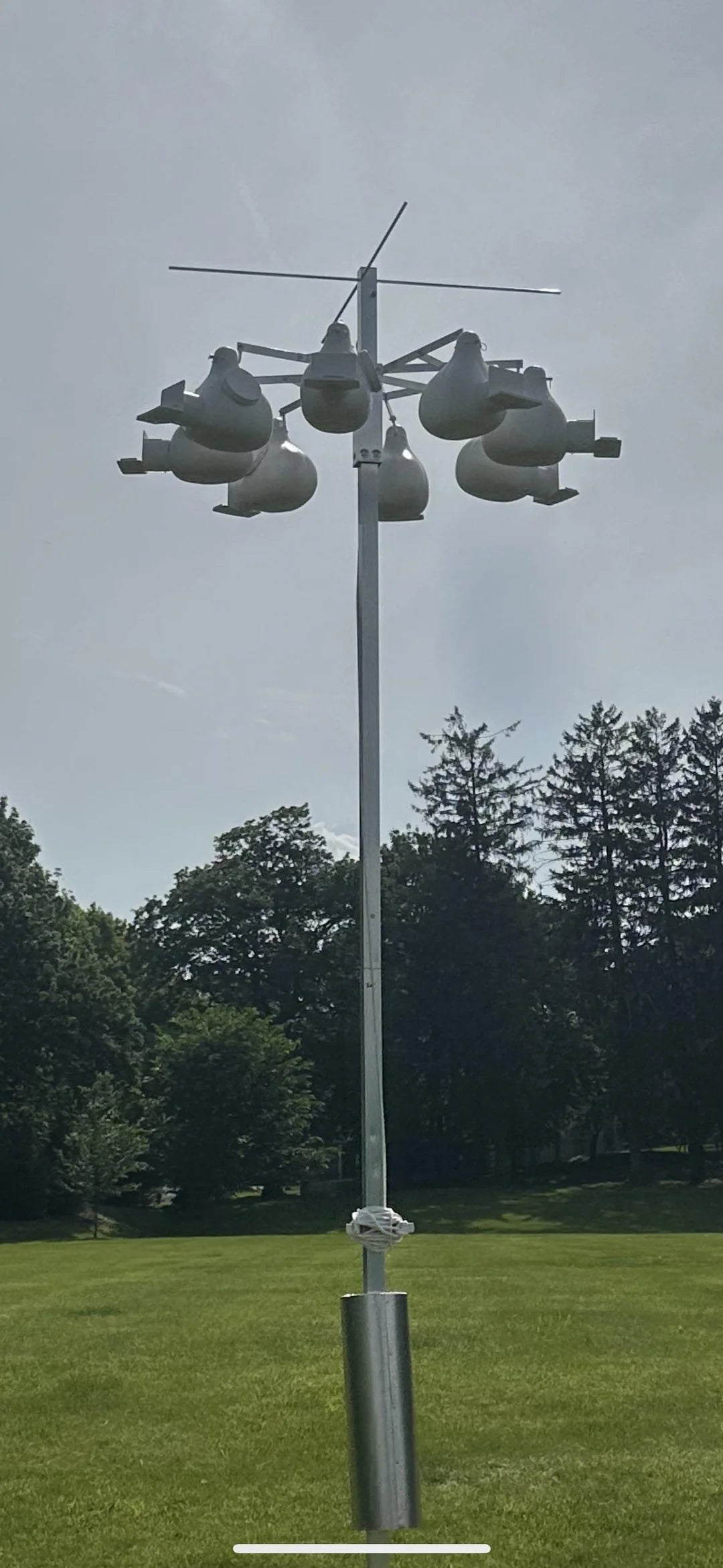
"Fascinating birds. They are native to North America, but in the Eastern United States, they are largely dependent on humans for shelter. They nest on cliffs in the Southwest. Native Americans began the tradition of hanging gourds for them, presumably because they prey on insects that damage crops, and enough people have carried on the tradition that they are still widespread."

"It's a streetlight with the most untidy wiring I've ever seen. Seems to be missing a relay from the socket on the left. I think it may at one time have had solar charging and a battery to allow it to charge during the day, and turn on automatically at night."

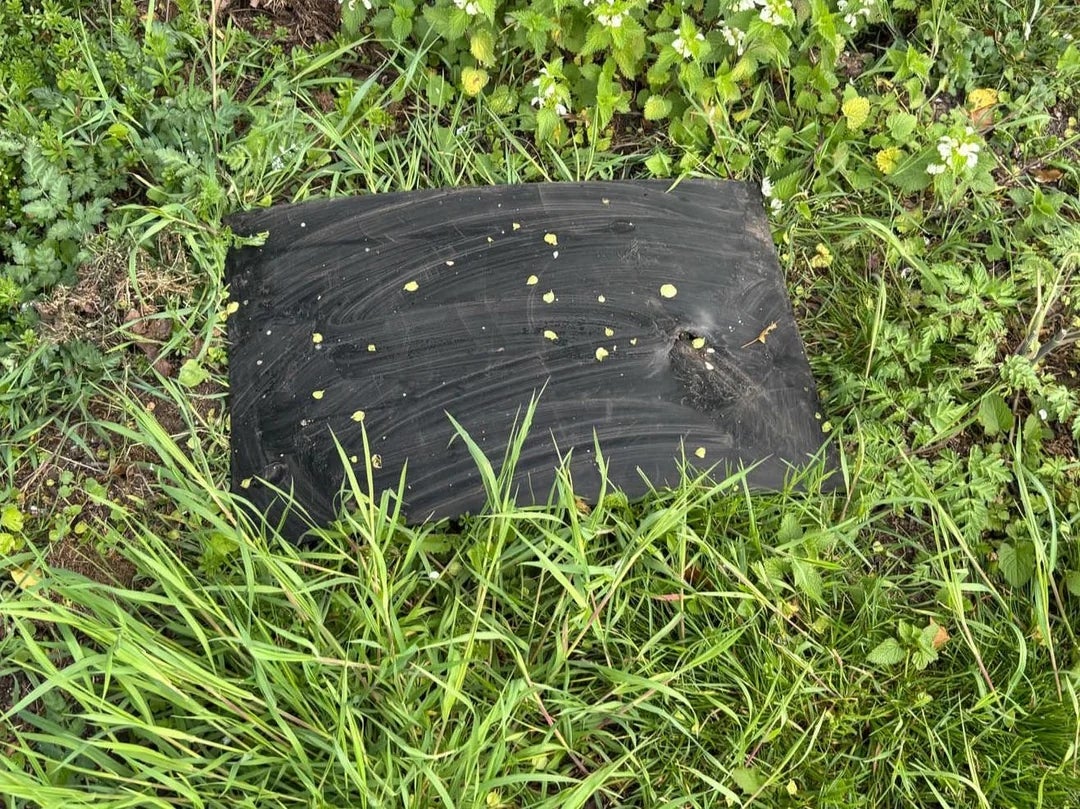
When asked how it worked, u/George_Salt replied, "They tend to shelter under them and warm up in the heat soaked up by the black plastic. If you lift one gently on a warm morning, you've got a chance of finding slow worms, or perhaps a lizard or grass snake, depending on the local habitats."

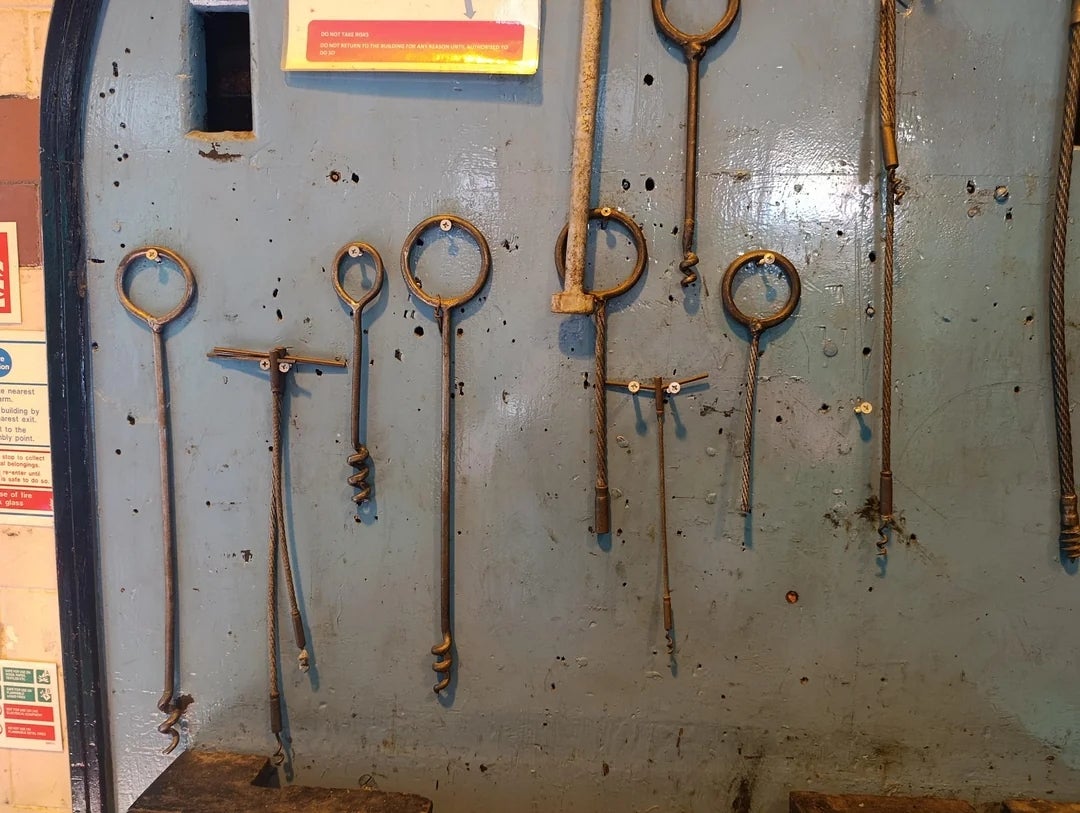
"Gland packing removers. Moving or rotating shafts on steam engines, etc, are sealed using a Stuffing Box. Rope or fiber is compressed into a stuffing box by a gland nut. When it leaks, the stuffing is further compressed. Eventually, the stuffing wears out and has to be replaced, but as it's been tightly compressed, it needs a special tool to remove it."

"The star is part of the building, and a rod runs between the two walls. The other thing is a metal insulator bracket. That bracket is made to hold three insulators (glass or porcelain), but there are only two. The insulators and brackets allow power to attach to the house without grounding.

The bracket can bear the weight of the power lines coming from the pole. Those insulators appear to be porcelain, and they are an appropriate size for a house. In your second photo, you can see the current cable line with the low-voltage version of an insulator and bracket."

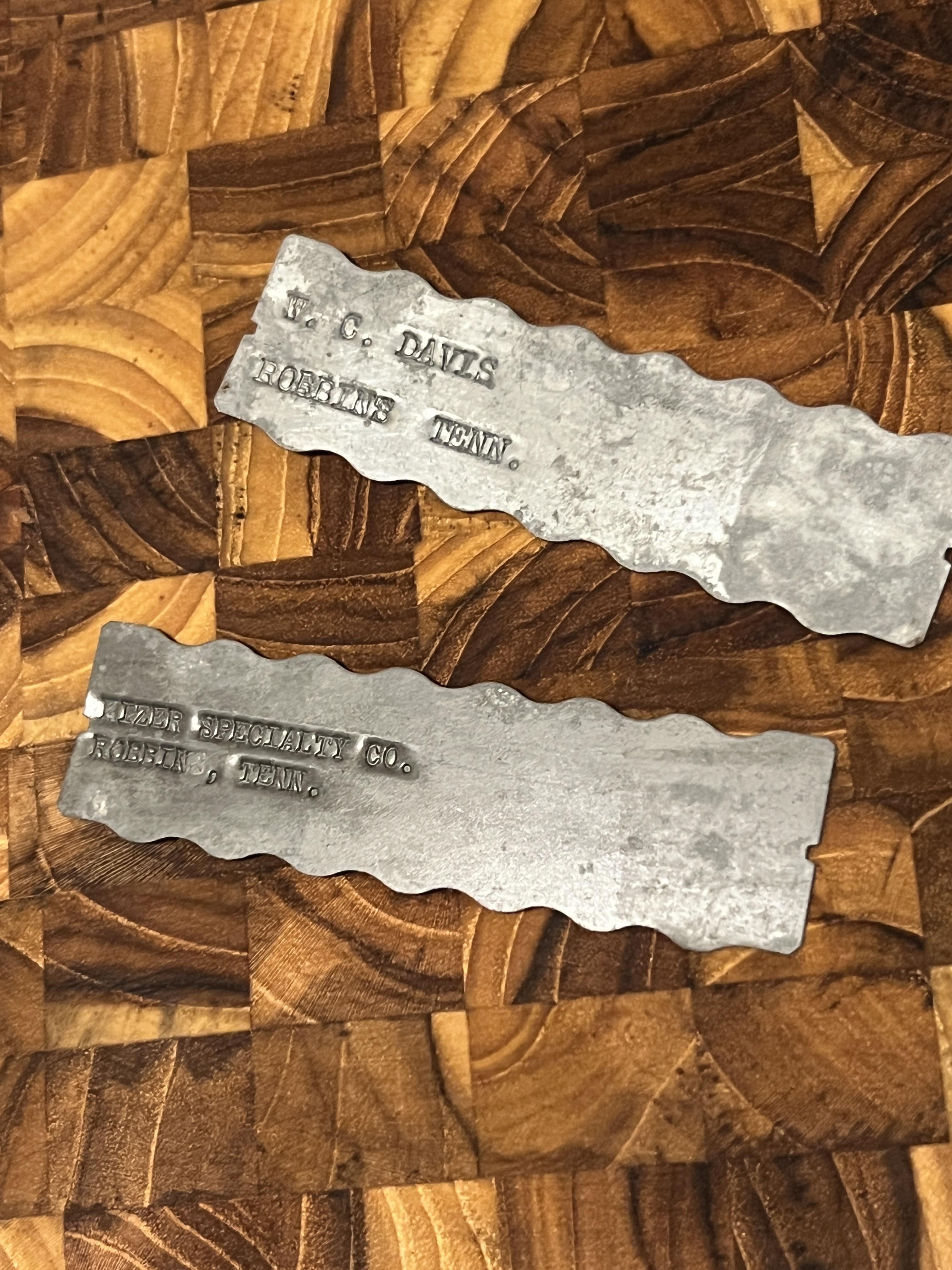
"I'm pretty sure these are address stamps. Before computer printers, if you were regularly mailing out a small publication, addressing hundreds of envelopes was a time-consuming chore. Machines existed that would load up a stack of plates like this, and a stack of envelopes, and print each address on one envelope. Such a machine turned up in a recent post here."

"I used a set of these machines in the 1970s, when I had a summer job as a janitor for a farmers' association. There was one machine for making the metal plates. Then you would put the plate in a holder. You could add colored riders to the holder to signify special properties for the plate. Then you would put the holder into a long metal box with other holders, with a set of boxes forming the address register.

Then there was a big, clunky machine which you used to stamp the address onto magazines and envelopes for sending out information to the members. We had about 3000 members, and it was a three-day job putting addresses on the monthly magazine for mailing. You would load one box of holders at a time into the machine, and you had a pedal that would activate the electric mechanism that would load one holder, make the print, and spit it out in the output box. There was also a small machine for making single imprints."

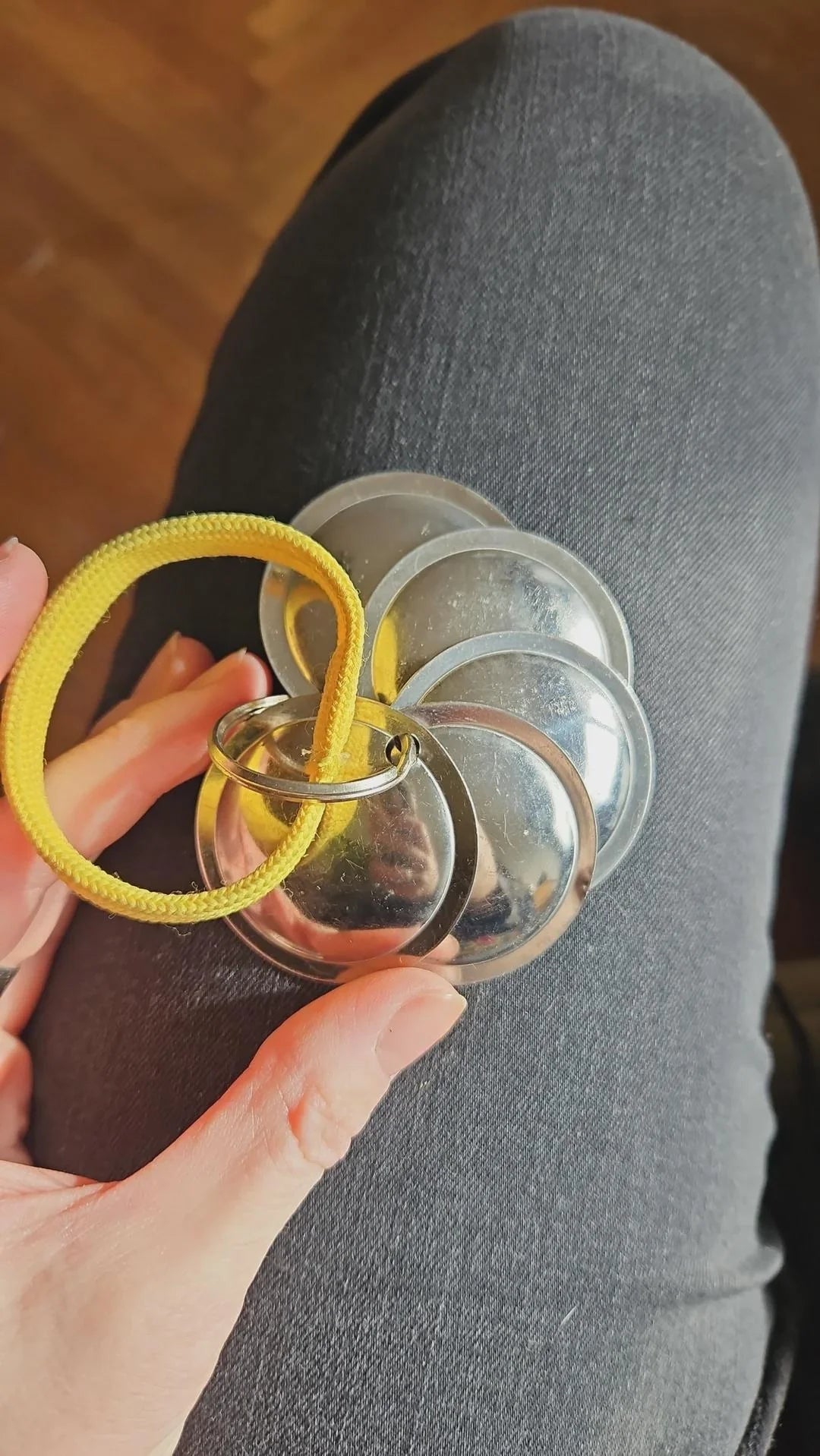
"This is for training dogs. If my dog does something unwanted, like picking up food or something from the floor, I drop this beside him. It jangles a bit, and that startles them. I sometimes use my keys to get the same effect when I forget that thingy (I don't even know its name). You just have to use it in the exact moment. I don't have to use them properly most of the time, though. A little rattle in my pocket brings him to heel by now."

"It’s an old acoustic training device for dogs."

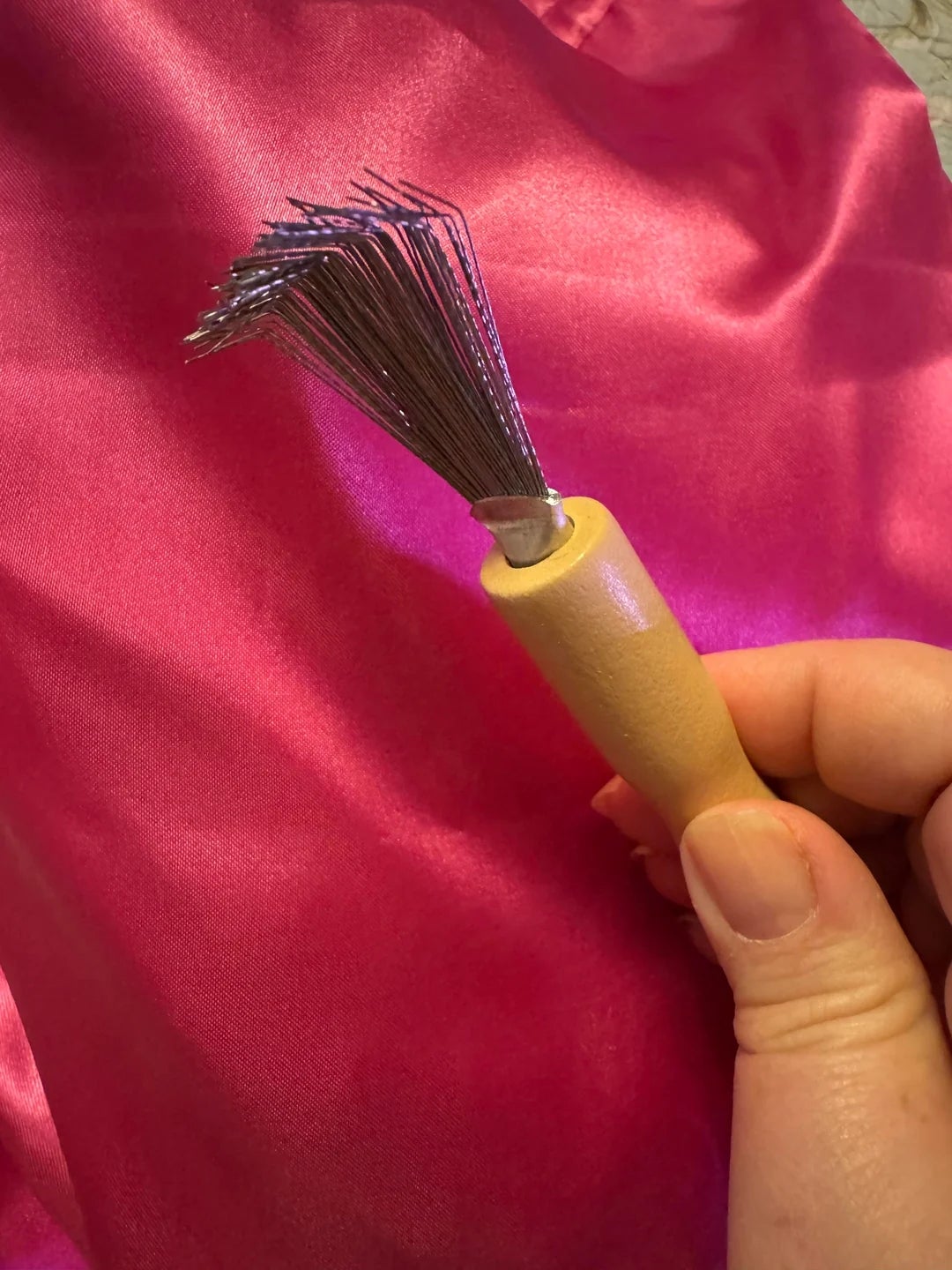
"A hairbrush cleaner. Here's an example."

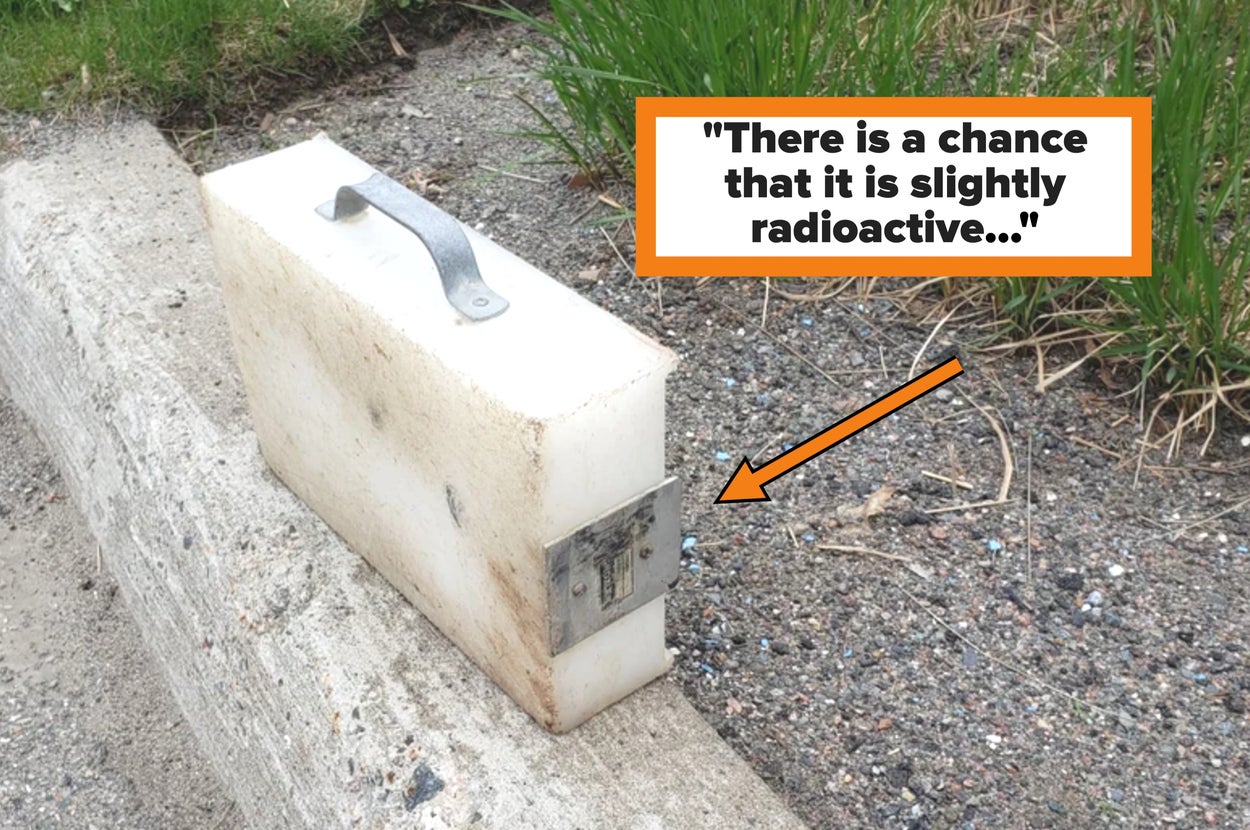
"So that is actually a very specific block for a nuclear gauge. The nuclear gauge tests the density of material that has been compacted like subgrade (the 6” layer below sidewalk concrete of good material). You set up the nuclear gauge on this block once a shift to make sure it is calibrated."

"Exactly this. It’s called a standard block. A block of known density to calibrate a machine used for testing the compaction level of soils. One common machine is branded Troxler.

Also, to add, someone’s employer is going to be fucking pissed. This is a rookie mistake. P.S. — There is a chance that it is slightly radioactive because it’s used under a nuclear gauge that has a small isotope in it."

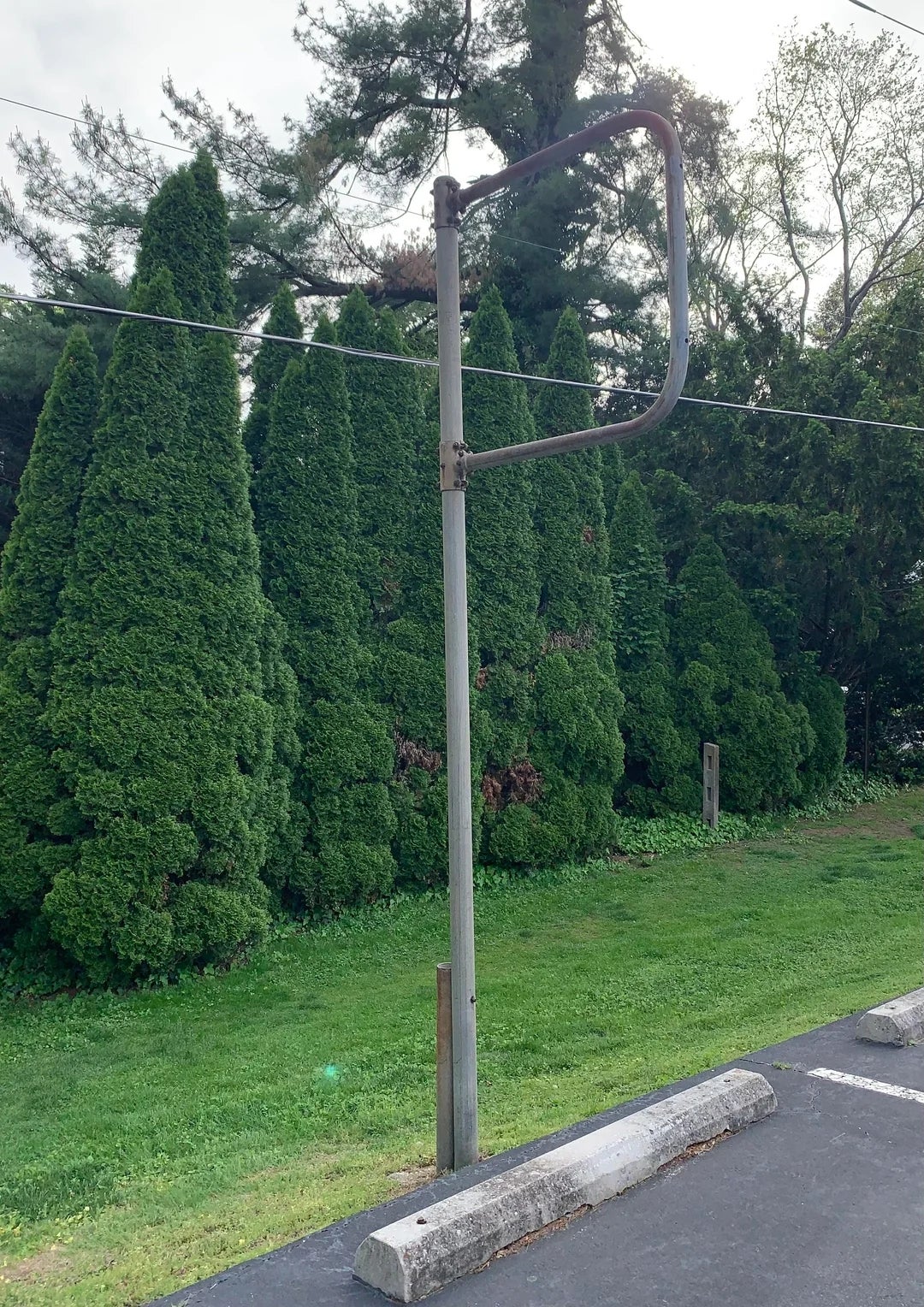
"Basketball hoop...pole. It's P-shaped so the hoop will hang over the pavement."

"It's for plant bulbs like those shown here."

"Holy crap, that's a prop of Gehn's dart gun from the game Riven! Where on Earth did you get it? It's hard to get a good look, but you can see him using it here. (Warning: major plot spoilers in the linked clip!) You can get a much better look at it in some static renders in-game, if you can reach the place it's stored before he goes there to collect it."

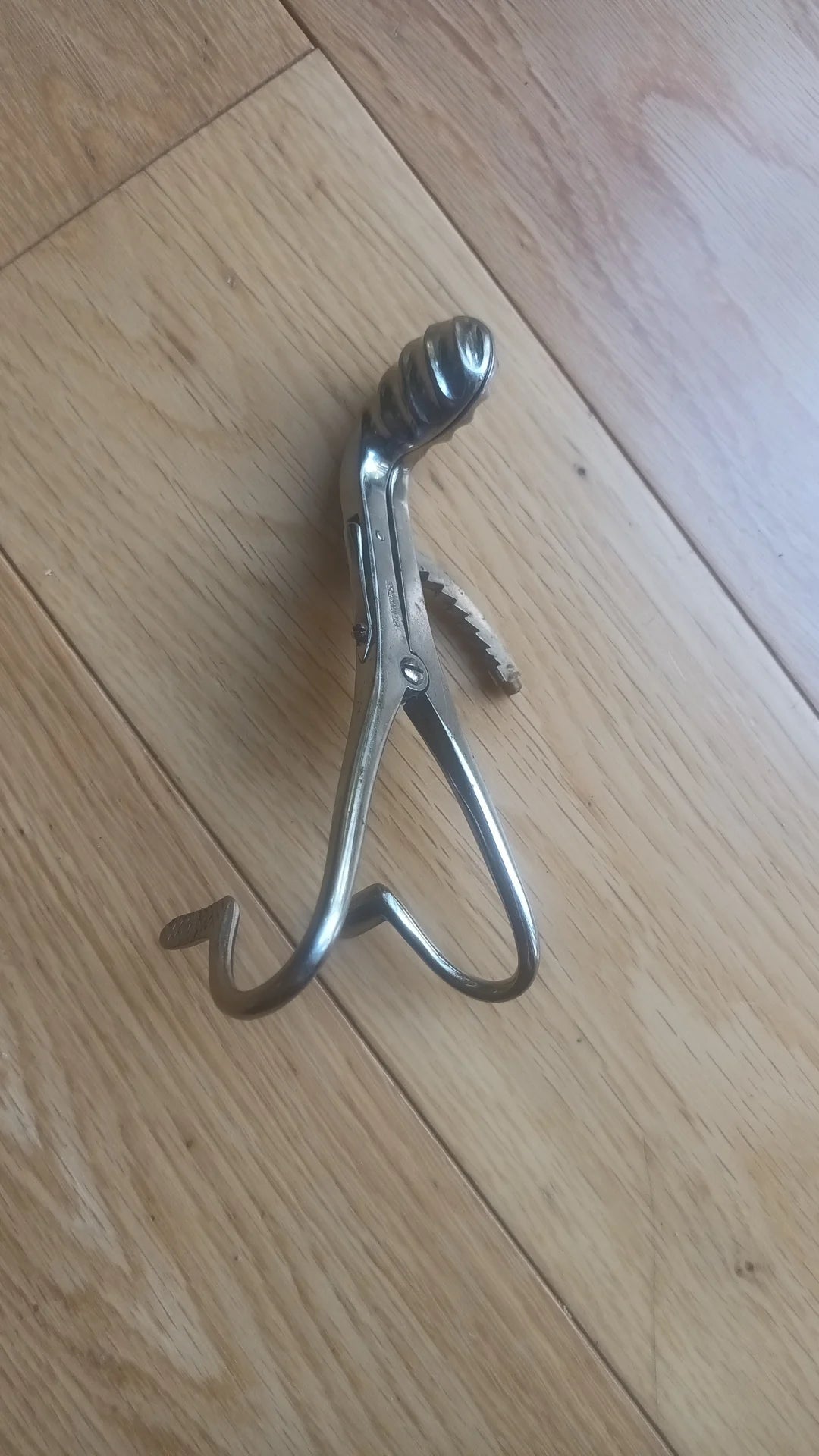
"Old-school mouth gag, for dentistry. The grooves 'catch' the lips to pull them back."

"Looks like Testor's model paint bottles."

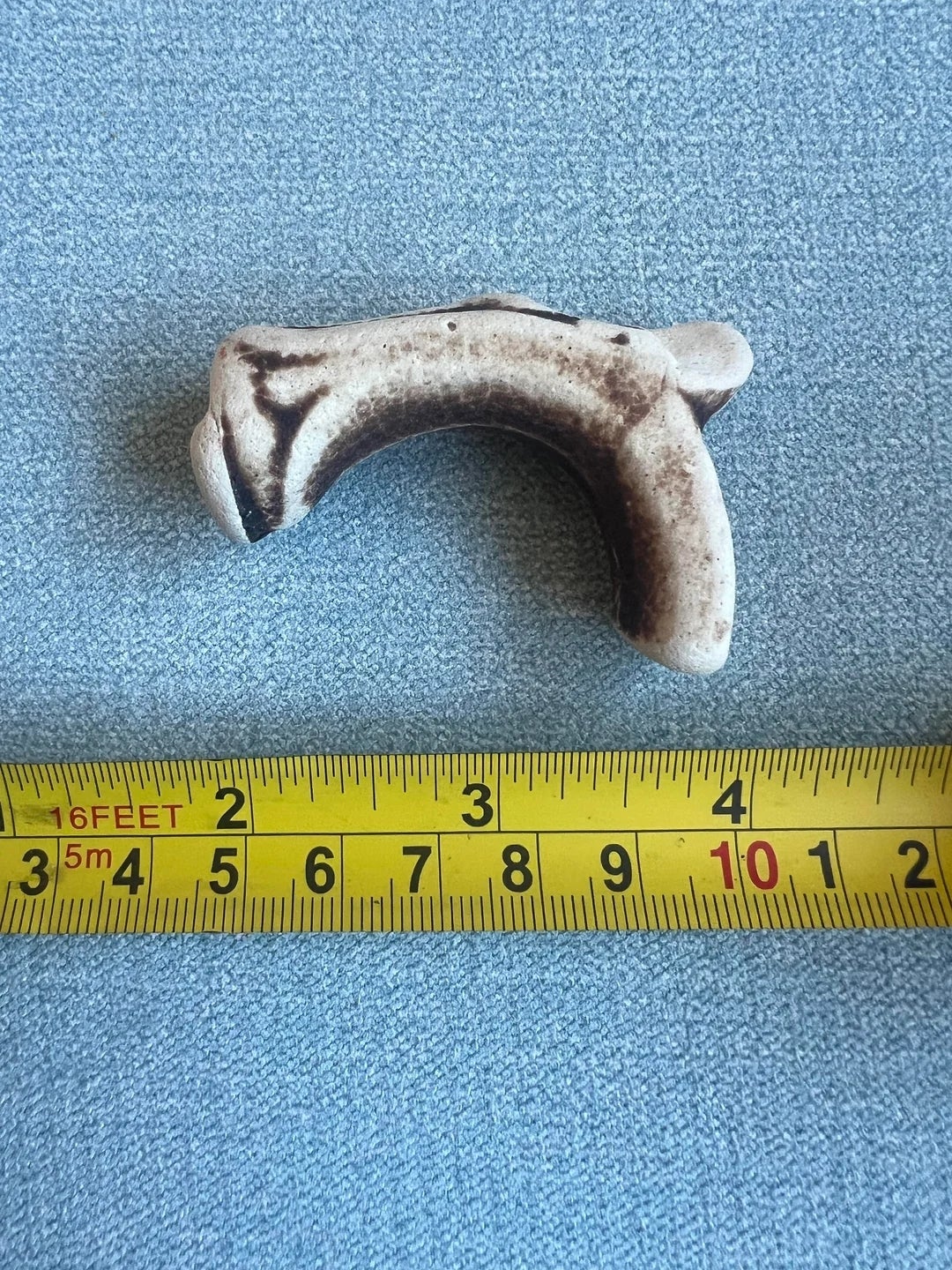
"Based on the shape, color of the paste (the ceramic body) and the glaze, it’s a handle of a ceramic teacup or teapot, probably 19th century, similar to this Rockingham teapot. Being in the water has eroded the ceramic and glaze a bit, softening the shape and destroying the details."

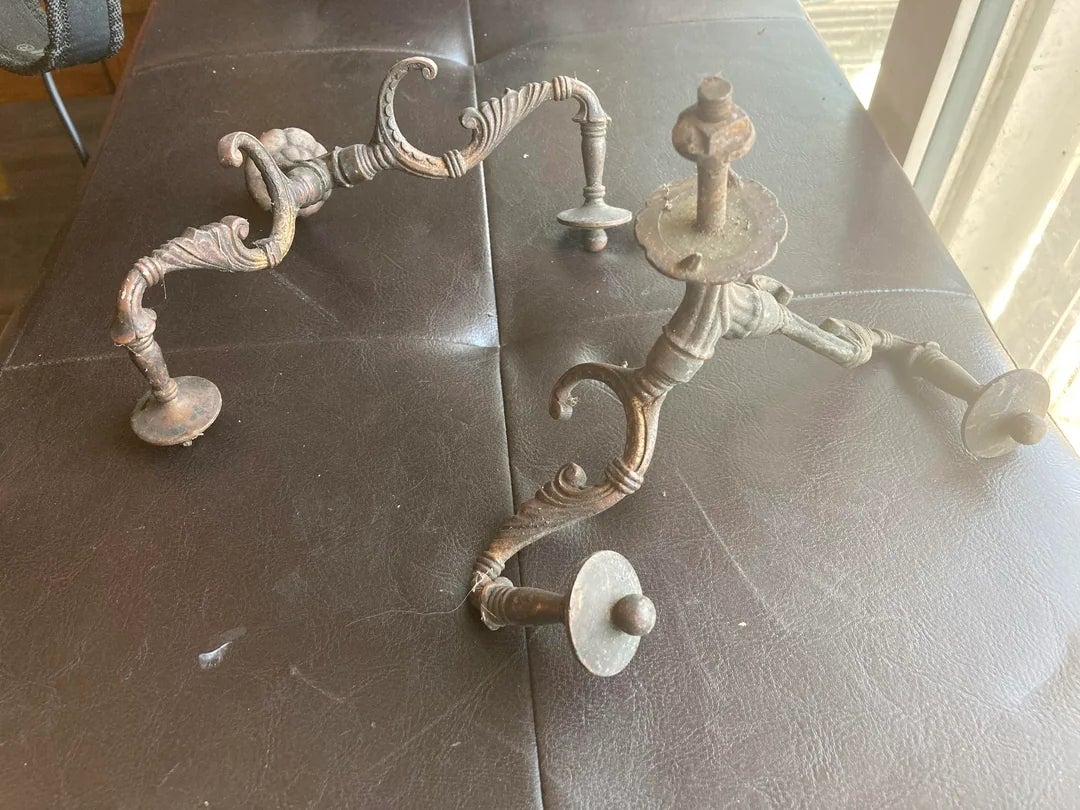
"Hat/coat racks. To be clearer, they used hooks like this on old hall trees like this one."

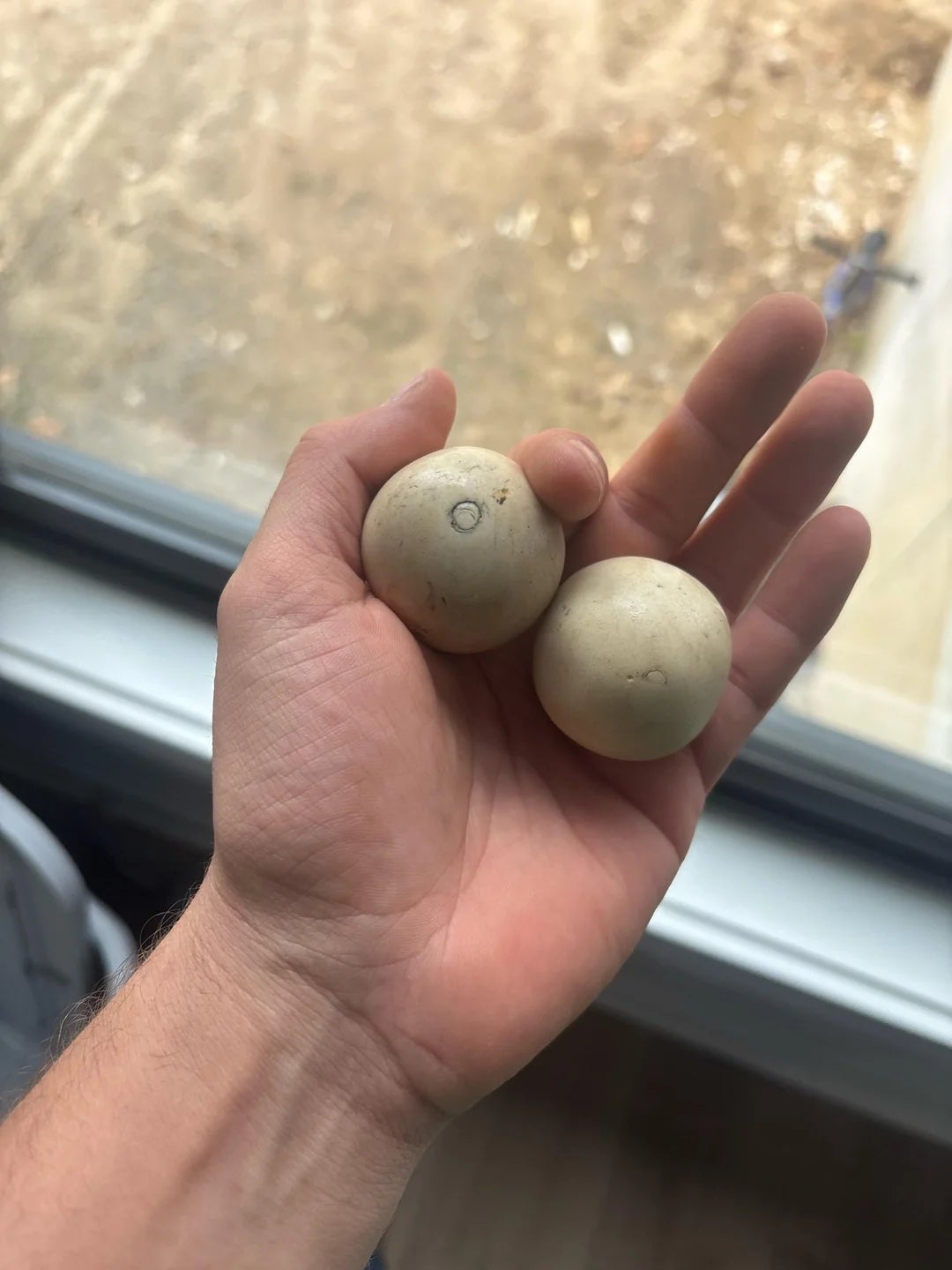
"Milling balls. They were used in a tumbler to pulverize clay for production."

"Turf plug cutter. It is for taking plugs out of your lawn to replant."

The original poster, u/Sad-Rhubarb1988, then replied with a picture, saying, "Thank you! Seems to work reasonably well."

"It’s an early version of what would become the mechanical pencil. You would insert a thin piece of graphite that would be 'propelled' out when extending the pencil."

"Yep! Toes or (women's) heels go behind the rods."

"These are called Ferro da Facciata in Italian. They are most likely from the Renaissance era, and certainly not for putting heads on."

"It's a holder for a torch that's missing the outer cage thing."

"Cast iron stove grate shaker. Here's a close match."

"Lighter fuel hand warmer. These warmers use lighter fluid or butane to generate heat through catalytic combustion. They do not produce an open flame but instead generate warmth through a controlled chemical process.

How long do lighter fuel hand warmers last? Typically, they provide warmth for 12 to 24 hours on a single fill. They're ideal for extended outdoor trips, such as hunting, ice fishing, or camping in extremely cold weather. Some models require regular refuelling and maintenance but offer high heat output."

"Citrus slicer for making citrus twists. You clamp the fruit in the jaws and use the tines as a guide for a knife to make even thin slices."

"Yeah, I always used it for tomatoes and eggs, but it kinda helps with any round food to be sliced thinly."

"I came up with this: '2 Cast Iron Clothesline Hooks. These two unusual hooks (2¾ x 2½”) from the Midland Co. of So. Milwaukee shows very little wear. The product was advertised in the May 1945 edition of Popular Mechanics – 'It’s the surest way to prevent that exasperating washday disaster – broken clothes lines. Each section is secure-gripped – a line break affects only one section.' Here's the ad mentioned in the listing."

"A shillelagh, basically a 'walking' (but more rightly, a whacking) stick, or weapon. There's one just like it on this page."

"I can't find it on Highwave's current website, so it must be out of production, but it's this odd 'float wine preserve' decanter. There's also a 'Float2' design that includes an aerator and tasting glass."

"I think it has something to do with the crash of the L33 airship. Probably some sort of souvenir. That page said that there were a lot of people who came to gawk at the crashed blimp wreckage and enterprising locals were selling souvenirs made of metal from the blimp until the military cordoned off the site."

"Fascinating story. There are a bunch of pictures at this link."

"It's a kvevri, used in traditional Georgian winemaking and adopted by winemakers across the world. In this specific case, it's basically an amphora used similarly to Kvevris. There are some articles about this one."

"It's a physics demo/lab apparatus. The pulley on the end lets you hang masses on a string and attach them to a sliding block. The scales let you determine the angle of the diagonal board. It teaches forces (friction). Here's a modern version."

"It’s for a bolo tie. Something like this."

"It says, 'Duvert frères Coutellerie Thiers P-de-D,' meaning it is from the knife maker 'Duvert Brothers' in Thiers in the French department of Puy de Dôme. Thiers has been a leader in knife making for centuries (because of hard rocks to polish, strong streams going down to have mechanical power, and iron ore nearby. Same thing for Saint-Jean de Maurienne in the Alps, who make the brand Opinel, and Laguiole, who make  Laguiole.

They peaked last century and still produce both normal cutlery and high-end stuff. They invented the potato peeler in 1926. My grandma worked there. The object is a fleam."

"That looks like a religious container, most likely a pyx or a small ciborium. It's used to hold communion wafers, either during a church service or when taking them to someone who can't attend, like the sick or elderly. The cross on top and the ornate design really point to it being used in a Christian setting. I was an altar boy a million years ago. I had to look up what they were called, but I think that's what it is."

"It's the mount for an angel ring [life preserver]. Someone has bent the bottom upwards. The flat plate should be perpendicular to the ground."

"It’s for putting mail in, my grandma still has (and uses) the one in her kitchen."

"For holding letters/bills for sure. My family would put holiday cards on one to display."

"I know it came with a tea set and, as a result, is probably meant for ginger, but if you don't use/like ginger, it's also fabulous for grating garlic. Pour some olive oil on, a pinch of black pepper maybe, and dip good bread into it."

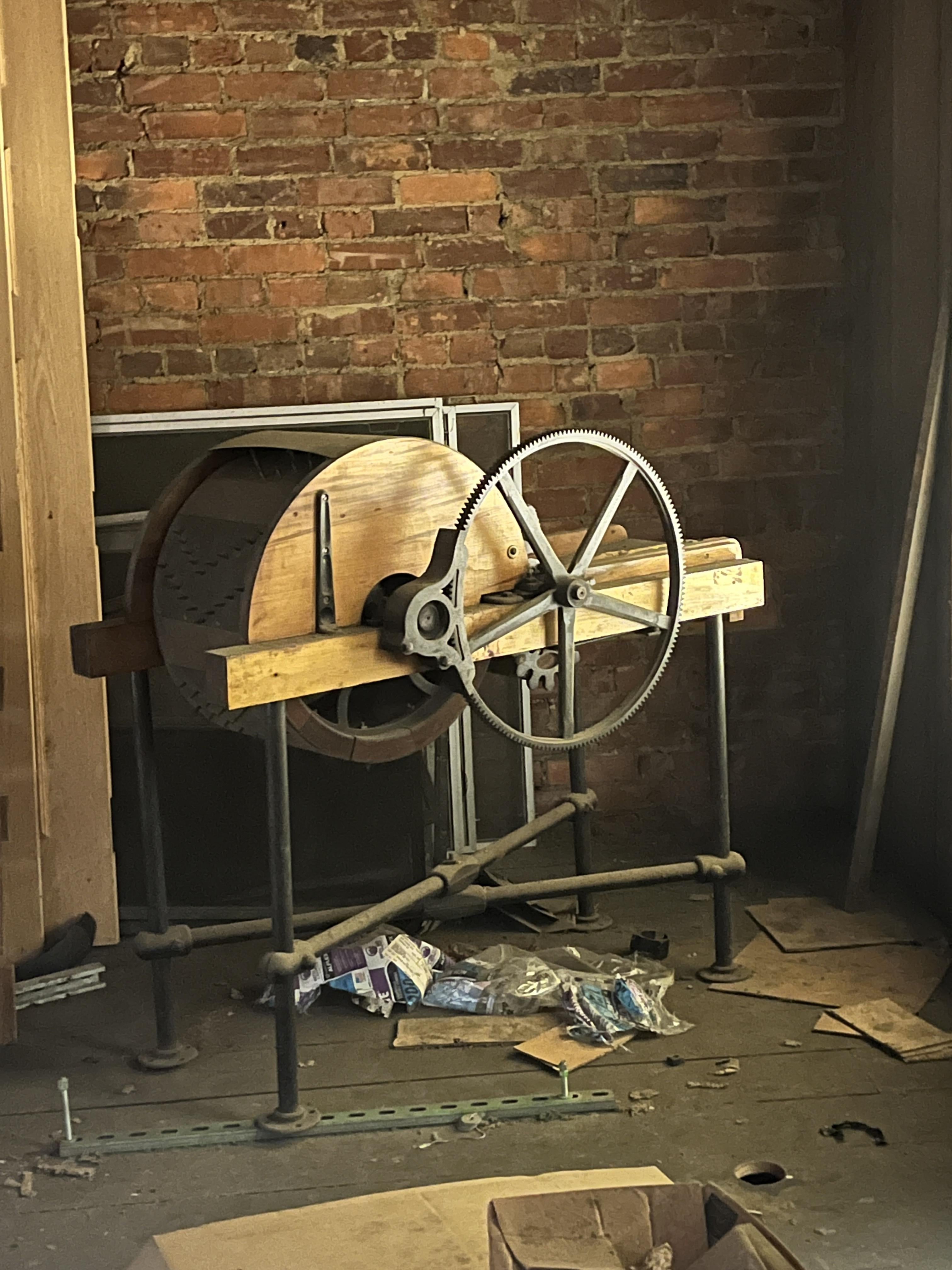
"It’s a sickle bar mower for making hay for livestock. Here is one that’s right-side-up. It’s a slightly different model, but basically the same."

"In my area, finding the teeth off of these is so common while metal detecting that we have a name for them: prairie-shark teeth!"

"It’s a shaving scuttle. Shaving bowl to keep soap/crème warm by having hot water in the inner section."

"Definitely, and a decent one at that. The ridges help build a nice lather. Good find."

19 Bizarre Items That Would Have Remained Unidentified Forever If Not For The Internet's Collective Brain Power

"It Was Driving Everyone Bonkers With Mystery": 49 Times The Internet Came Together To Identify Weird Items That Had Everyone Completely Stumped

"Don’t Ask Me How I Know": These 29 Bizarre Items Had People Totally Stumped Until The Internet Helped Out